

 English
 عربى
 Español
 中文简体



Bed Positioning Guide: Safe Angles, Comfort, and Daily Hospital Patient Care
Content
- 1 Bed Positioning: A Practical Starting Point
- 2 Common Hospital Bed Positions and Their Purpose
- 3 Matching Bed Positioning to the Care Setting
- 4 A Simple Bed Positioning Workflow
- 5 Pressure, Shear, and the Support Surface
- 6 Safety Checks Before and After You Move the Bed
- 7 Choosing Bed Features That Support Better Positioning
- 8 Practical Questions About Bed Positioning
- 9 Final Thoughts
Bed Positioning: A Practical Starting Point
Bed positioning is the art and science of arranging the bed surface, the patient’s body, and supports so that breathing, comfort, skin integrity, and safe handling work together. In a hospital or care home, it is rarely a single angle. It is a combination of head elevation, knee flex, bed height, mattress support, and the patient’s own condition. If you arrived looking for sleep posture advice, some principles overlap, but this guide focuses on adjustable care beds and patient handling.
Good positioning starts with assessment. Two patients with the same diagnosis may need different angles because of body shape, breathing capacity, wounds, pain, and mobility. Local clinical protocols and a clinician’s judgment always come first. The ideas below are for general education and for teams reviewing bed features, workflow, and equipment choices.
Common Hospital Bed Positions and Their Purpose
Care teams use shorthand for bed positioning, but the shorthand is only useful when everyone understands the setup and the caution. The angles below are approximate and should be adjusted to the patient’s response.
| Position | Typical setup | Common care goals | Key caution |
|---|---|---|---|
| Flat / supine | Bed surface horizontal, head flat | Rest, examination, some transfers | Check breathing comfort and pressure points |
| Semi-Fowler | Head raised about 30–45 degrees, knees slightly flexed | Easier breathing, meals, routine care | Watch for sliding down and sacral pressure |
| Fowler / high Fowler | Head raised about 45–90 degrees | Eating, breathing support, cardiac comfort | Shear risk rises as the backrest lifts |
| Trendelenburg | Head lower than the feet | Specific clinical procedures under protocol | Not routine; monitor breathing and tolerance |
| Reverse Trendelenburg | Head higher than the feet | Some reflux or procedure needs | Patients may slide toward the foot end |
| Lateral / side-lying | Patient turned to one side with pillow support | Pressure relief, comfort, some procedures | Support the spine, hips, and limbs |
| Cardiac chair | Back elevated, knees flexed, patient moved toward sitting | Selected ICU mobility and recovery goals | Check dizziness, sliding, and line safety |
Positioning is not a “set and forget” task. Patients slide, pillows compress, and pain or breathing can change within minutes. Recheck alignment, skin, tubing, and comfort after every adjustment.
Matching Bed Positioning to the Care Setting
Critical care and cardiac chair positioning
In intensive care, bed positioning may support lung recruitment, pressure relief, and early mobility. A cardiac chair position—backrest elevated with knees flexed and the patient moved toward a sitting posture—can help selected patients tolerate upright activity. It requires a bed designed for controlled back and knee movement, side rail support, and close monitoring for sliding or dizziness.
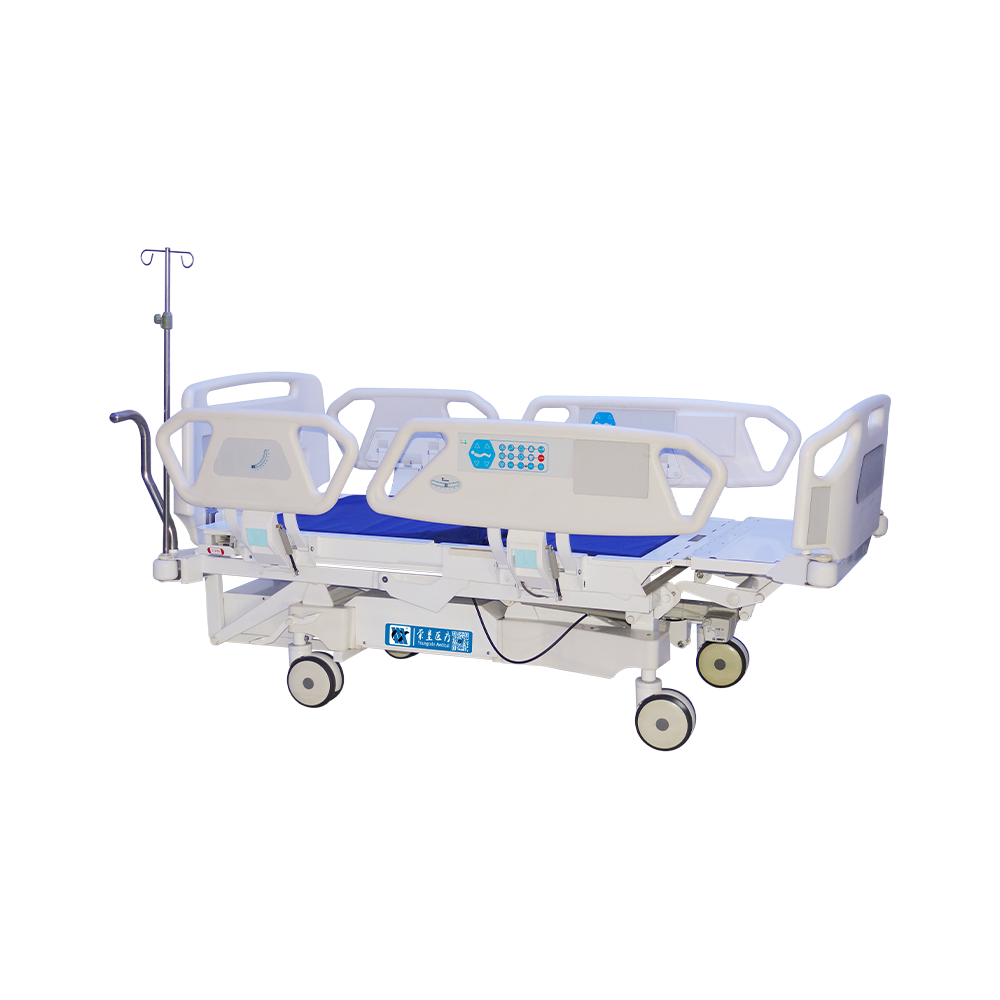 YC-E5638K(III) Electric ICU Bed with Cardiac ChairDesigned for intensive care and cardiac recovery, it offers one-button chair and exam positions, motorized extension, and rail controls to support controlled repositioning.View Product →
Ward, rehabilitation, and home care
On a general ward or at home, the priorities are often simpler: comfortable breathing, safe eating, easier transfers, and pressure relief. A bed with adjustable backrest and knee break reduces the need for stacked pillows, which can push the head forward and make breathing harder. Height adjustment protects caregivers’ backs and allows a safer working posture during personal care.
For a more detailed look at controls, setup, and daily care, this electric hospital bed guide is a useful companion. It explains how features such as hand remotes and side rails fit into routine use.
A Simple Bed Positioning Workflow
Whether you are adjusting a bed for a procedure, a meal, or overnight comfort, a repeatable sequence reduces missed steps.
- Check the order and the patient. Confirm the desired position, any restrictions, and whether the patient can assist.
- Raise the bed to a safe working height, lower the nearest rail as needed, and lock the wheels.
- Explain what will happen. Ask the patient to bend the knees or hold the rail if able.
- Adjust the backrest and knee section in small steps. Avoid dropping the head or knees suddenly.
- Support the body with pillows or wedges at the shoulders, hips, and legs. Keep the spine as neutral as comfortable.
- Check tubing, leads, drainage, and the call bell. Make sure they are not pulled or trapped.
- Lower the bed, raise the rails according to policy, and confirm the patient is comfortable and safe.
Documenting the position and tolerance can help the next shift. It also makes it easier to see whether a change in bed positioning is improving comfort or revealing a new problem.
Pressure, Shear, and the Support Surface
Bed positioning and the mattress work as a pair. A well-placed patient on an unsuitable surface can still develop pressure damage. Conversely, a good mattress cannot compensate for a patient left in one position for too long.
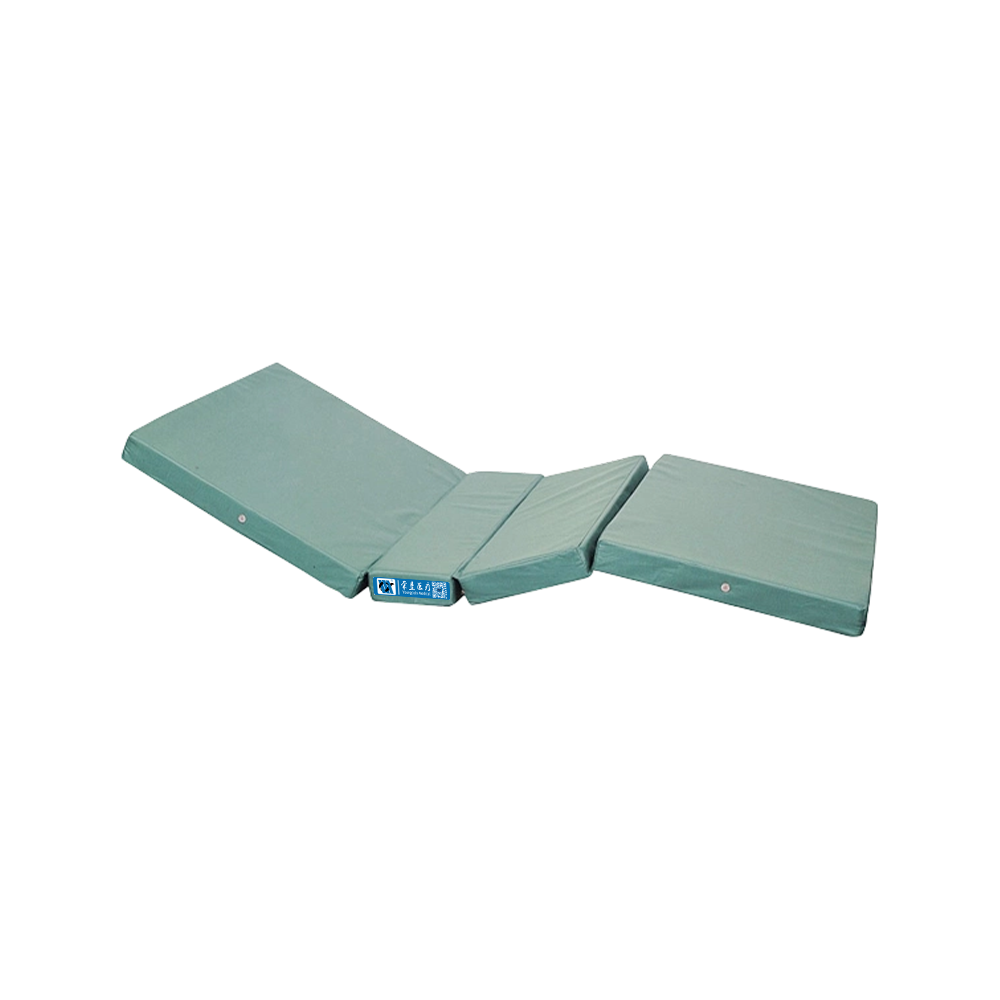 QDC-8080 Alternating Pressure Mattress with PumpFor pressure ulcer prevention and treatment, it combines alternating and static modes, dynamic pressure monitoring, visual alarms, and cell-on-cell support during power failure.View Product →
Look for shear when the head of the bed is raised. The body tends to slide down, and the sacrum and heels take extra force. A slight knee break, a foot support, and regular repositioning can reduce that slide. For patients at higher risk, alternating pressure or foam mattresses may be part of the plan, but they do not replace turning schedules and skin checks.
- Check skin at pressure points and under equipment.
- Keep heels floated where possible.
- Use pillows to support the limbs, not to force a position.
- Reassess after meals, procedures, and transfers.
Safety Checks Before and After You Move the Bed
Bed positioning is also a handling task. A quick safety pause protects patients and staff.
- Are the casters locked before transfer or care?
- Is the bed at a safe height for the caregiver?
- Are side rails, headboards, and footboards secure?
- Is the patient close enough to the edge for care without overreaching?
- Are there any lines, drains, or cables under the patient?
- Does the patient understand what to do if they feel dizzy or short of breath?
For patients who cannot reposition themselves, use a handling plan and equipment that match their weight, cooperation, and clinical condition. Never use a bed function to force a patient into a position that the body cannot tolerate.
Choosing Bed Features That Support Better Positioning
The best bed is not the one with the most buttons. It is the one whose functions match the care setting and are easy to use correctly. For wards and home care, a reliable electric bed with a hand remote can make small adjustments easier for a single caregiver. For critical care, integrated rail controls and cardiac chair positioning may be more relevant. For long-term care, low height, stable rails, and a good mattress interface often matter more than complex programming.
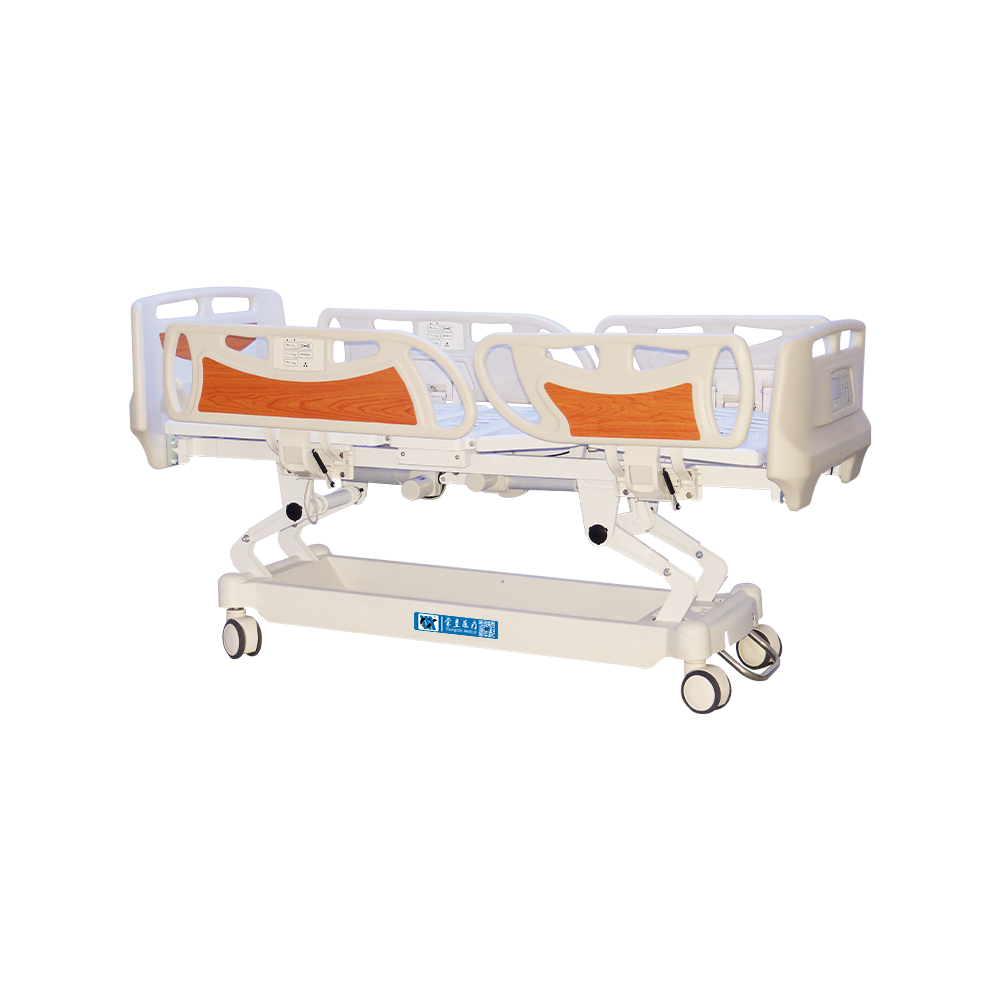 YC-E2611L(I) Two-Function Electric Hospital BedWith hand remote control, Auto Two positioning, and one-button CPR, it supports comfortable repositioning and practical nursing access for wards or home care.View Product →
When reviewing a bed, test the movement with the intended user. Can the backrest rise smoothly? Does the knee section stop at a comfortable angle? Are the controls clear? Do the rails encourage safe access without blocking necessary care? These practical questions reveal more than a specification sheet alone.
Practical Questions About Bed Positioning
What is a common position for breathing support?
Many patients breathe more easily with the head of the bed elevated, often around 30–45 degrees, but the right angle depends on the condition. A clinician should assess breathlessness, oxygen needs, and tolerance.
Can pillows replace an adjustable bed?
Pillows are useful for support, but they can slip and create uneven pressure. An adjustable bed gives more controlled back and knee positioning. In home care, a simple electric or manual bed can reduce the need for improvised pillow stacks.
Final Thoughts
Bed positioning is a small phrase for a wide range of everyday decisions. The goal is consistent: support the patient’s body, protect skin and breathing, make care easier, and reduce avoidable risk. Training, observation, and the right equipment all matter. At Youngcoln, our hospital bed and ward furniture range is built around those practical realities, from electric beds and ICU models to mattresses, rails, and bedside furniture. If you are reviewing bed positioning for a ward, care home, or home setting, start with the patient’s needs and then choose features that make good positioning easier to repeat.
Recommended Products
-
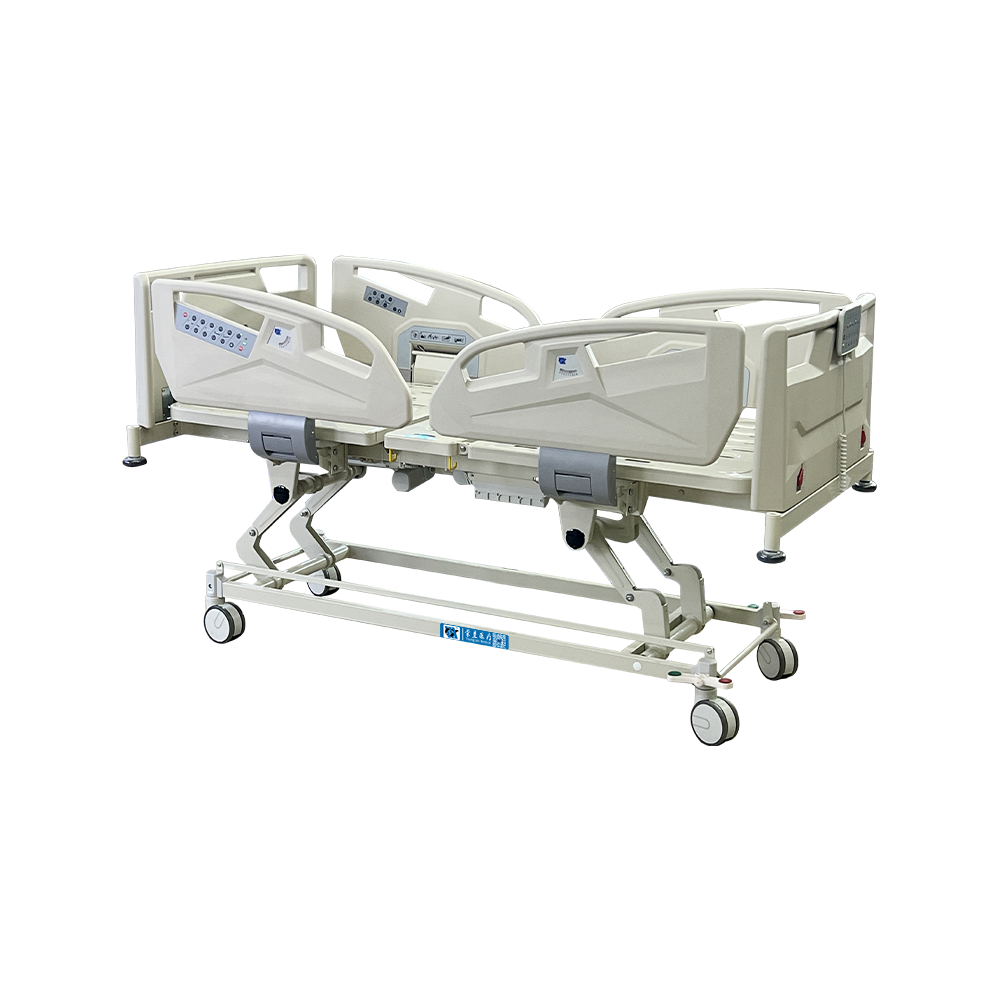

YC-E5618K(III) High Safety Electric Hospital Patient Care Bed
-
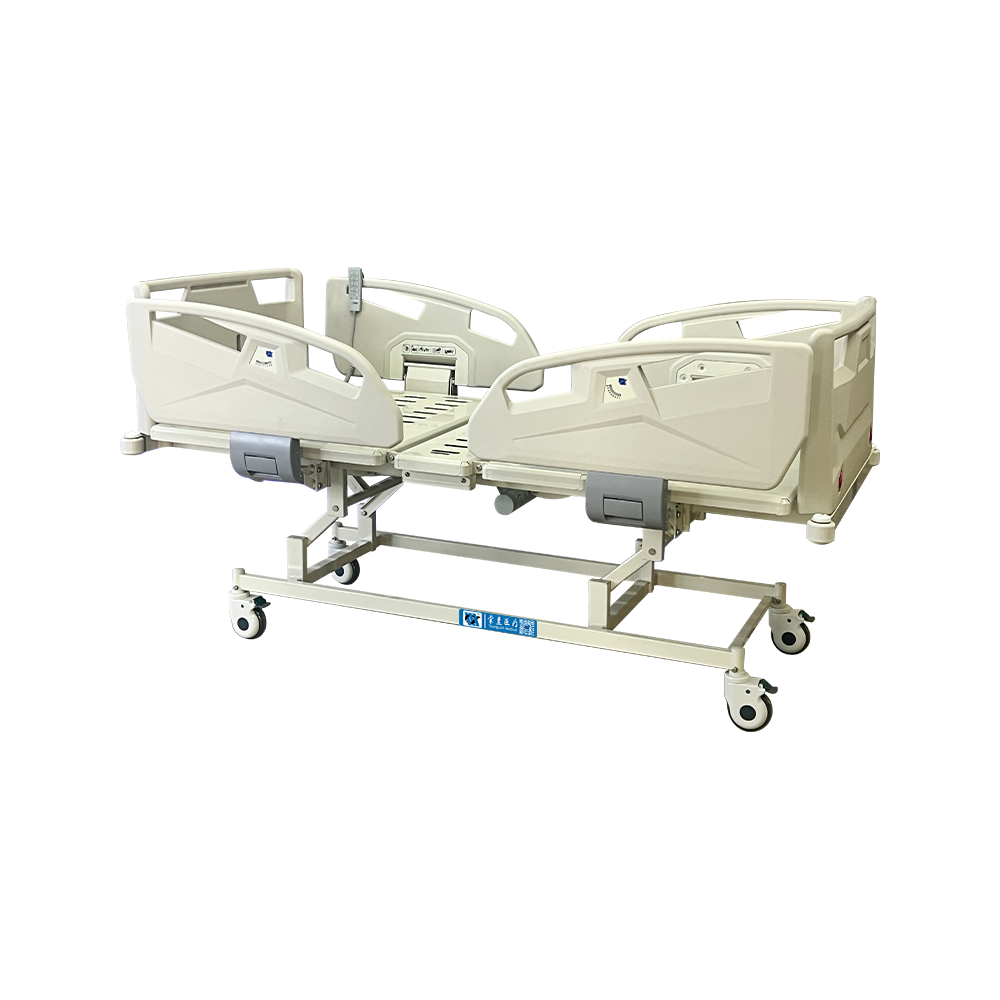
YC-E3618L(III) Extra Large Electric Critical Care ICU Patient Hospital Bed
-
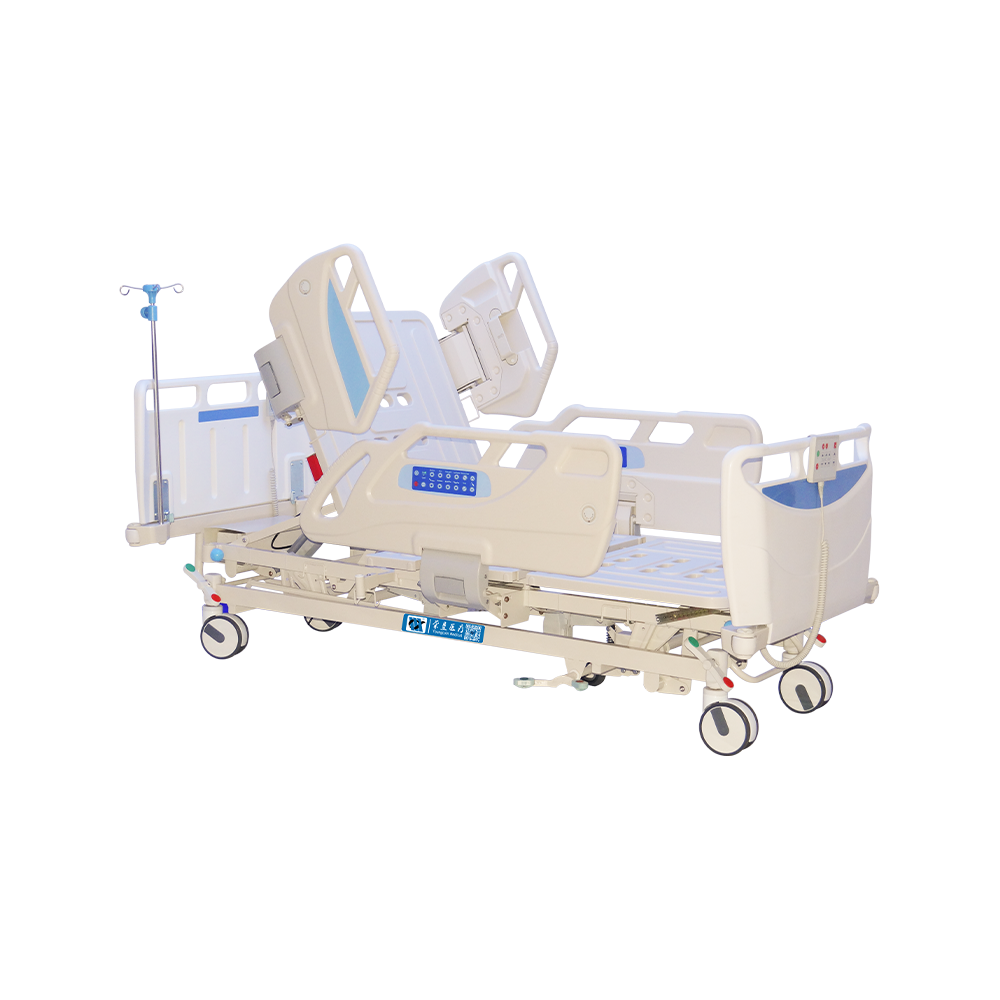
YC-E5638K(V) Fully Electric Intensive Care Hospital Bed
-
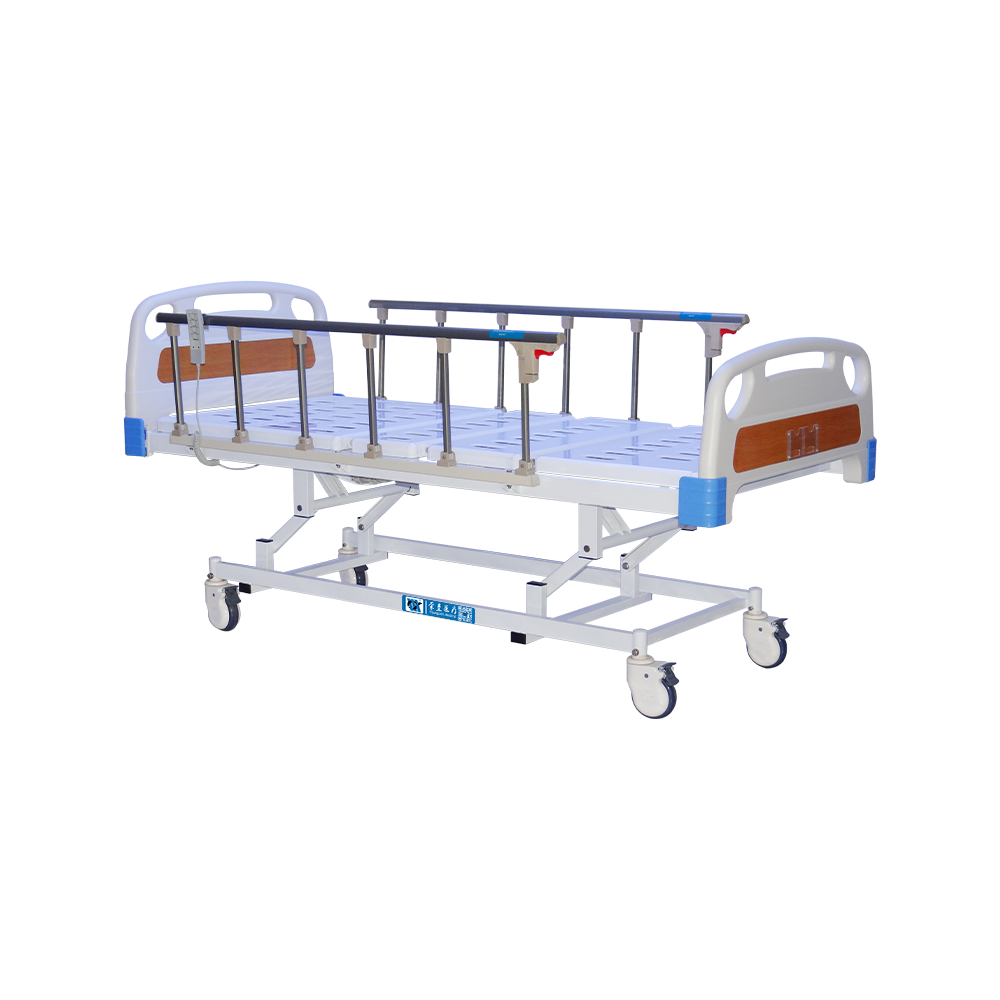
YC-E3611L(I) Ultra-Low Electric Hospital Bed With Hand Remote Control
-
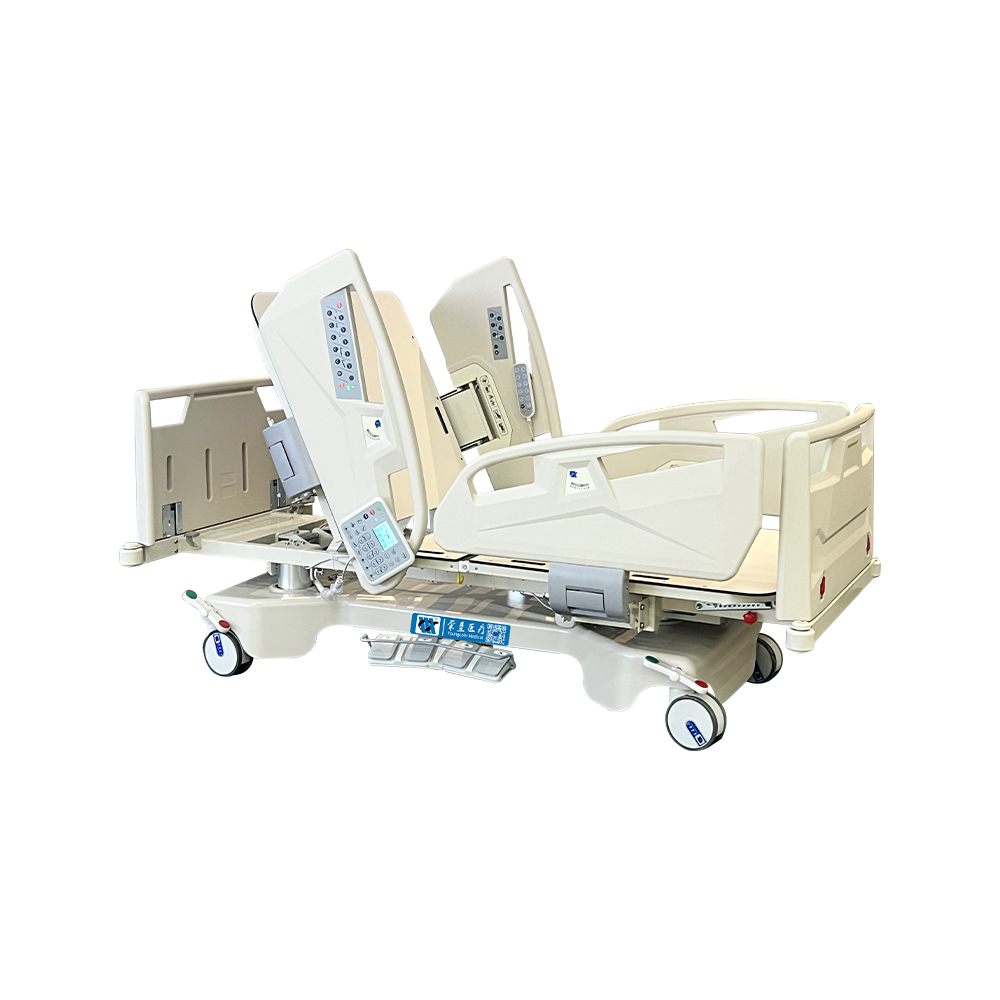
YC-E5638K(IV) Electric ICU Hospital Patient Recovery Bed
-
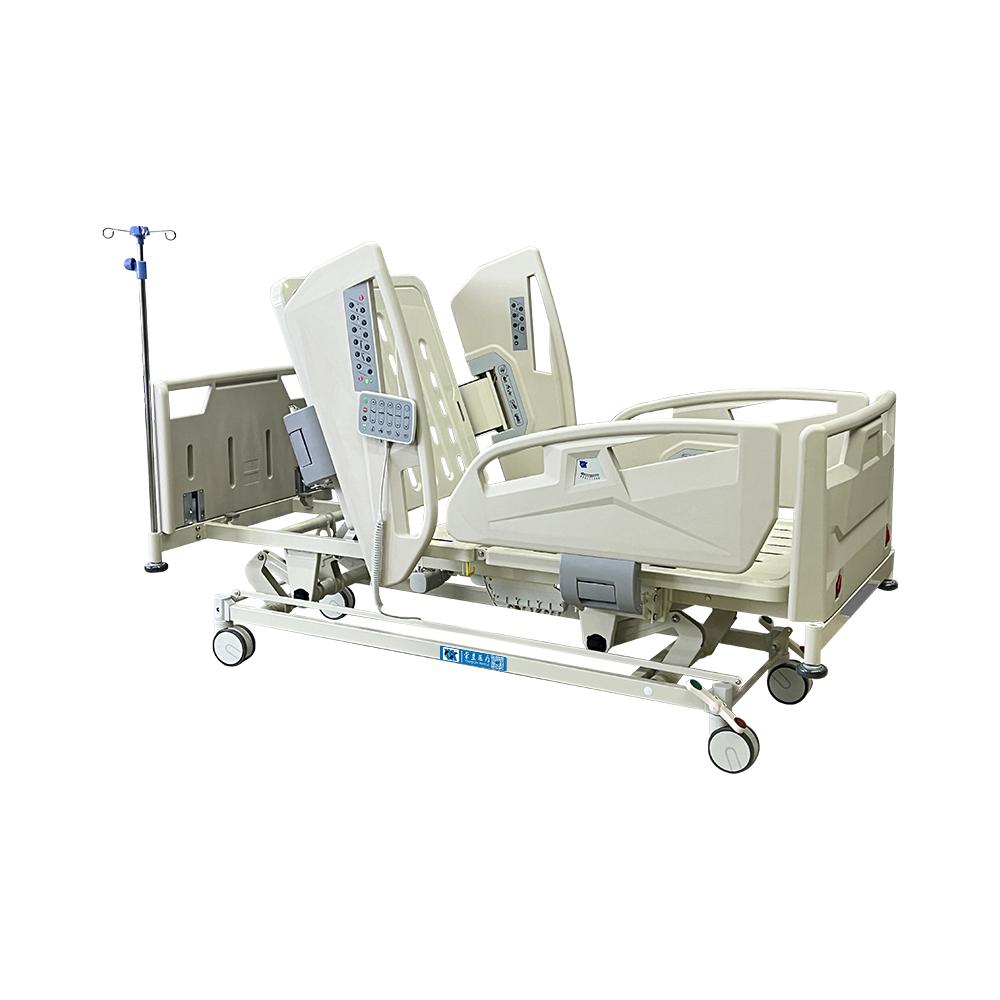
YC-E3618K(I) Comfortable Full Electric Hi-Low Hospital Bed
Recommended News

- QR CODE:
- OTHER LINKS:
- QUICK LINKS
- Home
- Products
- About Us
- Manufacturing
- Quality Assurance
- News
- Contact us
- PRODUCT CATEGORIES
- Hospital Bed
- Operating Tables
- Patient Transfer Trolley
- Medical Stretcher
- Medical Examination Couch
- Medical Carts
- Stainless Steel Medical Trolley
- Medical Chair
- Wheelchair
- Hospital Ward Furniture
- Optional Accessories
- Customized Products
-
 sales@youngcoln.com

-
PHONE
 +86-13913296627
+86-512-56951592
-
ADD
 No. 130 Southeast Avenue, Zhangjiagang Economic Development Zone, Suzhou, Jiangsu Province 215600, China


Approval No.: Jiangsu Medical Device Business Filing No. 20253048
