

 English
 عربى
 Español
 中文简体



Patient Transfer Trolley: A Practical Guide for Safer Patient Handling
Content
- 1 What a patient transfer trolley actually does
- 2 Why the small details matter
- 3 A simple way to compare patient-handling equipment
- 4 Choosing the right trolley for your setting
- 5 Safety, cleaning, and maintenance
- 6 Workflow, communication, and dignity
- 7 Working with a medical equipment supplier
- 8 Questions we hear from project teams
- 9 A practical bottom line
Moving a patient from a bed to a trolley, or from one department to another, looks straightforward only until you are the person responsible for doing it smoothly. A patient transfer trolley sits at the centre of that moment. It is part equipment, part mobile workspace, and part reassurance for the patient, the caregiver, and the receiving team. The right trolley does not make a difficult transfer effortless, but it can remove avoidable friction and help everyone focus on the person being moved.
What a patient transfer trolley actually does
A patient transfer trolley is a wheeled platform designed to move patients within a hospital, clinic, or care setting. It may be used between a ward bed and a procedure room, between departments, or as a temporary recovery surface during a short handover. Names vary by supplier and region. Some teams call similar equipment a patient trolley, a stretcher trolley, or a transfer trolley, and the distinctions are not always consistent. For that reason, the label matters less than the actual configuration.
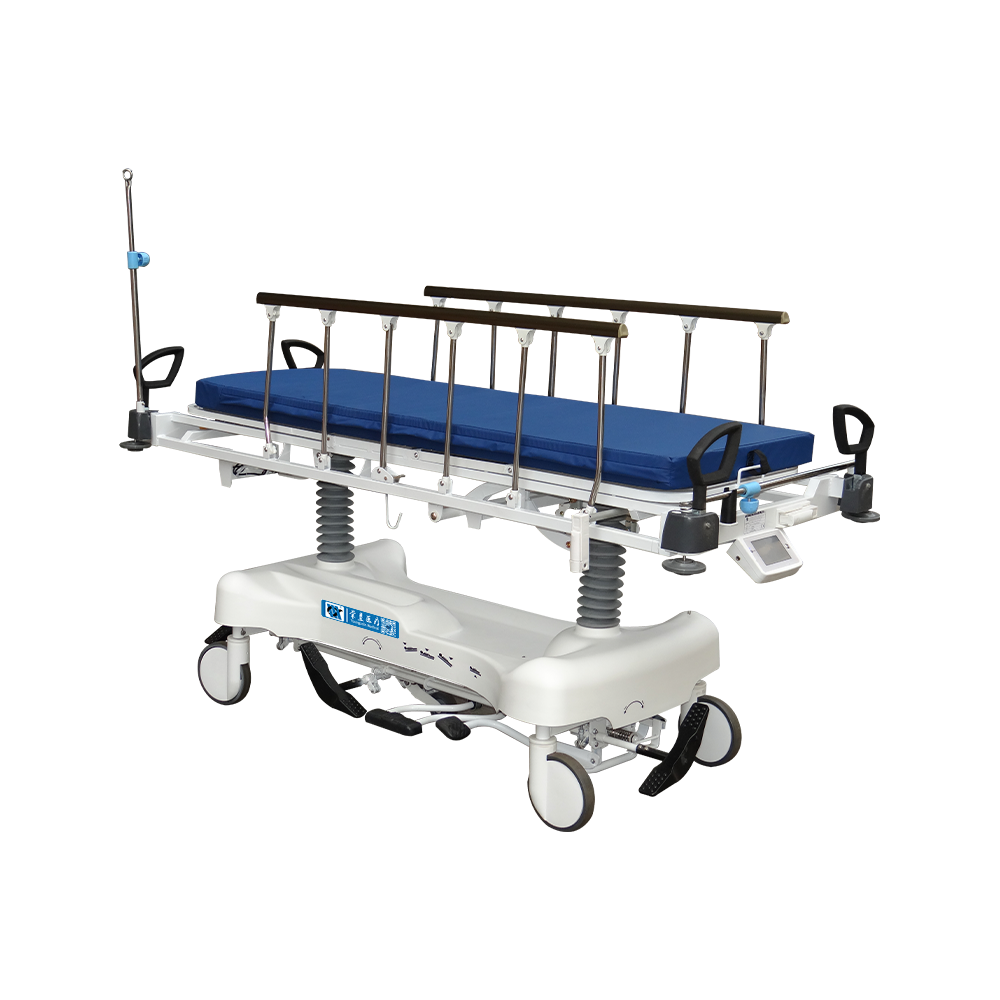
Most designs include a frame, a patient platform, a mattress or pad, side rails, and castors with some form of braking. Depending on the model, you may also see height adjustment, Trendelenburg or reverse Trendelenburg positions, imaging-compatible surfaces, or dedicated mounting points for accessories. Each feature needs a reason in your workflow, not just a line on a specification sheet. A trolley is not a substitute for a hoist, transfer board, or appropriate manual handling technique when those are indicated.
Why the small details matter
Patient transfers are short events with long consequences. A comfortable surface, secure rails, and smooth-running castors affect the patient's sense of safety. Brake placement affects how confidently staff can leave the trolley at the bedside. Push height and steering affect the caregiver's back, shoulders, and wrists over a long shift. A squeaking castor or a rail that does not latch is not a minor annoyance; it changes how confident staff feel.
The trolley also occupies space in corridors, lifts, and treatment rooms. It has to turn corners, pass through doorways, and sit close enough to a bed for a safe transfer. These practical dimensions are easy to overlook when a purchase is based only on a product photo. A useful rule is to judge the trolley by the whole journey, from storage bay to bedside to receiving area and back again.
A simple way to compare patient-handling equipment
Different products solve different problems. The table below is a practical way to keep the categories straight when you review a catalogue or a quotation.
| Equipment type | Common role | Questions to ask |
|---|---|---|
| Patient transfer trolley | Moving a patient within a facility; short stays and handovers | Brake layout, rail security, mattress condition, wheel tracking, height range |
| Patient trolley or stretcher | Transport and temporary patient support | Platform size, side rails, wheel configuration, compatibility with receiving areas |
| Operating connecting trolley | Moving patients to and from the operating suite | Height matching, interface with tables and beds, stability during transfer |
| Shower trolley | Moving and supporting a patient during washing | Drainage, surface design, brakes, infection control |
| Transfer board or patient lift | Assisting the actual move between surfaces | Patient assessment, sling or board selection, staff training |
Choosing the right trolley for your setting
Start with the route, not the brochure. Walk the path the trolley will take every day. Measure the narrowest doorway, check the lift dimensions, note any thresholds or ramps, and watch how staff currently move patients at peak times. A trolley that works beautifully in a showroom can be awkward in a busy ward corridor.
Then consider the people and the tasks:
- Patient population: consider size, mobility, cognition, comfort needs, and privacy. A trolley that suits a day clinic may not suit a recovery area or an elderly care ward.
- Caregiver ergonomics: check push height, steering behaviour, brake access, and rail operation. Ask the staff who will use it, not only the people who sign the order.
- Transfer interfaces: confirm how the trolley aligns with beds, procedure tables, imaging equipment, or chairs. If height adjustment is needed, verify the range and the mechanism.
- Cleaning and storage: look at seams, joints, pads, and controls. Think about where the trolley will be parked and how it will be cleaned between patients.
- Documentation: ask for dimensions, load ratings, material guidance, cleaning instructions, and relevant product documentation. Clear information is part of the product.
A good supplier will ask about these points before quoting. A quick price is useful; a trolley that fits the route and the routine is better value over its service life.
Safety, cleaning, and maintenance
Daily checks are unglamorous but decisive. Before use, staff should confirm that the brakes hold, the castors run freely, the side rails latch securely, the mattress or pad is intact, and the frame shows no obvious damage. Anything unusual should be reported and the trolley taken out of service until it is checked.
Follow your facility's cleaning and disinfection protocol alongside the manufacturer's instructions. Pay attention to handles, rails, control points, and areas that are touched often. Do not assume that a trolley is suitable for every patient or every task simply because it is labelled for transfer. Training, patient assessment, and local manual handling policy remain essential. When equipment, technique, and communication work together, transfers become safer and calmer.
Workflow, communication, and dignity
Equipment is only one part of a respectful transfer. Explain what will happen before moving the patient. Give them time to prepare. Protect privacy, secure personal belongings, and avoid discussing the patient's condition over them. A calm handover includes the receiving team: they should know the patient's needs, the expected destination, and any equipment that must travel with the patient.
Dignity is often in the timing. Rushing a transfer can make a patient feel handled rather than cared for. A well-chosen trolley supports a smoother routine, but it cannot replace attention, clear instructions, or a willingness to pause when something does not feel right.
Working with a medical equipment supplier
At Jiangsu Youngcoln Medical, patient transfer trolleys sit within a broader range that includes hospital beds, stretchers, transfer boards, patient lifts, and ward furniture. That breadth is useful because transfer decisions rarely happen in isolation. The trolley has to work with the bed, the doorway, the lift, and the receiving team's routine.
Our public description emphasises stable quality and on-time delivery for medical projects. Those are worthwhile aims, but they should be tested against clear specifications, documentation, and the realities of your site. If you are planning a ward, theatre, or clinic project, involve the people who move patients every day. Their observations will often reveal more than a catalogue comparison.
Questions we hear from project teams
Is a patient transfer trolley the same as a stretcher?
Not necessarily. The terms overlap in common use, but designs differ in platform shape, rails, wheel configuration, and intended use. Check the specification rather than relying on the product name alone.
Do we need height adjustment?
It can matter when transfer heights vary or when staff need to match a bed or procedure table more comfortably. Confirm the adjustment range, the mechanism, and whether it suits the areas where the trolley will be used.
How many trolleys should a department have?
There is no universal number. Patient flow, peak activity, cleaning turnaround, storage space, and backup arrangements all affect the answer. Model the busiest day, not the average one, and include the receiving areas in the calculation.
A practical bottom line
A patient transfer trolley is a small piece of capital equipment with a large effect on daily work. Choose it for the route it will travel, the patients it will carry, and the staff who will use it. Then maintain it, train on it, and review incidents as they arise. That is how a practical purchase becomes a safer transfer.
Recommended Products
-
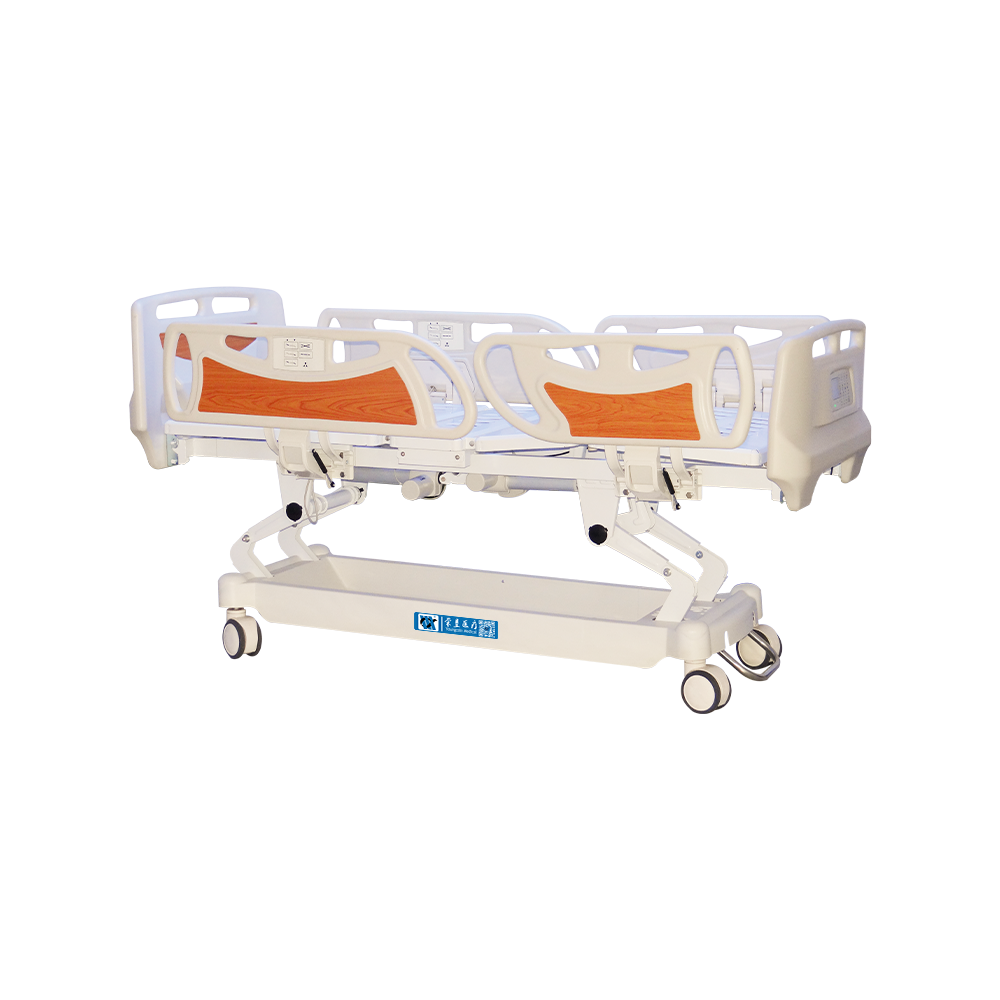

YC-E5638K(I) ICU Bed Integrated With Railing Control
-
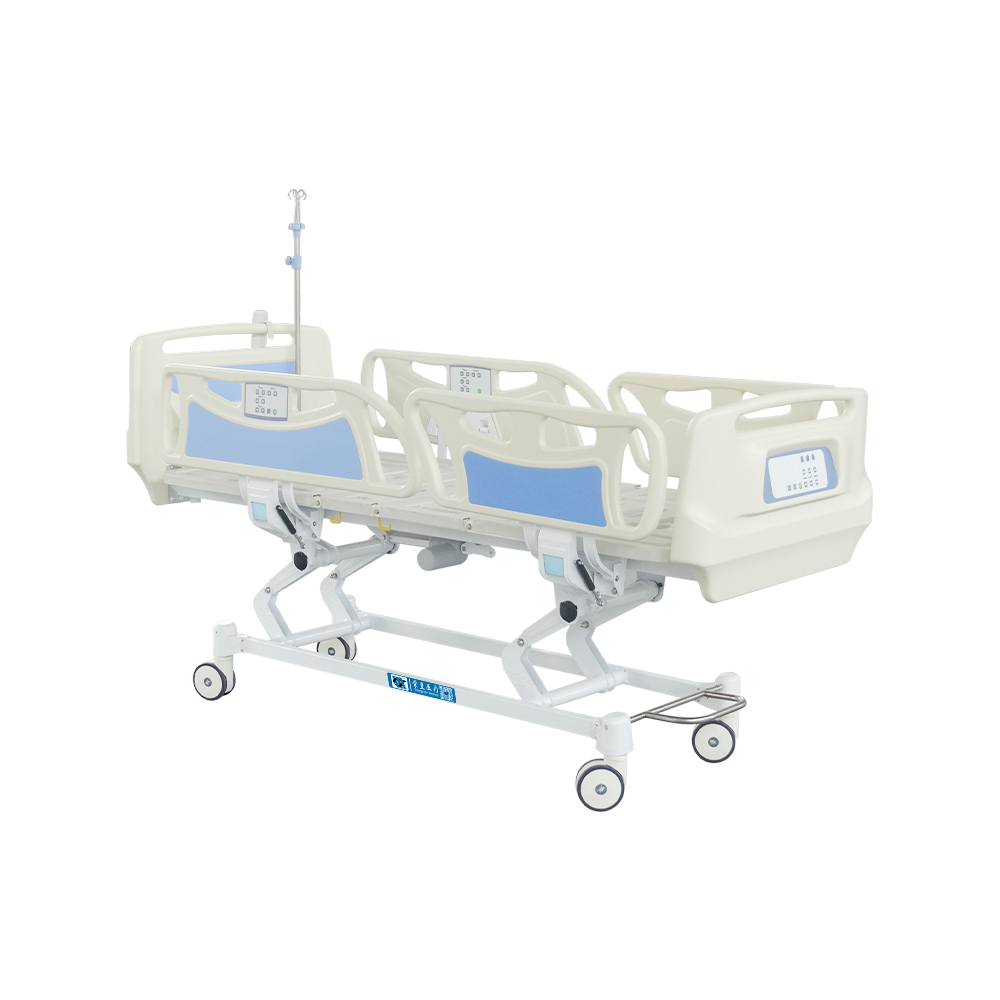
YC-E5638K(II) New Generation ICU Bed Integrated With Railing Control
-
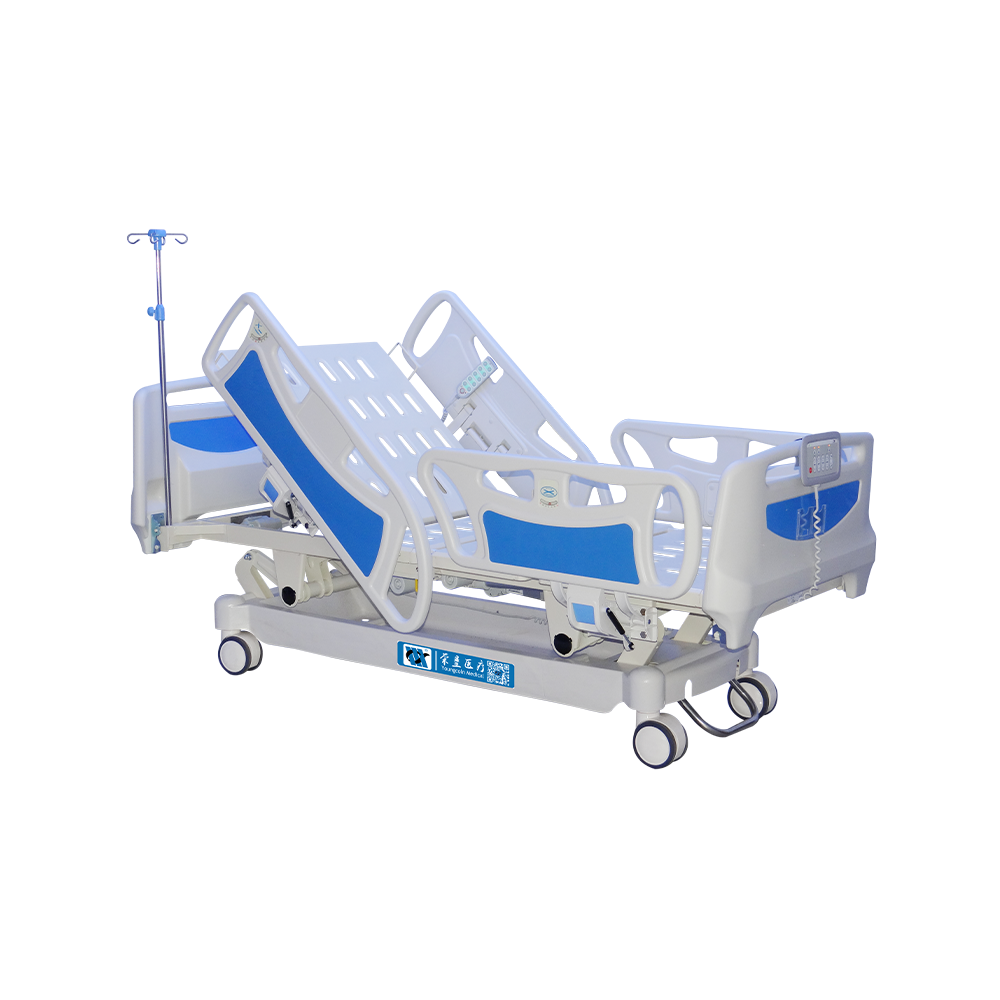
YC-E5618K(I) Electric Automatic Hospital ICU Bed 5 Functions
-
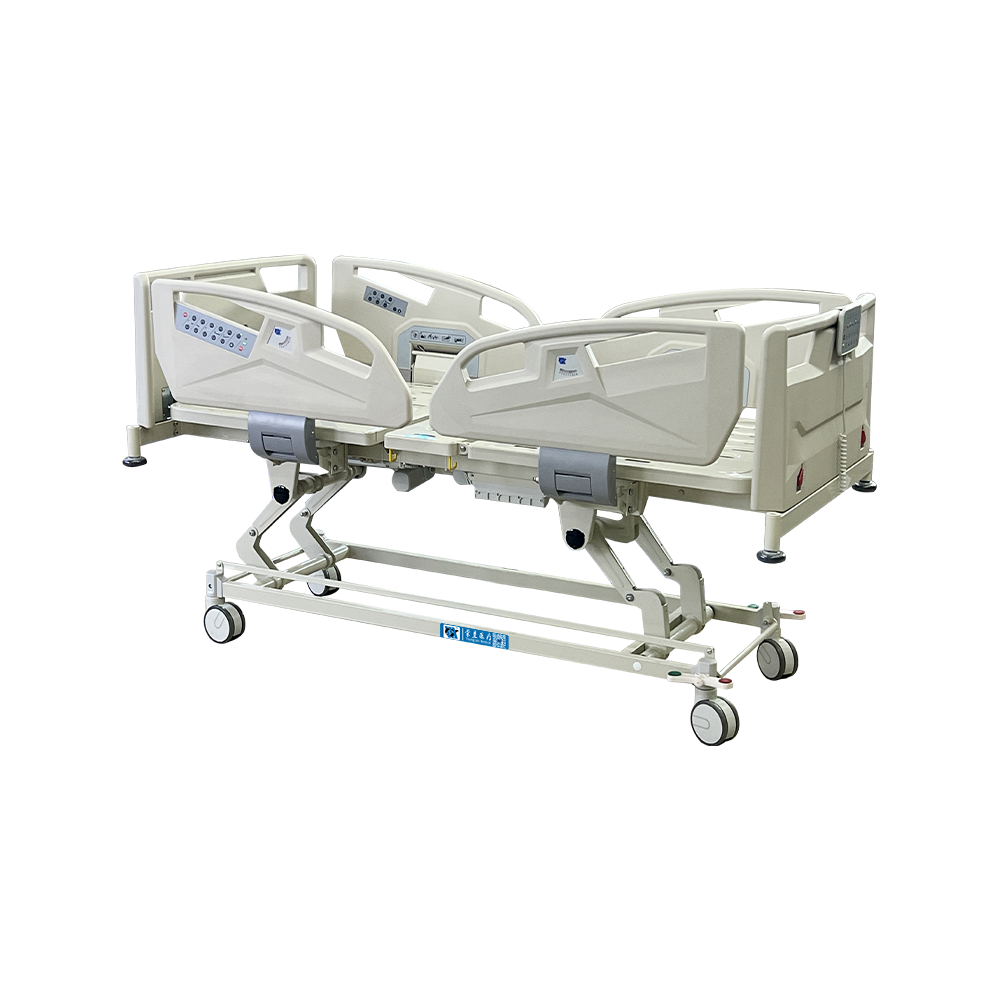
YC-E5618K(III) High Safety Electric Hospital Patient Care Bed
-
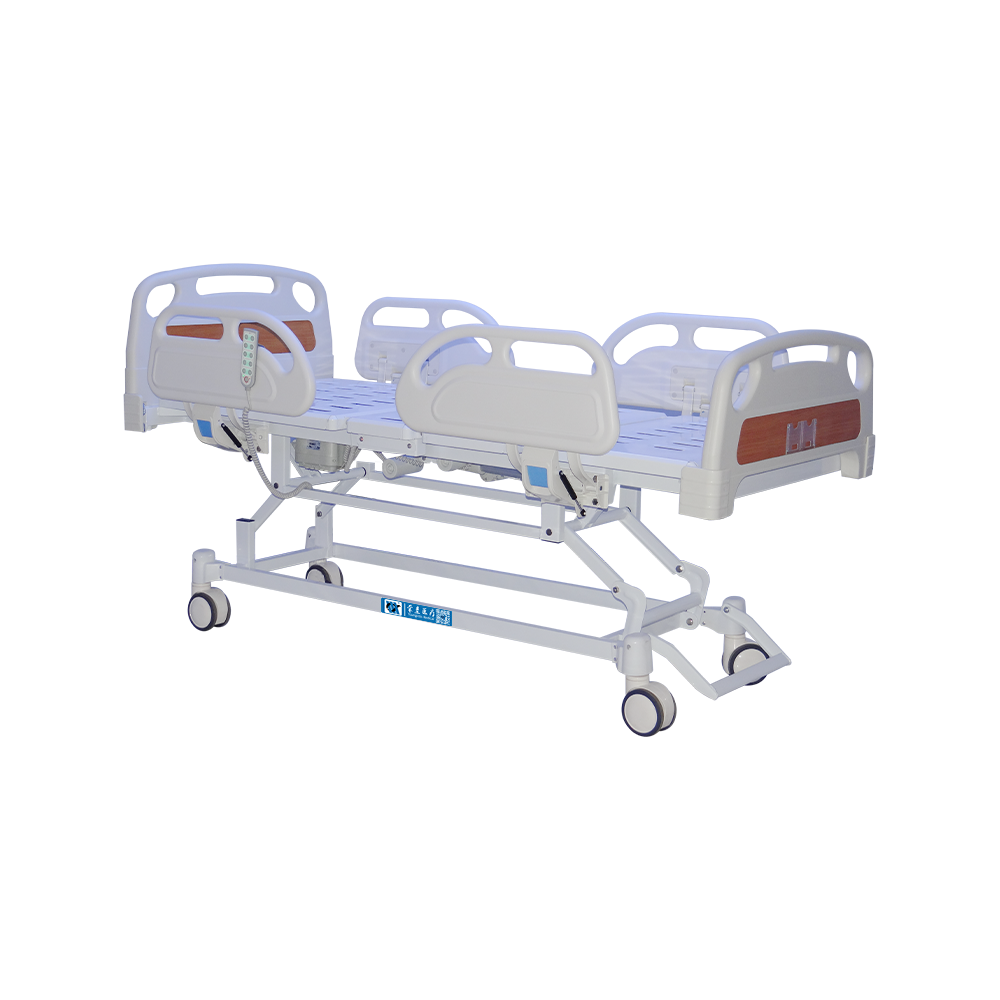
YC-E5618K(IV) Electric Hospital Room Bed With Remote Control
-
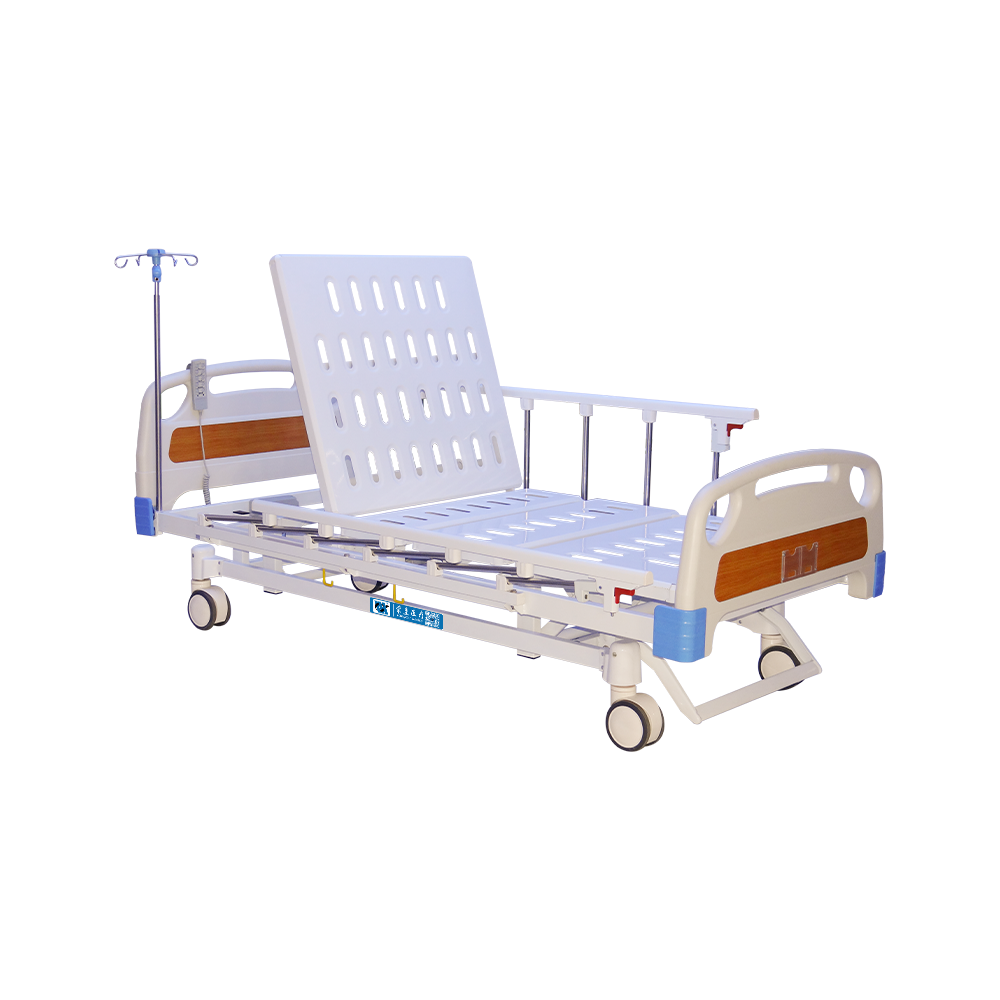
YC-E5611K Electric Hospital Bed With Central Locking Steer Function
-
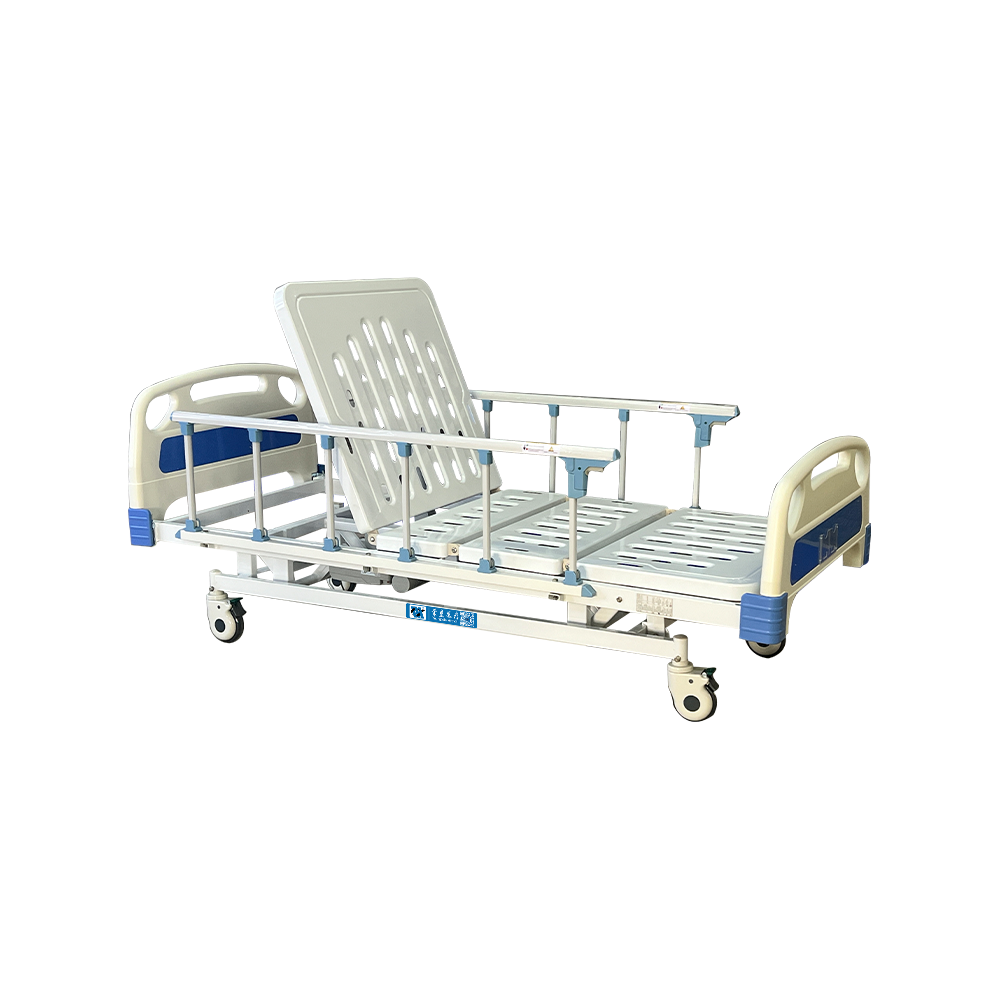
YC-E5611L Electric Hospital Bed With Five Function
-
YC-E3618K(I) Comfortable Full Electric Hi-Low Hospital Bed
-
YC-E3618K(II) 3-function Electric Bed Electric Adjustable Hospital Bed
-
YC-E3618K(V) Electric Three Functions Hospital Beds ABS Side Rails

- QR CODE:
- OTHER LINKS:
- QUICK LINKS
- Home
- Products
- About Us
- Manufacturing
- Quality Assurance
- News
- Contact us
- PRODUCT CATEGORIES
- Hospital Bed
- Operating Tables
- Patient Transfer Trolley
- Medical Stretcher
- Medical Examination Couch
- Medical Carts
- Stainless Steel Medical Trolley
- Medical Chair
- Wheelchair
- Hospital Ward Furniture
- Optional Accessories
- Customized Products
-
 sales@youngcoln.com

-
PHONE
 +86-13913296627
+86-512-56951592
-
ADD
 No. 130 Southeast Avenue, Zhangjiagang Economic Development Zone, Suzhou, Jiangsu Province 215600, China


Approval No.: Jiangsu Medical Device Business Filing No. 20253048
