• Standardized Manufacturing for Consistent Quality.
    Standardized Manufacturing for Consistent Quality.
  • Configurable Options With OEM  Support.
    Configurable Options With OEM Support.
  • Project- and Distributor-Friendly  Supply Model.
    Project- and Distributor-Friendly Supply Model.
  • Complete Compliance Docu- mentation For Faster Evaluation.
    Complete Compliance Docu- mentation For Faster Evaluation.
  • After-Sales and Spare Parts  Support You Can Rely On.
    After-Sales and Spare Parts Support You Can Rely On.
Product Categories
One-Stop Sourcing, With Configurable
Options and Branding-Ready Packaging
  • Hospital Bed Hospital Bed
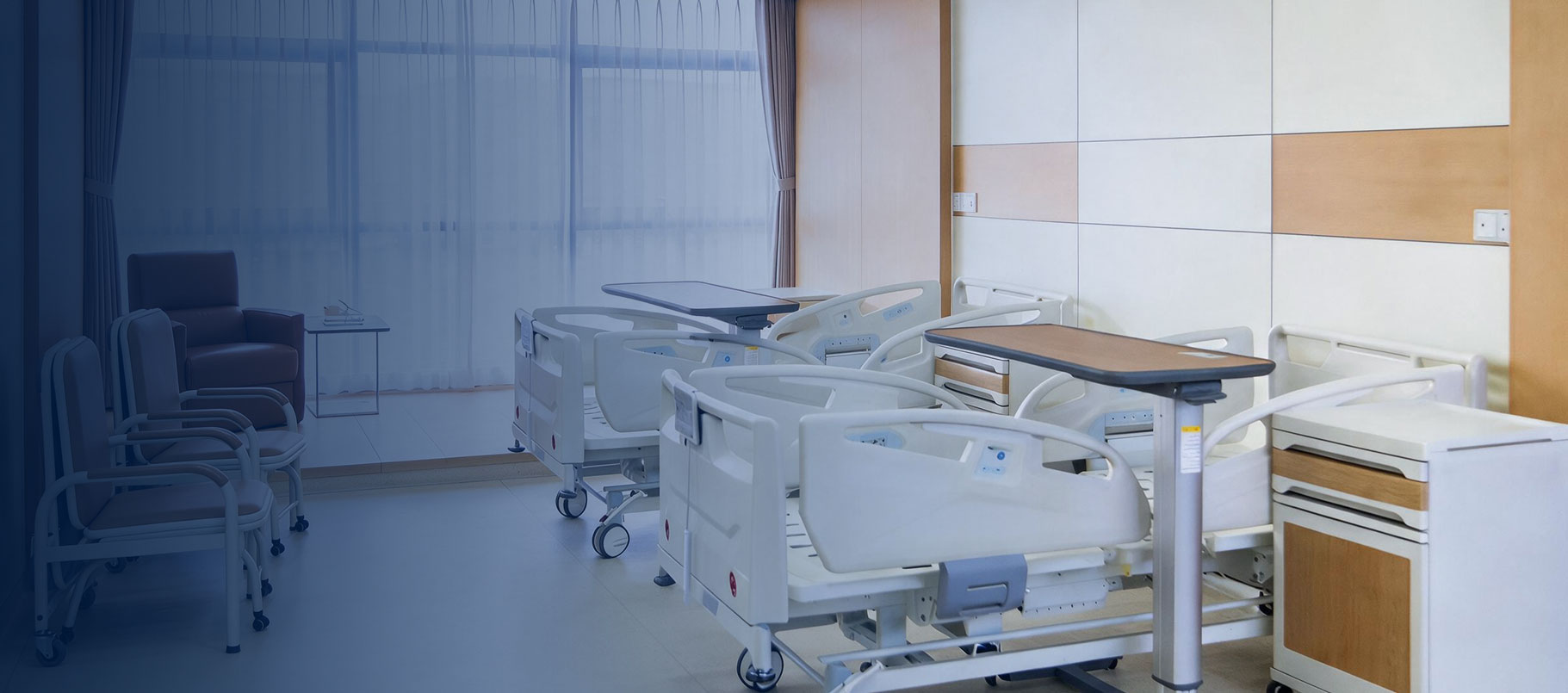
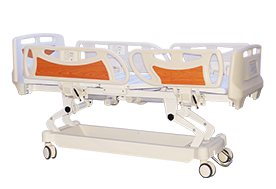
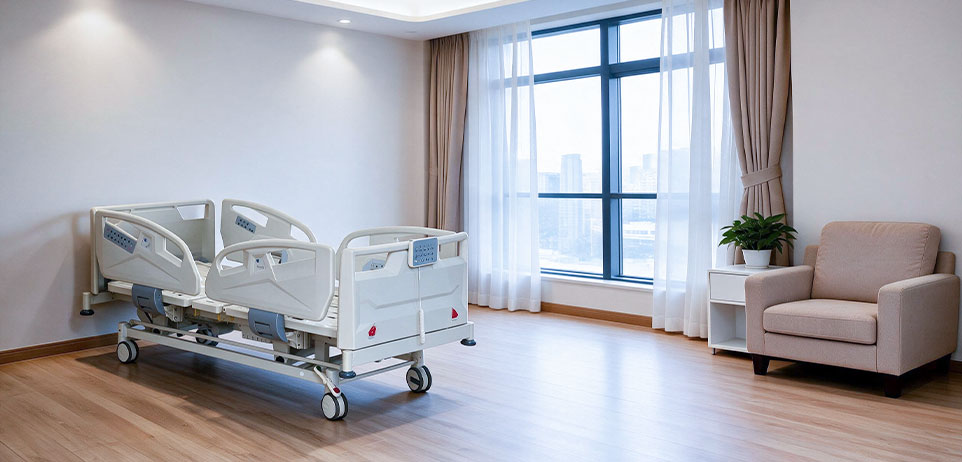
    A hospital bed is a specialized bed designed to prioritize the safety and comfort of patients, as well as the efficiency of caregivers. Unlike a standard bed, its key feature is an adjustable frame that allows for multiple positioning options. With the simple push of a button or turn of a crank, the head and foot sections can be raised or lowered independently. This helps patients find a comfortable position for reading, watching TV, or sleeping, and can also provide essential therapeutic benefits, such as easing breathing difficulties or reducing pressure on specific parts of the body. Safety is a primary focus. Most hospital beds come with built-in side rails that can be raised to prevent falls and assist patients when turning or repositioning. The bed's overall height can also be adjusted; lowering it makes it easier for patients to get in and out of bed safely, while raising it to a working height reduces strain for nurses and caregivers attending to the patient. Sturdy, lockable casters on the legs allow the bed to be moved easily within a room for cleaning or to be transported short distances, while ensuring it stays firmly in place when needed. In short, a hospital bed transforms a standard resting place into a versatile, therapeutic, and secure environment for recovery.
    Hospital Bed
    A hospital bed is a specialized bed designed to prioritize the safety and comfort of patients, as well as the efficiency of caregivers. Unlike a standard bed, its key feature is an adjustable frame that allows for multiple positioning options. With the simple push of a button or turn of a crank, the head and foot sections can be raised or lowered independently. This helps patients find a comfortable position for reading, watching TV, or sleeping, and can also provide essential therapeutic benefits, such as easing breathing difficulties or reducing pressure on specific parts of the body. Safety is a primary focus. Most hospital beds come with built-in side rails that can be raised to prevent falls and assist patients when turning or repositioning. The bed's overall height can also be adjusted; lowering it makes it easier for patients to get in and out of bed safely, while raising it to a working height reduces strain for nurses and caregivers attending to the patient. Sturdy, lockable casters on the legs allow the bed to be moved easily within a room for cleaning or to be transported short distances, while ensuring it stays firmly in place when needed. In short, a hospital bed transforms a standard resting place into a versatile, therapeutic, and secure environment for recovery.
    View More Hospital Bed
  • Operating Tables Operating Tables
    An operating table, also known as a surgical table, is a specialized piece of medical equipment designed to safely support a patient during a surgical procedure. Its primary function is to provide a stable, secure, and adjustable platform that allows the surgical team optimal access to the operative site. Unlike a standard bed, an operating table is highly adaptable. It can be raised, lowered, tilted, and bent into various positions (such as Trendelenburg, reverse Trendelenburg, or lateral tilt) to accommodate different types of surgeries and improve a surgeon's view and access. These adjustments help maintain proper patient physiology and can aid in exposing the surgical area. The table is constructed from materials that are radiolucent, meaning they do not interfere with X-ray or fluoroscopy imaging, which is vital for many orthopedic and vascular procedures. It also features a narrow profile to allow surgeons to stand close to the patient. Patient safety is a critical design element. Most tables include built-in safety straps, adjustable arm supports, and padded accessories to secure the patient and prevent injury from prolonged pressure or positioning. The surface is also easy to clean with hospital-grade disinfectants to maintain a sterile environment and prevent infection.
    Operating Tables
    An operating table, also known as a surgical table, is a specialized piece of medical equipment designed to safely support a patient during a surgical procedure. Its primary function is to provide a stable, secure, and adjustable platform that allows the surgical team optimal access to the operative site. Unlike a standard bed, an operating table is highly adaptable. It can be raised, lowered, tilted, and bent into various positions (such as Trendelenburg, reverse Trendelenburg, or lateral tilt) to accommodate different types of surgeries and improve a surgeon's view and access. These adjustments help maintain proper patient physiology and can aid in exposing the surgical area. The table is constructed from materials that are radiolucent, meaning they do not interfere with X-ray or fluoroscopy imaging, which is vital for many orthopedic and vascular procedures. It also features a narrow profile to allow surgeons to stand close to the patient. Patient safety is a critical design element. Most tables include built-in safety straps, adjustable arm supports, and padded accessories to secure the patient and prevent injury from prolonged pressure or positioning. The surface is also easy to clean with hospital-grade disinfectants to maintain a sterile environment and prevent infection.
    View More Operating Tables
  • Patient Transfer Trolley Patient Transfer Trolley
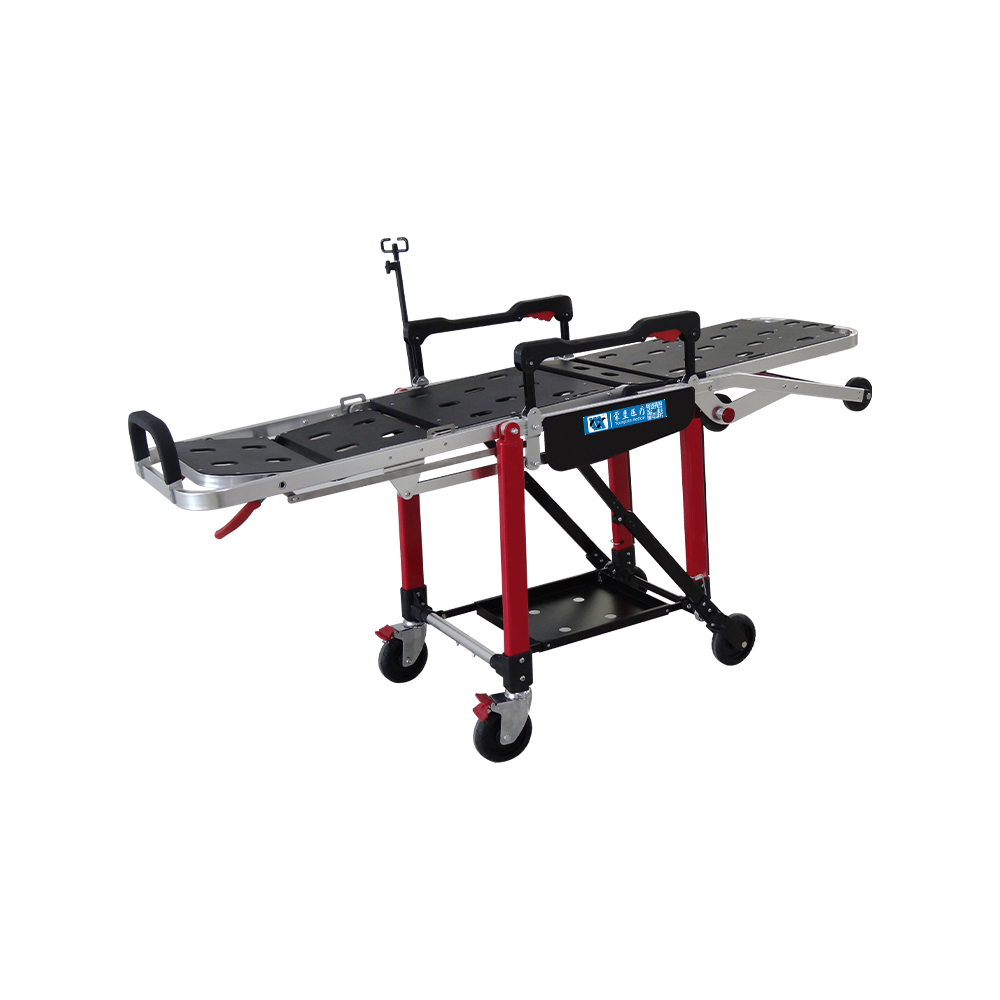
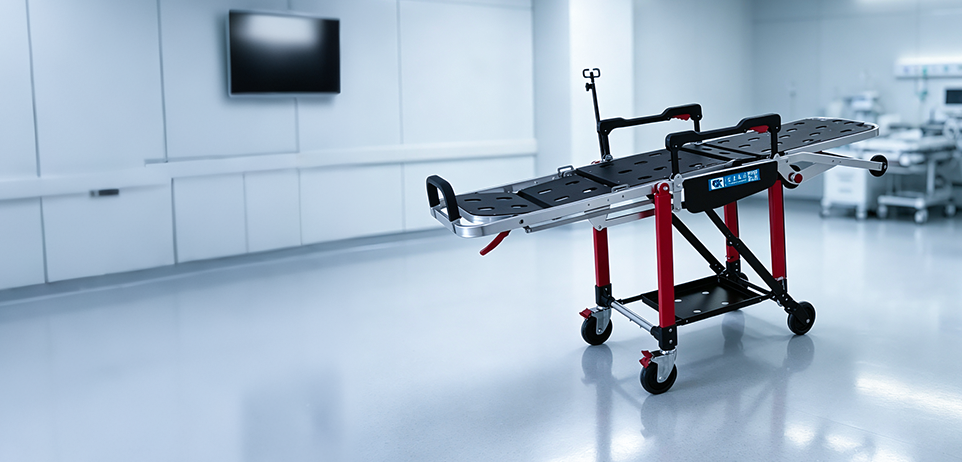
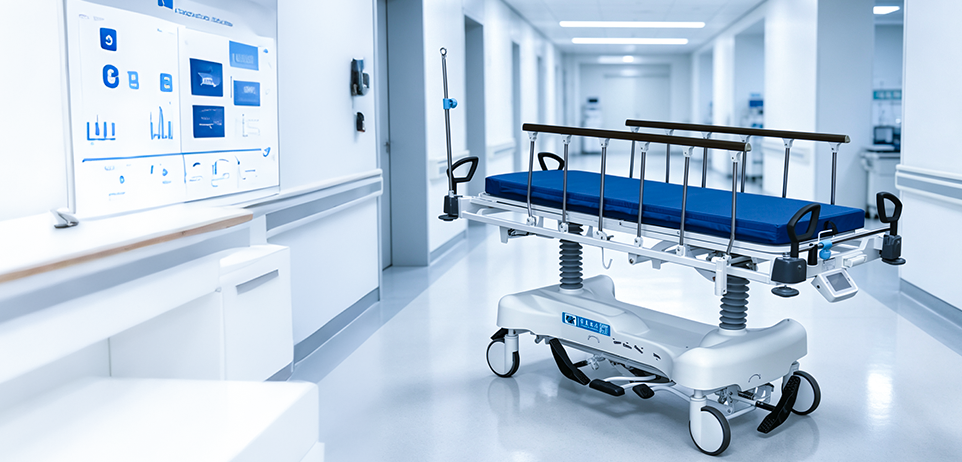
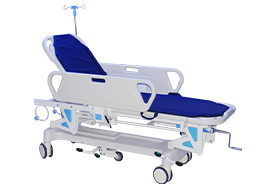
    A patient transfer trolley, also commonly referred to as a stretcher trolley or gurney, is a specialized piece of medical equipment designed for the safe and efficient movement of patients within a healthcare facility. Its primary function is to transport individuals who are unable to walk between different departments, such as from an ambulance bay to the emergency room, to surgical theatres, or to imaging suites like X-ray and MRI. Constructed typically from stainless steel or lightweight aluminum, these trolleys are built for durability and ease of cleaning, which is essential for infection control. The core design features a flat, horizontal platform with side rails that can be raised or lowered to prevent the patient from falling during transit. Modern trolleys are highly adjustable; they often incorporate hydraulic or manual systems that allow healthcare providers to change the height of the bed, making it easier to transfer a patient onto a hospital bed or operating table. Many models also feature a backrest that can be raised to a sitting position and a trendelenburg function for specific medical needs. Essential for maneuverability, they are equipped with lockable swivel casters, allowing for stable parking and smooth navigation through narrow hospital corridors and elevators. Additional features commonly integrated include IV pole holders, oxygen tank brackets, and storage areas for patient records, making it a self-contained unit for clinicians managing patient care during transport.
    Patient Transfer Trolley
    A patient transfer trolley, also commonly referred to as a stretcher trolley or gurney, is a specialized piece of medical equipment designed for the safe and efficient movement of patients within a healthcare facility. Its primary function is to transport individuals who are unable to walk between different departments, such as from an ambulance bay to the emergency room, to surgical theatres, or to imaging suites like X-ray and MRI. Constructed typically from stainless steel or lightweight aluminum, these trolleys are built for durability and ease of cleaning, which is essential for infection control. The core design features a flat, horizontal platform with side rails that can be raised or lowered to prevent the patient from falling during transit. Modern trolleys are highly adjustable; they often incorporate hydraulic or manual systems that allow healthcare providers to change the height of the bed, making it easier to transfer a patient onto a hospital bed or operating table. Many models also feature a backrest that can be raised to a sitting position and a trendelenburg function for specific medical needs. Essential for maneuverability, they are equipped with lockable swivel casters, allowing for stable parking and smooth navigation through narrow hospital corridors and elevators. Additional features commonly integrated include IV pole holders, oxygen tank brackets, and storage areas for patient records, making it a self-contained unit for clinicians managing patient care during transport.
    View More Patient Transfer Trolley
  • Medical Stretcher Medical Stretcher
    A medical stretcher, also commonly referred to as a gurney or litter, is a portable device used to transport patients who are injured, ill, or require medical care. Its primary purpose is to facilitate the safe and comfortable movement of an individual, often from an incident location to an ambulance or within a medical facility like a hospital. Modern stretchers are designed with functionality and patient safety in mind. They typically consist of a long, flat frame with a fabric or molded surface for the patient to lie on. Key features often include adjustable backrests, side rails to prevent falls, and wheels with locking mechanisms for stability during loading or transfers. Many are also height-adjustable, allowing caregivers to move a patient without heavy lifting, which reduces strain. For emergency medical services (EMS), specialized stretchers like the collapsible "ambulance stretcher" are common, designed to fit securely into an ambulance. For in-hospital use, a "stair chair" might be used in tight spaces, while a simple flat "transfer stretcher" is used for moving patients between departments. Regardless of the type, the stretcher is a fundamental piece of medical equipment, enabling efficient and careful patient handling in a variety of situations.
    Medical Stretcher
    A medical stretcher, also commonly referred to as a gurney or litter, is a portable device used to transport patients who are injured, ill, or require medical care. Its primary purpose is to facilitate the safe and comfortable movement of an individual, often from an incident location to an ambulance or within a medical facility like a hospital. Modern stretchers are designed with functionality and patient safety in mind. They typically consist of a long, flat frame with a fabric or molded surface for the patient to lie on. Key features often include adjustable backrests, side rails to prevent falls, and wheels with locking mechanisms for stability during loading or transfers. Many are also height-adjustable, allowing caregivers to move a patient without heavy lifting, which reduces strain. For emergency medical services (EMS), specialized stretchers like the collapsible "ambulance stretcher" are common, designed to fit securely into an ambulance. For in-hospital use, a "stair chair" might be used in tight spaces, while a simple flat "transfer stretcher" is used for moving patients between departments. Regardless of the type, the stretcher is a fundamental piece of medical equipment, enabling efficient and careful patient handling in a variety of situations.
    View More Medical Stretcher
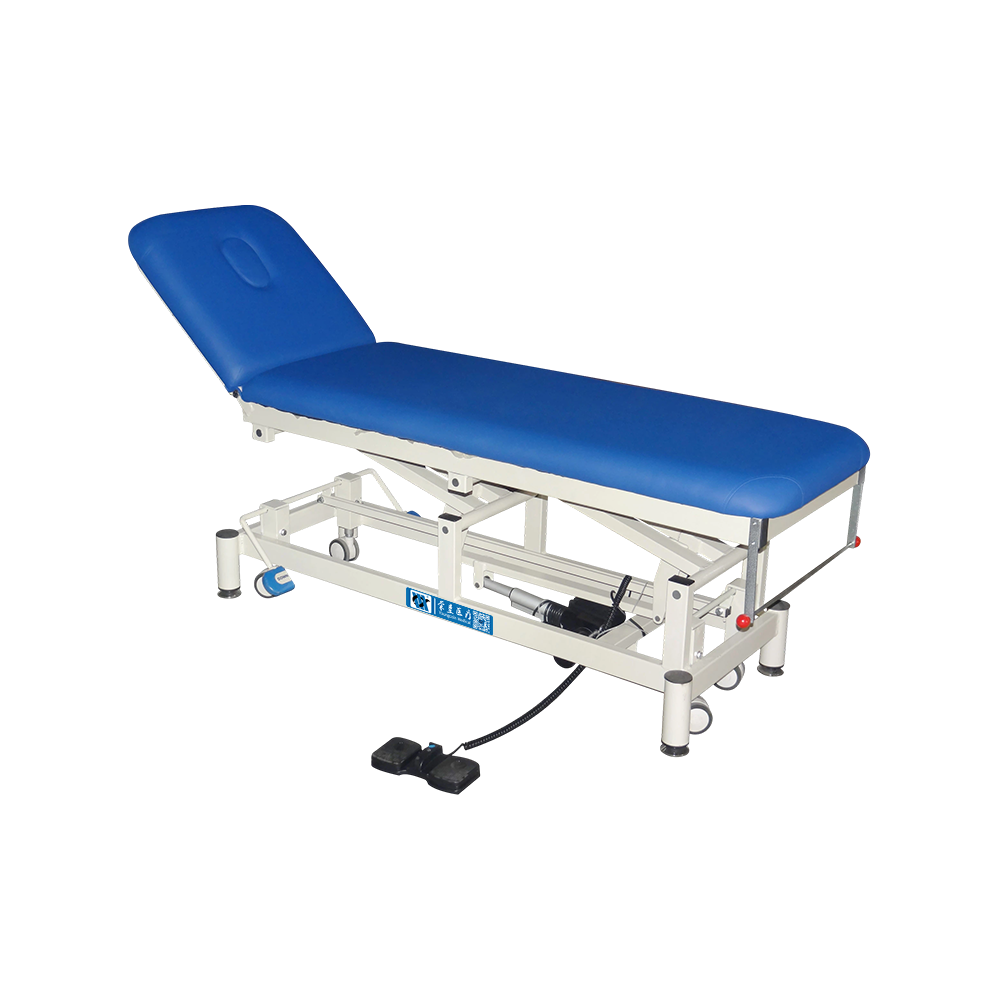
  • Medical Examination Couch Medical Examination Couch
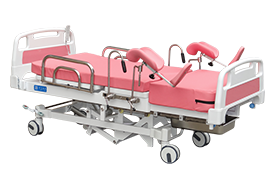
    A medical examination couch, often simply called an exam table, is a specialized piece of furniture designed for patient comfort and clinical efficiency during physical assessments and minor procedures. Typically constructed with a sturdy, easy-to-clean frame of metal or hardwood, the couch features a padded, upholstered top that provides support for a patient lying supine. The surface is covered in a durable, non-porous material like vinyl, allowing for rapid disinfection between patients to maintain hygiene standards. Key design elements focus on accessibility and functionality. Many couches are electrically or hydraulically adjustable, allowing the clinician to raise, lower, or tilt the platform to facilitate patient transfer and position the patient at an ergonomic working height. A notable feature is the "back-rest" section, which can be raised independently to seat the patient upright. A paper roll holder is commonly attached at the head end, enabling a fresh sheet of lining paper to be drawn over the surface for each patient. Some models include built-in storage drawers for supplies, retractable steps for easy access, or side rails for patient safety. In essence, the examination couch is a practical, hygienic workstation that bridges the gap between patient comfort and the clinical requirements of a thorough medical examination.
    Medical Examination Couch
    A medical examination couch, often simply called an exam table, is a specialized piece of furniture designed for patient comfort and clinical efficiency during physical assessments and minor procedures. Typically constructed with a sturdy, easy-to-clean frame of metal or hardwood, the couch features a padded, upholstered top that provides support for a patient lying supine. The surface is covered in a durable, non-porous material like vinyl, allowing for rapid disinfection between patients to maintain hygiene standards. Key design elements focus on accessibility and functionality. Many couches are electrically or hydraulically adjustable, allowing the clinician to raise, lower, or tilt the platform to facilitate patient transfer and position the patient at an ergonomic working height. A notable feature is the "back-rest" section, which can be raised independently to seat the patient upright. A paper roll holder is commonly attached at the head end, enabling a fresh sheet of lining paper to be drawn over the surface for each patient. Some models include built-in storage drawers for supplies, retractable steps for easy access, or side rails for patient safety. In essence, the examination couch is a practical, hygienic workstation that bridges the gap between patient comfort and the clinical requirements of a thorough medical examination.
    View More Medical Examination Couch
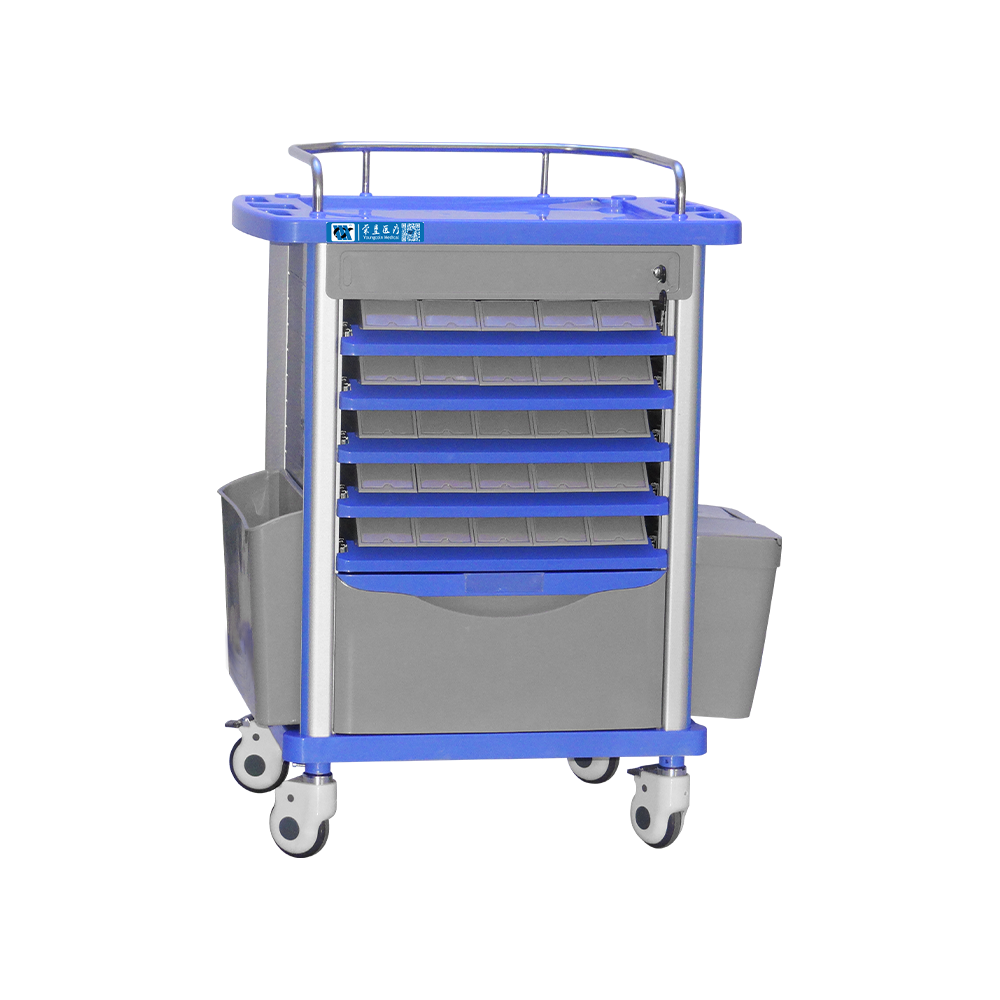
  • Medical Carts Medical Carts
    Medical carts are mobile, wheeled workstations and storage units designed for use in healthcare environments. Their primary purpose is to bring necessary equipment, supplies, and technology directly to the point of care, improving workflow efficiency for clinical staff. These carts vary widely in complexity. Basic models are simple utility trolleys with drawers and shelves for storing and transporting medical supplies, linens, or patient meals. More sophisticated versions, often called computer carts or workstations on wheels (WoWs), are designed to hold computing hardware such as laptops, tablets, and monitors, allowing for electronic charting and access to patient data at the bedside. Specialized medical carts include medication carts, which feature secure, locking drawers for storing and dispensing pharmaceuticals, often with integrated systems for barcode scanning to ensure patient safety. Similarly, anesthesia carts are stocked with the specific drugs and tools needed in operating rooms. Ergonomics and durability are key design features, with considerations for easy maneuvering, stability, and the ability to clean surfaces according to infection control protocols. By centralizing necessary tools in a mobile format, medical carts help reduce unnecessary trips, save staff time, and support safer, more organized patient care.
    Medical Carts
    Medical carts are mobile, wheeled workstations and storage units designed for use in healthcare environments. Their primary purpose is to bring necessary equipment, supplies, and technology directly to the point of care, improving workflow efficiency for clinical staff. These carts vary widely in complexity. Basic models are simple utility trolleys with drawers and shelves for storing and transporting medical supplies, linens, or patient meals. More sophisticated versions, often called computer carts or workstations on wheels (WoWs), are designed to hold computing hardware such as laptops, tablets, and monitors, allowing for electronic charting and access to patient data at the bedside. Specialized medical carts include medication carts, which feature secure, locking drawers for storing and dispensing pharmaceuticals, often with integrated systems for barcode scanning to ensure patient safety. Similarly, anesthesia carts are stocked with the specific drugs and tools needed in operating rooms. Ergonomics and durability are key design features, with considerations for easy maneuvering, stability, and the ability to clean surfaces according to infection control protocols. By centralizing necessary tools in a mobile format, medical carts help reduce unnecessary trips, save staff time, and support safer, more organized patient care.
    View More Medical Carts
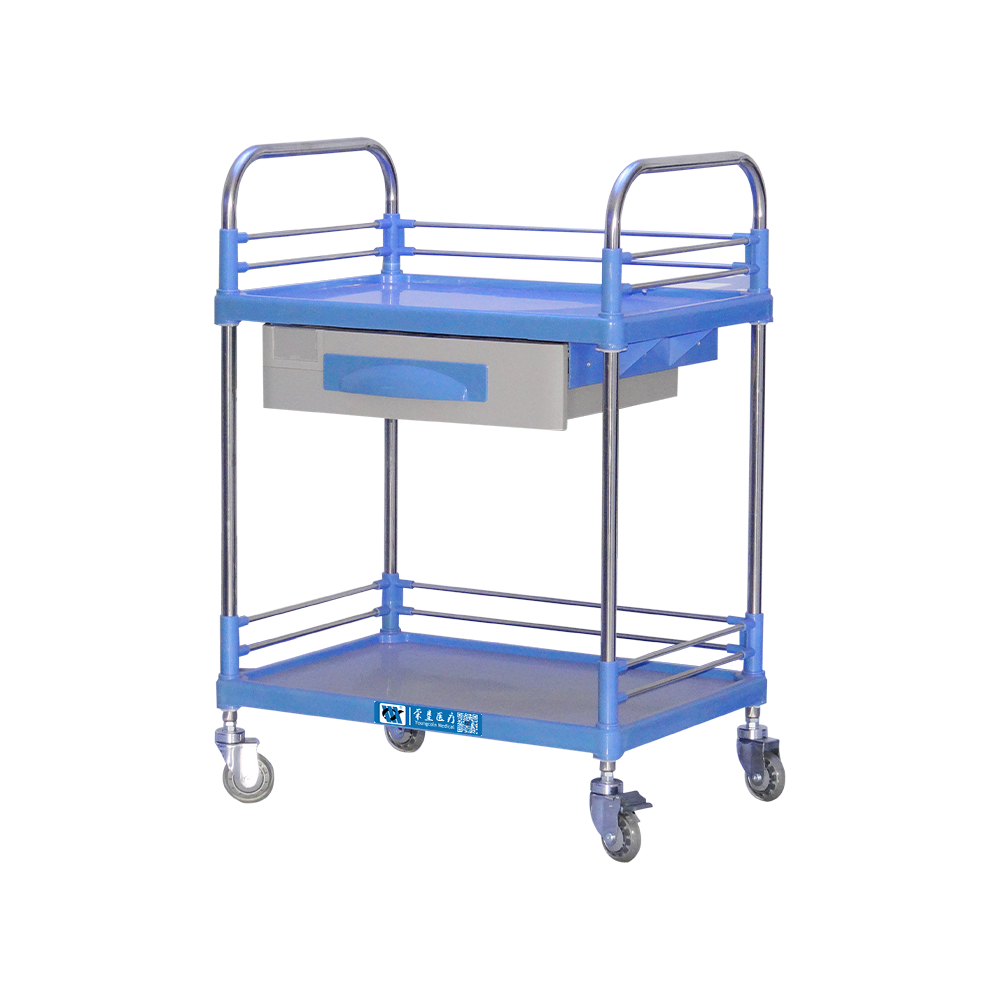
  • Stainless Steel Trolley Stainless Steel Trolley
    A stainless steel trolley is a durable, hygienic, and versatile piece of mobile equipment widely used in medical, hospitality, and industrial settings. Constructed primarily from food-grade or surgical-grade stainless steel, these trolleys are valued for their strength, resistance to rust and corrosion, and ease of cleaning. Their non-porous surface meets strict sanitation standards, making them ideal for environments where sterility and infection control are paramount, such as hospitals and commercial kitchens. The category encompasses a variety of specialized designs to suit specific tasks. For example, in a medical context, this includes Intrusion Trolleys used by emergency services, Hospital Linen Trolleys for transporting clean or soiled fabrics, and Oxygen Cylinder Trolleys designed to safely secure and move heavy gas canisters. Surgical environments utilize the Hospital Mayo Table, a specific tray trolley for holding instruments during procedures, while Medicine Racks offer organized, mobile storage for pharmaceuticals. Common features include smooth, seamless surfaces to prevent bacterial buildup, lockable castor wheels for stability and maneuverability, and push-handles for ease of movement. Whether used to transport instruments, linens, meals, or supplies, the stainless steel trolley remains an indispensable tool for maintaining workflow, organization, and hygiene in demanding professional environments.
    Stainless Steel Trolley
    A stainless steel trolley is a durable, hygienic, and versatile piece of mobile equipment widely used in medical, hospitality, and industrial settings. Constructed primarily from food-grade or surgical-grade stainless steel, these trolleys are valued for their strength, resistance to rust and corrosion, and ease of cleaning. Their non-porous surface meets strict sanitation standards, making them ideal for environments where sterility and infection control are paramount, such as hospitals and commercial kitchens. The category encompasses a variety of specialized designs to suit specific tasks. For example, in a medical context, this includes Intrusion Trolleys used by emergency services, Hospital Linen Trolleys for transporting clean or soiled fabrics, and Oxygen Cylinder Trolleys designed to safely secure and move heavy gas canisters. Surgical environments utilize the Hospital Mayo Table, a specific tray trolley for holding instruments during procedures, while Medicine Racks offer organized, mobile storage for pharmaceuticals. Common features include smooth, seamless surfaces to prevent bacterial buildup, lockable castor wheels for stability and maneuverability, and push-handles for ease of movement. Whether used to transport instruments, linens, meals, or supplies, the stainless steel trolley remains an indispensable tool for maintaining workflow, organization, and hygiene in demanding professional environments.
    View More Stainless Steel Trolley
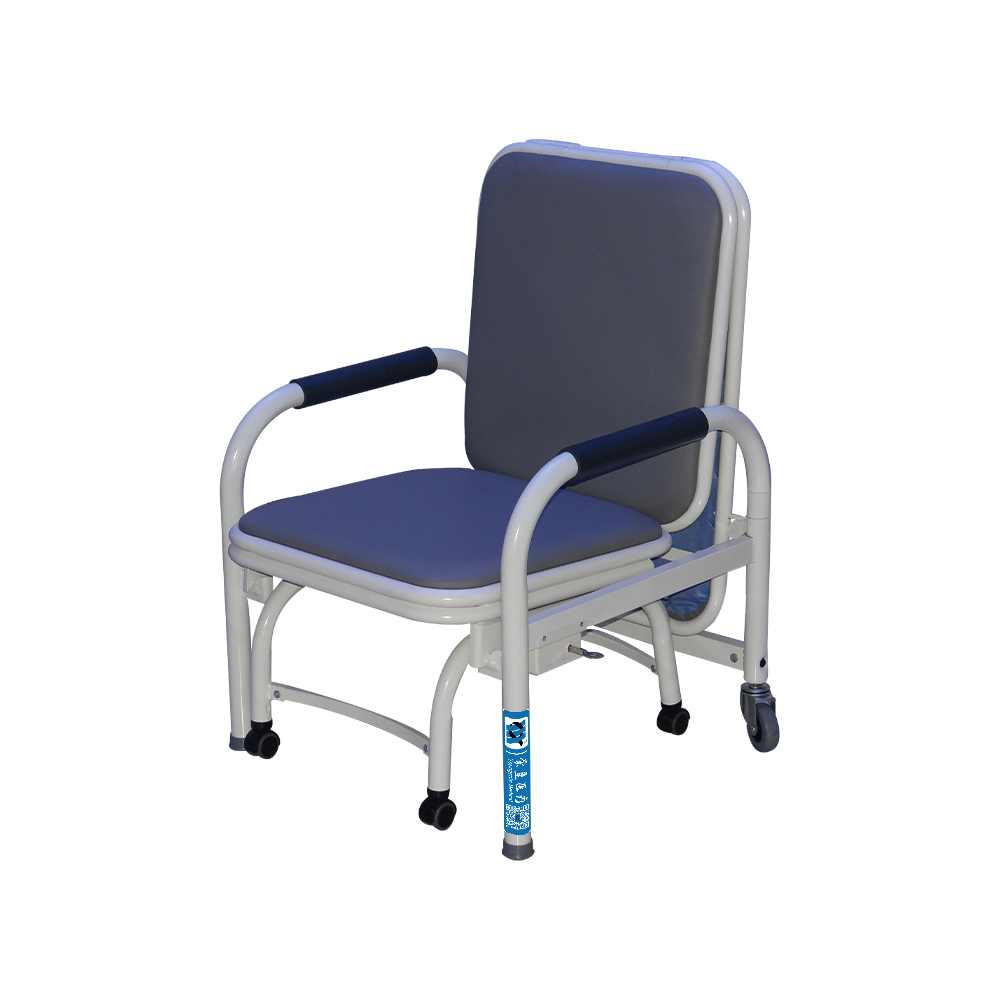
  • Medical Chair Medical Chair
    A medical chair is a broad category of specialized seating designed to support patient care, enhance clinical efficiency, and improve comfort in healthcare environments. Unlike standard furniture, these chairs are engineered to meet specific medical needs for both patients and practitioners. The category includes examination and treatment chairs (such as those used in dialysis, infusion therapy, or geriatric care), which prioritize patient positioning, pressure relief, and accessibility for medical staff. Waiting chairs are designed for durability and hygiene in high-traffic areas, often featuring easy-to-clean materials. Additionally, accompanier’s chairs and nurse stools provide essential, space-efficient seating for caregivers and staff within patient rooms or at workstations. Key features often include mobility via casters, hydraulic or electric height adjustment, stain-resistant upholstery, and ergonomic support for extended procedures. Ultimately, medical chairs bridge the gap between clinical functionality and patient dignity, facilitating treatment while reducing physical strain on both the patient and the healthcare provider.
    Medical Chair
    A medical chair is a broad category of specialized seating designed to support patient care, enhance clinical efficiency, and improve comfort in healthcare environments. Unlike standard furniture, these chairs are engineered to meet specific medical needs for both patients and practitioners. The category includes examination and treatment chairs (such as those used in dialysis, infusion therapy, or geriatric care), which prioritize patient positioning, pressure relief, and accessibility for medical staff. Waiting chairs are designed for durability and hygiene in high-traffic areas, often featuring easy-to-clean materials. Additionally, accompanier’s chairs and nurse stools provide essential, space-efficient seating for caregivers and staff within patient rooms or at workstations. Key features often include mobility via casters, hydraulic or electric height adjustment, stain-resistant upholstery, and ergonomic support for extended procedures. Ultimately, medical chairs bridge the gap between clinical functionality and patient dignity, facilitating treatment while reducing physical strain on both the patient and the healthcare provider.
    View More Medical Chair
  • Wheelchair Wheelchair
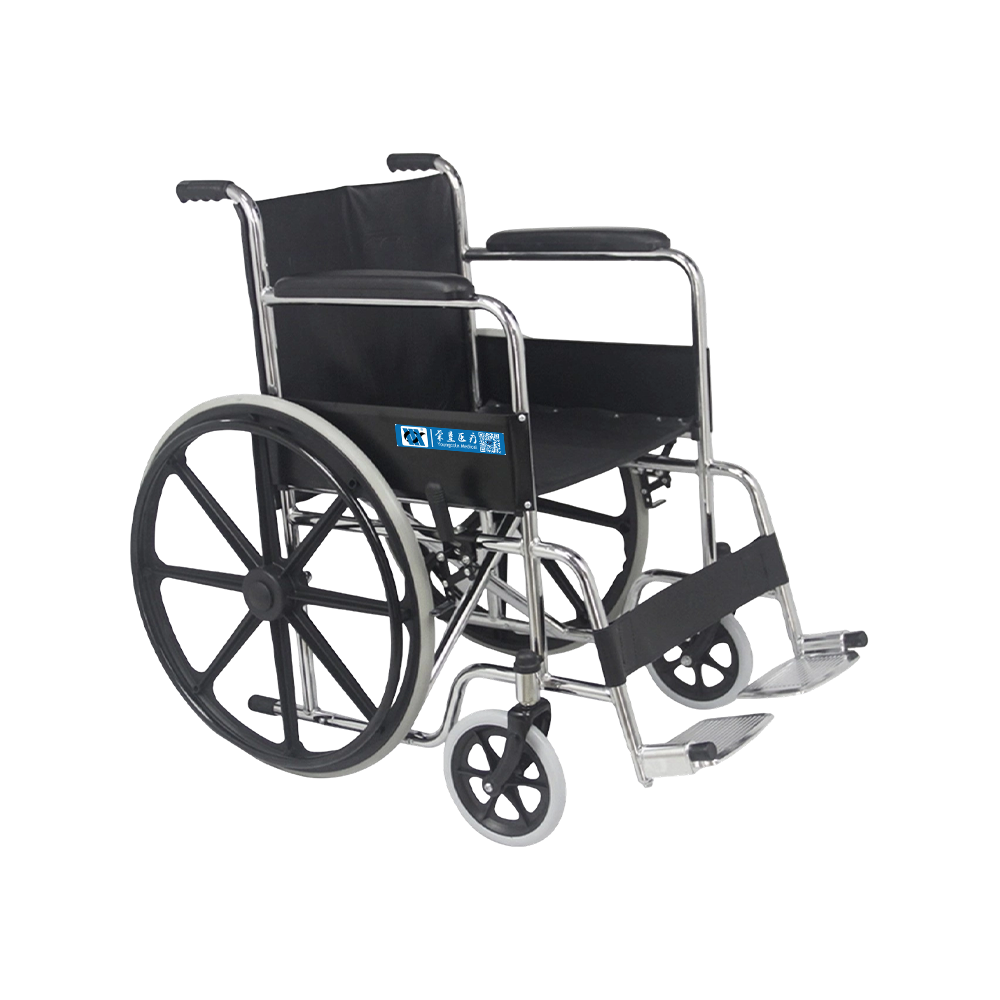
    The Wheelchair category encompasses a range of essential mobility aids designed to support individuals with limited or impaired mobility. While the term often brings to mind traditional seating, this category is broader, including devices for both movement and personal care. Manual Wheelchairs are lightweight, self-propelled or attendant-propelled chairs ideal for users with good upper body strength or those who require a reliable, low-maintenance option for daily use. Power Wheelchairs are battery-operated and designed for individuals who need assistance with longer distances or have limited stamina or strength to self-propel. They offer enhanced independence with joystick controls and customizable seating. Shower Chairs and Commodes are waterproof or transfer aids focused on safety and hygiene. They provide a stable, secure seat for bathing or toileting, reducing the risk of falls in wet or confined areas. Walking Aids, such as rollators and transport chairs, bridge the gap between full wheelchair dependence and independent walking, offering support and balance for those who can stand but tire easily. Together, these products are designed to improve quality of life by restoring mobility, ensuring safety, and promoting dignity in everyday activities, from navigating the community to maintaining personal hygiene.
    Wheelchair
    The Wheelchair category encompasses a range of essential mobility aids designed to support individuals with limited or impaired mobility. While the term often brings to mind traditional seating, this category is broader, including devices for both movement and personal care. Manual Wheelchairs are lightweight, self-propelled or attendant-propelled chairs ideal for users with good upper body strength or those who require a reliable, low-maintenance option for daily use. Power Wheelchairs are battery-operated and designed for individuals who need assistance with longer distances or have limited stamina or strength to self-propel. They offer enhanced independence with joystick controls and customizable seating. Shower Chairs and Commodes are waterproof or transfer aids focused on safety and hygiene. They provide a stable, secure seat for bathing or toileting, reducing the risk of falls in wet or confined areas. Walking Aids, such as rollators and transport chairs, bridge the gap between full wheelchair dependence and independent walking, offering support and balance for those who can stand but tire easily. Together, these products are designed to improve quality of life by restoring mobility, ensuring safety, and promoting dignity in everyday activities, from navigating the community to maintaining personal hygiene.
    View More Wheelchair
  • Hospital Ward Furniture Hospital Ward Furniture
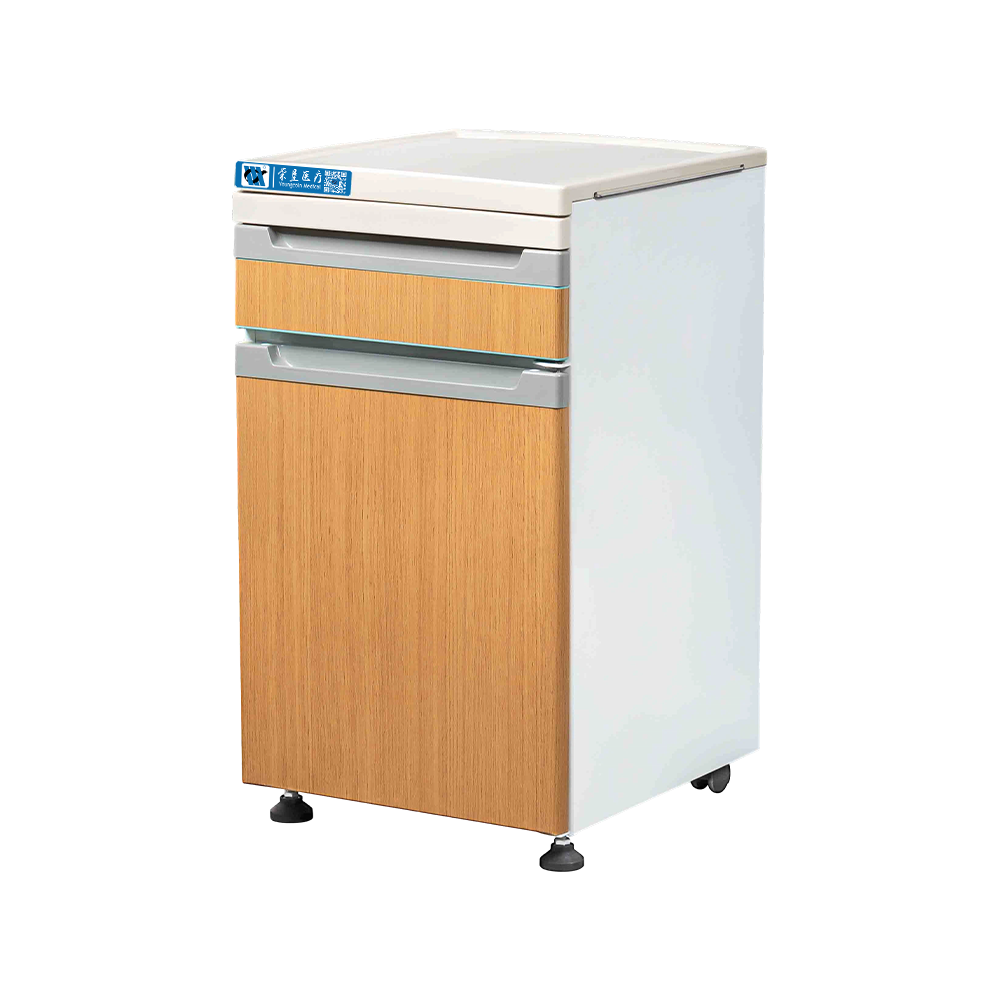
    Hospital Ward Furniture encompasses a range of specialized equipment designed to support patient care, recovery, and comfort, while also facilitating the work of medical staff within a clinical environment. Each piece serves a distinct functional purpose. The Hospital Bed is the central element, engineered for adjustability to enhance patient comfort and allow for essential medical positioning. It is typically paired with a pressure-redistributing Hospital Bed Mattress to help prevent bedsores during extended stays. Adjacent to the bed, the Bedside Cabinet provides secure, hygienic storage for personal items and medical supplies, keeping necessities within the patient's reach. The Over-bed Table is a mobile surface that can be positioned over the bed or chair, allowing patients to eat, read, or use personal devices comfortably. For administering medication or fluids, the IV Stand (or pole) is an essential, portable piece that securely holds intravenous bags. Finally, a Ward Screen offers portable privacy for patients during examinations or procedures within a shared space, helping to maintain dignity in a multi-bed ward. Together, these items form a cohesive set of furniture that prioritizes patient safety, infection control, and the efficient delivery of healthcare.
    Hospital Ward Furniture
    Hospital Ward Furniture encompasses a range of specialized equipment designed to support patient care, recovery, and comfort, while also facilitating the work of medical staff within a clinical environment. Each piece serves a distinct functional purpose. The Hospital Bed is the central element, engineered for adjustability to enhance patient comfort and allow for essential medical positioning. It is typically paired with a pressure-redistributing Hospital Bed Mattress to help prevent bedsores during extended stays. Adjacent to the bed, the Bedside Cabinet provides secure, hygienic storage for personal items and medical supplies, keeping necessities within the patient's reach. The Over-bed Table is a mobile surface that can be positioned over the bed or chair, allowing patients to eat, read, or use personal devices comfortably. For administering medication or fluids, the IV Stand (or pole) is an essential, portable piece that securely holds intravenous bags. Finally, a Ward Screen offers portable privacy for patients during examinations or procedures within a shared space, helping to maintain dignity in a multi-bed ward. Together, these items form a cohesive set of furniture that prioritizes patient safety, infection control, and the efficient delivery of healthcare.
    View More Hospital Ward Furniture
  • Optional Accessories Optional Accessories
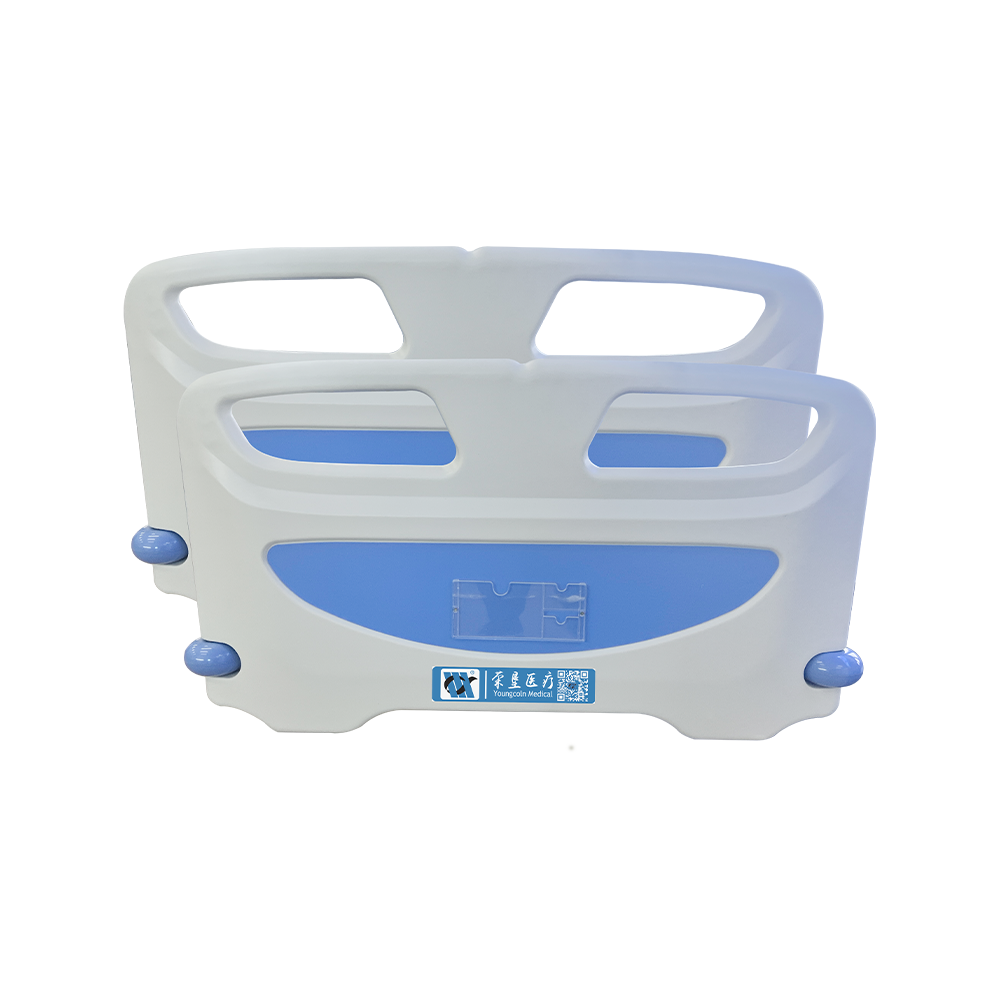
    This category, Optional Accessories, encompasses a range of add-on components designed to enhance the functionality, safety, and comfort of primary medical equipment, such as hospital beds or patient mobility aids. These items are not standalone products but are intended to customize a base unit to meet specific user needs or medical requirements. The Headboard provides a sturdy and often aesthetic finish to a bed frame, offering support and helping to keep bedding in place. For safety and patient independence, Guardrails (also known as side rails) and Hospital Handrails are crucial. They provide secure handholds for repositioning in bed or steady support while transferring, significantly reducing the risk of falls. Similarly, Casters or Medical Casters are specialized wheels that allow for smooth, quiet, and controlled mobility of heavy equipment, often featuring locking mechanisms to ensure stability when the equipment must remain stationary. Finally, a Self-Help Pole, typically a floor-to-ceiling pole with a clamp-on handle, assists users in safely getting in and out of bed or changing positions by offering a reliable grip point. Together, these accessories allow for a tailored setup that prioritizes user safety, caregiver convenience, and long-term usability, adapting standard equipment to the unique challenges of a home care or clinical environment.
    Optional Accessories
    This category, Optional Accessories, encompasses a range of add-on components designed to enhance the functionality, safety, and comfort of primary medical equipment, such as hospital beds or patient mobility aids. These items are not standalone products but are intended to customize a base unit to meet specific user needs or medical requirements. The Headboard provides a sturdy and often aesthetic finish to a bed frame, offering support and helping to keep bedding in place. For safety and patient independence, Guardrails (also known as side rails) and Hospital Handrails are crucial. They provide secure handholds for repositioning in bed or steady support while transferring, significantly reducing the risk of falls. Similarly, Casters or Medical Casters are specialized wheels that allow for smooth, quiet, and controlled mobility of heavy equipment, often featuring locking mechanisms to ensure stability when the equipment must remain stationary. Finally, a Self-Help Pole, typically a floor-to-ceiling pole with a clamp-on handle, assists users in safely getting in and out of bed or changing positions by offering a reliable grip point. Together, these accessories allow for a tailored setup that prioritizes user safety, caregiver convenience, and long-term usability, adapting standard equipment to the unique challenges of a home care or clinical environment.
    View More Optional Accessories
  • Customized Products Customized Products
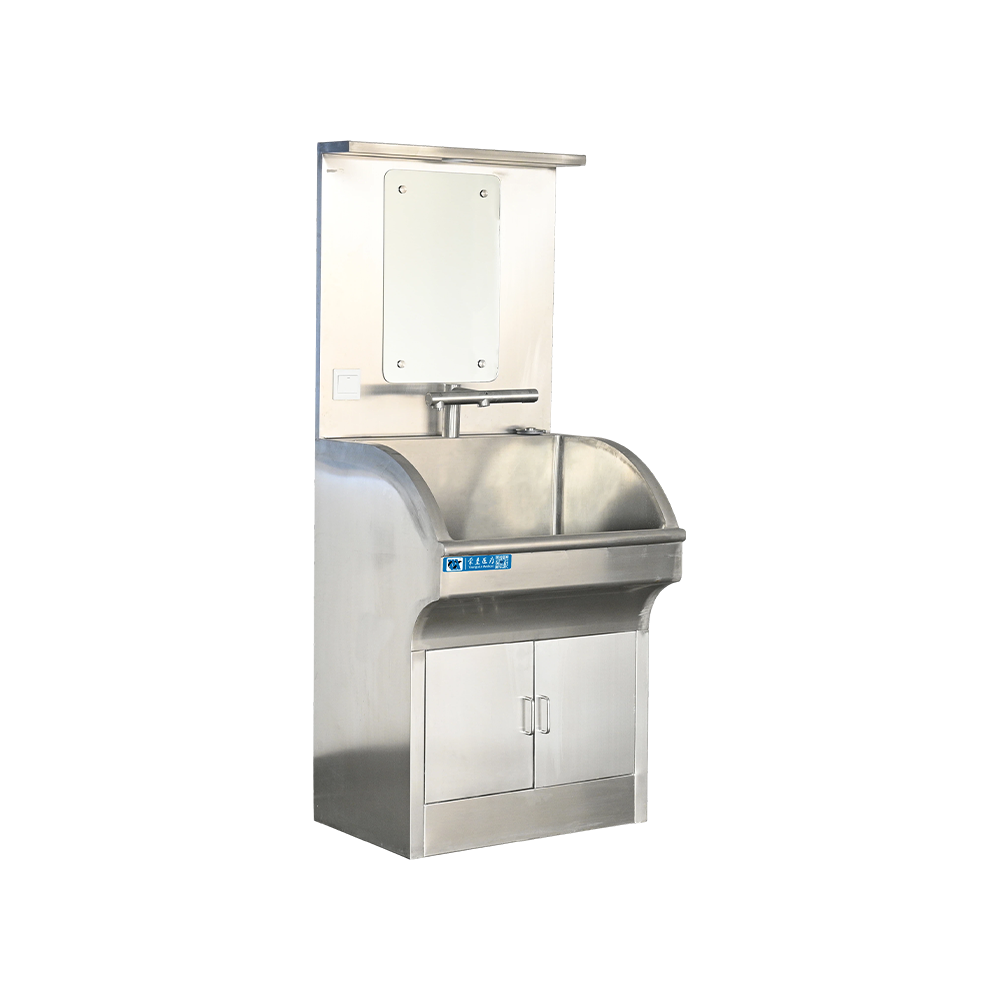
    In our Customized Products, you will find items like the Stainless Steel Cabinet and Surgical Scrub Sink, which are designed to meet specific operational requirements rather than generic, off-the-shelf standards. The primary relevance of this category to you lies in its flexibility. Unlike mass-produced alternatives, these products are tailored to fit your unique spatial dimensions, workflow needs, and functional preferences. When you choose a customized solution, you are not just purchasing a piece of equipment; you are investing in a perfect fit for your environment. For instance, a standard cabinet may not utilize your available space efficiently, but a custom stainless steel unit can be fabricated to maximize storage in an awkward corner. Similarly, a Surgical Scrub Sink can be adjusted for the correct number of stations, sensor placement, and back-splash height to comply with medical facility protocols. This approach ensures that the end product integrates seamlessly into your operations, enhancing both efficiency and durability without the compromise of one-size-fits-all manufacturing. It puts the control of the final design in your hands, ensuring the result is as practical as it is purpose-built.
    Customized Products
    In our Customized Products, you will find items like the Stainless Steel Cabinet and Surgical Scrub Sink, which are designed to meet specific operational requirements rather than generic, off-the-shelf standards. The primary relevance of this category to you lies in its flexibility. Unlike mass-produced alternatives, these products are tailored to fit your unique spatial dimensions, workflow needs, and functional preferences. When you choose a customized solution, you are not just purchasing a piece of equipment; you are investing in a perfect fit for your environment. For instance, a standard cabinet may not utilize your available space efficiently, but a custom stainless steel unit can be fabricated to maximize storage in an awkward corner. Similarly, a Surgical Scrub Sink can be adjusted for the correct number of stations, sensor placement, and back-splash height to comply with medical facility protocols. This approach ensures that the end product integrates seamlessly into your operations, enhancing both efficiency and durability without the compromise of one-size-fits-all manufacturing. It puts the control of the final design in your hands, ensuring the result is as practical as it is purpose-built.
    View More Customized Products
About Us
A System Behind Every Delivery Since 2008

Jiangsu Youngcoln Medical Co., Ltd.

is an integrated manufacturer and exporter specializing in hospital furniture and medical equipment. We focus on hospital beds, emergency stretchers, and operating tables, delivering reliable supply, flexible configurations, and customization support for distributors and project customers. With standardized manufacturing and a robust quality management system, we are committed to providing dependable products and consistent service to global partners.
Jiangsu Youngcoln Medical Co., Ltd.
  • Jiangsu Youngcoln Medical Co., Ltd.
    7500+
    Factory Area
  • Jiangsu Youngcoln Medical Co., Ltd.
    100+
    Team Members
  • Jiangsu Youngcoln Medical Co., Ltd.
    85%
    Export Ratio
  • Jiangsu Youngcoln Medical Co., Ltd.
    90+ Countries
    Global Markets
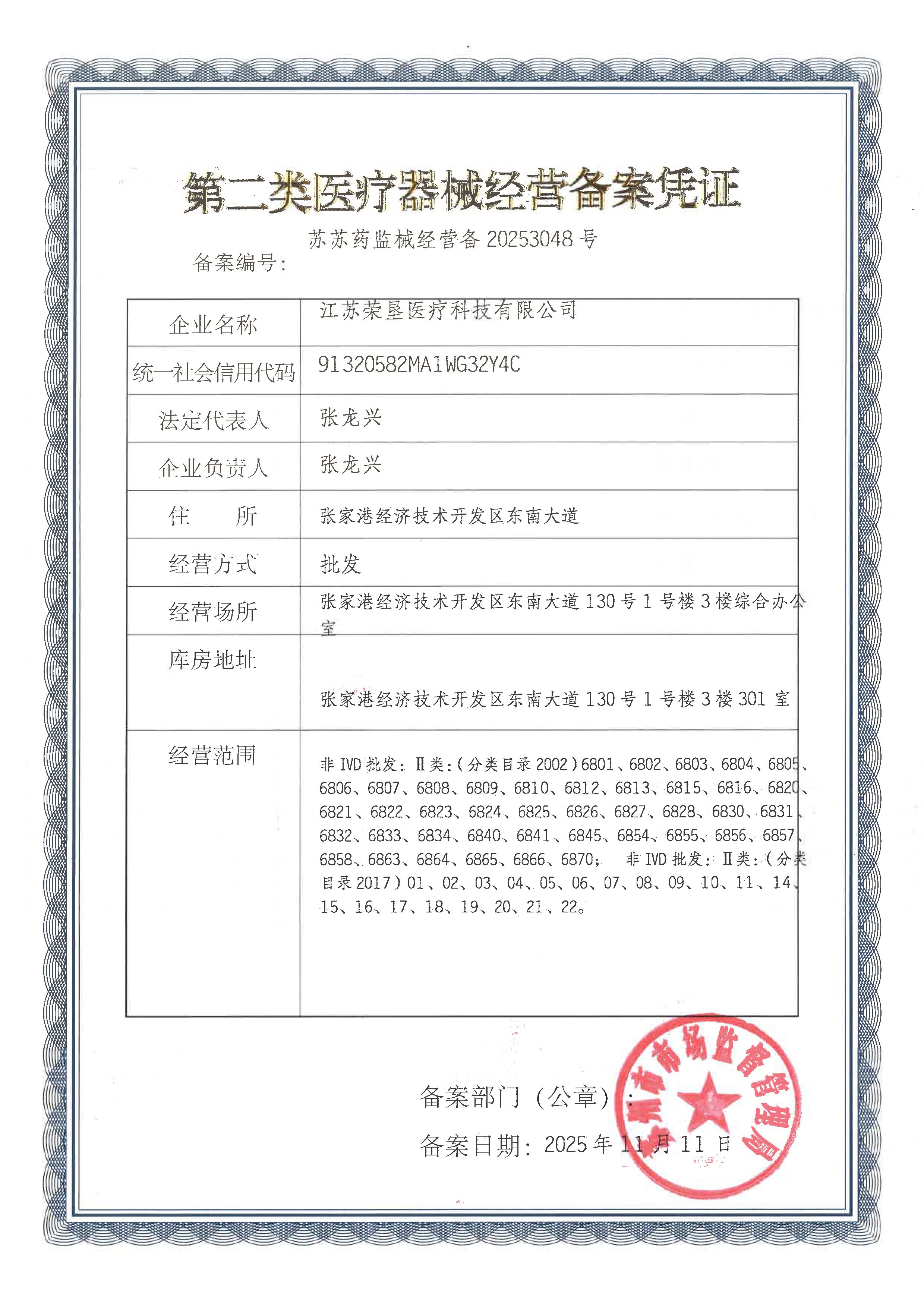
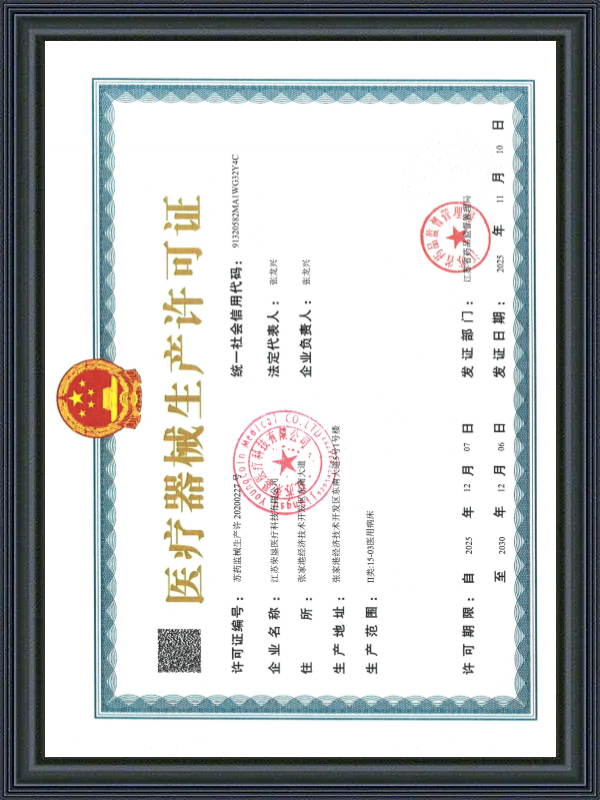
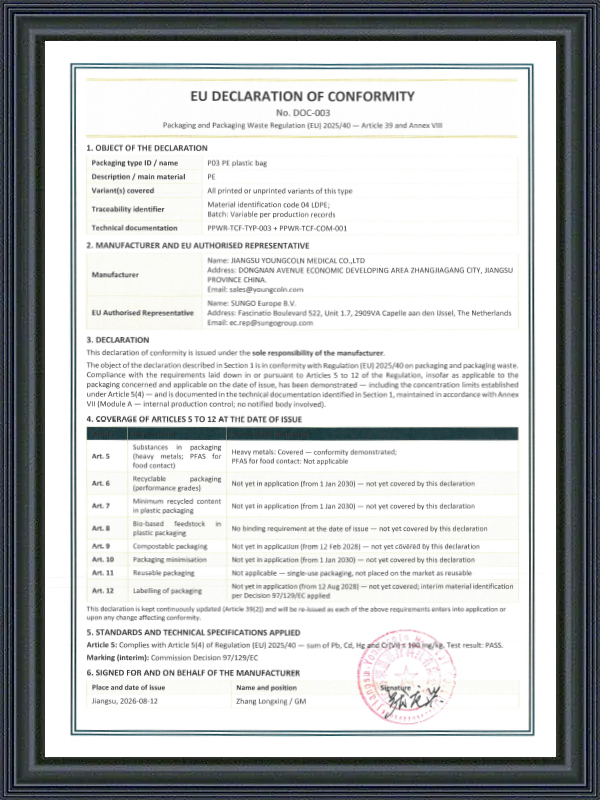
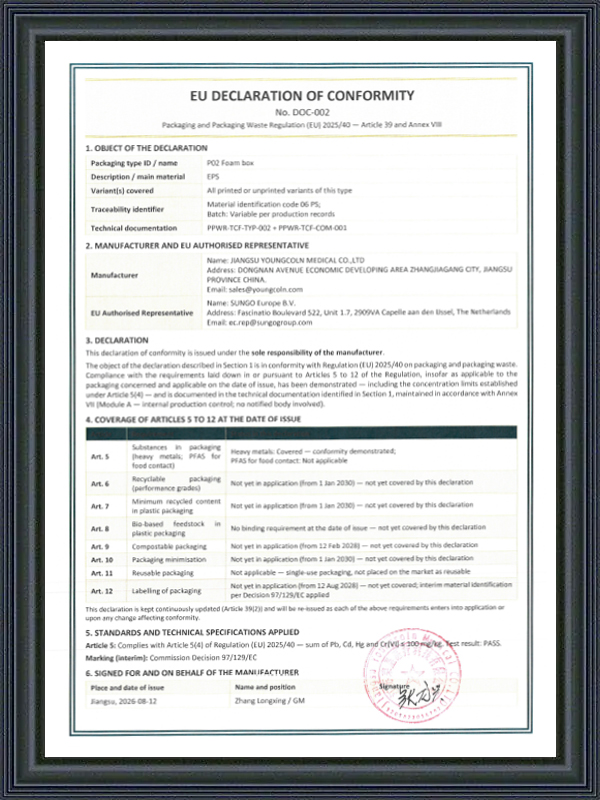
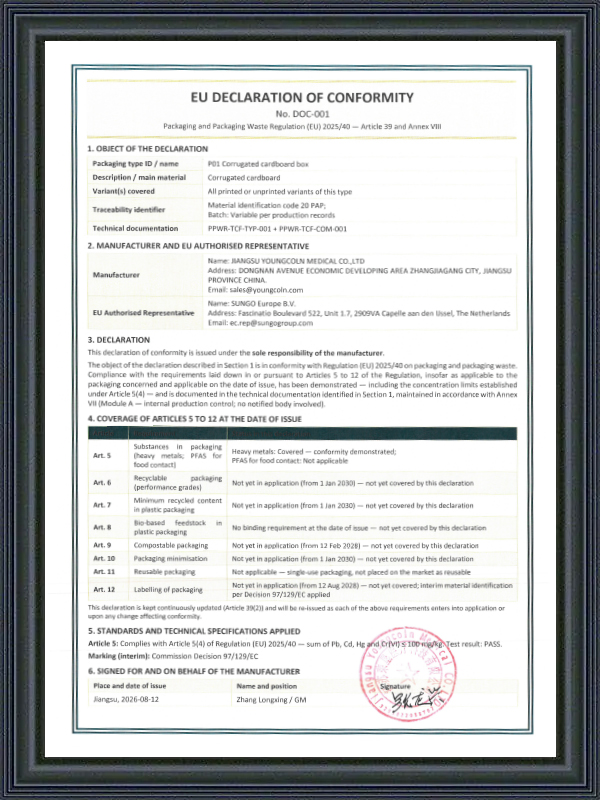
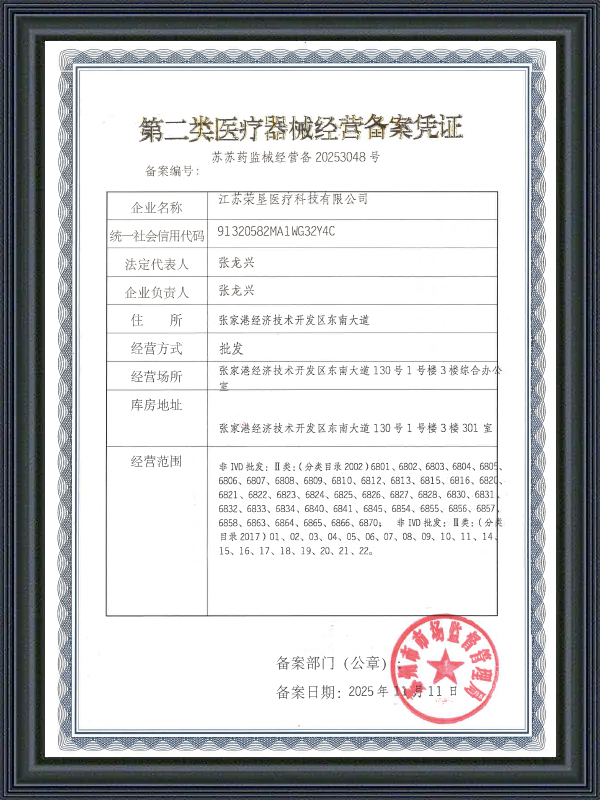
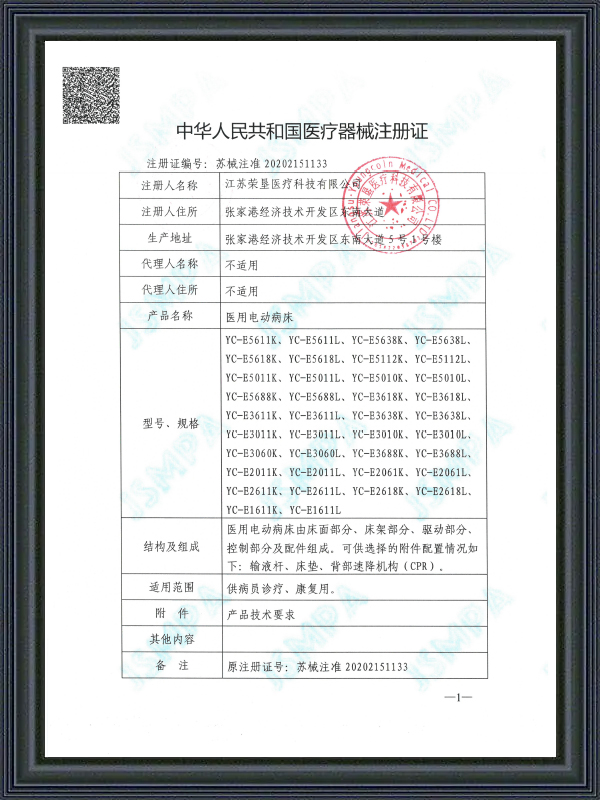
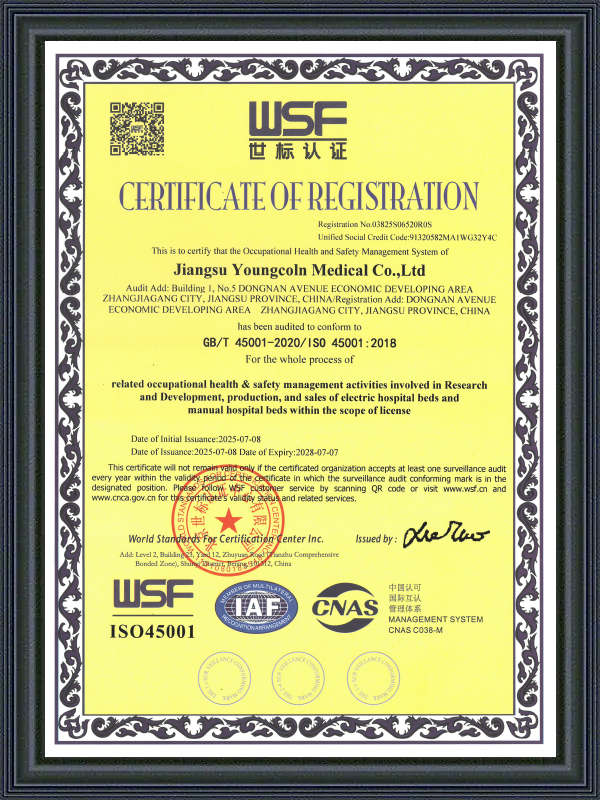
Certificates
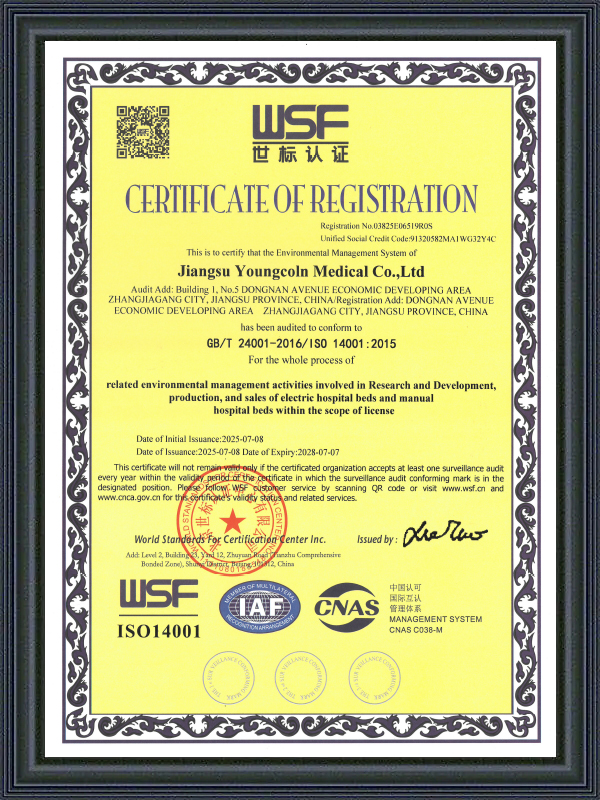
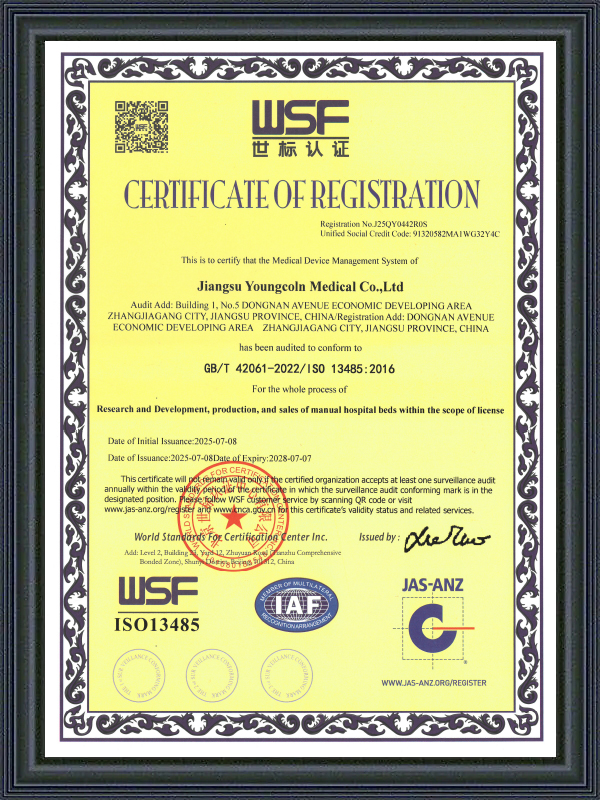
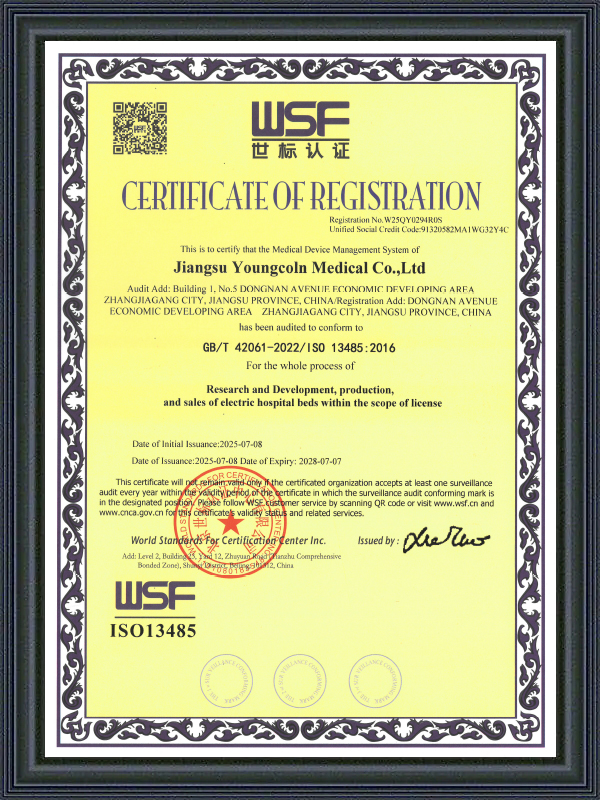
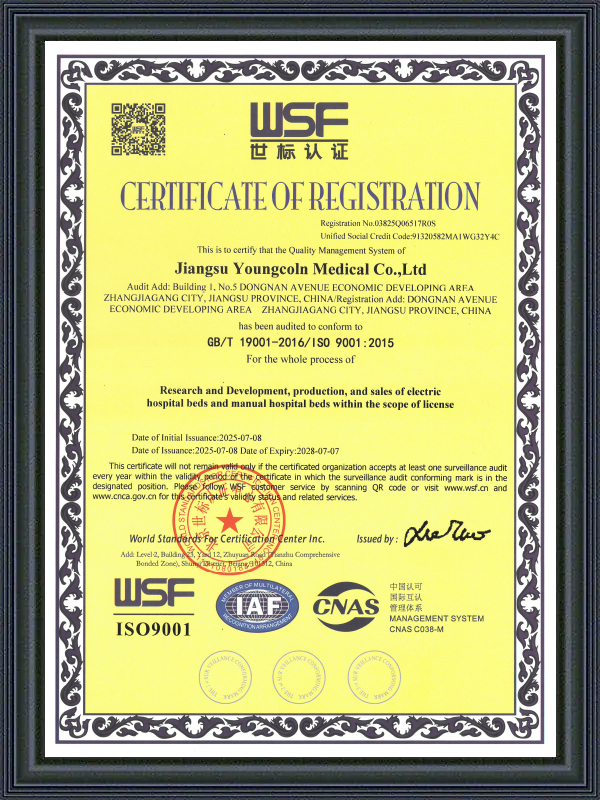
Compliance You Can Count On
Complete quality systems and certification documentation for confident sourcing and smoother project execution.

News
Stay Up To
Date With Our Latest Company News and Exhibitions
Driven by professionalism and a commitment to quality, we strive for continuous growth to be your trusted long-term partner.
  • WHX WORLD HEALTH EXPO / Arab Health 2027 Dubai, United Arab Emirates
    Participated in the 2027 Arab Health in Dubai, UAE on 25-28, January. 2027 our booth number is Hall N-N#. We Youngcoln Medical will attend the Arab Health 2027 Expo in Dubai, the hottest healthcare expo worldwide. We warmly welcome partners and friends to visit our booth for sample checking and detailed discussion. This is a great opportunity to connect with our team and explore innovative solutions that improve patient care and comfort. We look forward to seeing you in Dubai! Meet us at the Arab Health / WHX 2027 Booth: Hall N-N# Date: 25-28, Jan, 2027 Venue: Dubai Exhibition Centre, Expo City Expo Road, Dubai South, Jebel Ali, Dubai, United Arab Emirates
    Jiangsu Youngcoln Medical Co., Ltd. 2026.08.11
    Jiangsu Youngcoln Medical Co., Ltd. Industry News
  • Medica 2026 Duesseldorf, Germany
    Participated in the 2026 Medica in Duesseldorf, Germany on 16-19, November. 2026 our booth number:71B02-1 Youngcoln Medical is pleased to announce that we will participate in Medica 2026, one of the largest medical equipment exhibitions in Europe. We warmly invite our partners, distributors, and healthcare professionals to visit us at Booth H7.1#. During the exhibition, Youngcoln Medical will showcase a range of hospital equipment and medical solutions designed to improve clinical efficiency and patient comfort. This will be a great opportunity to explore our latest products, exchange ideas, and discuss potential cooperation. Booth:71B02-1 Date: November, 16–19, 2026 Venue: Messe Düsseldorf, Düsseldorf, Germany
    Jiangsu Youngcoln Medical Co., Ltd. 2026.08.11
    Jiangsu Youngcoln Medical Co., Ltd. Industry News
  • Arab Health 2026 Dubai, United Arab Emirates
    Participated in the 2026 Arab Health in Dubai, UAE on 09-12, February. 2026 our booth number is Hall N-N35.C10.
    Jiangsu Youngcoln Medical Co., Ltd. 2026.08.11
    Jiangsu Youngcoln Medical Co., Ltd. Industry News
  • Medical Fair Thailand 2025, Bangkok, Thailand
    Participated in the 2025 Medical Fair Thailand in Bangkok on 13-15, September. 2025 our booth number is X24. Bangkok International Trade & Exhibition Centre (BITEC).
    Jiangsu Youngcoln Medical Co., Ltd. 2026.08.11
    Jiangsu Youngcoln Medical Co., Ltd. Industry News
  • APHM(THIS)2025 Kuala Lumpur, Malaysia
    Participated in the THIS ASEAN 2025 in Kuala Lumpur, Malaysia on 09-11, June. 2025 our booth number is Hall R-RB50.
    Jiangsu Youngcoln Medical Co., Ltd. 2026.08.11
    Jiangsu Youngcoln Medical Co., Ltd. Industry News