

 English
 عربى
 Español
 中文简体



Medical Bed Positions Explained: Fowler's, Trendelenburg and Daily Bed Setup
Content
- 1 What "Bed Position" Actually Refers To
- 2 Common Medical Bed Positions and How the Bed Is Set
- 3 Why the Right Position Matters
- 4 How Bed Hardware Supports Each Position
- 5 Repositioning: How Often, and How to Do It Safely
- 6 Positioning Aids That Work With the Bed
- 7 Matching the Bed to the Care Setting
- 8 What to Check Before You Specify a Bed
- 9 A Practical Takeaway
Anyone who has spent a long shift at the bedside knows that "bed position" is shorthand for a surprising amount of clinical thinking. It covers the angle of the backrest, the lift under the knees, the height of the mattress above the floor, and sometimes the tilt of the whole sleeping platform. Change any one of those and you change how a patient breathes, how comfortably they eat, and how well their skin tolerates hours of pressure.
What follows is a plain-language walkthrough of the phrase as it is used in wards and care homes: the positions nurses reach for most, the anatomy of the bed that makes each one possible, and the small details worth checking before a bed is installed in a new room. These are the same questions hospitals and nursing homes raise with us when they plan a ward upgrade.
What "Bed Position" Actually Refers To
Two things are being described at once, and they only work together. The first is the configuration of the bed frame. The second is the alignment of the patient's body on top of it. A backrest raised to 45 degrees does very little for a patient who has slid down the mattress and is now folded at the hips, so the frame and the body have to be adjusted as a pair.
In practice, a modern hospital bed gives a caregiver five controls that matter:
- Backrest angle, usually anywhere from flat to roughly 70 to 80 degrees, which is the single biggest factor in breathing comfort and aspiration risk.
- Knee-break angle, the hinge under the thighs, raised 15 to 30 degrees to stop a patient creeping down the mattress.
- Platform tilt, known as Trendelenburg and reverse Trendelenburg, achieved by tilting the whole deck rather than folding it.
- Height adjustment, set to the caregiver's elbow for safe handling and dropped low when the patient is unattended.
- Optional surface functions such as lateral rotation or alternating pressure, which follow the frame and add to what positioning alone can achieve.
Common Medical Bed Positions and How the Bed Is Set
Most ward vocabulary comes down to a handful of named positions. The table below is a quick orientation for new staff, families, and anyone specifying equipment.
| Position | How the bed is set | Typical reasons |
|---|---|---|
| Supine (flat) | Backrest and knee-break flat, bed at working height | Baseline examination, sleep, immediate post-operative recovery |
| Semi-Fowler's | Backrest 30 to 45 degrees, knee-break slightly raised | Breathing difficulty, tube feeding, cardiac patients |
| High Fowler's | Backrest 60 to 90 degrees, knees flexed | Eating and drinking, severe breathlessness, orthopnoea |
| Trendelenburg | Whole platform tilted head-down 15 to 30 degrees | Hypotension, shock management, selected procedures |
| Reverse Trendelenburg | Whole platform tilted foot-down | Raised head without hip flexion, reflux, abdominal surgery |
| Lateral (side-lying) | Flat or slightly raised backrest, patient rolled onto one side with pillows | Pressure relief, back care, wound inspection |
| Sims' | Semi-prone left lateral, upper leg flexed forward | Rectal procedures, comfort for drowsy patients |
| Prone | Deck flat, patient on the abdomen with pressure protection | Respiratory failure protocols, certain spinal surgery |
Fowler's and semi-Fowler's
Easily the most used family of positions. Raising the head of the bed drops the diaphragm, improves lung volumes, and reduces the chance of stomach contents moving the wrong way. Semi-Fowler's is the everyday compromise for patients who cannot lie flat but should not sit fully upright for hours.
Trendelenburg and its reverse
These are whole-bed tilts, not folds, which is why they need a frame designed for the load. One caveat learned the hard way in many wards: a head-down tilt pushes abdominal contents toward the diaphragm and raises the risk of aspiration, so it is used briefly and with clear indication rather than as a default for low blood pressure.
Lateral and Sims'
Turning is the backbone of pressure injury prevention. A true lateral position with a 30-degree tilt and pillows supporting the upper leg keeps the hip from rolling back onto the sacrum, while Sims' remains useful for examinations and for patients who cannot lie fully on the side.
Why the Right Position Matters
Positioning is one of the few interventions that costs nothing but attention and pays back across almost every outcome on the ward:
- Pressure redistribution, since interface pressure over the sacrum and heels changes dramatically with angle.
- Better ventilation and easier secretion clearance for patients with respiratory compromise.
- Reduced aspiration risk during feeding and after sedation.
- Less shearing when the knee-break is used correctly, which protects skin and keeps the patient from sliding.
- Lower musculoskeletal strain for nurses, who can work at a comfortable height instead of reaching.
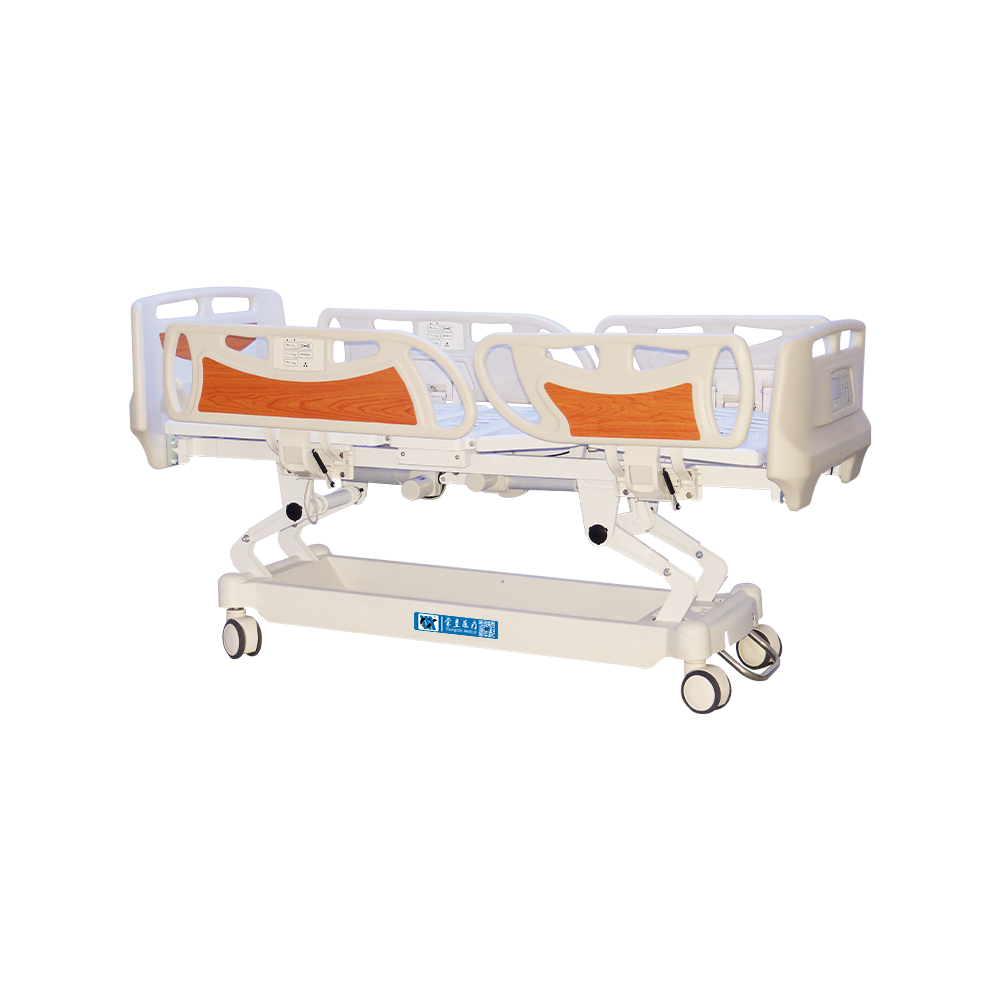 YC-E5638K(I) ICU Bed With Integrated Railing ControlsExplore this ICU bed for rail-integrated controls, four split drop-down side rails, auto-regress, angle indicators, and a 250 kg safe working load.View Product →
How Bed Hardware Supports Each Position
The quality of a position depends heavily on how controllable the frame is. A backrest driven by a linear actuator holds its angle under load and moves smoothly, which matters when a patient is in pain or attached to lines. A hand remote or a control integrated into the side rail lets a nurse fine-tune the angle without walking around the bed, and lets a conscious patient adjust their own comfort within safe limits.
Height adjustment deserves more credit than it usually gets. Setting the deck to the caregiver's elbow height turns a difficult transfer into a controlled one, and lowering the bed to its lowest setting when the patient is alone is one of the simplest fall-prevention measures available. On critical care beds, the same frame often adds a cardiac chair position and a rapid CPR release that flattens the deck in seconds.
Brakes and casters complete the picture. A four-caster bed with a central locking system stays exactly where it was positioned during a procedure, and directional lock keeps long corridors manageable during transport. For a closer look at how electric frames are configured and maintained day to day, see our electric hospital bed guide.
Repositioning: How Often, and How to Do It Safely
The usual teaching is every two hours for patients at high risk of pressure injury, adjusted for the individual, the surface they are on, and how well their skin is holding up. A pressure-redistributing mattress buys time, but it does not replace turning.
- Explain what you are about to do and check for lines, drains, and pain before you start.
- Lower the bed to a safe working height, apply the brakes, and lower the rail on the side you are working from.
- Flatten the backrest where the patient can tolerate it, then use a slide sheet rather than dragging.
- Turn the patient toward you with feet planted and knees bent, keeping the load close to your body.
- Place pillows to support the head, the upper leg, and the back so the position holds without effort.
- Raise the backrest to the ordered angle, restore the rails, and return the bed to the lowest safe height.
Positioning Aids That Work With the Bed
Accessories are not an afterthought; they are what turns a correct angle into a position that survives the next few hours.
- Mattresses: standard foam for low-risk patients, memory foam or raised-side designs for medium risk, and alternating pressure or air-loss systems for high-risk and immobile patients.
- Wedges and pillows for 30-degree lateral tilt, heel offloading, and head support.
- Side rails that adjust independently, chosen for the patient's cognition as much as for their mobility.
- A self-help pole or pull rope, which lets a stronger patient shift their own weight between scheduled turns.
- Overbed tables and bedside cabinets placed within reach, so the patient is not tempted to twist and reach for a drink.
YC-E3618K(II) 3-Function Electric Hospital BedA three-function electric bed with backrest, leg rest and height adjustment, Trendelenburg, remote control, auto-regress and auto-counter for flexible ward positioning.View Product →
Matching the Bed to the Care Setting
Critical care and high-dependency
These rooms need the full range: backrest and knee-break actuators, Trendelenburg and reverse Trendelenburg, a cardiac chair position, integrated rail controls, weight capacity for heavier patients, and a low deck height where falls are a concern.
General wards
Most medical and surgical wards do well with a three-function electric bed: height, backrest, and knee-break. It covers the positioning needs of the majority of patients, keeps manual handling comfortable for staff, and is simple enough that temporary staff can use it without training.
Home care and nursing homes
Here the priorities shift toward stability, quiet operation, and a familiar look. Two- and three-function beds with wooden headboards or a rotating function for patients who struggle to get out of bed often suit better than a fully featured ICU frame.
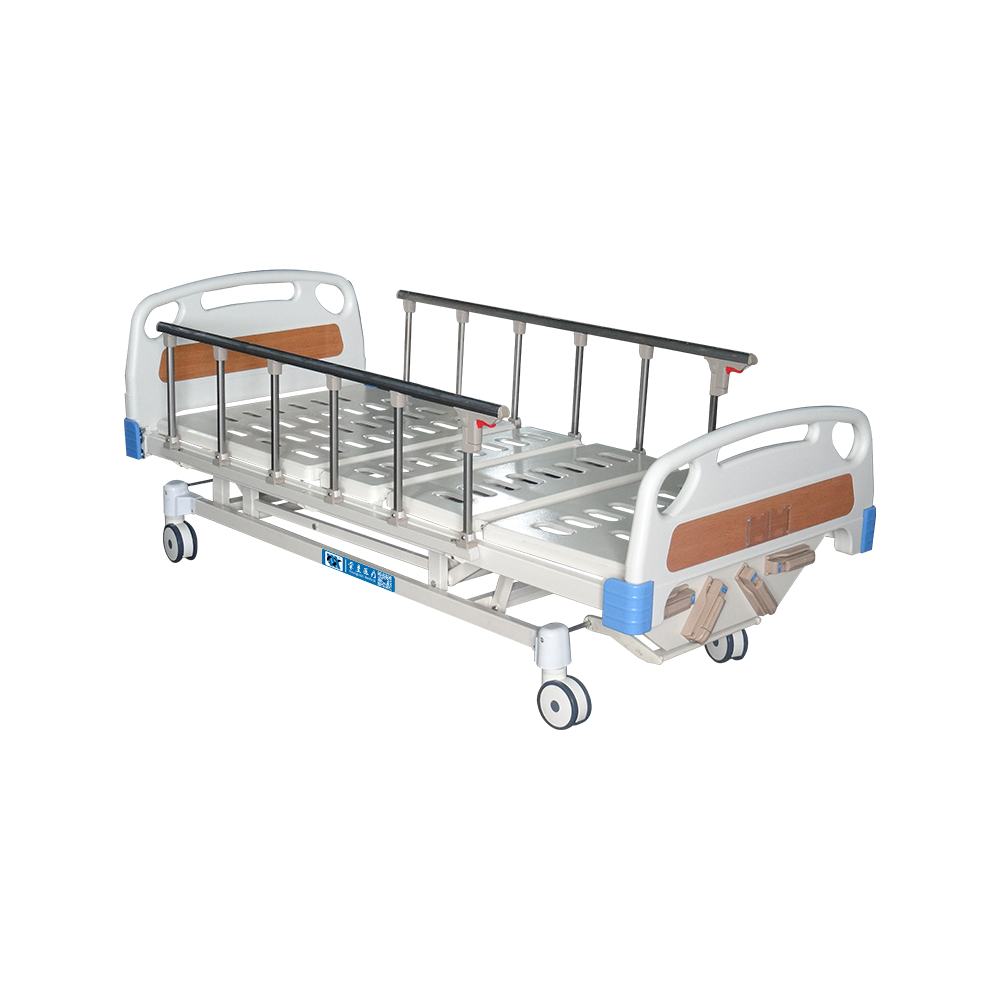 YC-T3611L(I) Manual Hospital Bed With Silent WheelsA three-function manual bed with hand cranks, collapsible railings and silent casters, suited to general wards needing dependable, low-maintenance positioning.View Product →
What to Check Before You Specify a Bed
When we talk through a project with a hospital or care home, the same handful of questions come up again and again. They are worth settling early.
- Which positions will actually be used on this ward, and does the frame reach those angles under load?
- What is the lowest and highest deck height, and does it fit both the tallest caregiver and the shortest patient?
- Where are the controls, and can a patient reach them safely from a lying position?
- Are the rail gaps and mattress fit within recognised entrapment guidance?
- How are the casters braked, and does the bed stay put during a lateral transfer?
- Is there a manual crank or battery backup for power interruptions?
- What is the rated load, including mattress and accessories?
Manual beds still earn their place in clinics, day units, and facilities where reliable mechanics matter more than electric convenience. For a simple three-crank frame with silent casters, the manual route remains a sound and durable choice.
A Practical Takeaway
Bed position is a small phrase for a large idea: the frame, the patient, and the surface all have to agree with each other. Get the angle right and the rest follows, from easier breathing and better eating to skin that stays intact through a long admission.
If you are planning a ward, a clinic, or a care home refurbishment, it helps to start from the positions your team uses most and work backwards to the frame. You are welcome to browse our hospital bed range or talk through a configuration with our team; the aim is simply a bed that holds the position your nurses ask for, quietly and for years.
Recommended Products
-
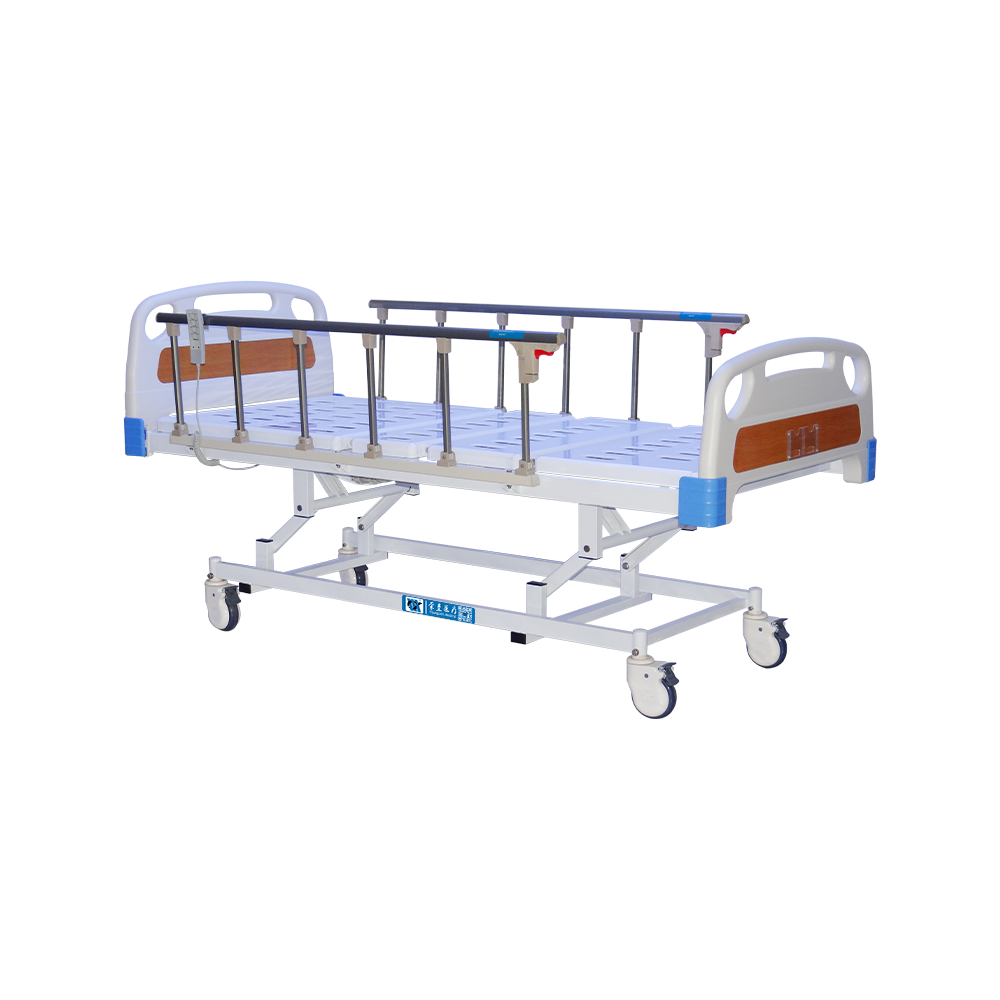

YC-E3611L(I) Ultra-Low Electric Hospital Bed With Hand Remote Control
-
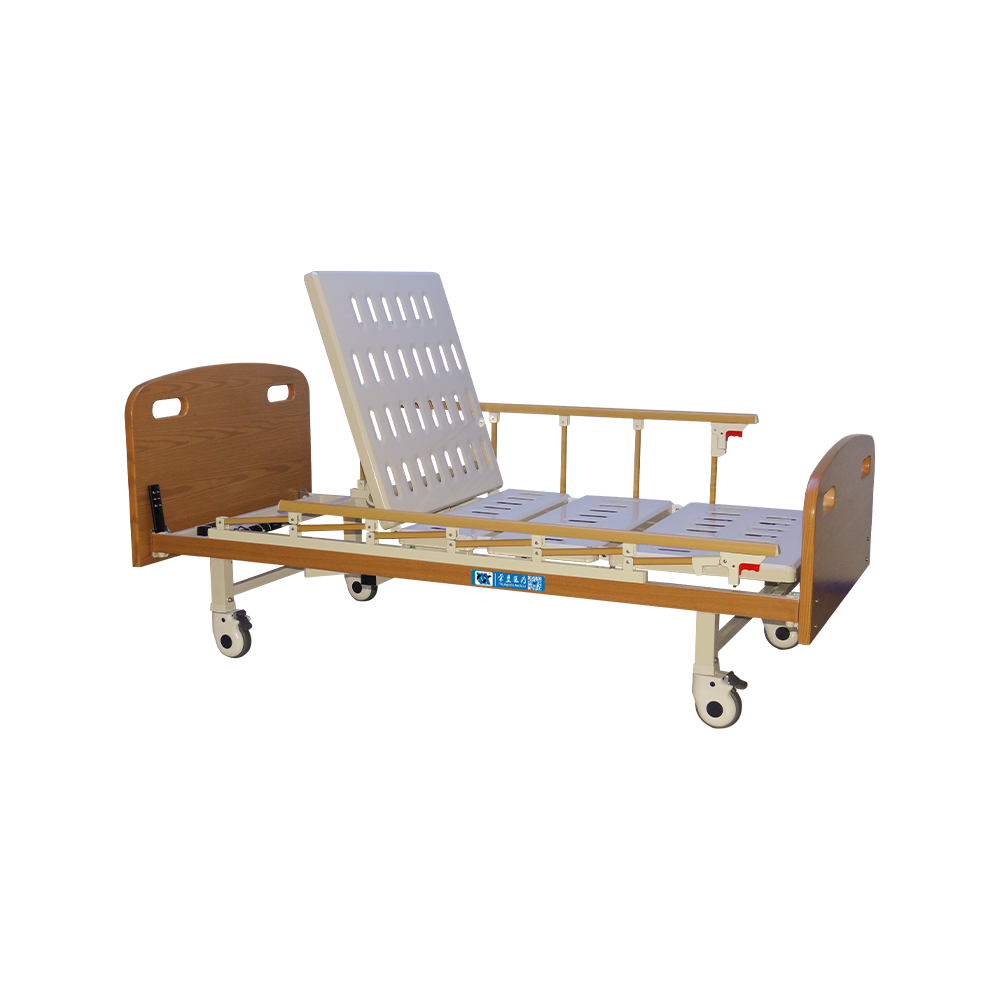
YC-E2611L(I) Electric Hospital Bed With Hand Remote Control
-
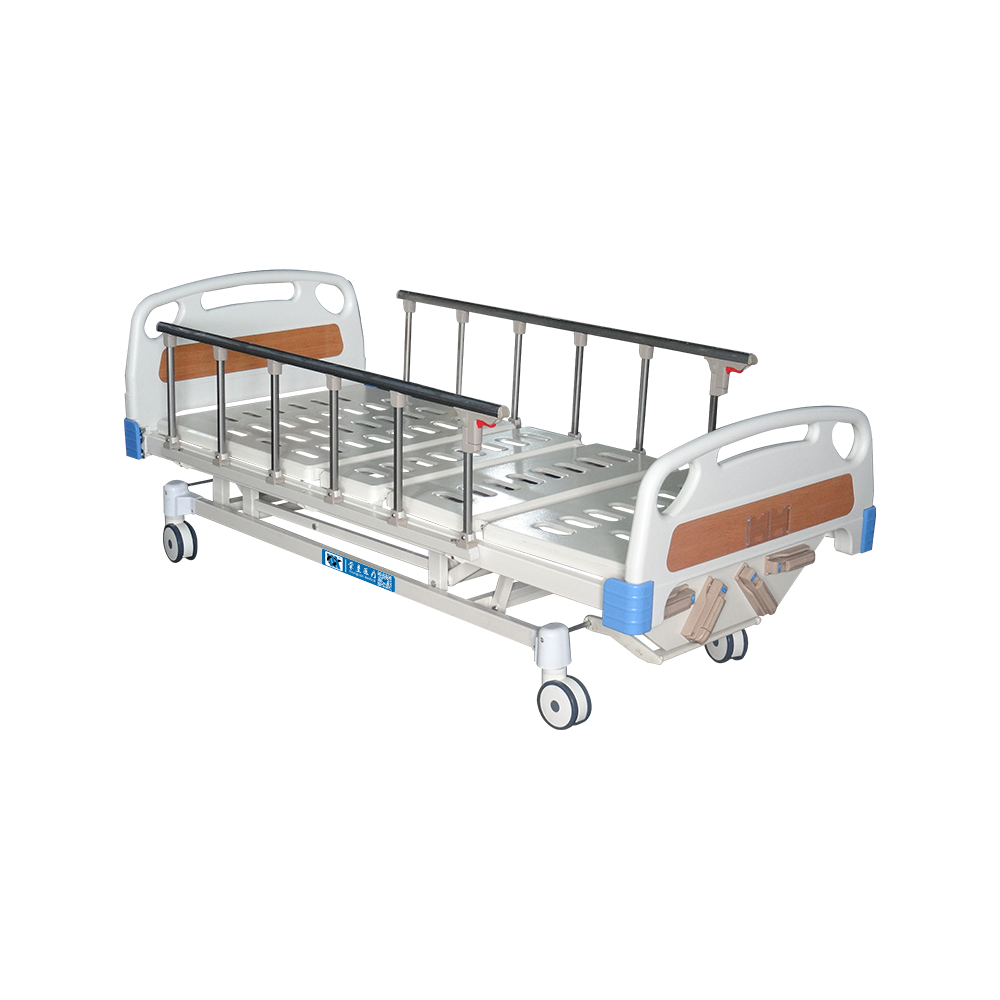
YC-T5611K Manual 4 Cranks low cost Hospital Bed
-
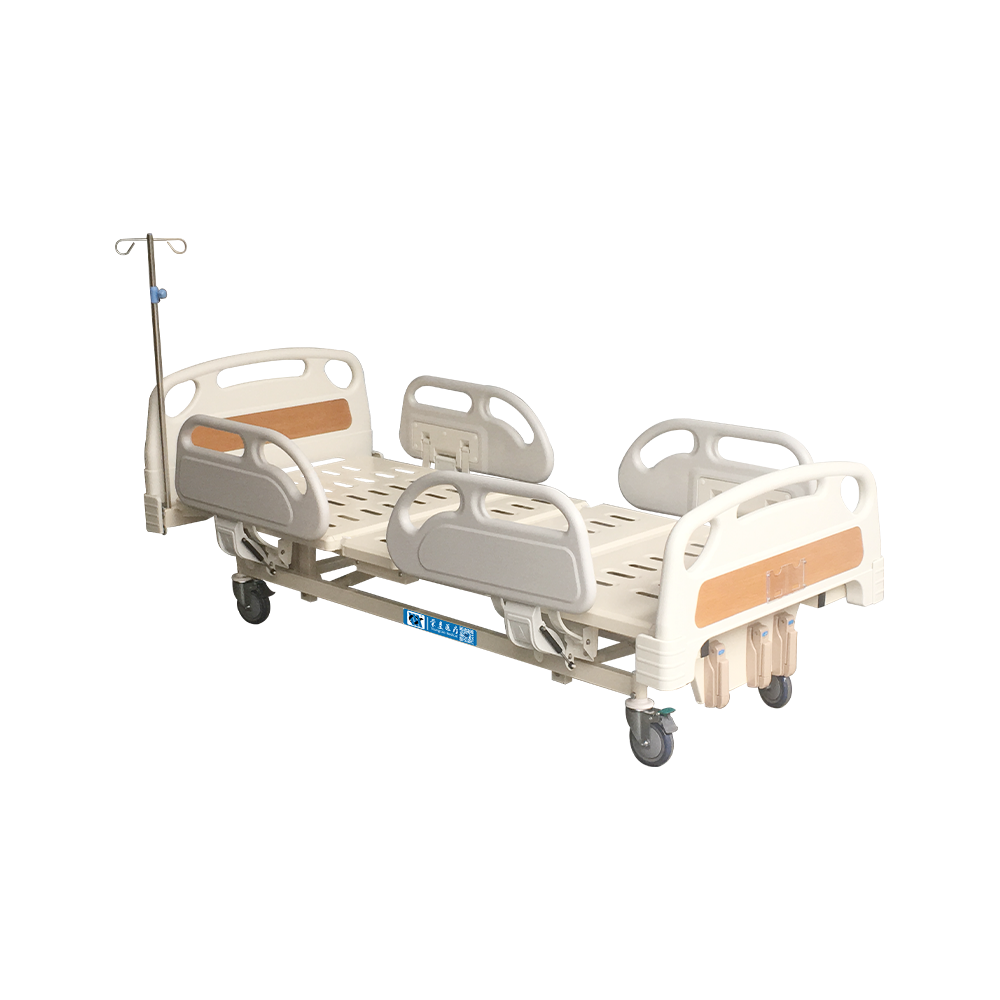
YC-T3618L anual Hospital Bed 3 Functions with Corner Bumper
-
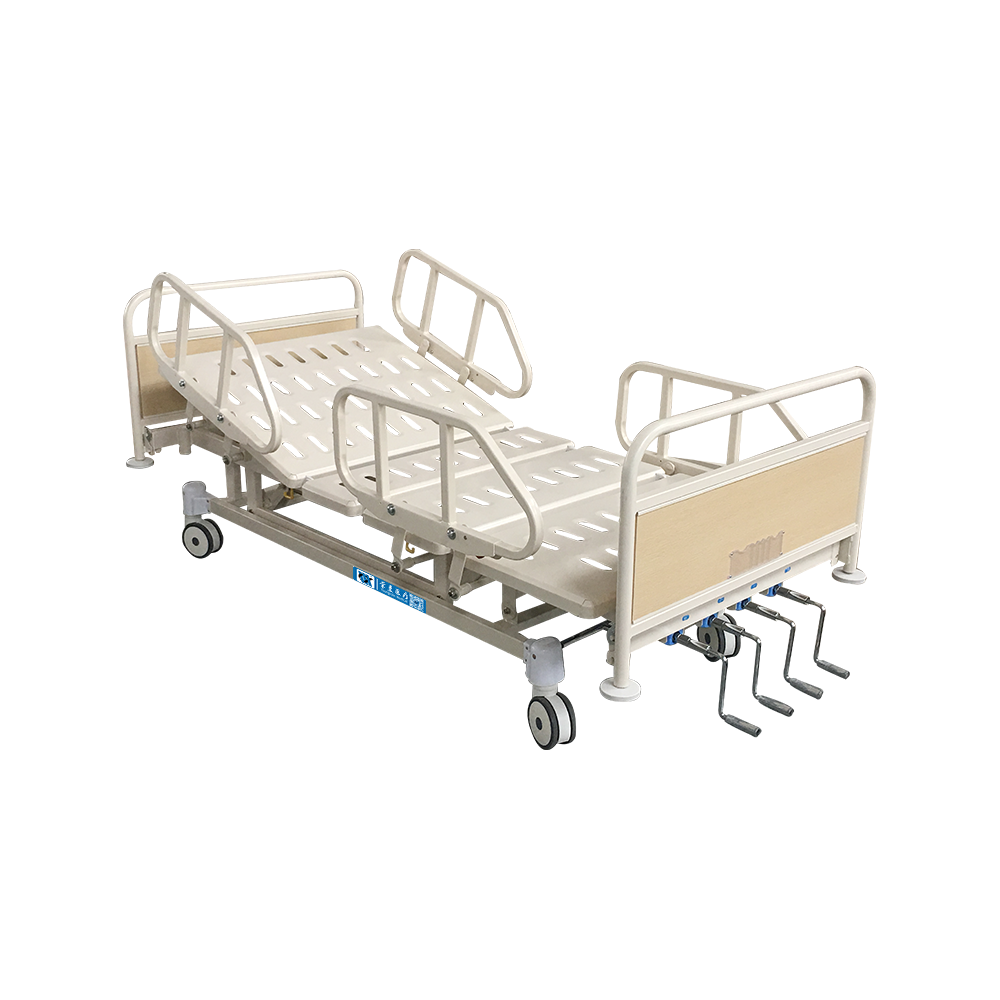
YC-T5111L 5 functional Manual 4 Cranks Hospital Bed
-
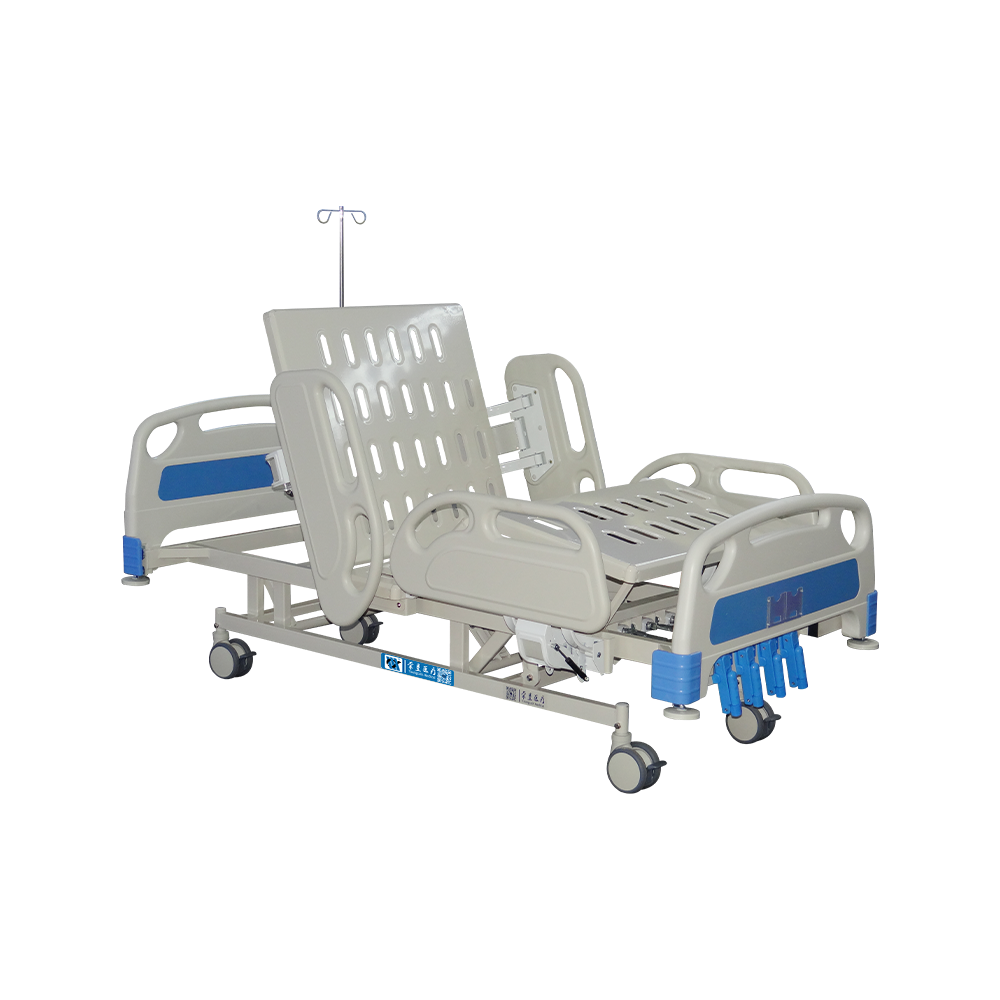
YC-T5618L Manual Hospital Bed 5 Functions with Corner Bumper
Recommended News

- QR CODE:
- OTHER LINKS:
- QUICK LINKS
- Home
- Products
- About Us
- Manufacturing
- Quality Assurance
- News
- Contact us
- PRODUCT CATEGORIES
- Hospital Bed
- Operating Tables
- Patient Transfer Trolley
- Medical Stretcher
- Medical Examination Couch
- Medical Carts
- Stainless Steel Medical Trolley
- Medical Chair
- Wheelchair
- Hospital Ward Furniture
- Optional Accessories
- Customized Products
-
 sales@youngcoln.com

-
PHONE
 +86-13913296627
+86-512-56951592
-
ADD
 No. 130 Southeast Avenue, Zhangjiagang Economic Development Zone, Suzhou, Jiangsu Province 215600, China


Approval No.: Jiangsu Medical Device Business Filing No. 20253048
