

 English
 عربى
 Español
 中文简体



Medical Stretcher Guide: Types, Selection Tips, and Safe Patient Handling
Content
- 1 What Counts as a Medical Stretcher
- 2 The Main Types and What Each One Is For
- 3 Matching the Stretcher to the Route, Not Just the Patient
- 4 Frames, Surfaces and Cleaning
- 5 Safety, Training and Daily Checks
- 6 A Practical Selection Checklist
- 7 How a Stretcher Fits the Wider Transfer Chain
- 8 Questions We Hear From Clinical Teams
A patient moves many times during a single stay: from the emergency entrance to the imaging department, from the ward to the operating theatre, from the recovery room back to bed. Each of those handovers depends on equipment that is quiet, predictable and ready when someone reaches for it. The medical stretcher sits at the centre of that chain, and getting the right one is less about glossy catalogues than about the corridors, lifts and ambulance bays it will actually travel through.
We build and supply patient-handling equipment for hospitals, clinics, care homes and distributors, and we have spent a lot of time listening to the people who push these devices at two in the morning. The notes below gather what tends to matter most when a team is choosing a stretcher, from frame type to the checks that keep it serviceable.
What Counts as a Medical Stretcher
Broadly speaking, a medical stretcher is a device that gives a patient a flat, supportive surface while they are carried or wheeled from one place to another. It is used when walking is not an option, whether because of injury, sedation, surgery or general weakness. Unlike a hospital bed, it is not designed for long stays; it is designed for movement.
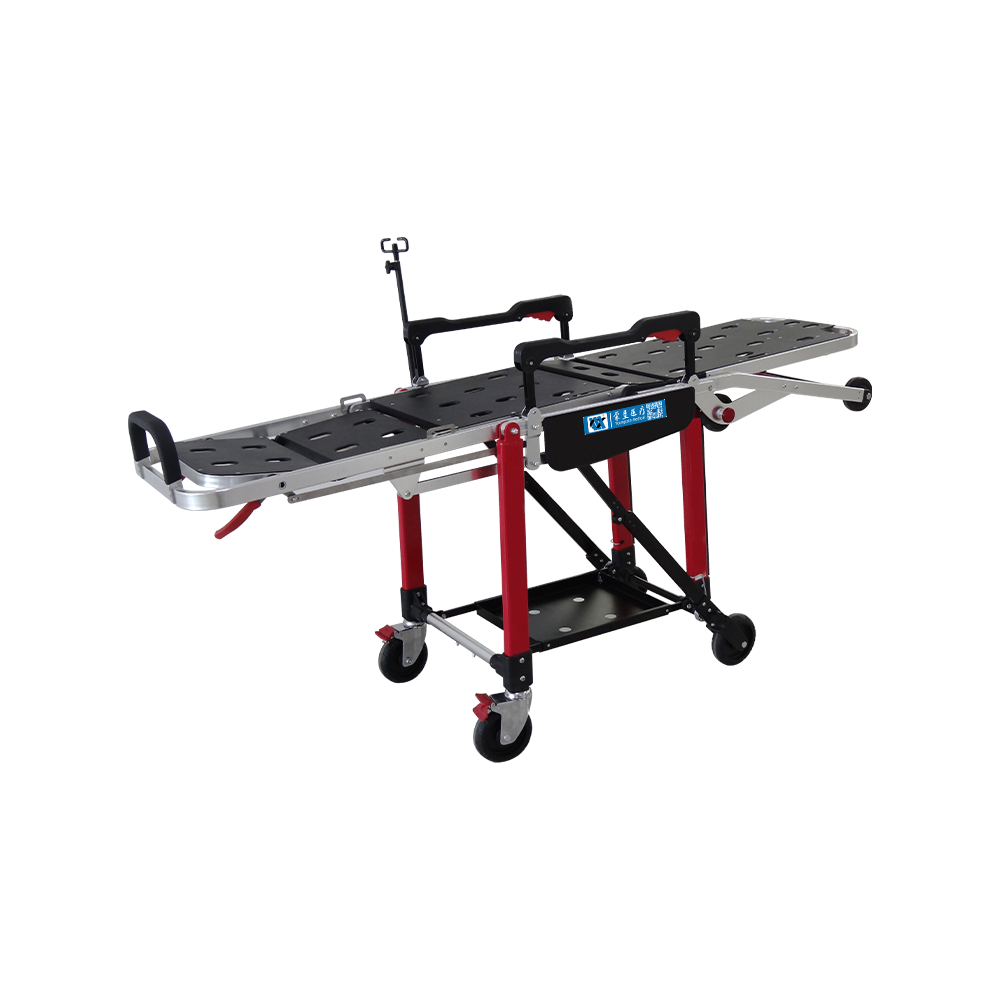
Terminology shifts from country to country. Some teams say gurney, others say litter, trolley or cot, and the same word may describe a two-person carry frame in one hospital and an adjustable wheeled unit in another. For practical purchasing purposes, it helps to group the equipment by how the patient is moved rather than by the label on the brochure: carried, wheeled, tracked, or split for a low-manual-handling transfer.
Three functional traits separate a good stretcher from a merely adequate one. It must support the patient's weight without flexing or twisting, it must hold that patient securely while the frame is tilted or lifted, and it must be operable by the staff who are actually on shift, with the training they actually have.
The Main Types and What Each One Is For
The table below is the quick version we usually sketch for a procurement team. It is deliberately general, because dimensions, load ratings and configurations vary between models and should be confirmed against the specification sheet for the exact product.
| Type | Where it is usually found | What to check |
|---|---|---|
| Folding stretcher | Backup coverage, clinics, field and community work | Hinge play and locking pin security after repeated folding |
| Ambulance stretcher | Emergency vehicles and pre-hospital response | Loading wheel height, floor locking compatibility, restraint points |
| Stair stretcher | Multi-storey buildings without usable lifts | Track condition, braking control, weight distribution on slopes |
| Scoop stretcher | Suspected hip or spinal injury where rolling is limited | How cleanly the halves separate and re-lock under load |
| Spine board | Trauma immobilisation and extrication | Rigidity, strap routing, head immobiliser fit |
| Basket stretcher | Rescue, rough terrain and confined extraction | Sling and hoist attachment points, shell condition |
| Stretcher trolley | Wards, theatres, imaging and recovery areas | Height range, side rail behaviour, caster braking |
In daily ward practice the wheeled stretcher trolley does most of the work, usually paired with a hospital bed and a transfer board so that the patient is slid rather than lifted. Carry frames and scoop models come out for the awkward cases: the narrow stairwell, the vehicle that cannot get close to the door, the patient who must be log-rolled as little as possible.
Ambulance stretchers deserve a separate conversation, because they are only half a system. The stretcher has to lock into the vehicle floor, the loading wheels have to meet the sill at the right height, and the crew has to be able to raise the frame with a patient on board without compromising their own backs. If those three things do not line up, a well-made stretcher still becomes hard work on every call.
Matching the Stretcher to the Route, Not Just the Patient
It is tempting to choose a stretcher from the patient's condition alone. In practice, the building decides as much as the diagnosis does. A unit that is perfect in a modern emergency department can be genuinely unusable in a 1970s wing with a tight corner and a lift that was sized for a linen cart.
Before comparing models, walk the actual route with a tape measure. Note the narrowest doorway, the turning radius at the corridor junction, the internal dimensions of the lifts, the ramp gradient at the ambulance bay, and the height of the vehicle floor. Then look at the stretcher's external dimensions with the side rails up and the frame at its lowest and highest positions. Height adjustability matters more than people expect: working at the wrong height is one of the more common sources of avoidable strain among porters and nurses.
Weight capacity should also be chosen against the population actually served, not against the average. If bariatric patients are regularly received, the frame, the casters and the surface all need to be specified for that load together, and the team should know which of the units in the building are rated for it.
Frames, Surfaces and Cleaning
Most frames in circulation are aluminium or stainless steel, often with a coated finish on the parts that hands touch most. Welded joints tend to be easier to clean than riveted ones, simply because there are fewer crevices for residue to collect in. If a unit will be used for patients under contact precautions, that difference shows up during every terminal clean.
The patient surface usually combines a padded mattress with a fluid-resistant cover. Sealed covers, smooth seams and a surface that can be wiped rather than scrubbed all make life easier for the cleaning team. For trauma work, a radiolucent pad that allows imaging without moving the patient is worth discussing with the radiology department early, as it affects the specification rather than the price list.
Restraints, straps and side rails are the parts that quietly determine how safe the transfer is. Check that straps are long enough to route around a patient in a coat or a spinal board, that buckles close positively with one hand, and that side rails lock without a second person holding the frame. On tracked stair stretchers, the track condition and brake action should be inspected as part of routine maintenance rather than discovered on a staircase.
Safety, Training and Daily Checks
No stretcher is self-explanatory. A short, repeated briefing tends to be more effective than a long induction that nobody remembers six months later. The points below are the ones we see raised most often when equipment is reviewed after an incident or a near miss.
- Brakes tested before every patient is transferred, and both casters locked on sloped floors.
- Side rails raised and locked for the whole journey, not only during the lift.
- Straps applied before the frame is tilted, with a routine check that the buckle is fully engaged.
- Two trained staff for any carried frame, and a clear callout before the patient is lifted.
- Load rating labels kept legible, so nobody has to guess which unit is safe for which patient.
- Mattress covers checked for tears at the start of each shift; a split cover is a cleaning problem waiting to happen.
- Stair stretchers and scoop models checked for locking function before use, never after.
- Patients never left unattended on a raised or unbraked stretcher, even for a moment.
It also helps to write down which stretcher is which. A simple wall chart showing the capacity and intended use of each model in the department removes a surprising amount of hesitation during a busy shift.
A Practical Selection Checklist
When a team asks us to help narrow the options, we usually work through a shortlist like this one. It keeps the conversation grounded in the building and the staff rather than in features that will never be used.
- Map every route the stretcher will travel, including lifts, ramps and doorways.
- Confirm who will operate it and what training time is realistically available.
- Set the weight capacity against the patient population, not the average patient.
- Measure the storage space, especially if the unit folds or nests.
- Check compatibility with beds, trolleys, ambulances and any imaging equipment in the route.
- Ask how the frame and surface are cleaned, and whether covers and straps are replaceable.
- Request documentation for load testing, warranty terms and spare parts availability.
- Order one sample for a trial week before committing to a fleet.
How a Stretcher Fits the Wider Transfer Chain
A stretcher rarely works alone. A typical inpatient journey runs from bed to transfer board or patient lift, onto a stretcher trolley, along a corridor, into a lift, and finally onto an imaging table or an operating table. Each handover is a chance for a gap to appear, so it pays to think about the chain as a whole rather than buying one excellent link in isolation.
That is why our own catalogue places stretchers alongside patient trolleys, transfer boards, patient lifts, spine boards, wheelchairs and the beds they connect to. It gives a project team one place to check that the heights, locking systems and working loads are not fighting each other. For most hospitals the practical benefit is simple: fewer moments where two pieces of good equipment do not quite meet.
Questions We Hear From Clinical Teams
Can one stretcher cover the whole hospital?
Usually not comfortably. A general ward trolley and an ambulance stretcher serve different constraints, and a stair stretcher solves a problem that a flat-corridor trolley cannot. Most departments end up with a small mixed fleet rather than a single model.
How often should stretchers be inspected?
Follow local policy, but a visual check at the start of each shift plus a documented periodic inspection of brakes, straps, hinges and tracks is a common approach. Anything that fails a check should be taken out of service immediately rather than flagged for later.
What is the most overlooked specification?
In our experience it is height range. Teams focus on width and capacity, then discover that the frame cannot be raised to a comfortable working height for the staff who use it most.
Choosing a medical stretcher is ultimately a small piece of operational design. The best unit for a given hospital is rarely the most featured one on the market; it is the one that fits the doorway, matches the lift, locks into the ambulance, and can be cleaned and checked without a fight. Get those basics right, and the equipment fades into the background where it belongs, leaving the clinical team to concentrate on the patient in front of them.
Recommended Products
-

YC-E5638K(I) ICU Bed Integrated With Railing Control
-
YC-E5638K(II) New Generation ICU Bed Integrated With Railing Control
-
YC-E5618K(I) Electric Automatic Hospital ICU Bed 5 Functions
-
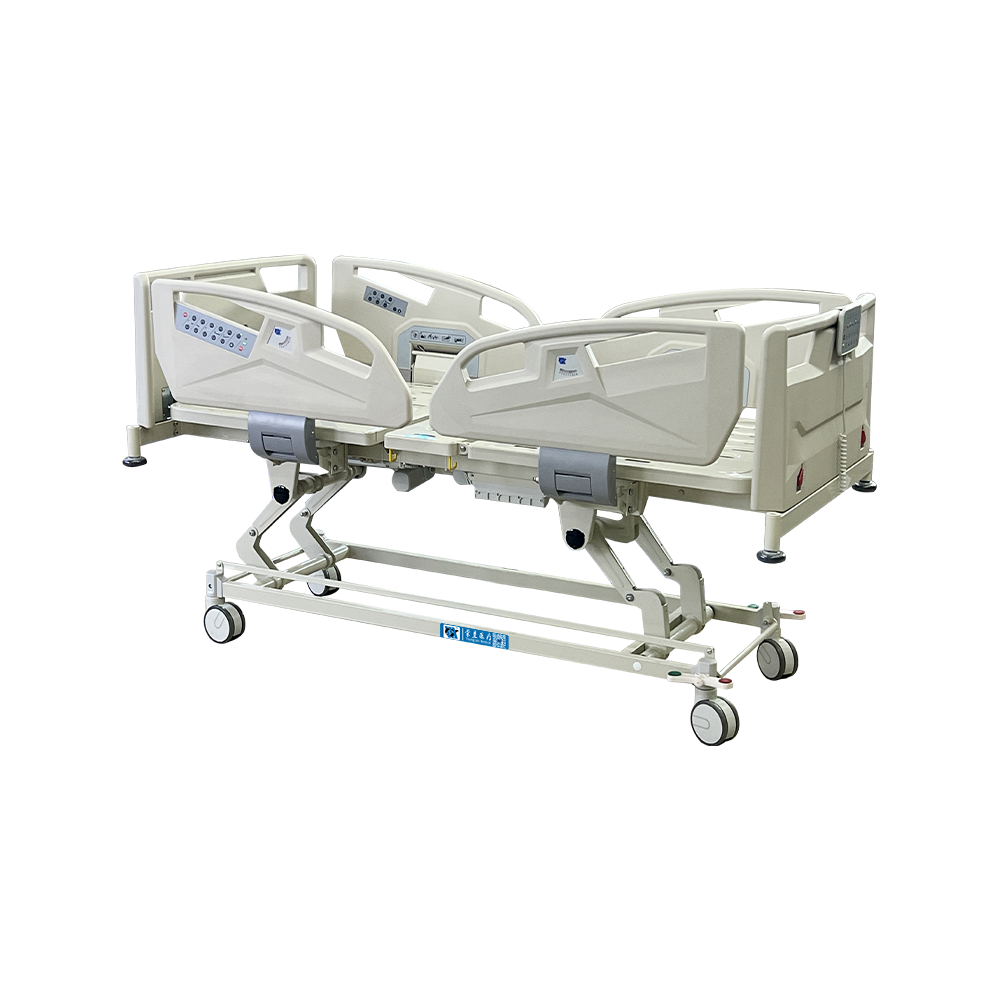
YC-E5618K(III) High Safety Electric Hospital Patient Care Bed
-
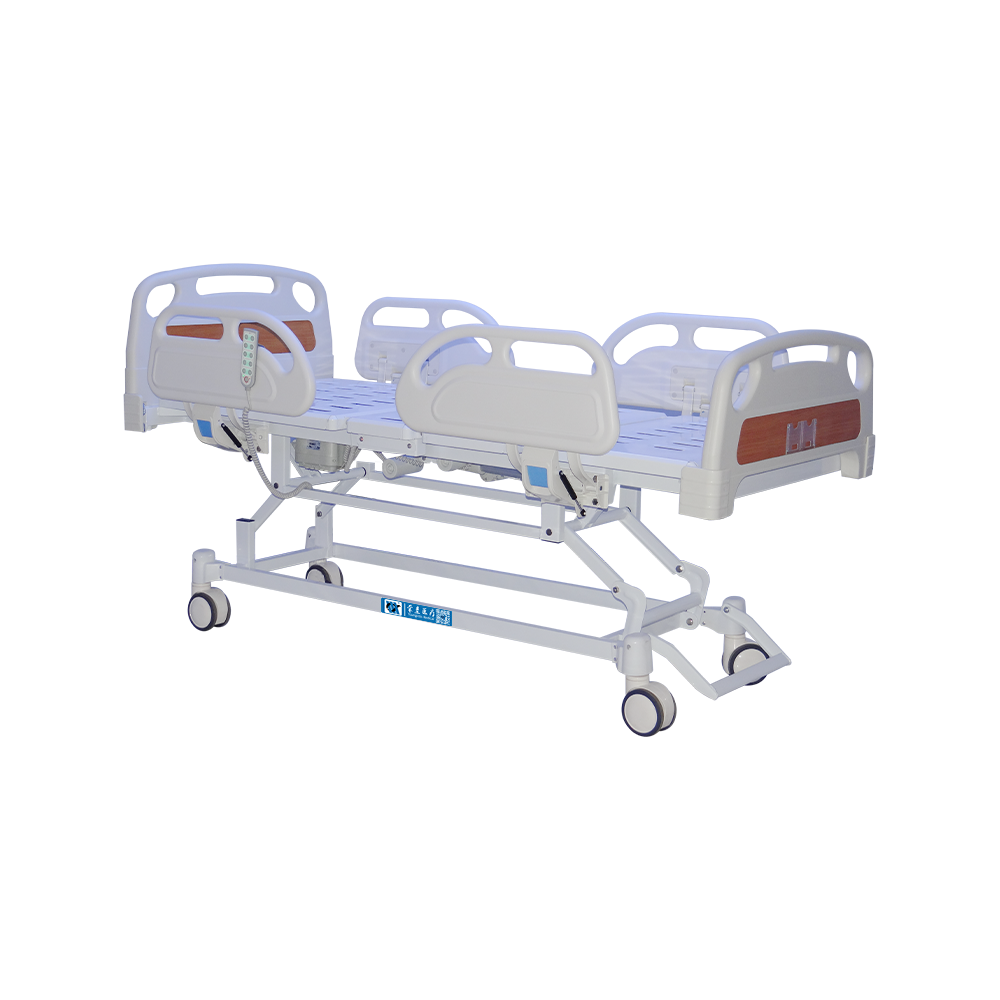
YC-E5618K(IV) Electric Hospital Room Bed With Remote Control
-
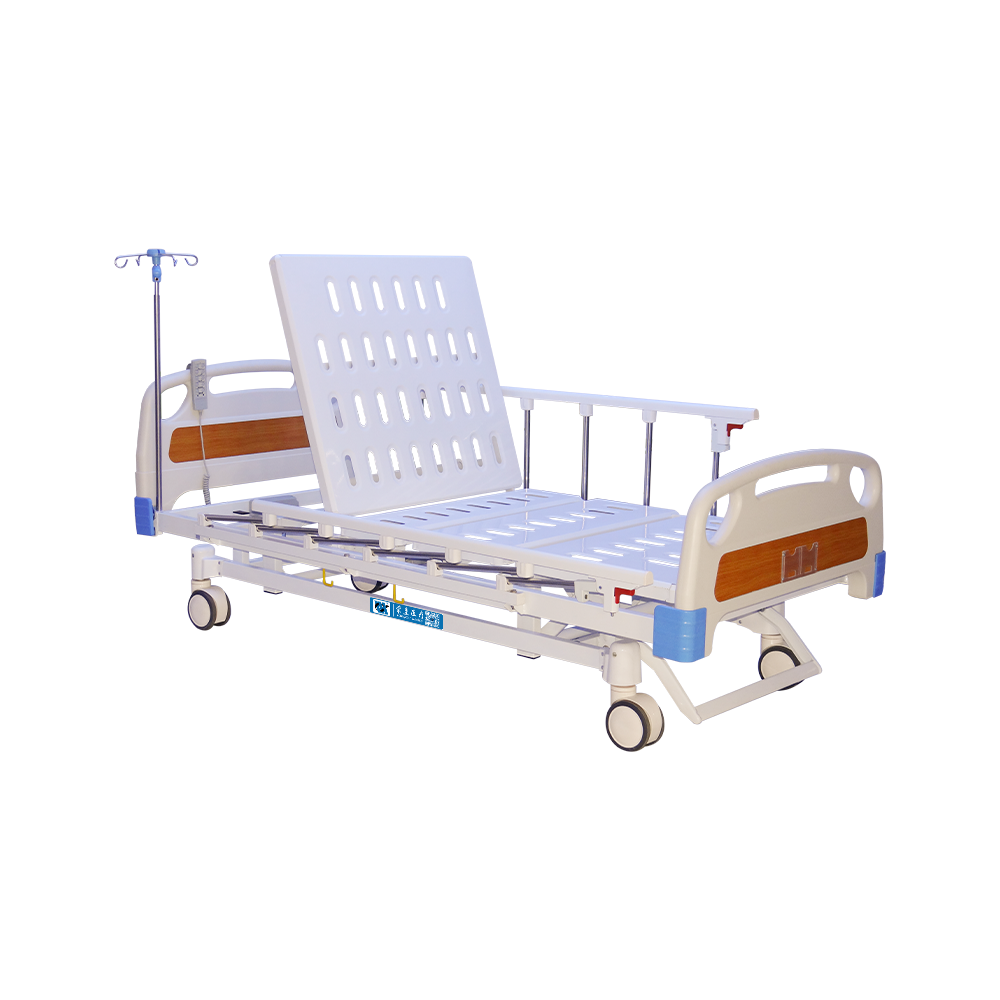
YC-E5611K Electric Hospital Bed With Central Locking Steer Function
-
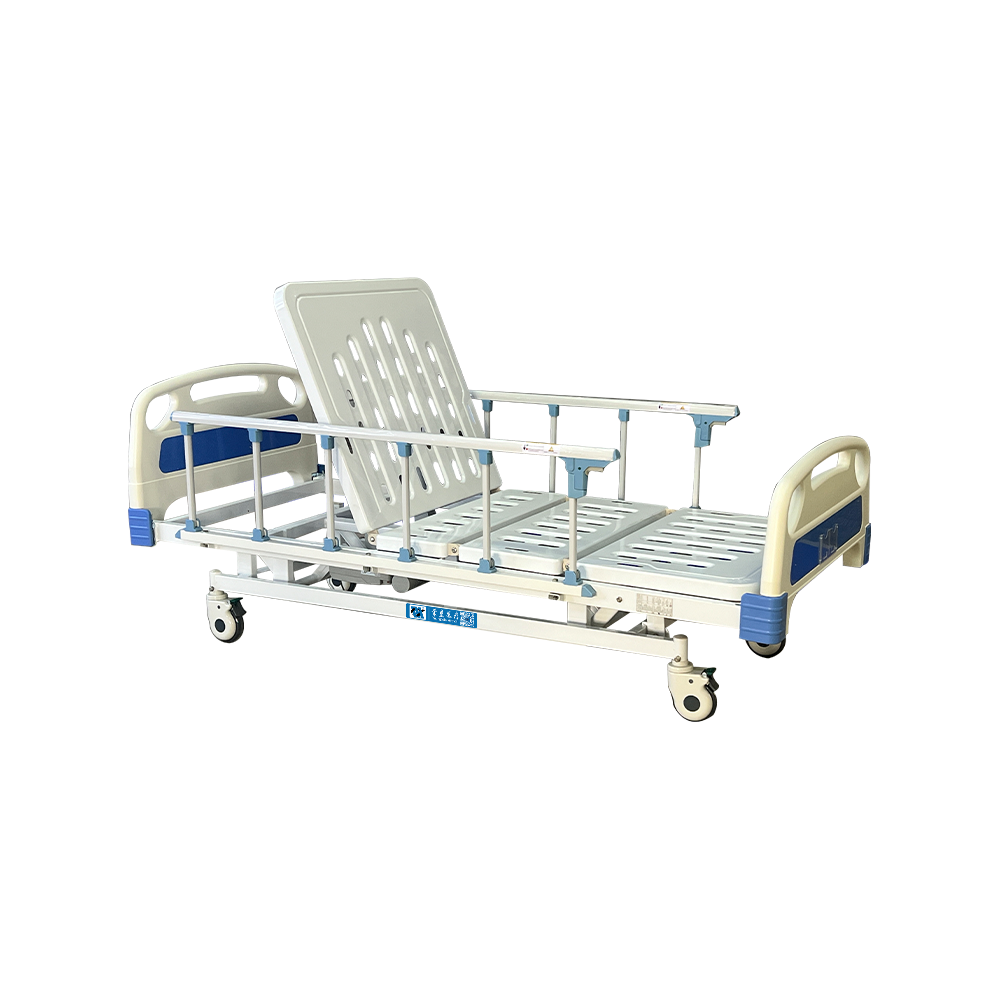
YC-E5611L Electric Hospital Bed With Five Function
-
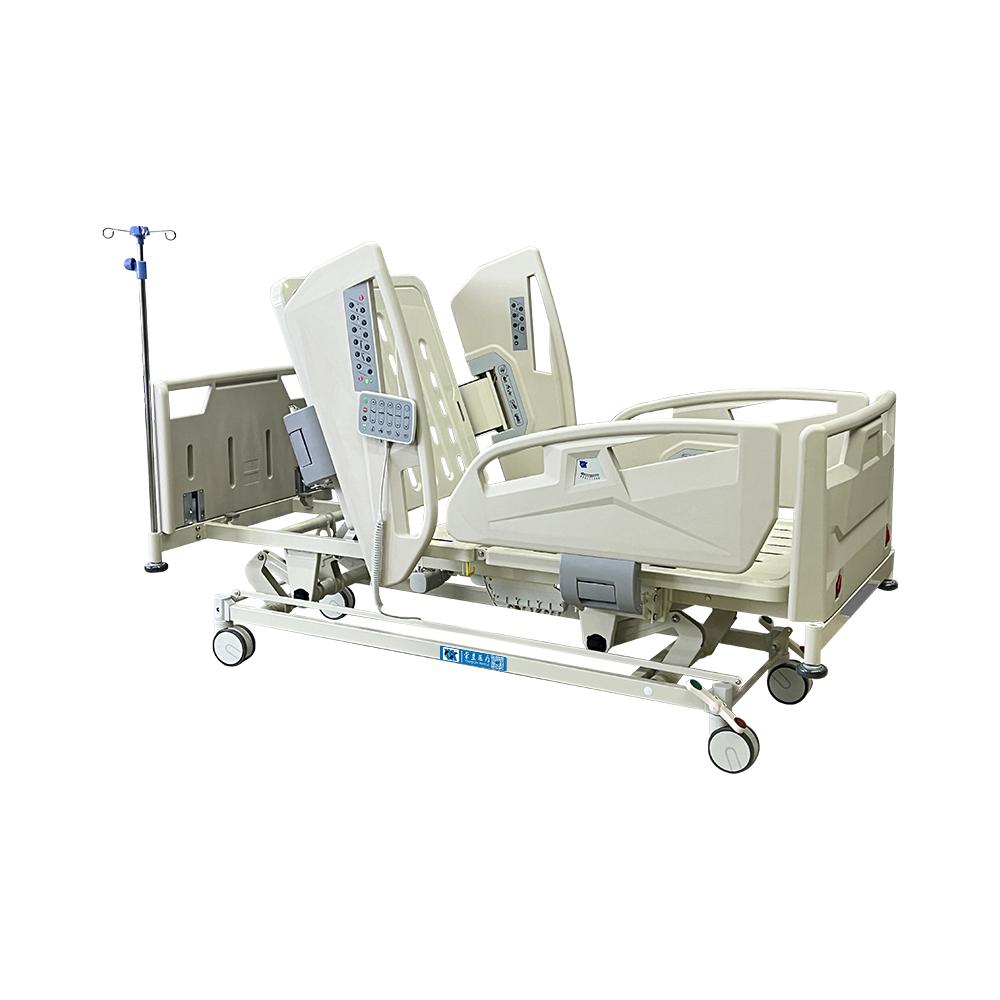
YC-E3618K(I) Comfortable Full Electric Hi-Low Hospital Bed
-
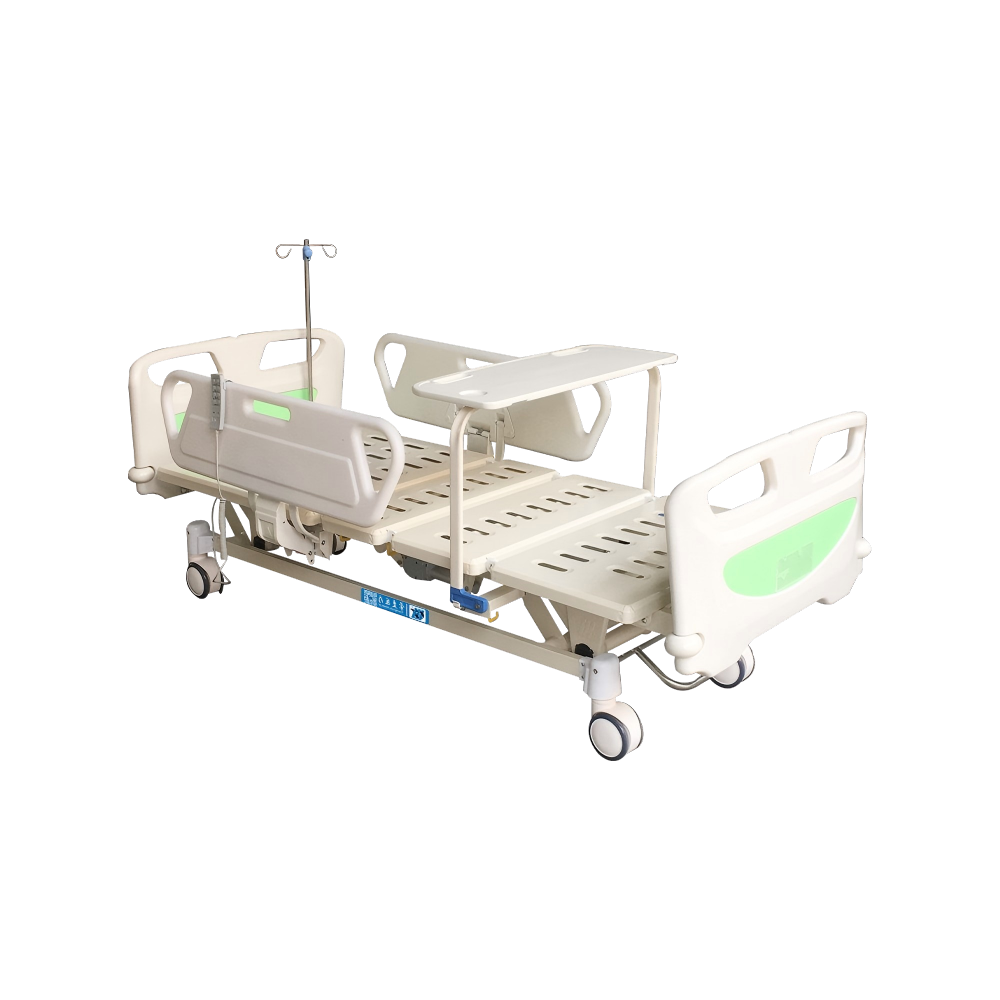
YC-E3618K(II) 3-function Electric Bed Electric Adjustable Hospital Bed
-
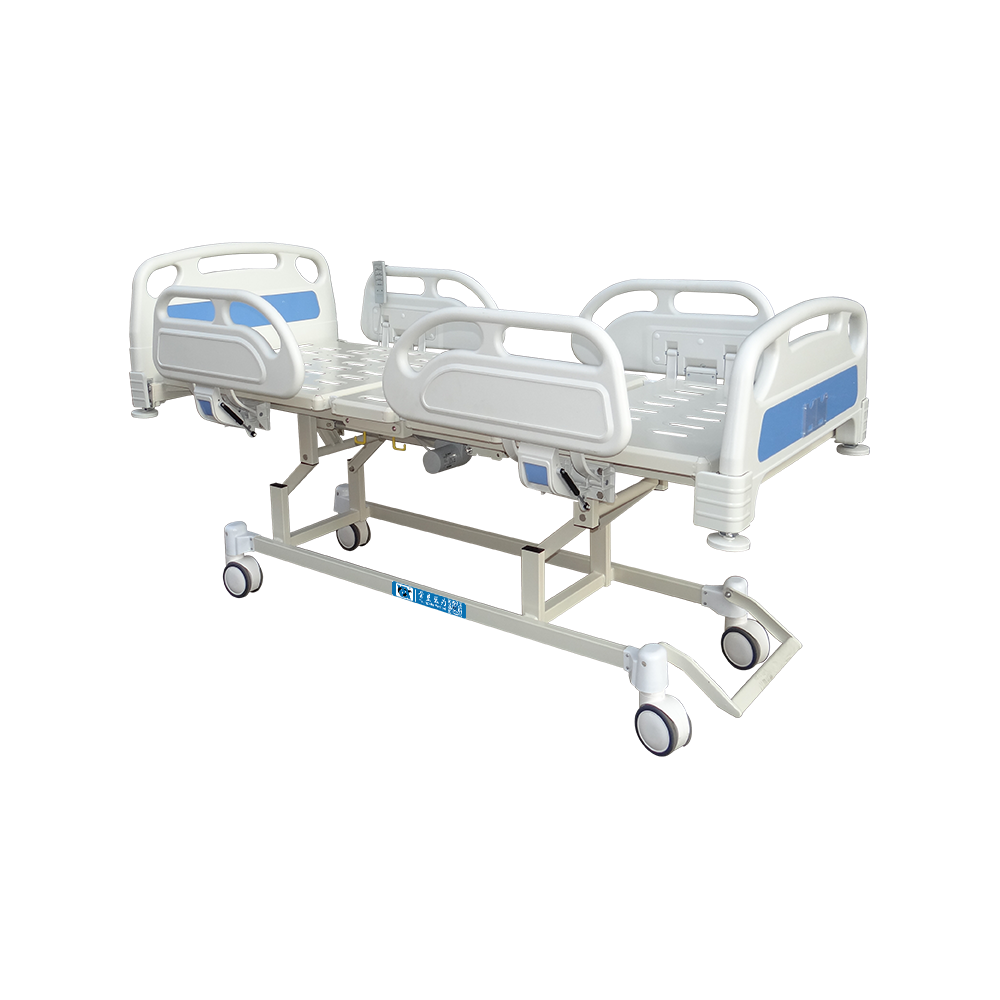
YC-E3618K(V) Electric Three Functions Hospital Beds ABS Side Rails

- QR CODE:
- OTHER LINKS:
- QUICK LINKS
- Home
- Products
- About Us
- Manufacturing
- Quality Assurance
- News
- Contact us
- PRODUCT CATEGORIES
- Hospital Bed
- Operating Tables
- Patient Transfer Trolley
- Medical Stretcher
- Medical Examination Couch
- Medical Carts
- Stainless Steel Medical Trolley
- Medical Chair
- Wheelchair
- Hospital Ward Furniture
- Optional Accessories
- Customized Products
-
 sales@youngcoln.com

-
PHONE
 +86-13913296627
+86-512-56951592
-
ADD
 No. 130 Southeast Avenue, Zhangjiagang Economic Development Zone, Suzhou, Jiangsu Province 215600, China


Approval No.: Jiangsu Medical Device Business Filing No. 20253048
