

 English
  عربى
عربى  Español
  中文简体
中文简体

GET A QUOTE

Product Category
Contact us
Medical Carts
-
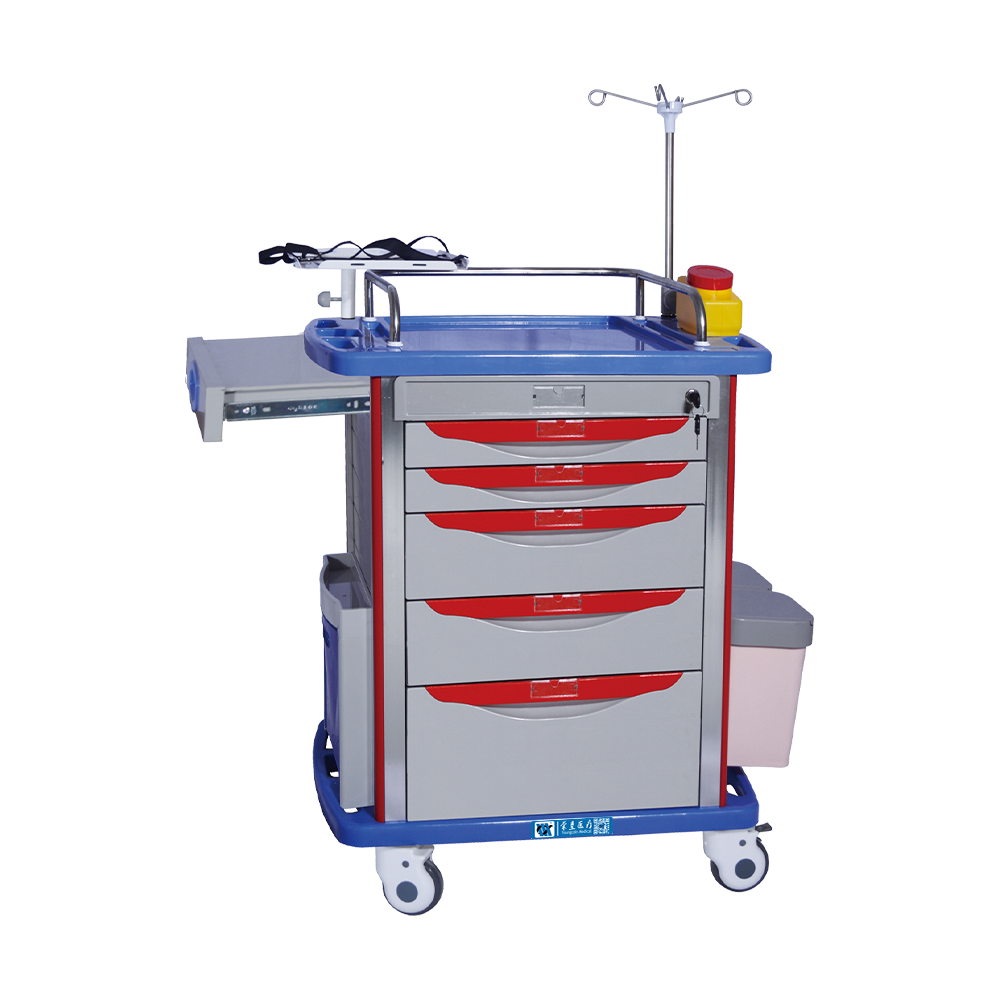
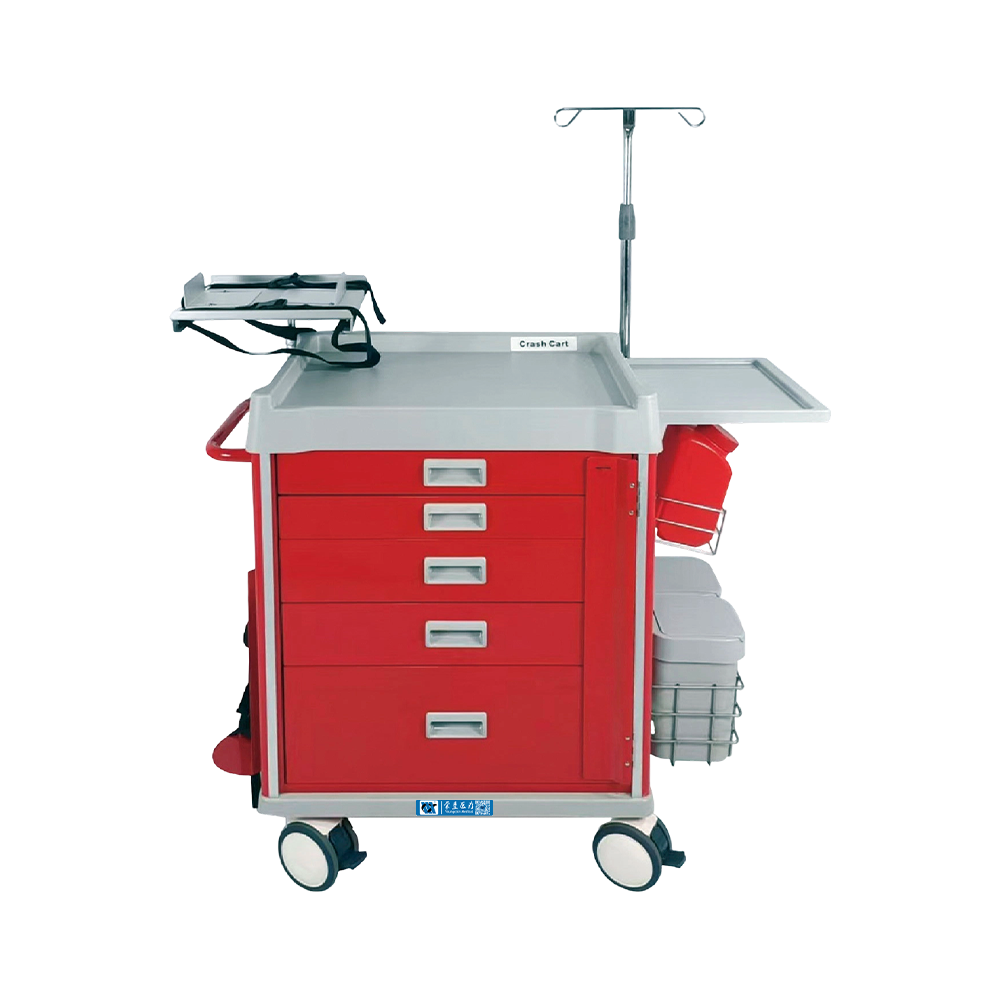
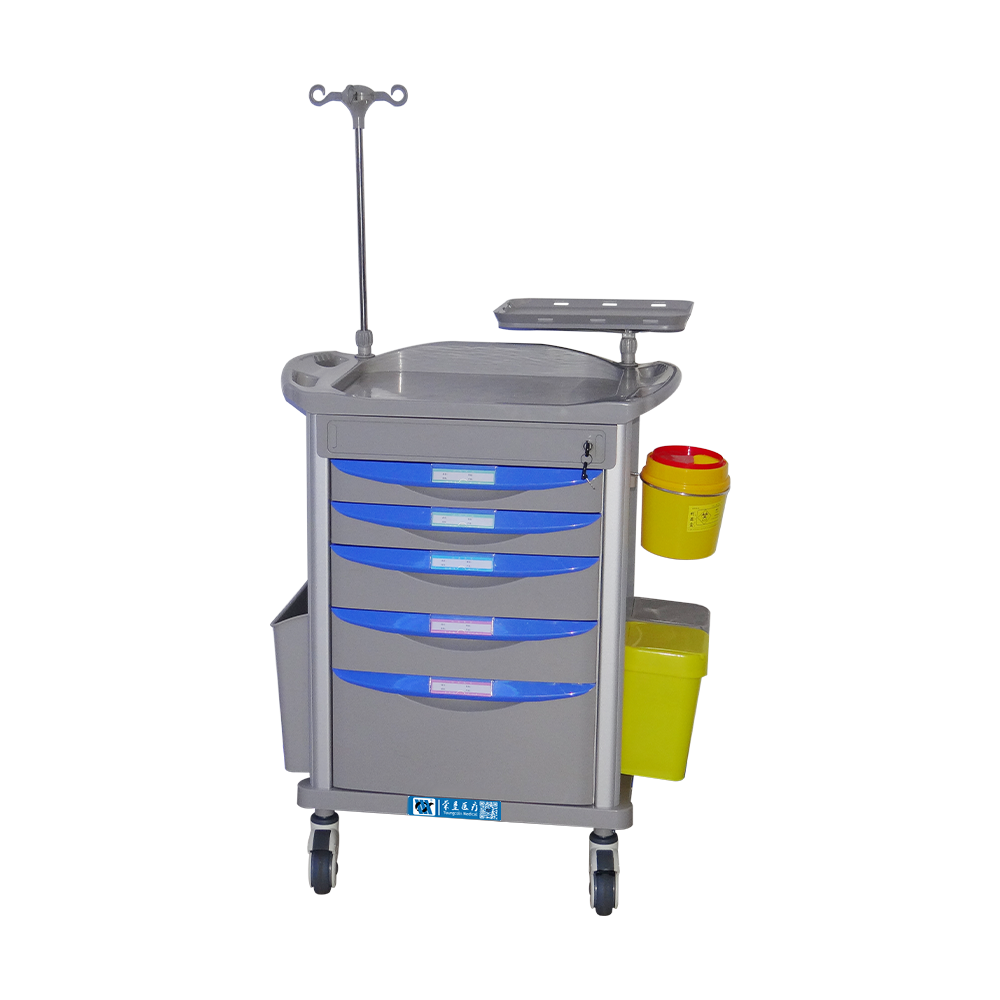
BDT212 Mobile Hospital Crash Cart With Drawers
-
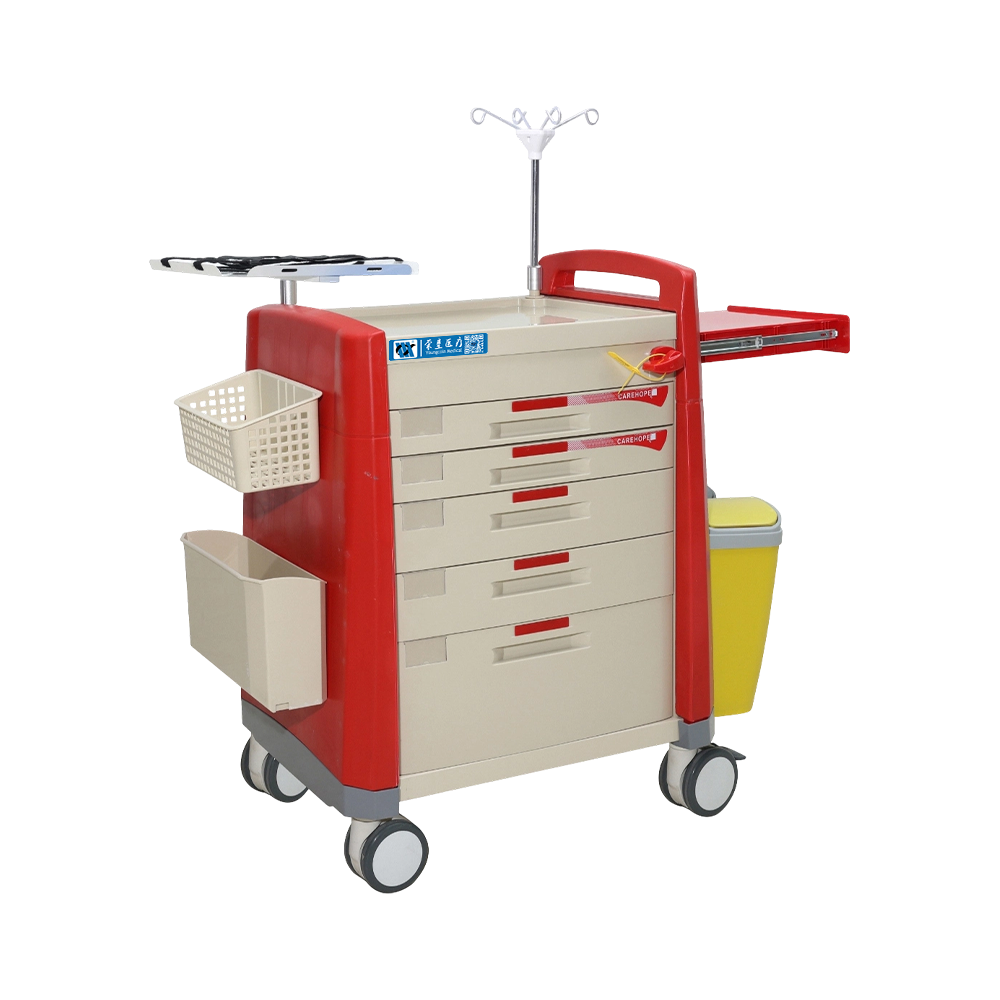
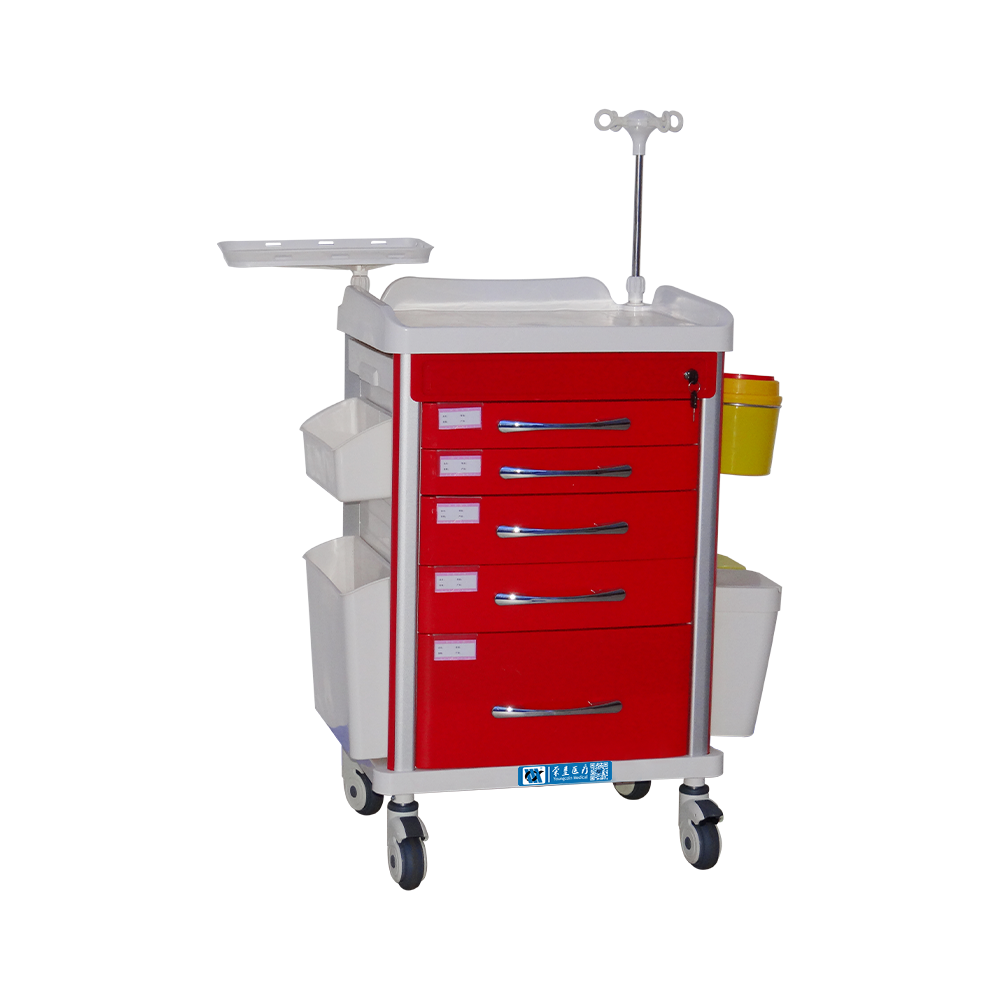
BDT213 Red Color Medical Crash Cart on Wheels
-
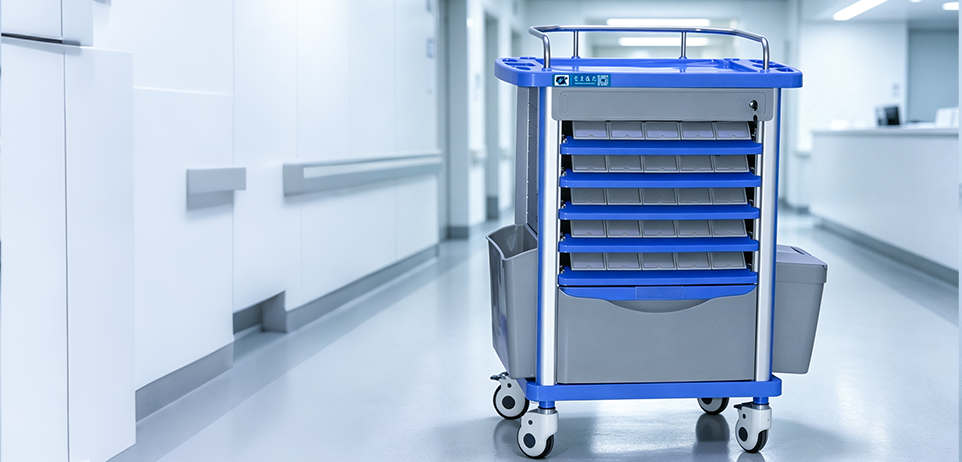
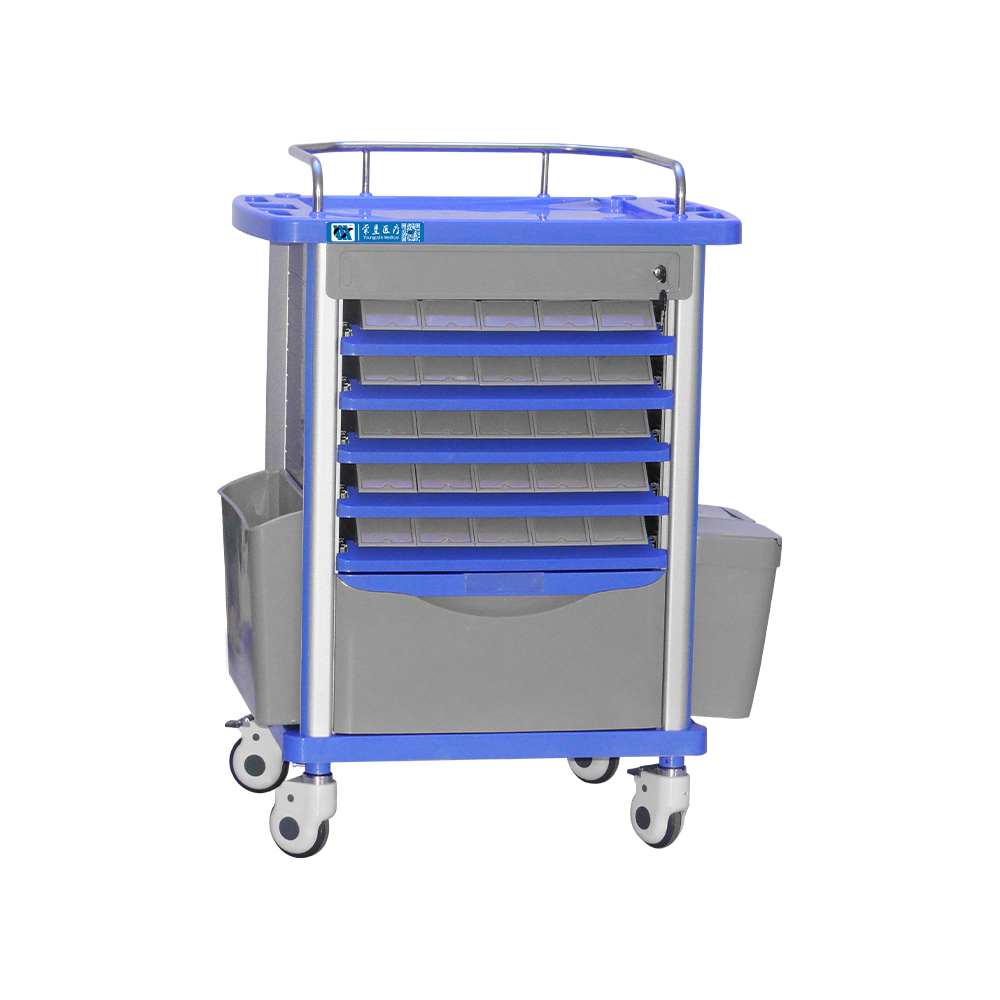
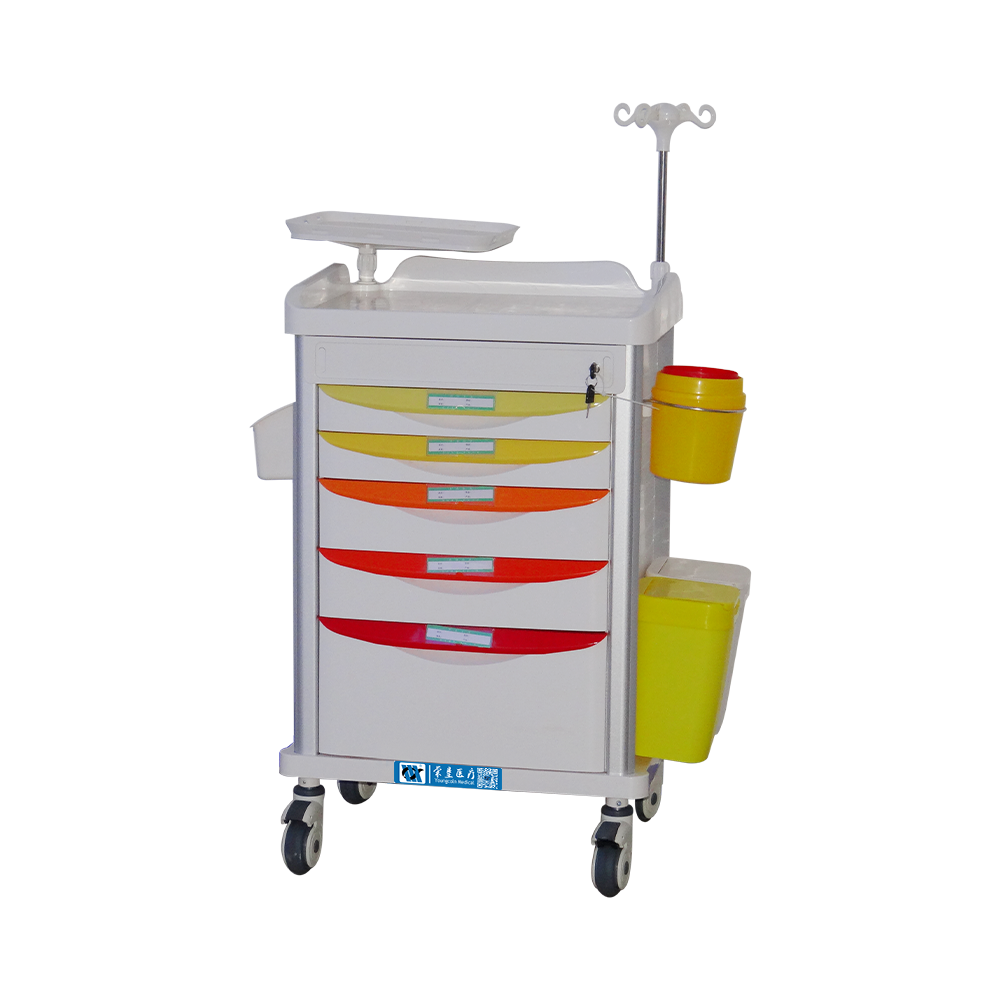
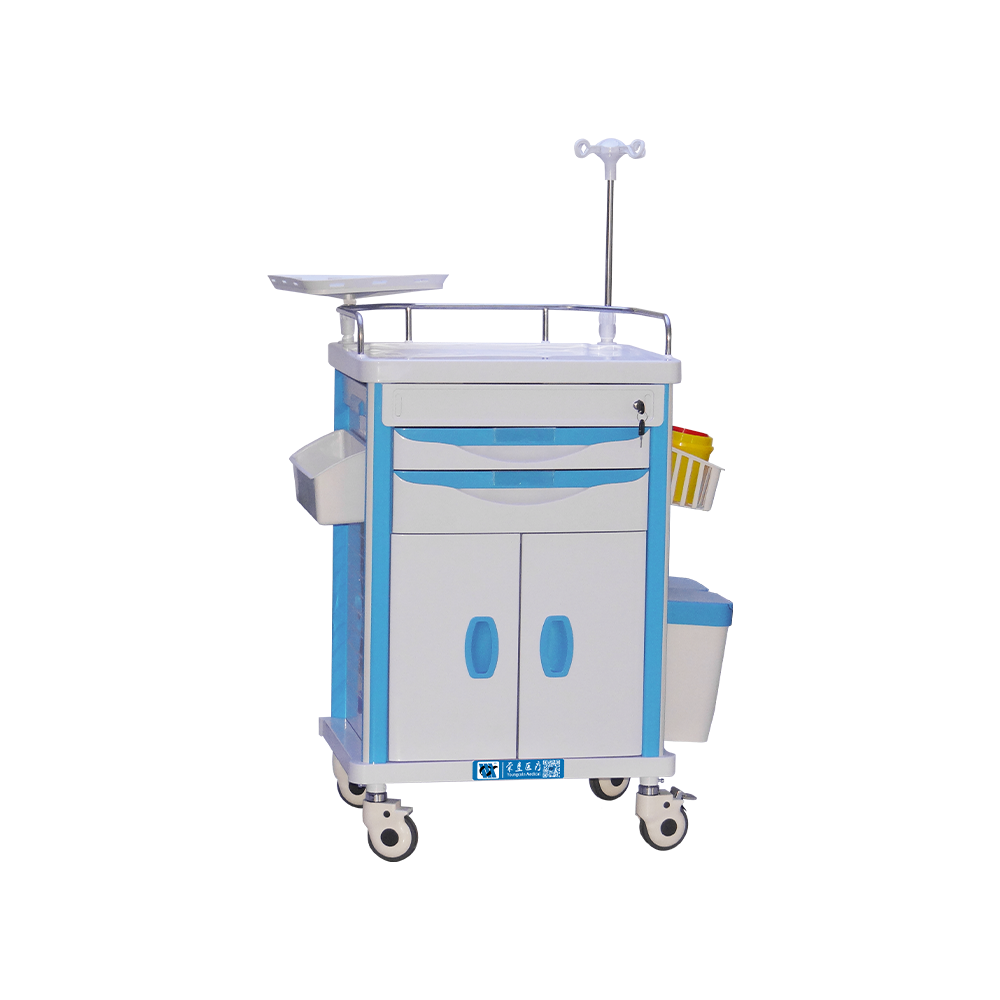
BDT214 Mobile Hospital Lockable Medication Trolley
-
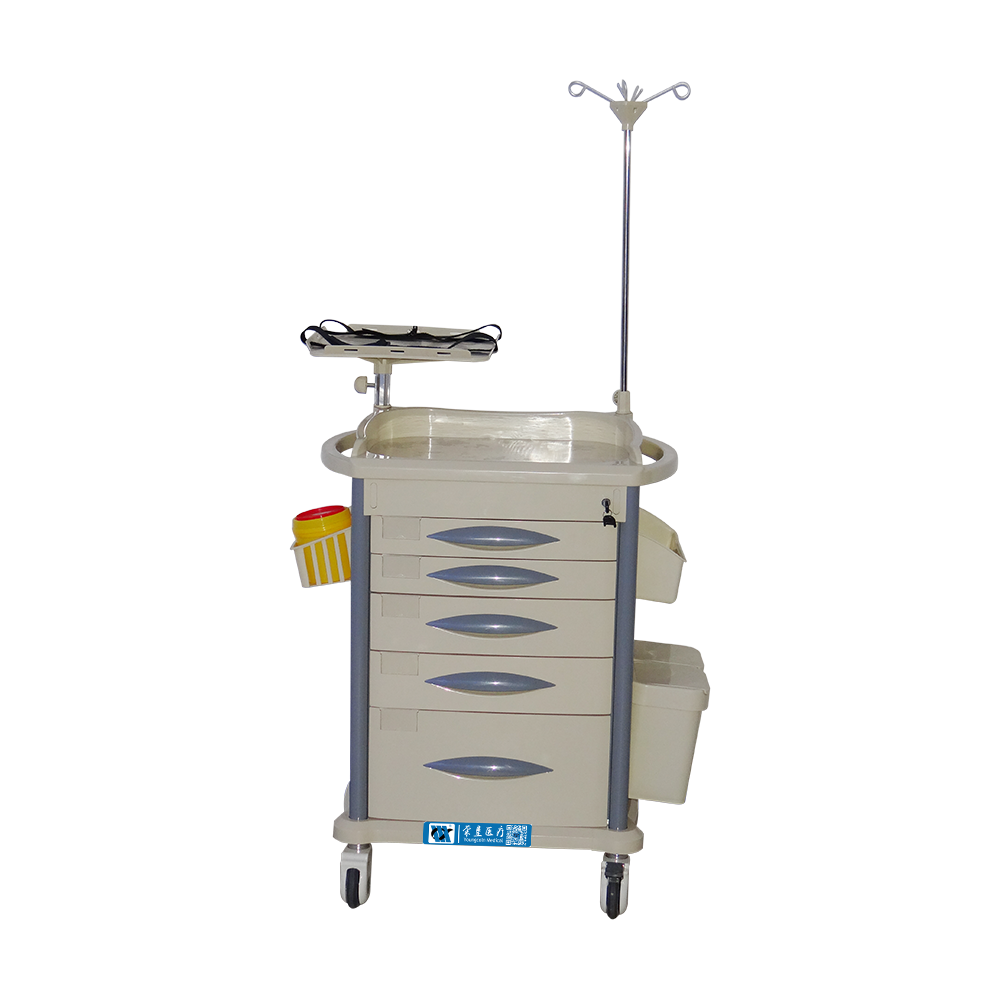
BDT215 ABS Plastic Top Board Mobile Hospital Lockable Medication Trolley
-
BDT220 Medical Critical Care Cart for Emergency & ICU Use
-
BDT221 Medical ABS Mobile Hospital Emergency Trolley
-
BDT222 Medical ABS Mobile Hospital ICU applications Emergency Trolley
-
BDT223 Durable steel frame Medical ABS Mobile Hospital Emergency Trolley
-
BDT219 Mobile Hospital Emergency Cart Trolley With Lock
-
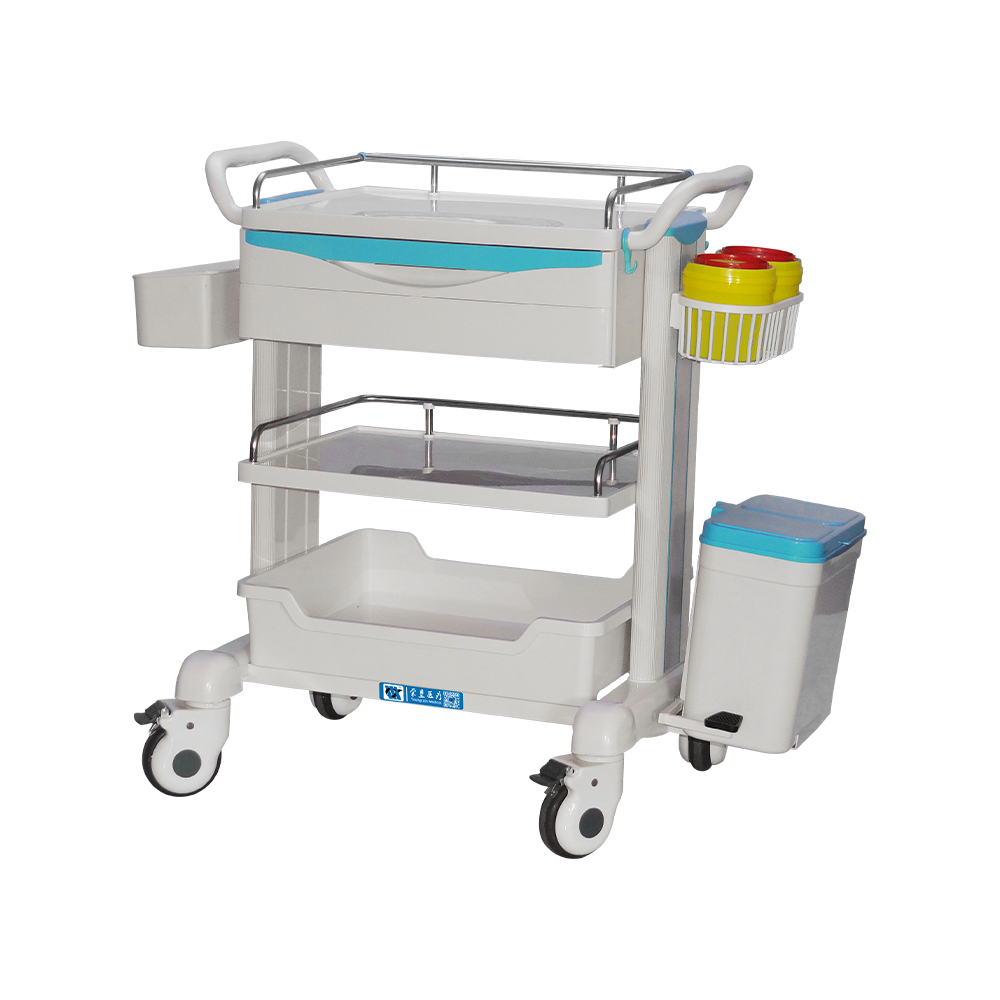
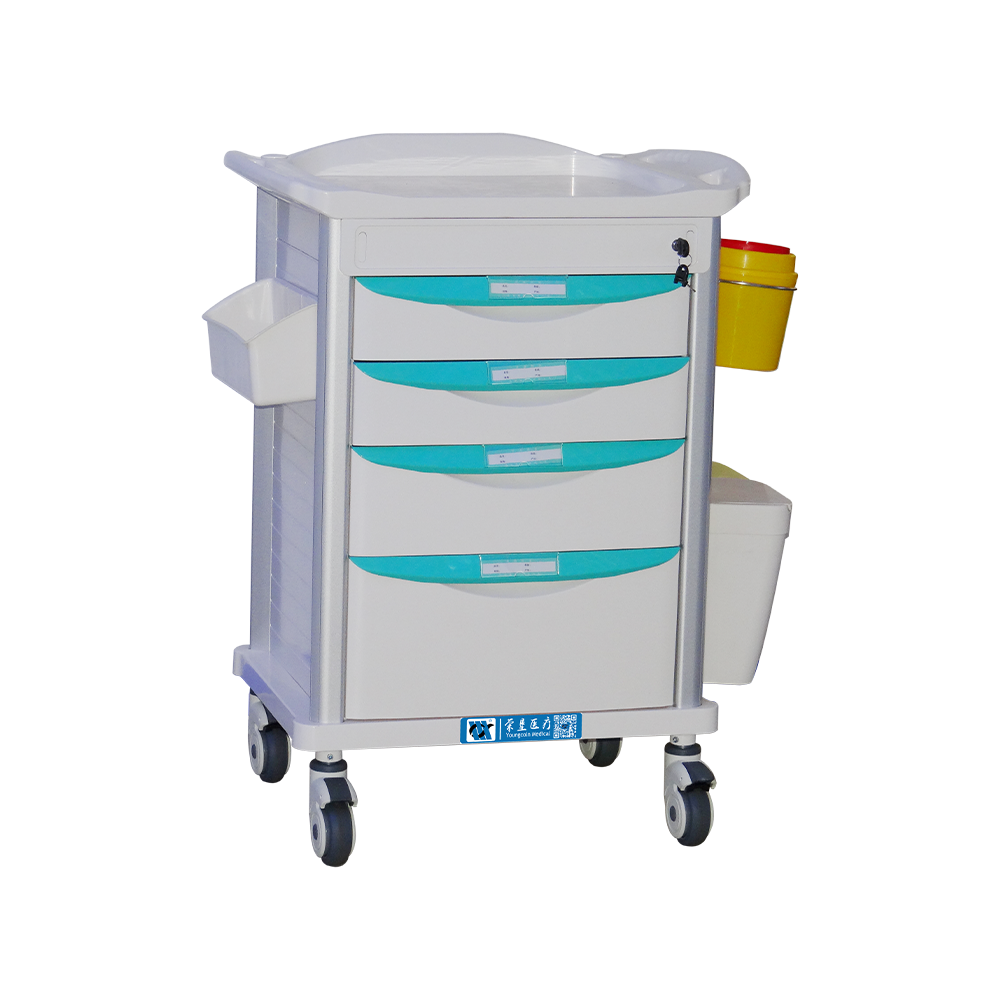
BDT8139 Mobile Hospital Treatment Trolley With Drawer
-
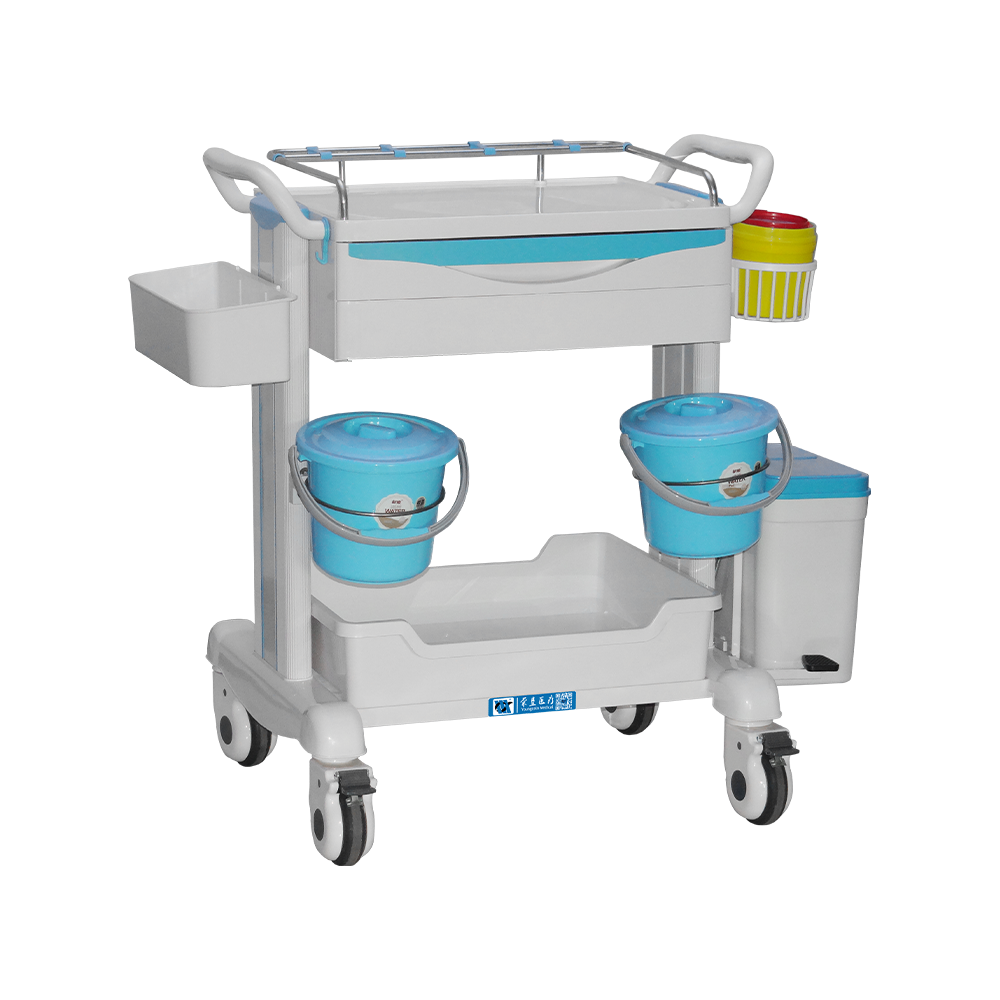
BDT8150 Mobile Hospital Treatment Trolley With With Accessories Holder
-
BDT8151 Mobile Basic Isolation Cart for Hospital
About Us
A System Behind Every Delivery Since 2008
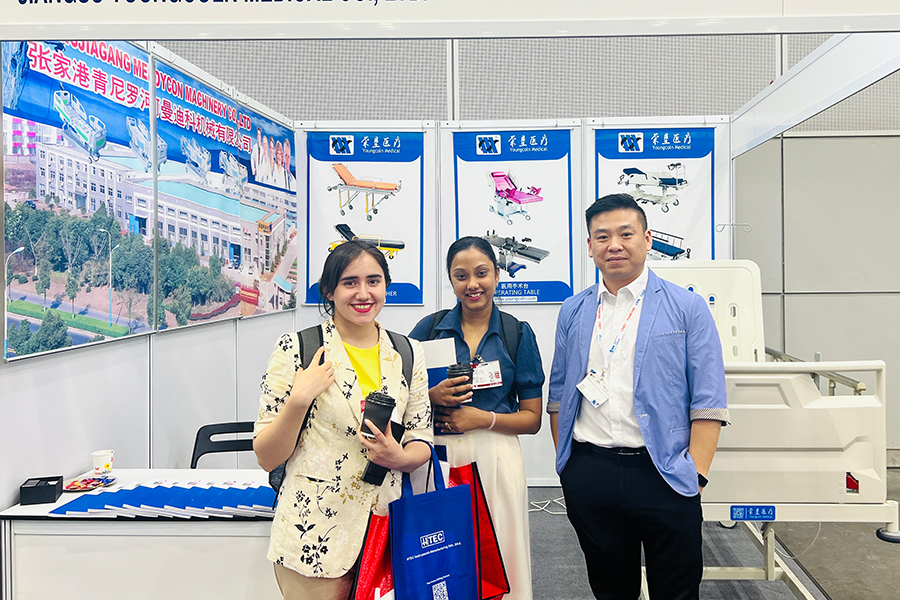
Jiangsu Youngcoln Medical Co., Ltd.
is an integrated manufacturer and exporter specializing in hospital furniture and medical equipment. We focus on hospital beds, emergency stretchers, and operating tables, delivering reliable supply, flexible configurations, and customization support for distributors and project customers. With standardized manufacturing and a robust quality management system, we are committed to providing dependable products and consistent service to global partners.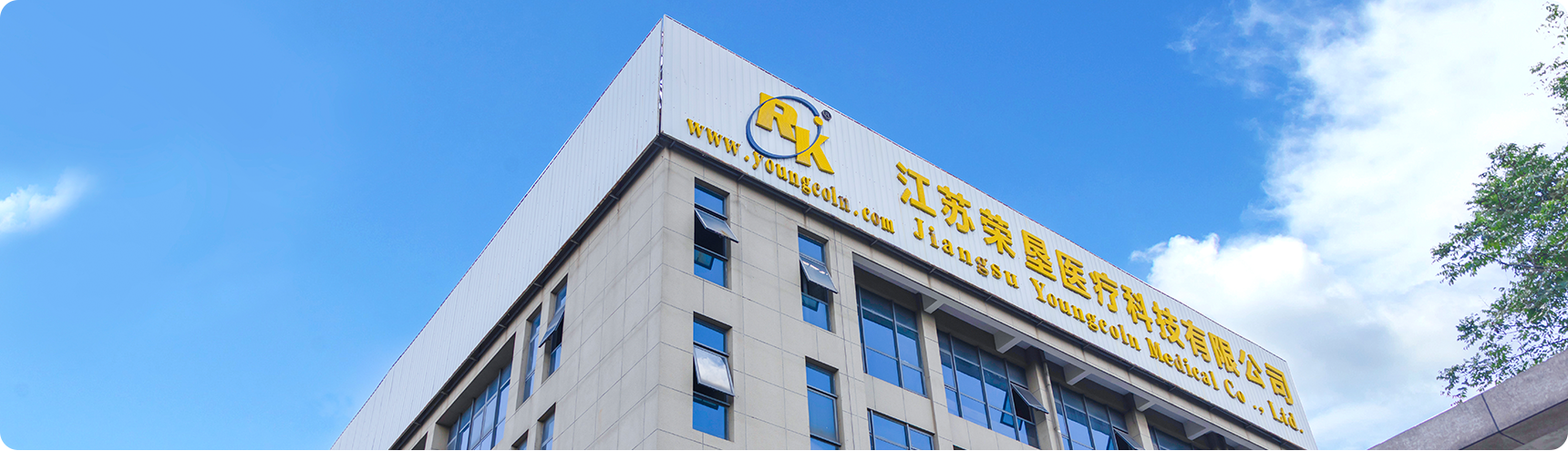
-
 7500+㎡Factory Area
 -
 100+Team Members
 -
 85%Export Ratio
 -
 Global Markets
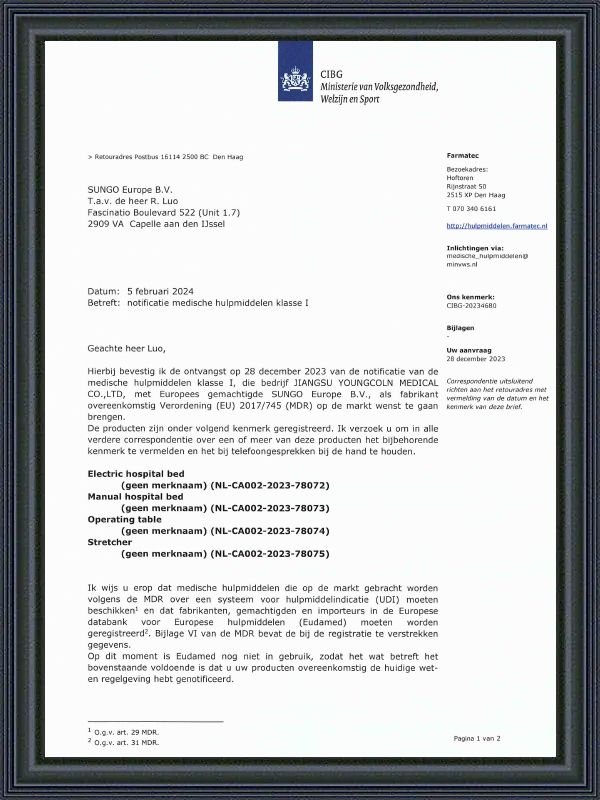
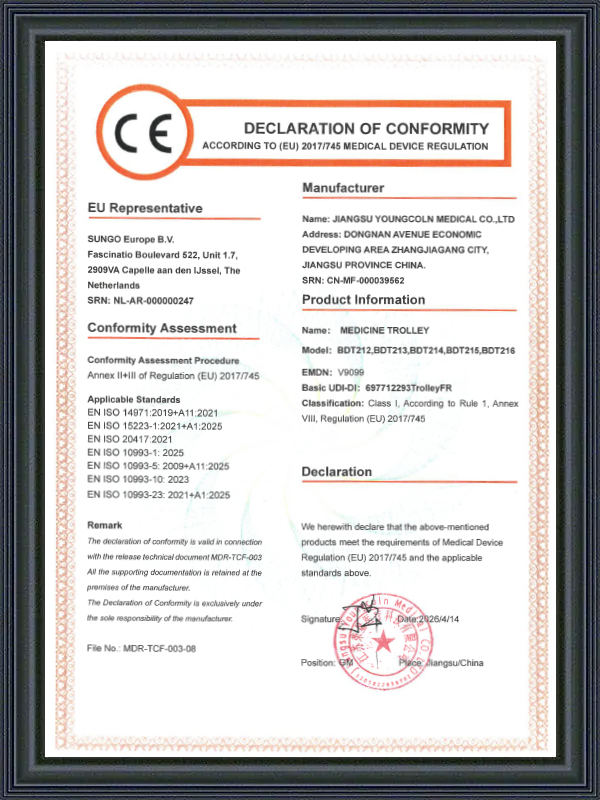
Certificate Of Honor
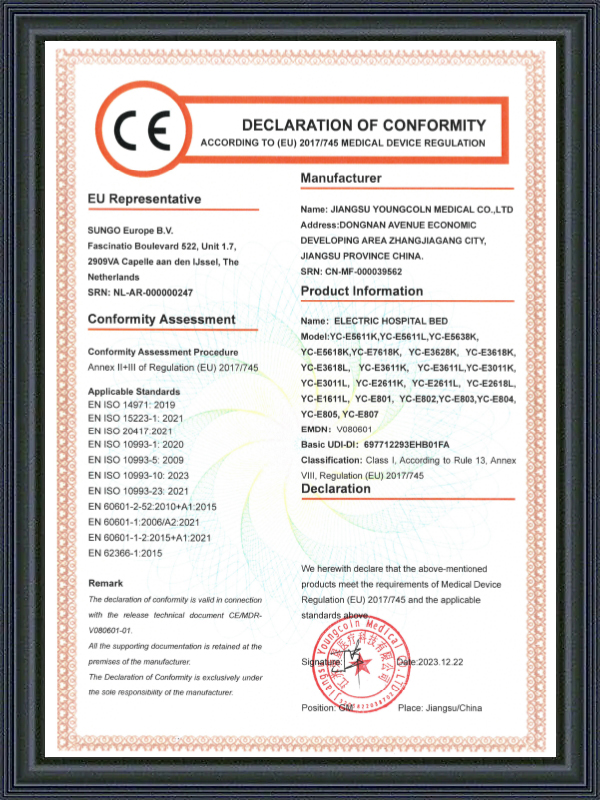
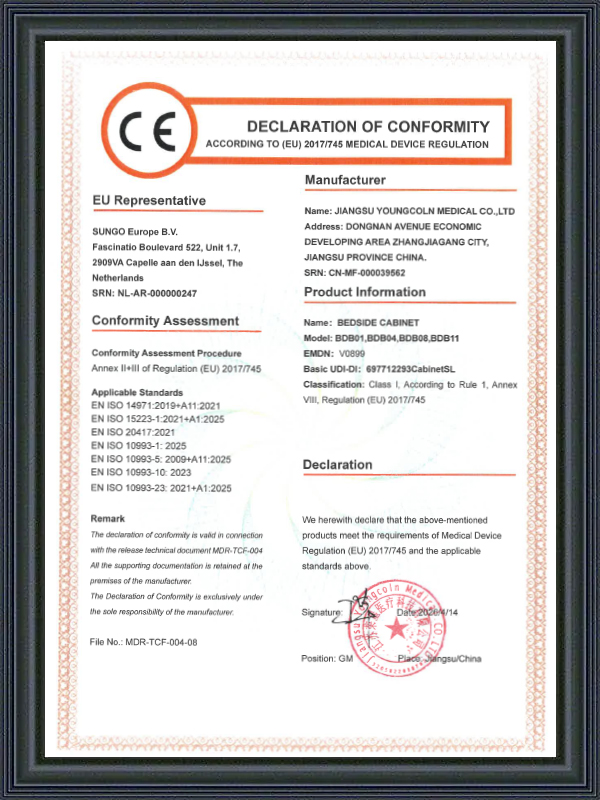
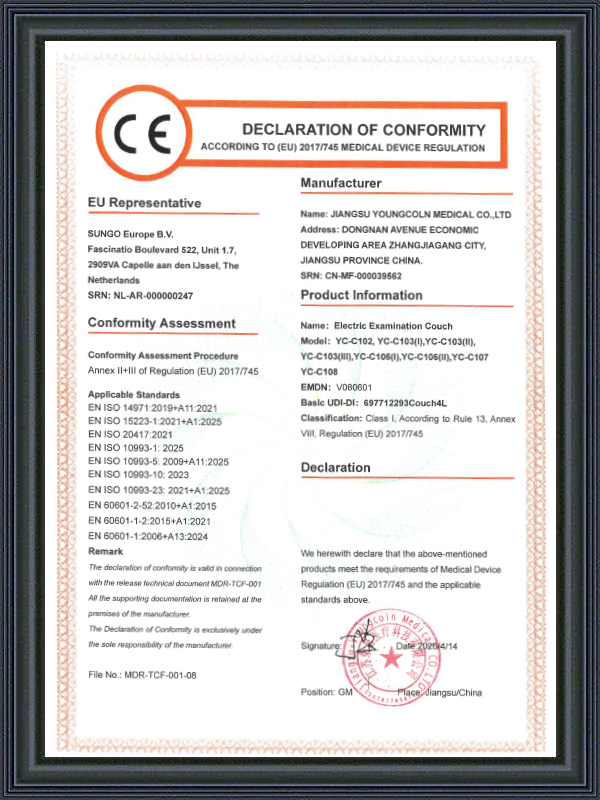
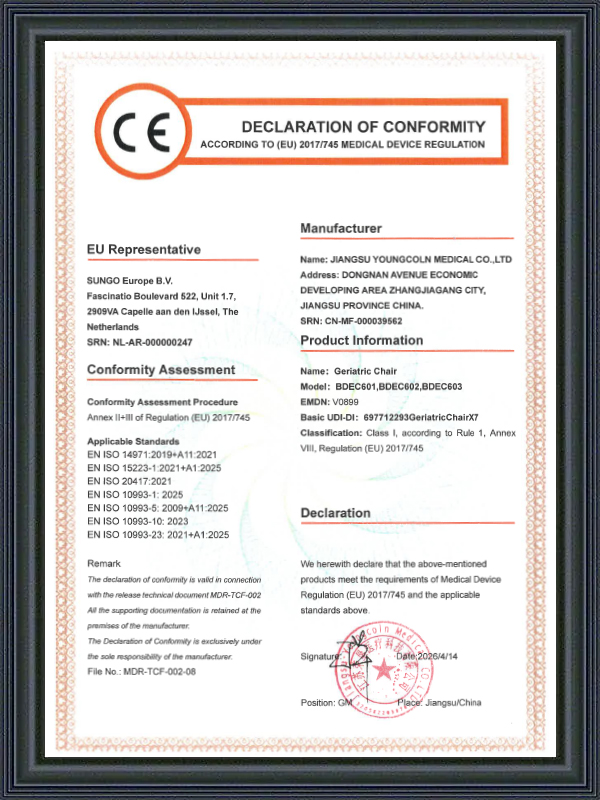
News
Stay Up To
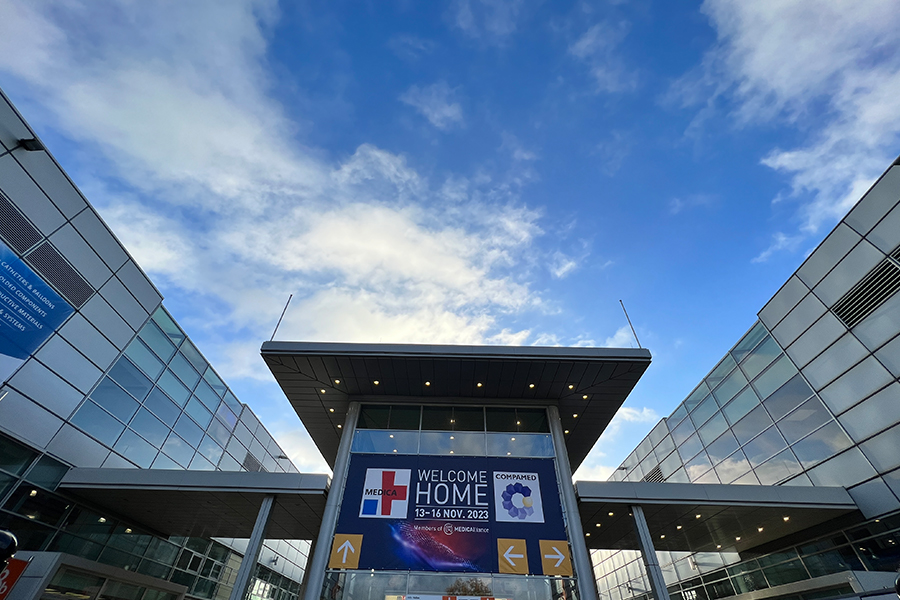
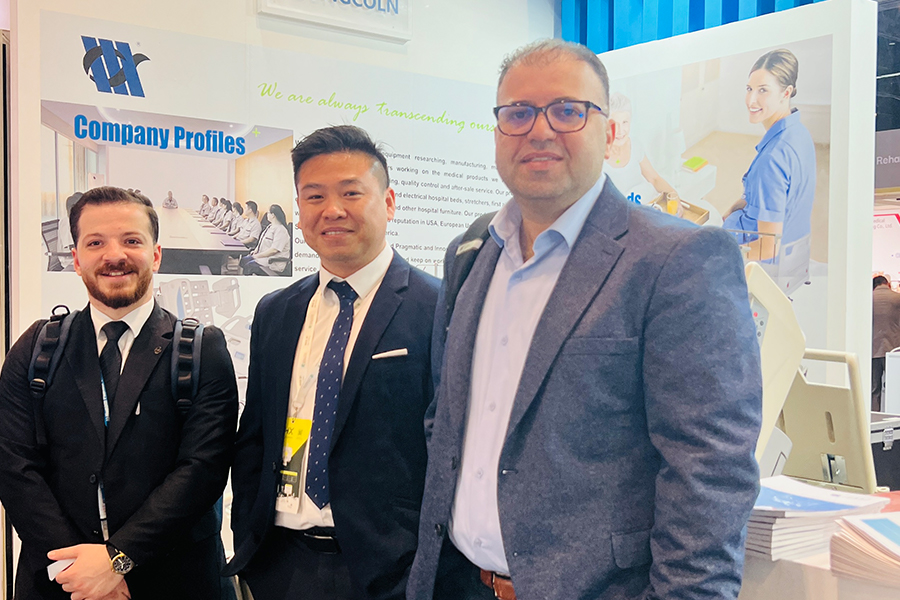
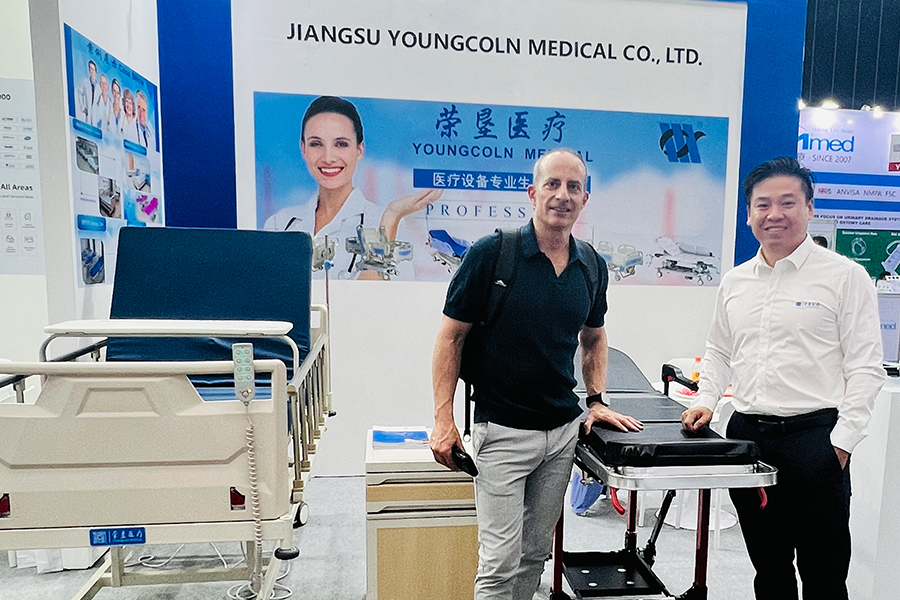
Date With Our Latest Company News and Exhibitions
Date With Our Latest Company News and Exhibitions
Driven by professionalism and a commitment to quality, we strive for continuous growth to be your trusted long-term partner.
View More



Medical Carts Industry knowledge
Get In Touch NowO

Driven by a commitment to global healthcare, we deliver dependable products and consistent service support to customers worldwide.
- QR CODE:
- OTHER LINKS:
- QUICK LINKS
- Home
- Products
- About Us
- Manufacturing
- Quality Assurance
- News
- Contact us
- PRODUCT CATEGORIES
- Hospital Bed
- Operating Tables
- Patient Transfer Trolley
- Medical Stretcher
- Medical Examination Couch
- Medical Carts
- Stainless Steel Trolley
- Medical Chair
- Wheelchair
- Hospital Ward Furniture
- Optional Accessories
- Customized Products
-
 sales@youngcoln.com
-
PHONE
 +86-13913296627
+86-512-56951592
-
ADD
 No. 130 Southeast Avenue, Zhangjiagang Economic Development Zone, Suzhou, Jiangsu Province 215600, China
Copyright © by
Jiangsu Youngcoln Medical Co., Ltd. Rights Reserved.

The information provided on this website is intended for use only in countries and jurisdictions outside of the People's Republic of China.
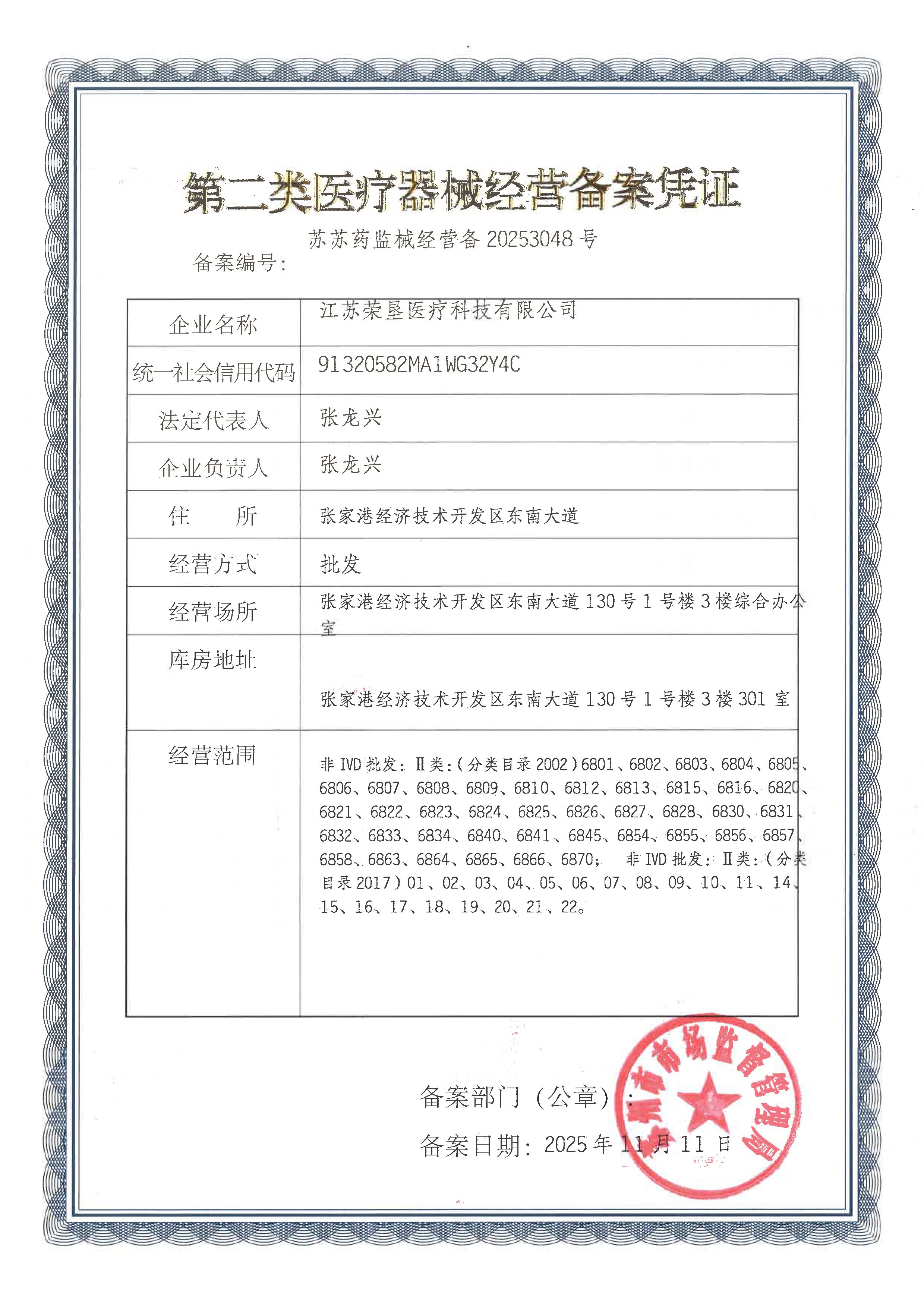
Approval No.: Jiangsu Medical Device Business Filing No. 20253048
Approval No.: Jiangsu Medical Device Business Filing No. 20253048
