

 English
 عربى
 Español
 中文简体



Bed Patient Positioning: A Guide to Safe, Comfortable Hospital Bed Use
Content
Patient positioning in bed is one of those quiet skills that makes a big difference. Whether you are a nurse caring for an ICU patient, a caregiver helping a family member at home, or a facility manager equipping a ward, understanding how to position someone safely can prevent complications, improve comfort, and support recovery. At Youngcoln Medical, we have spent years designing beds that make positioning easier for caregivers and more comfortable for patients. This guide shares practical insights we have gathered along the way.
What Is Bed Patient Positioning?
Bed patient positioning refers to the way a patient is placed and supported in bed to promote comfort, maintain body alignment, and reduce the risk of pressure injuries or other complications. It is not simply about lying flat or sitting up; it involves carefully adjusting the bed's head and foot sections, using pillows or wedges, and choosing positions that support breathing, circulation, and digestion. Good positioning also makes care tasks safer for caregivers. The right position depends on the patient's condition, the procedure being performed, and the goals of care—whether that is preventing skin breakdown, easing breathing, or preparing for surgery.
Common Patient Positions on a Hospital Bed
Most hospital beds are designed to support a range of positions. The table below summarizes the most frequently used ones, along with their typical clinical purposes.
| Position | Description | Common Use |
|---|---|---|
| Supine | Lying flat on the back, arms at sides or supported. | General resting, initial assessment, some surgeries. |
| Fowler's | Head of bed raised 45–60 degrees, knees slightly flexed. | Breathing support, eating, NG tube placement. |
| Semi-Fowler's | Head raised 30–45 degrees. | Comfort, digestion, mild respiratory support. |
| Lateral | Lying on one side, pillows supporting back and limbs. | Pressure relief, comfort, some procedures. |
| Sims | Semi-prone side-lying, lower arm behind, upper arm flexed. | Rectal exams, enemas, pressure relief. |
| Prone | Lying on the abdomen, head turned to one side. | Respiratory distress (ARDS), some surgeries. |
| Trendelenburg | Head lower than feet, bed tilted. | Emergency hypotension, shock, some surgical access. |
| Reverse Trendelenburg | Head higher than feet. | Digestion, breathing, preventing reflux. |
| Orthopneic | Sitting upright, leaning forward over a table. | Severe breathing difficulty. |
Each position has specific indications and contraindications. For example, Trendelenburg is no longer routinely used for shock but may be helpful in certain emergency situations. Fowler's and semi-Fowler's are among the most common positions for patients with respiratory issues because they allow the diaphragm to move more freely. Lateral and Sims positions help redistribute pressure and are essential for pressure injury prevention. We always recommend that caregivers receive proper training and follow their facility's guidelines when positioning patients.
How Hospital Bed Features Support Safe Positioning
Modern hospital beds are more than just a flat surface. Features like adjustable head and foot sections, height adjustment, side rails, and remote controls make it easier to achieve and maintain therapeutic positions. Electric beds, in particular, allow caregivers to adjust the patient's position with the touch of a button, reducing physical strain and improving safety. For example, a bed with a hand remote control lets a nurse raise the head section for Fowler's position without manually cranking. Beds with integrated railing controls, like our LCU beds, put positioning functions right at the point of care. When choosing a bed, consider the range of positions it supports, the ease of adjustment, and whether it includes safety features such as low-height settings and lockable casters. For a deeper look at electric bed features, see our electric hospital bed guide.
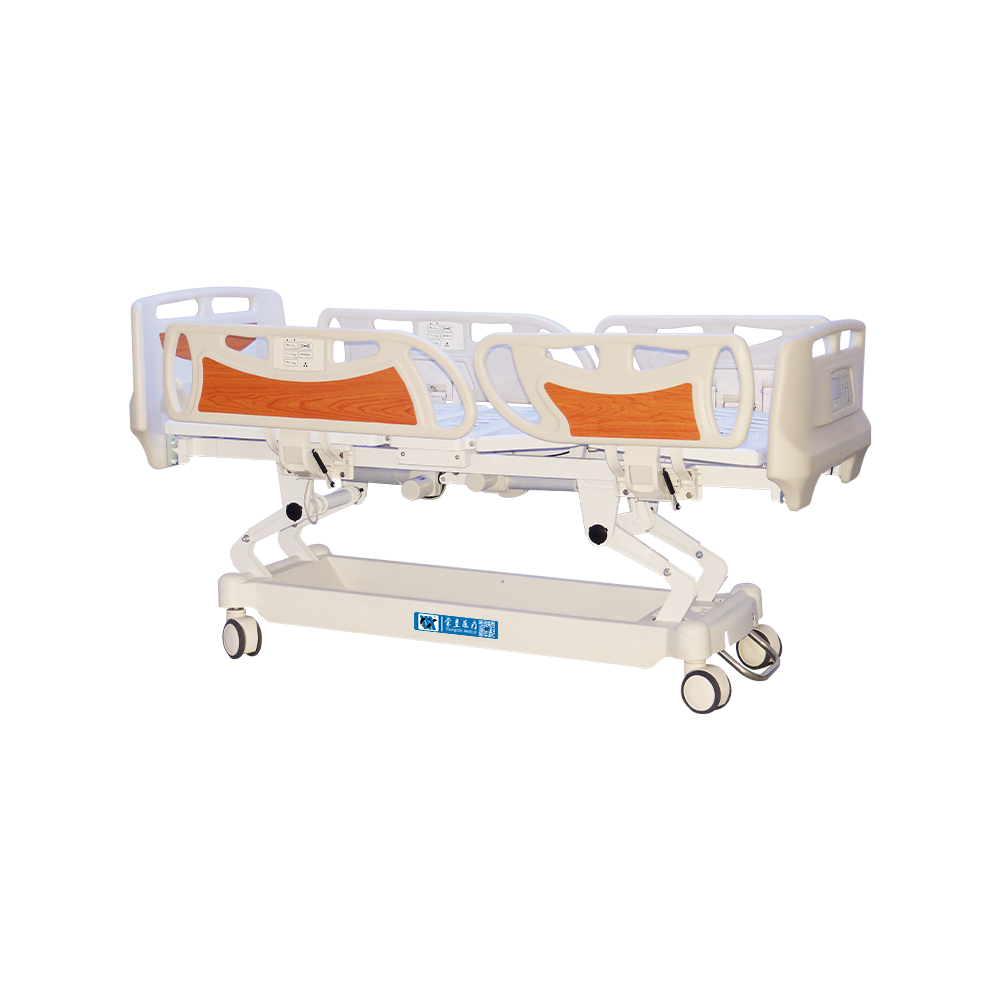 YC-E2611L(I) Two-Function Electric Hospital BedHand-remote electric hospital bed with simultaneous head and knee adjustment, CPR function, and tuck-away guardrails for simpler daily positioning and care.View Product →
This model is a good example of how thoughtful design can simplify daily positioning tasks.
Key Safety and Comfort Considerations
Safe positioning goes beyond adjusting the bed. Here are some principles we emphasize:
- Maintain alignment: Keep the patient's body in a straight line, avoiding twisting or excessive flexion.
- Protect pressure areas: Reposition at regular intervals (usually every two hours) and use pressure-redistribution mattresses or cushions.
- Use supports wisely: Pillows, wedges, and rolled towels can help maintain position, but they should not restrict movement or breathing.
- Communicate: Explain what you are doing and check for comfort, pain, or numbness.
- Slow down: Rushed movements can cause injury to both patient and caregiver.
- Follow the care plan: Individual needs vary; always defer to the patient's care plan and healthcare team.
Pressure injury prevention is a key reason for careful positioning. Patients who cannot move themselves need scheduled repositioning and skin checks. Beds with adjustable height and side rails also reduce caregiver strain and fall risk.
Matching Bed Capabilities to Patient Needs
Different care settings call for different bed features. Manual beds are cost-effective and suitable for stable patients who need occasional position changes. Electric beds offer ease of use for frequent adjustments and are ideal for critical care, post-surgical recovery, and elderly care. Low beds help prevent falls, while ICU beds often include advanced features like cardiac chair position, weighing scales, and integrated railing controls. When selecting beds for a facility, consider the patient population, caregiver workflow, and available space. You can explore our full hospital bed category to compare options.
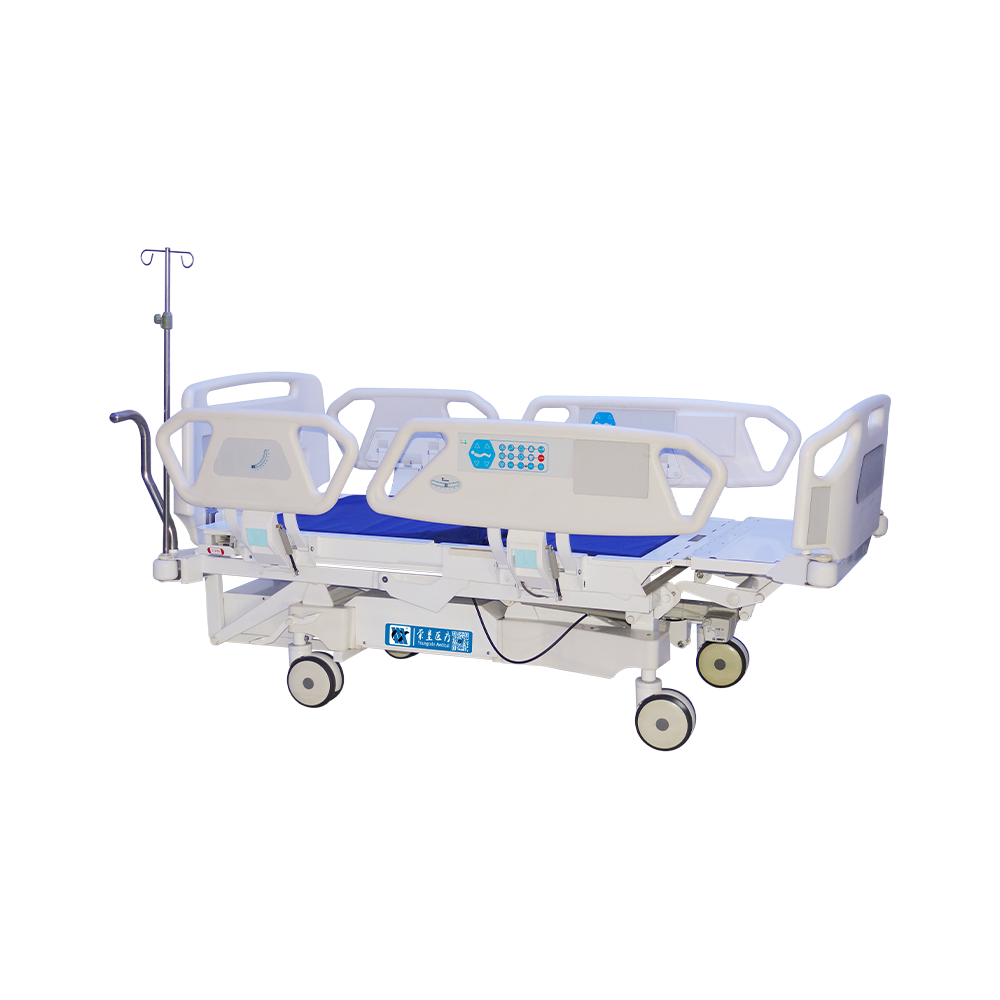 YC-E5638K(II) ICU Bed with Integrated Railing ControlsElectric ICU bed with full-length side rails, railing controls, one-button positions, auto-regress, and CPR access for critical care positioning needs.View Product → YC-E5618K(I) Five-Function Electric ICU Hospital BedFive-function electric ICU bed with railing controls, split drop-down rails, auto-regression, and CPR features for comprehensive positioning and emergency access.View Product →
These beds are designed to support complex positioning needs in critical care environments.
Final Thoughts
Good patient positioning is a collaboration between knowledgeable caregivers and well-designed equipment. By understanding the common positions, using bed features effectively, and following safety principles, you can improve patient comfort and outcomes. If you have questions about choosing the right bed for your facility or home care situation, our team at Youngcoln Medical is here to help. We combine practical experience with a commitment to quality, and we are always happy to share what we have learned.
Recommended Products
-
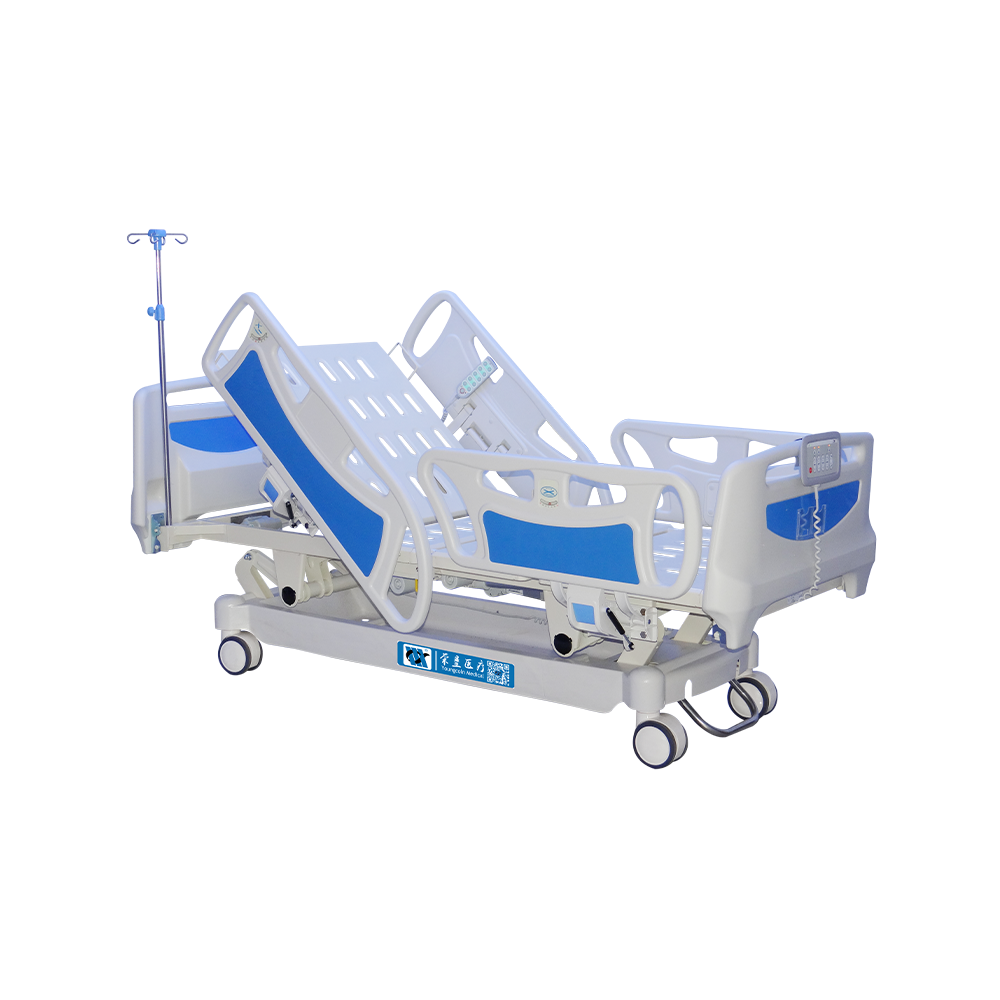

YC-E5618K(I) Electric Automatic Hospital ICU Bed 5 Functions
-
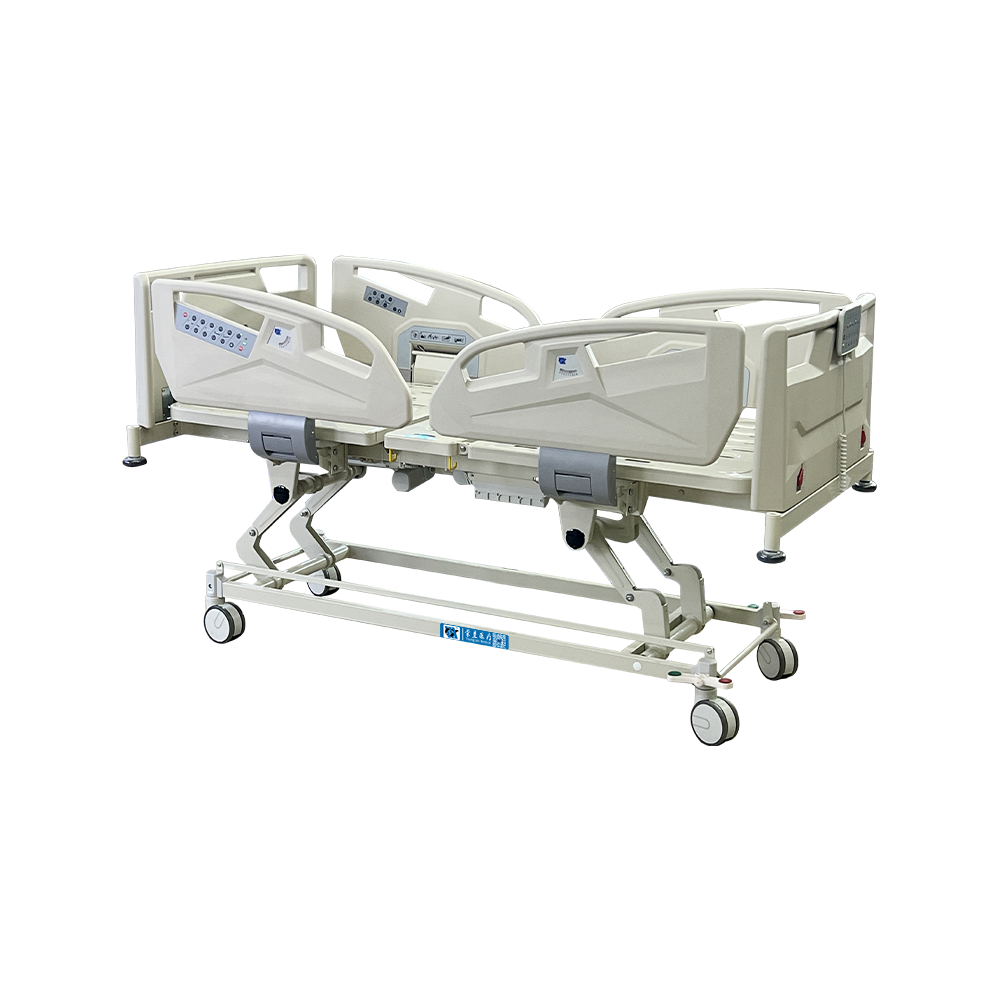
YC-E5618K(III) High Safety Electric Hospital Patient Care Bed
-
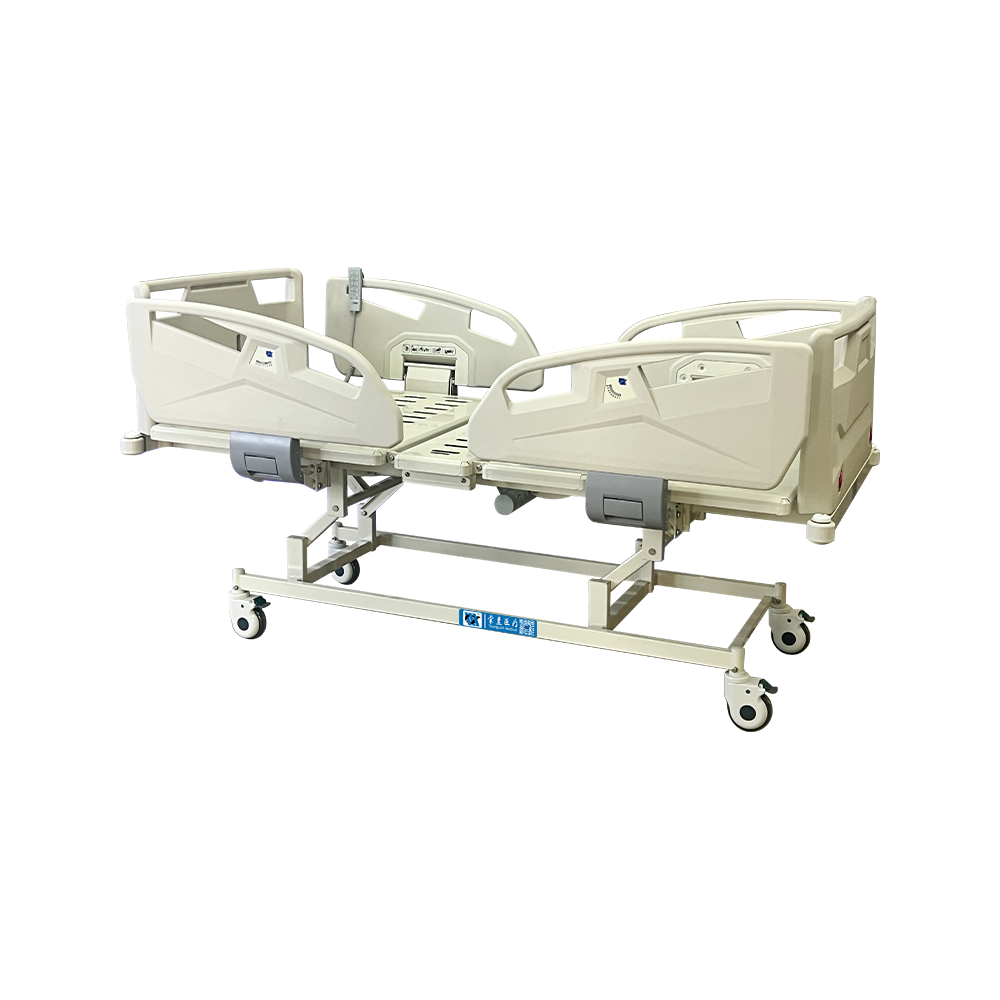
YC-E3618L(III) Extra Large Electric Critical Care ICU Patient Hospital Bed
-
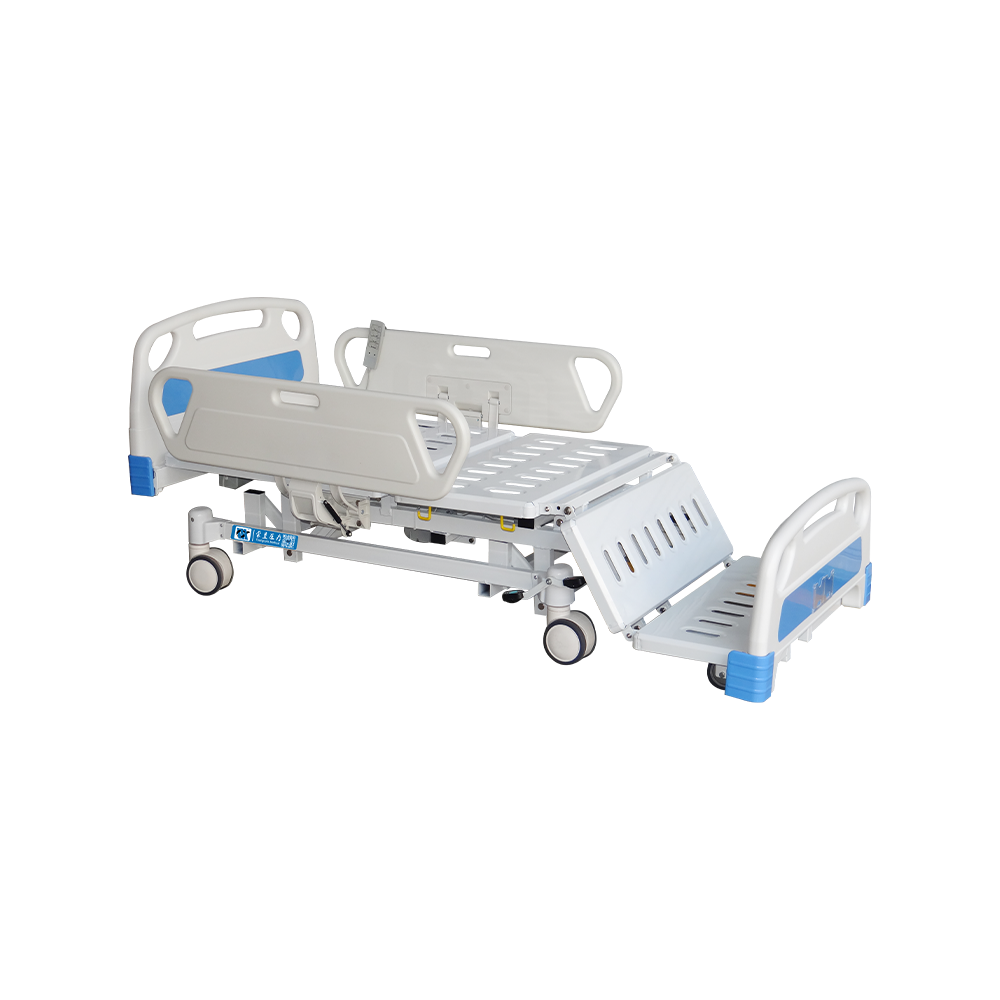
YC-E3618K(IV) Electric Three Functions Hospital Bed For Home Use
-
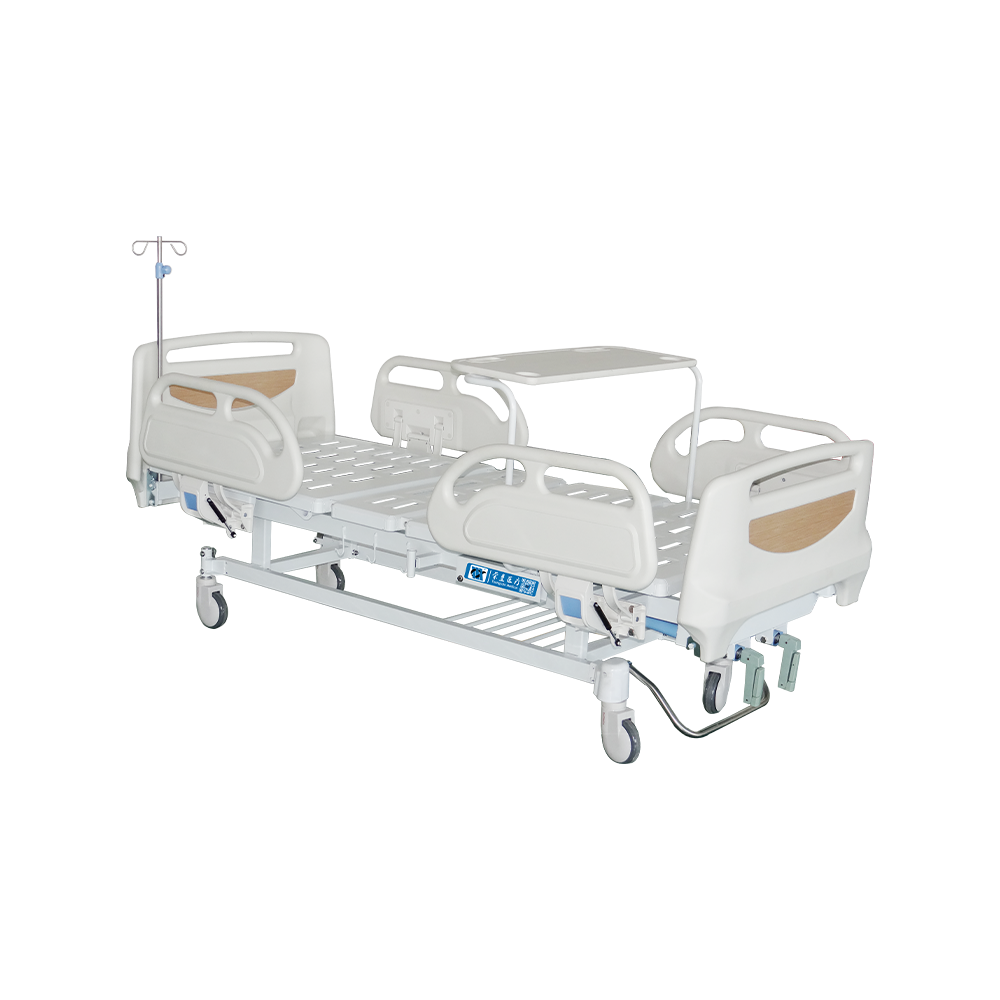
YC-T2618K Manual ABS Guardrails Hospital Bed Two Functions
-
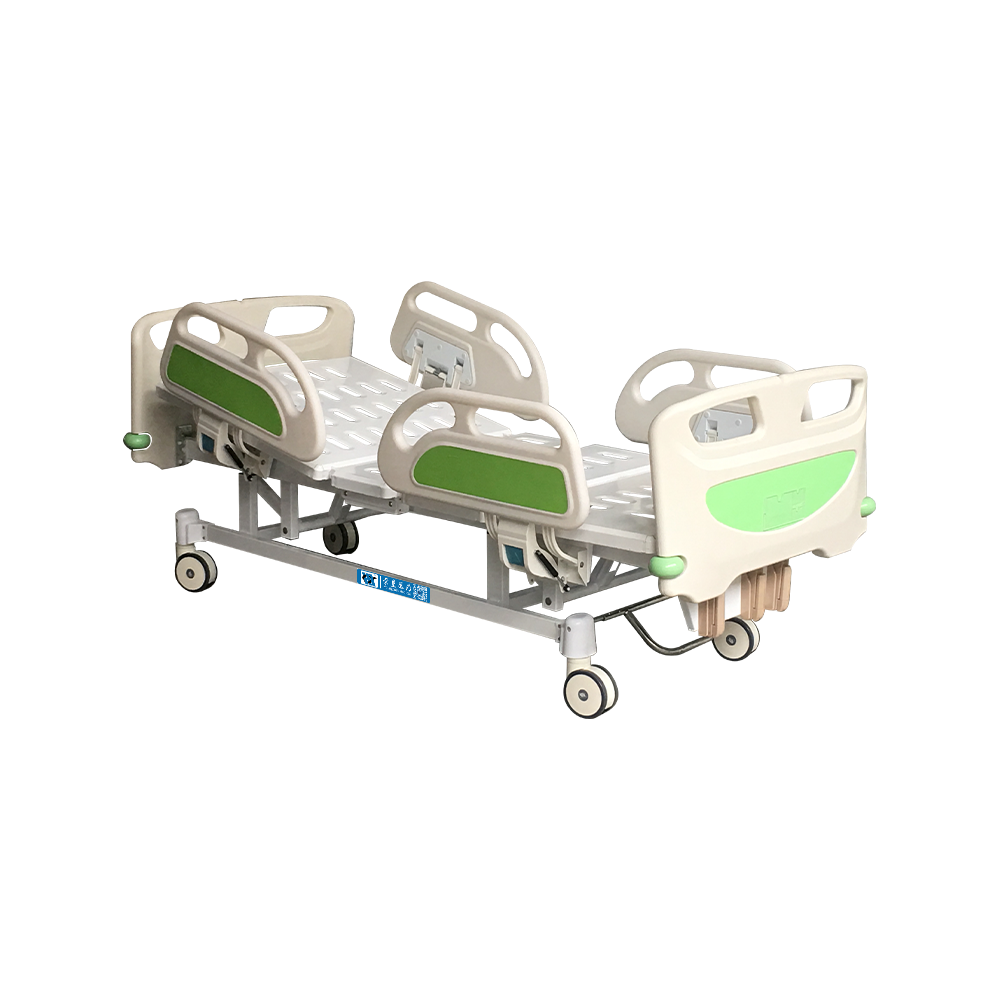
YC-T3618K(II) Manual 4units ABS ABS Manual Guardrails Hospital Bed
Recommended News

- QR CODE:
- OTHER LINKS:
- QUICK LINKS
- Home
- Products
- About Us
- Manufacturing
- Quality Assurance
- News
- Contact us
- PRODUCT CATEGORIES
- Hospital Bed
- Operating Tables
- Patient Transfer Trolley
- Medical Stretcher
- Medical Examination Couch
- Medical Carts
- Stainless Steel Medical Trolley
- Medical Chair
- Wheelchair
- Hospital Ward Furniture
- Optional Accessories
- Customized Products
-
 sales@youngcoln.com

-
PHONE
 +86-13913296627
+86-512-56951592
-
ADD
 No. 130 Southeast Avenue, Zhangjiagang Economic Development Zone, Suzhou, Jiangsu Province 215600, China


Approval No.: Jiangsu Medical Device Business Filing No. 20253048
