

 English
 عربى
 Español
 中文简体



Electric Hospital Bed Guide: Features, Controls, Setup, and Daily Care
Content
- 1 What an Electric Hospital Bed Changes in Daily Care
- 2 Key Features to Compare Before You Choose
- 3 Matching the Bed to the Care Setting
- 4 Safety, Electrical, and Infection-Control Checks
- 5 Setup, Staff Workflow, and Maintenance Habits
- 6 Procurement Questions That Save Time Later
- 7 Working With a Medical Equipment Supplier
An electric hospital bed is more than a powered frame. It is a working platform for nursing care, patient comfort, and safe repositioning throughout the day. Whether you are equipping a new ward, replacing aging equipment, or supporting care at home, the choices you make around adjustment range, controls, surfaces, and accessories will shape how the bed performs for years. This guide walks through the practical points our team discusses with care providers and project buyers, without the sales pressure.
What an Electric Hospital Bed Changes in Daily Care
Manual beds ask caregivers to crank or lift, which can be tiring and time-consuming. Electric models use actuators and a hand control to raise the backrest, adjust leg elevation, and change height. That sounds simple, but the benefit is cumulative. Nurses can position a patient more quickly, reduce awkward reaching, and make transfers easier by matching bed height to a chair, stretcher, or standing frame.
For patients, powered adjustment supports comfort and independence. Someone recovering from surgery may need the head section raised frequently; a long-term care resident may want to sit up for meals without waiting for staff. Height adjustment also helps caregivers work closer to their own posture, which matters during long shifts. The bed does not replace good handling technique, but it gives the care team better tools.
It is also worth thinking beyond the bed itself. Side rails, mattresses, casters, and remote controls all affect daily use. A well-chosen bed with mismatched accessories can create friction, while a modest bed with the right rails and surface can feel complete.
Key Features to Compare Before You Choose
Catalogs can look similar at a glance. The differences usually appear in the details, so it helps to compare a few core areas side by side.
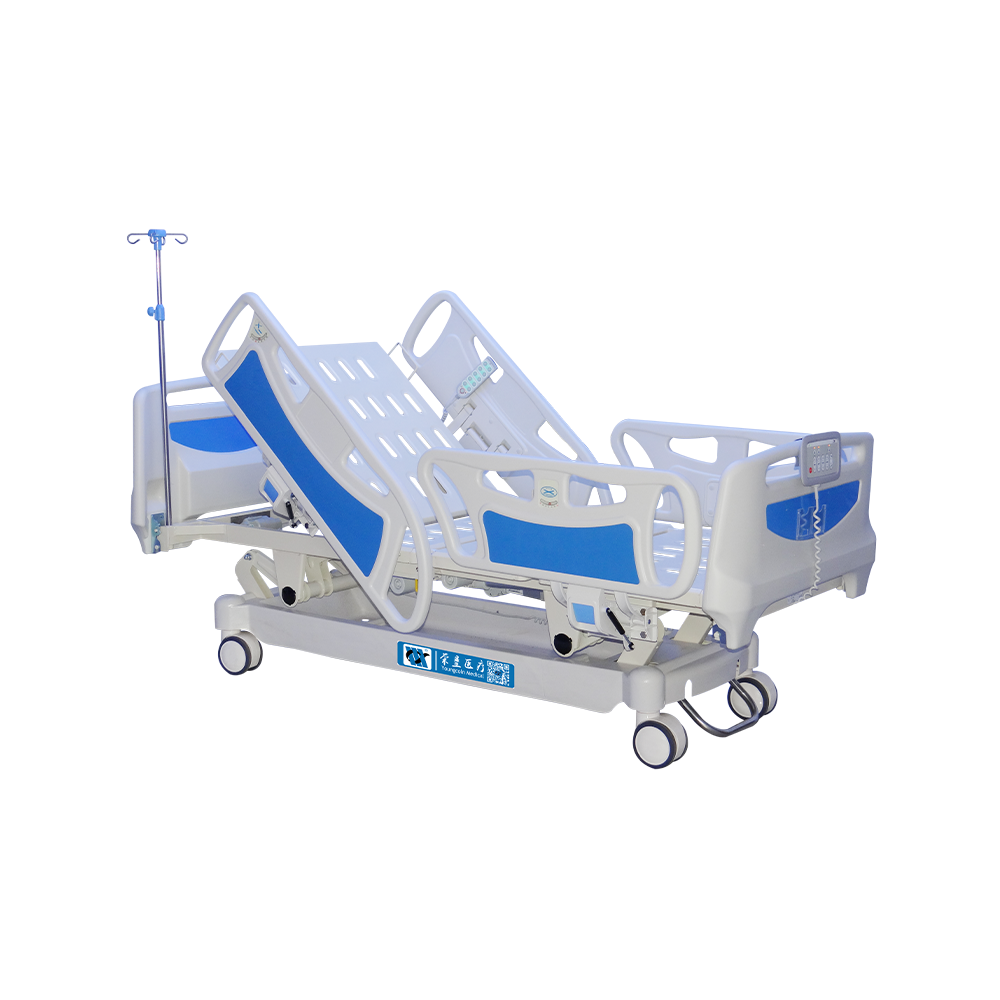
Adjustment Range and Positioning
Check the height range, backrest angle, knee-break angle, and whether the bed offers Trendelenburg or reverse Trendelenburg. Not every setting is needed in every ward, but a clear view of the range prevents surprises. For home care, a lower minimum height can make it easier for a patient to get in and out safely. For intensive care, a wider adjustment range and precise positioning may matter more than a low profile.
Frame, Surface, and Weight Capacity
Ask about the safe working load, deck construction, and compatible mattress types. A powered bed should be matched with a mattress that fits its platform and does not interfere with side rail gaps. If the bed will be moved frequently, caster size and braking action deserve attention. If it will stay in one room, floor protection and cleaning access may be higher priorities.
Controls, Remotes, and Backup Operation
A hand control should be easy to read, secure when not in use, and simple to replace if damaged. Look for clear labeling and a lockout function where vulnerable patients may press buttons unintentionally. Ask how the bed behaves during a power interruption and whether a manual override is available. These questions are easier to answer before delivery than during a busy shift.
Matching the Bed to the Care Setting
The same electric bed design will not suit every environment. A critical care unit, a general ward, and a home bedroom place different demands on space, controls, and accessories. The table below offers a simple way to frame the discussion.
| Care setting | Typical priorities | Configuration considerations |
|---|---|---|
| Critical care | Frequent positioning, patient access, and equipment clearance | Wide height and backrest range, secure rail layout, and clear control labeling |
| General inpatient ward | Durable daily use, easy cleaning, and straightforward operation | Standard height range, robust casters, and compatible mattress sizing |
| Orthopedic or pediatric unit | Stable positioning and appropriate rail coverage | Rail options, surface choice, and controls that can be secured when needed |
| Home or long-term care | Safe transfers, familiar controls, and space efficiency | Lower minimum height, simple hand control, and a layout that fits the room |
Use the table as a starting point rather than a fixed rule. Room dimensions, lift access, staffing patterns, and patient profiles can change the answer. A short site review often reveals constraints that a catalog cannot show.
Safety, Electrical, and Infection-Control Checks
An electric bed introduces motors, cables, and a hand control into the care environment. Ask how the electrical components are protected from fluid ingress and routine cleaning. Confirm that cables are routed away from moving parts and that the control unit can be inspected without dismantling the bed. The supplier should be able to explain the intended cleaning method and any parts that need special care.
Side rails deserve a separate check. Look at the gap between the rail and the mattress, the locking mechanism, and the space around the head and foot sections. Rails should support safe positioning without creating an entrapment risk. If the bed uses a mattress from a different supplier, verify the fit rather than assuming it is compatible.
Braking and mobility also matter. A bed that rolls too easily on a sloped floor is a hazard; a bed that is difficult to move can slow down transfers. Test the casters on the actual floor surface if possible. In home settings, check doorway widths, turning space, and the route to the bathroom before delivery.
Finally, keep the user manual accessible. A short orientation session for caregivers is often more valuable than a long specification sheet, especially when several people share responsibility for the same bed.
Setup, Staff Workflow, and Maintenance Habits
Delivery day is not the end of the process. A planned setup routine helps the bed settle into real use. Confirm the room is ready, the floor is clear, and the correct mattress and accessories are on hand. Check that the bed operates smoothly through its full range before a patient uses it. Mark the hand control hook or storage point so it does not dangle or get caught.
Simple maintenance habits extend service life. Keep the actuator area free of dust and fluid build-up. Inspect cables for wear. Check rail locks and caster brakes regularly. Record any fault clearly, including what the bed was doing when the issue appeared. That information helps a technician diagnose the problem faster and reduces downtime.
Training should cover more than button functions. Caregivers need to know how to lock out controls, what to do during a power failure, and when to stop using the bed and call for service. A brief refresher after staff changes is worth the time.
Procurement Questions That Save Time Later
Before comparing prices, clarify the practical details that affect installation and long-term use. A short list of questions can prevent repeated follow-up and mismatched orders.
- What is the bed's safe working load, and which mattress types are compatible?
- What height, backrest, and leg adjustment ranges are available?
- Are side rails, casters, and hand controls included, or selected separately?
- How is the bed locked out, and what happens during a power interruption?
- What cleaning and inspection routine does the manufacturer recommend?
- Which spare parts are commonly replaced, and how are they ordered?
- What documentation and labeling are supplied with each unit?
Ask for the answers in writing where possible. Clear specifications make it easier to compare offers and to brief the team who will use the beds.
Working With a Medical Equipment Supplier
Our experience at Jiangsu Youngcoln Medical has been built around medical projects that need practical equipment, clear communication, and dependable delivery. Our range includes electric hospital beds, ICU beds, manual beds, and ward accessories such as side rails, casters, and remote controls. We also supply related patient-handling and ward furniture items, which helps when a project needs a coordinated set rather than a single piece.
We prefer to start with your care setting and constraints, not with a fixed package. Tell us about room sizes, patient groups, cleaning routines, and the way your team works. Those details guide the configuration discussion more effectively than a generic feature list. If a simpler bed is the better fit, we will say so. The goal is equipment that supports safe, calm daily care.
Choosing an electric hospital bed comes down to matching powered adjustment to real care routines. Look closely at the range of movement, the controls, the rail and mattress fit, and the way the bed will be cleaned and maintained. Involve the people who will use it, test it in the intended space, and keep the documentation accessible. With those steps, an electric bed becomes a reliable part of the care environment rather than a complicated addition to it.
Recommended Products
-
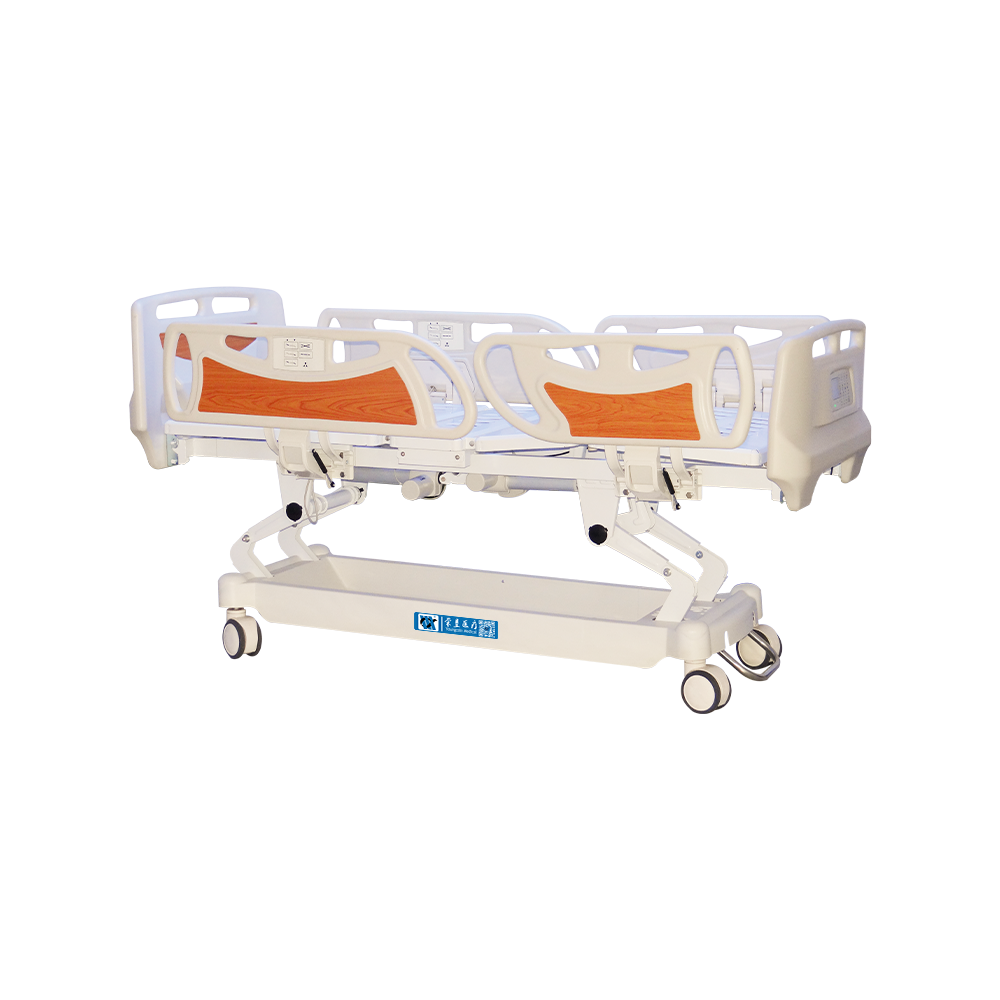

YC-E5638K(I) ICU Bed Integrated With Railing Control
-
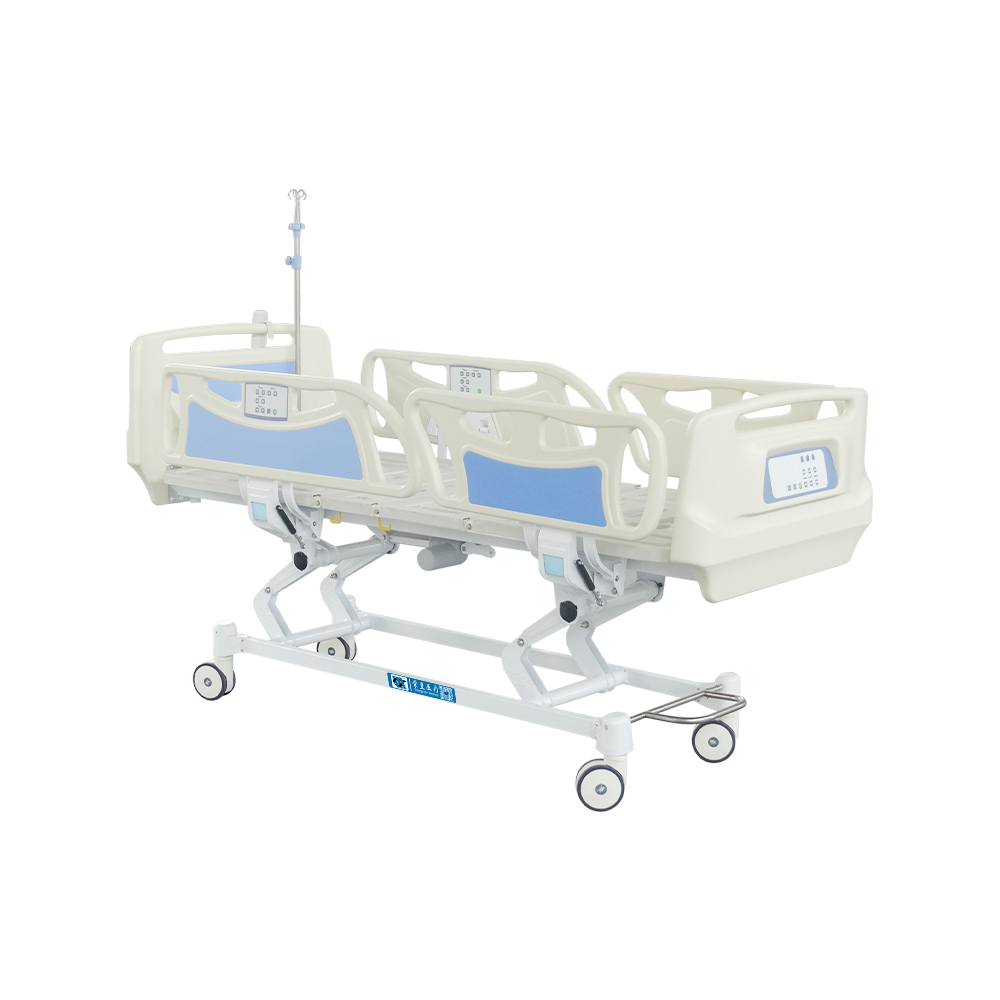
YC-E5638K(II) New Generation ICU Bed Integrated With Railing Control
-

YC-E5618K(I) Electric Automatic Hospital ICU Bed 5 Functions
-
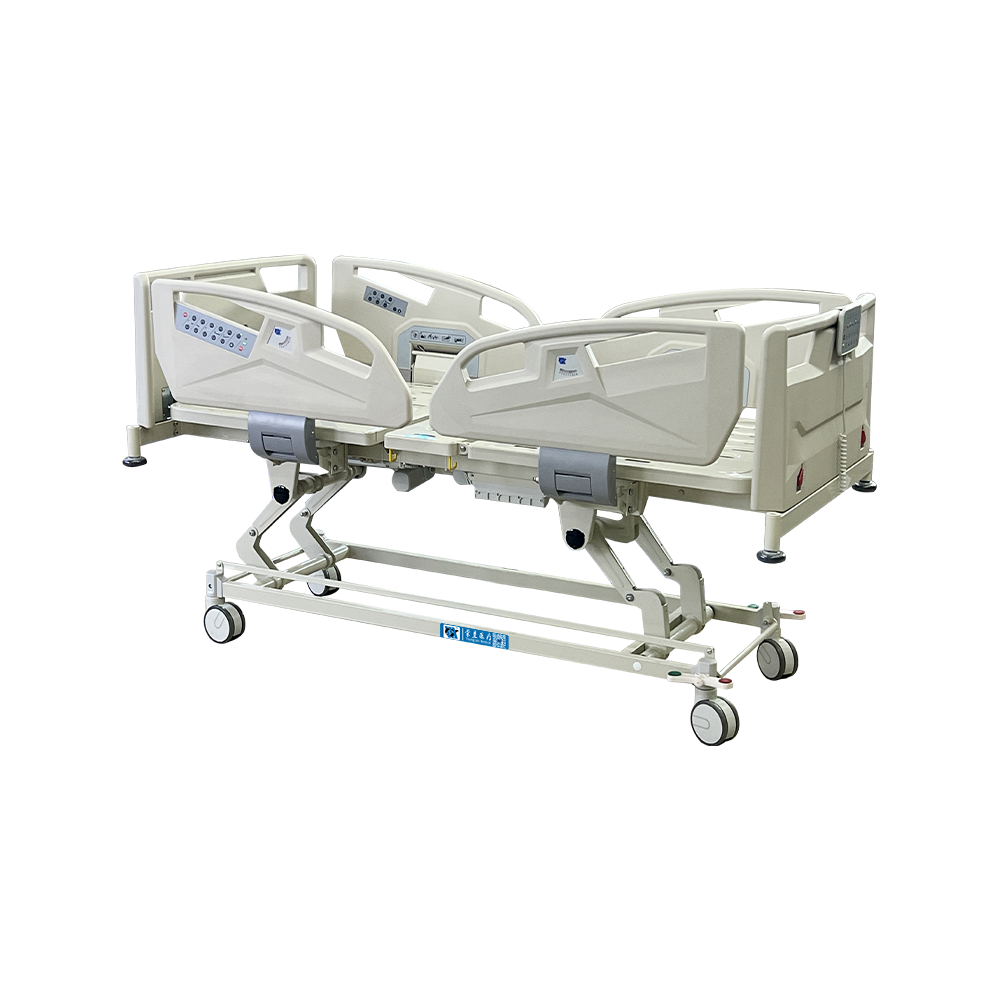
YC-E5618K(III) High Safety Electric Hospital Patient Care Bed
-
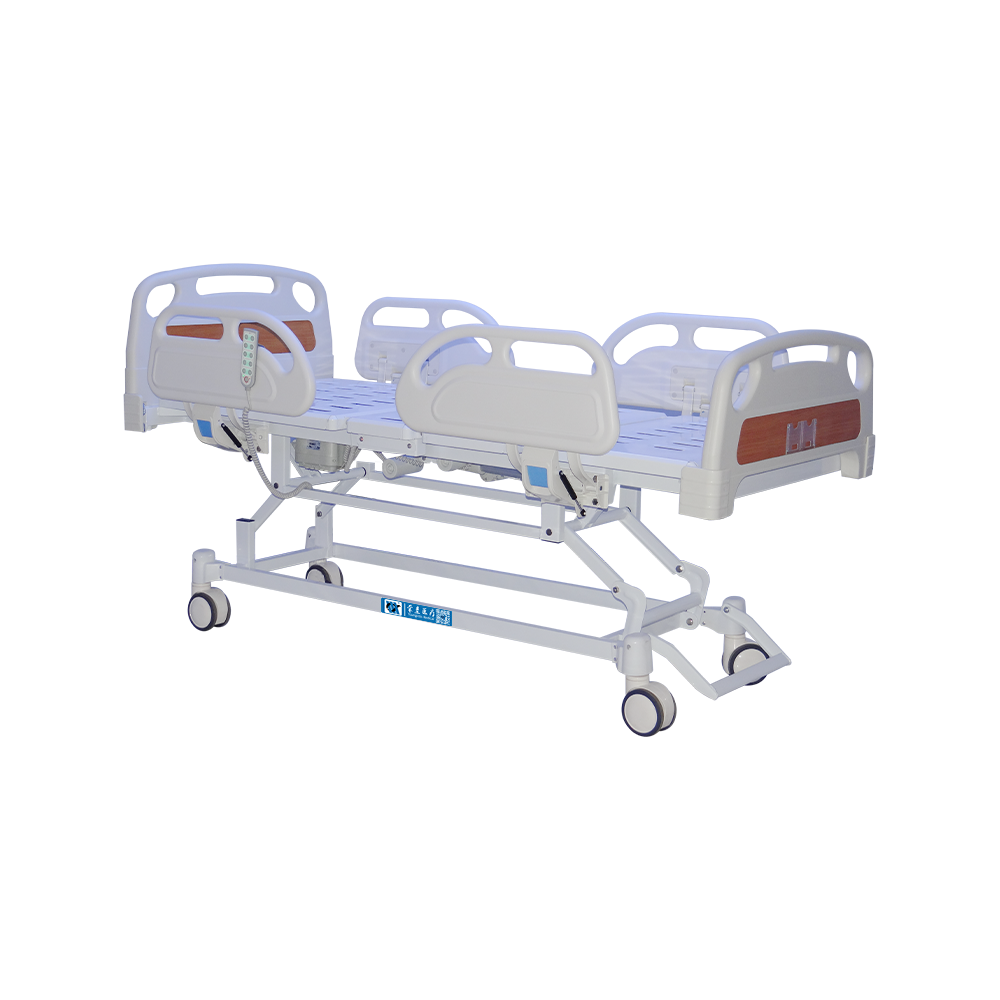
YC-E5618K(IV) Electric Hospital Room Bed With Remote Control
-
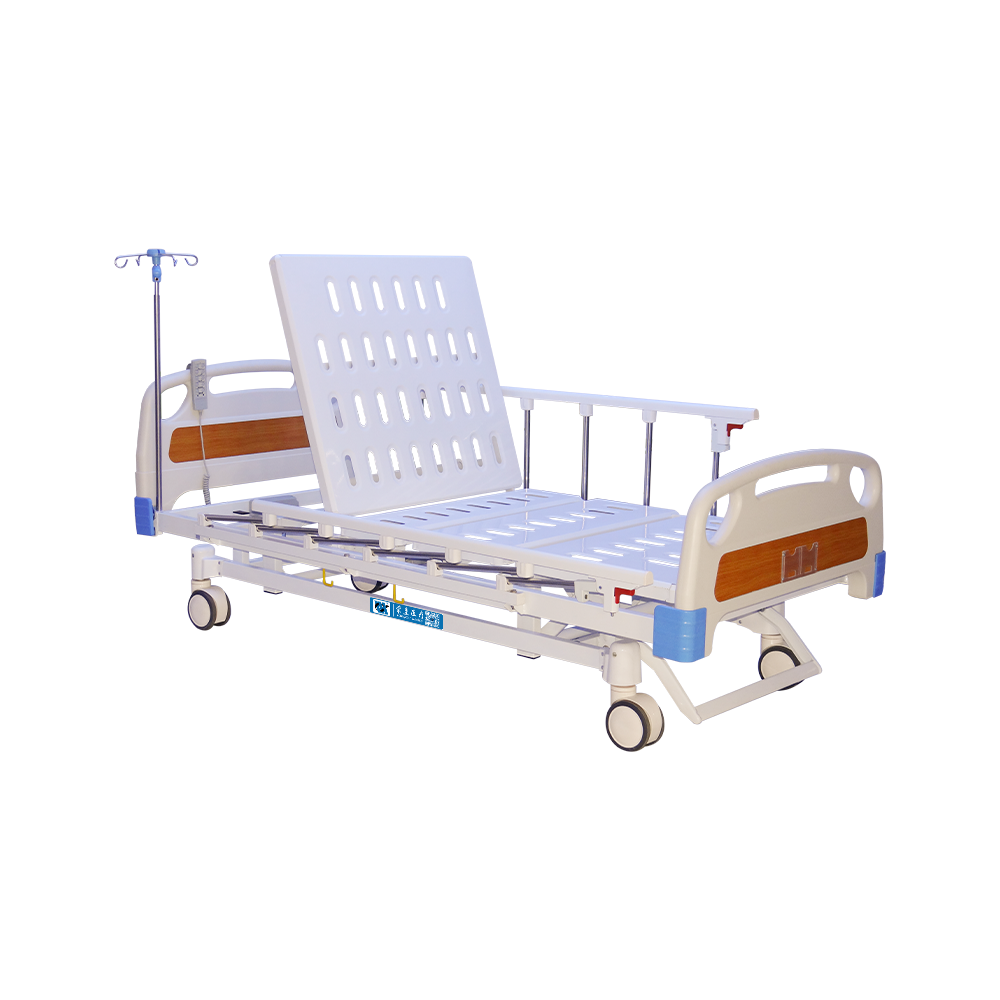
YC-E5611K Electric Hospital Bed With Central Locking Steer Function
-
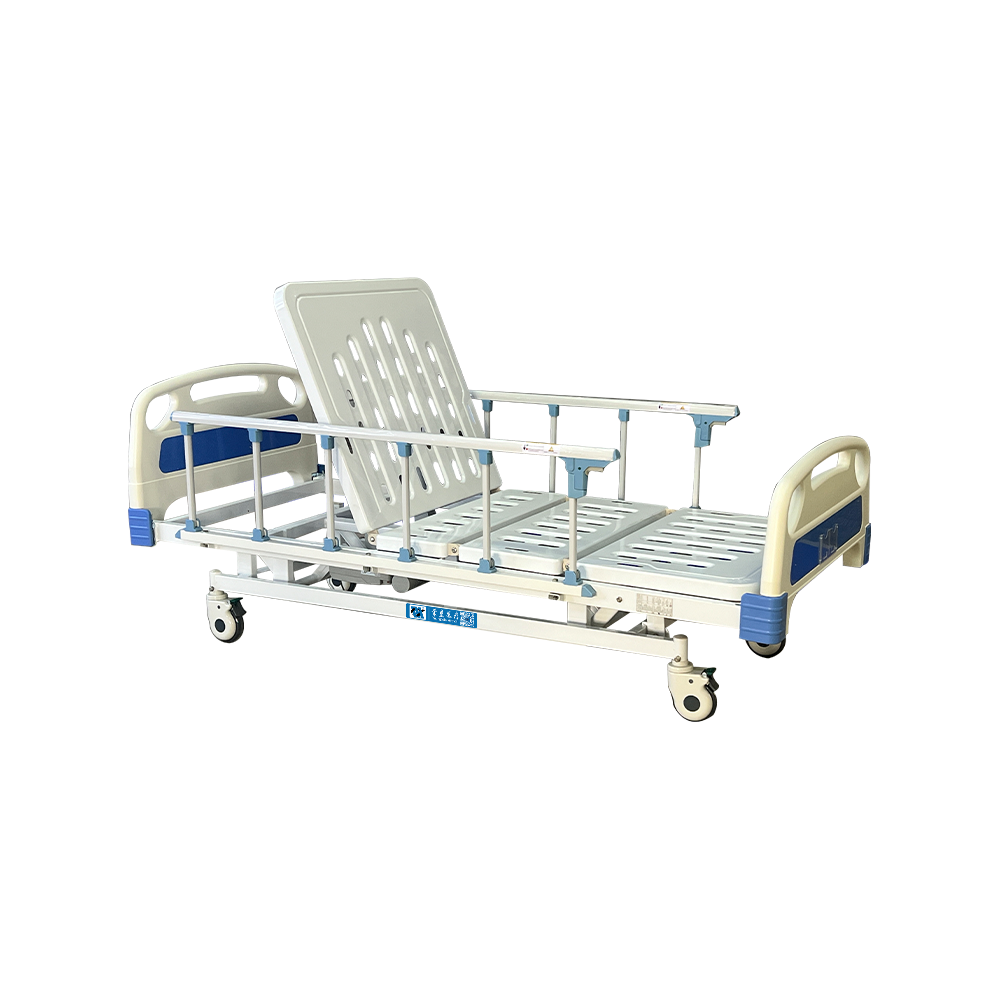
YC-E5611L Electric Hospital Bed With Five Function
-
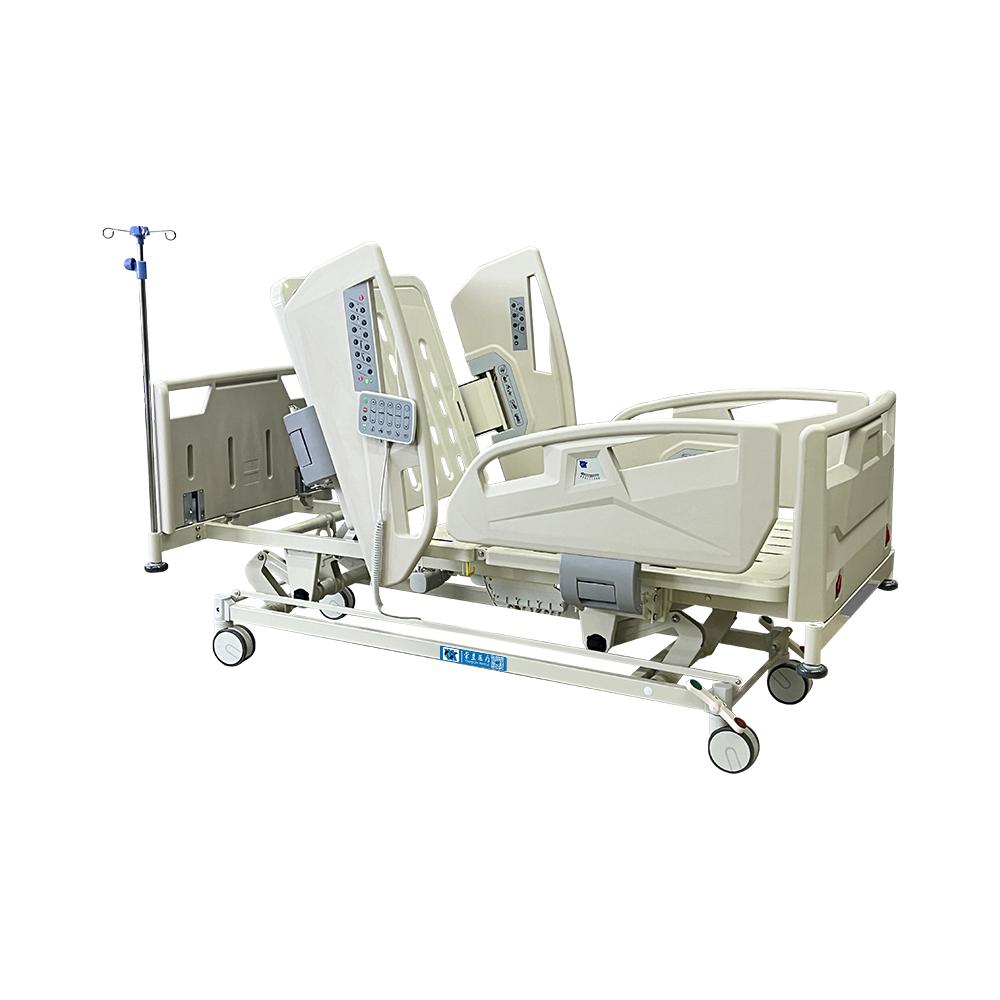
YC-E3618K(I) Comfortable Full Electric Hi-Low Hospital Bed
-
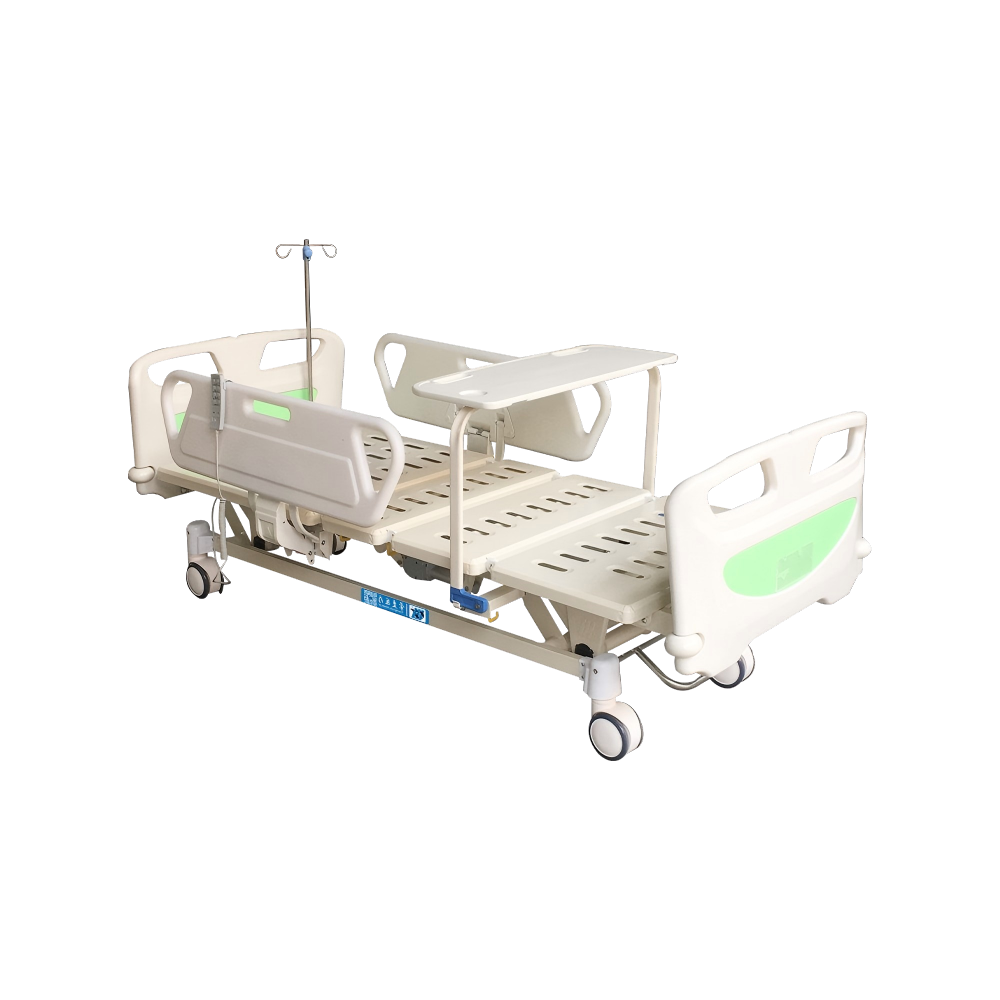
YC-E3618K(II) 3-function Electric Bed Electric Adjustable Hospital Bed
-
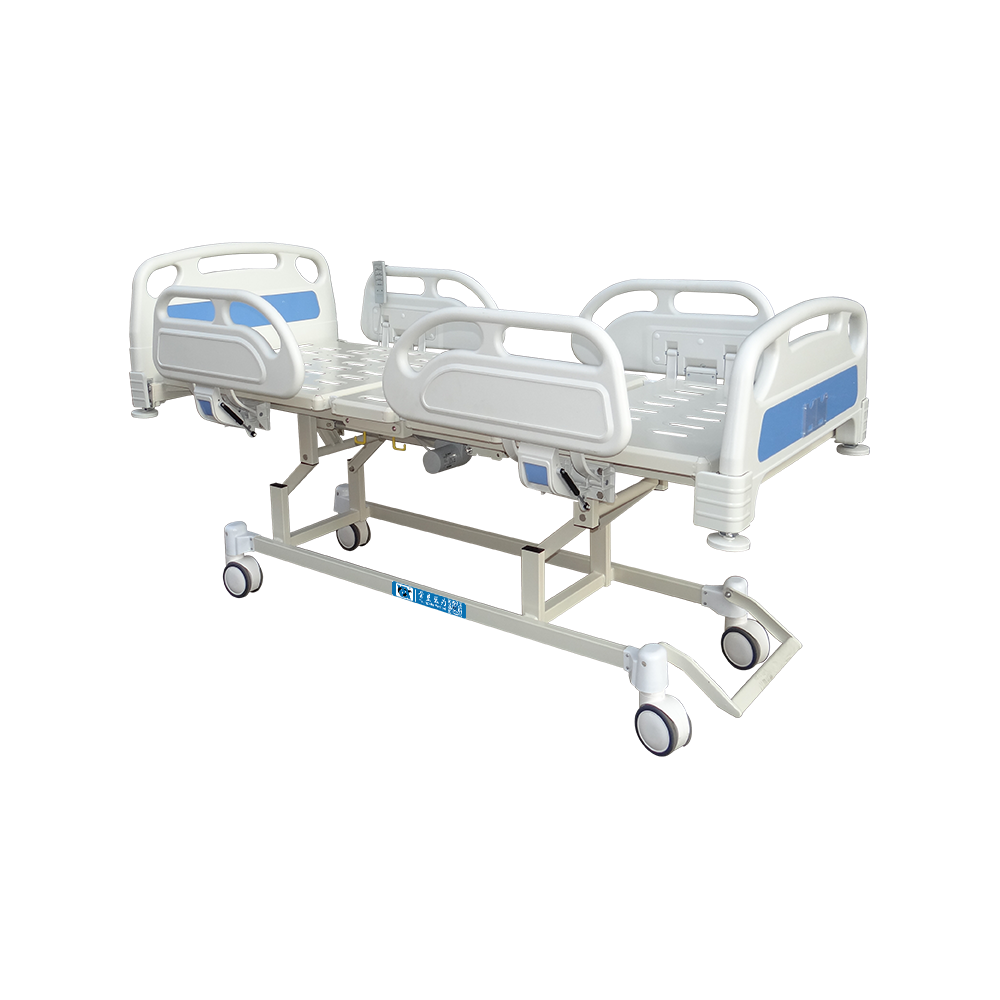
YC-E3618K(V) Electric Three Functions Hospital Beds ABS Side Rails

- QR CODE:
- OTHER LINKS:
- QUICK LINKS
- Home
- Products
- About Us
- Manufacturing
- Quality Assurance
- News
- Contact us
- PRODUCT CATEGORIES
- Hospital Bed
- Operating Tables
- Patient Transfer Trolley
- Medical Stretcher
- Medical Examination Couch
- Medical Carts
- Stainless Steel Medical Trolley
- Medical Chair
- Wheelchair
- Hospital Ward Furniture
- Optional Accessories
- Customized Products
-
 sales@youngcoln.com

-
PHONE
 +86-13913296627
+86-512-56951592
-
ADD
 No. 130 Southeast Avenue, Zhangjiagang Economic Development Zone, Suzhou, Jiangsu Province 215600, China


Approval No.: Jiangsu Medical Device Business Filing No. 20253048
