

 English
 عربى
 Español
 中文简体



Comfortable Manual Wheelchair: Sourcing Guide for Buyers 2026
Content
- 1 What Makes a Manual Wheelchair Comfortable: Five Design Factors
- 2 Frame Material Comparison: Steel, Aluminum and Premium Lightweight Builds
- 3 Hidden Metrics: Where Comfort Complaints Actually Come From
- 4 Where Comfortable Manual Wheelchairs Are Used: Procurement by Channel
- 5 Selection Guide: From Specification to Sample Approval
- 6 ROI Analysis: Why Total Cost of Ownership Beats Unit Price
- 7 Maintenance and Compliance Recommendations for Wheelchair Fleets
- 8 Frequently Asked Questions About Comfortable Manual Wheelchairs
- 9 Summary: Specify Comfort, Test It, Then Scale
A comfortable manual wheelchair is not a luxury feature for distributors and institutional buyers. It is the main driver of repeat orders, low return rates and positive feedback from end users. The World Health Organization estimates that about 80 million people worldwide need a wheelchair, and a chair that fits poorly or supports its user badly is usually the first to be abandoned, returned or replaced early.
Procurement briefs from hospitals, elder-care groups and medical equipment dealers tend to follow the same pattern. Buyers compare price, folded size and load rating, then discover comfort problems only after the first shipment reaches real users. This guide from Jiangsu Youngcoln Medical Co., Ltd. turns "comfort" into measurable specifications that can be written directly into a purchase order, tested on samples and defended in a cost review.
What Makes a Manual Wheelchair Comfortable: Five Design Factors
Comfort in a wheelchair is cumulative. A user who sits for six to ten hours a day feels every small compromise: a seat that is slightly too deep, a sling that sags, an armrest that sits a few centimeters too high. The five factors below cover the majority of what end users notice, and each one can be checked on a sample before an order is placed.
Seat Width and Depth Rules That Prevent Returns
The most common fitting rule is simple. Seat width should equal the user's hip width plus roughly 5 cm (2 inches) in total, and seat depth should be the distance from buttock to the back of the knee minus about 5 cm. Standard adult chairs are usually offered in widths near 16, 18 and 20 inches (about 406, 457 and 508 mm). Stocking only one width saves inventory cost but pushes a share of users into a poor fit, which is where comfort complaints begin.
Wheelchair Seat Cushion and Sling Choices
A basic sling seat with a thin foam pad works for short hospital transfers. It does not suit someone who sits for hours, because the foam compresses quickly and the sling stretches into a hammock shape. For long-term use, specify high-resilience foam, a gel-foam composite or an air-cell cushion, paired with a breathable, wipe-clean cover. Ask suppliers to state foam thickness and density in the quotation rather than describing the seat only as "thick" or "soft".
Lightweight Manual Wheelchair for Elderly Users and Caregivers
Weight affects two people: the user pushing the rims and the caregiver lifting the folded chair into a car boot. Aluminum frames typically bring a chair down to the low-to-mid teens in kilograms, while basic steel chairs often sit in the high teens to mid-twenties. For elder-care operators who move chairs many times per shift, even a few kilograms saved per unit reduces handling strain and improves staff acceptance of the equipment.
Wheels, Casters and Ride Quality
Rear wheels are commonly 24 inches, with front casters between 6 and 8 inches. Larger casters roll over thresholds and cracks more smoothly, while smaller casters turn tighter in narrow corridors. Pneumatic tires absorb vibration better but need pressure checks and puncture repairs. Solid polyurethane tires need almost no maintenance, which suits institutions with limited service staff, though they transmit more road shock to the user.
Frame Material Comparison: Steel, Aluminum and Premium Lightweight Builds
Frame material shapes weight, durability, corrosion behavior and price in one decision. The table below summarizes typical reference ranges seen across the manual wheelchair category. Treat them as planning values and confirm exact figures against the specification sheet of the model you are evaluating.
Reference ranges for planning only. Actual values vary by model, wall thickness, finish and configuration.
Two lessons stand out. First, aluminum is not automatically more comfortable than steel. A well-designed steel chair with a good cushion and correct seat dimensions can feel better than a light aluminum chair with a thin sling. Second, the biggest jump in everyday comfort usually comes from moving from the first column to the second, not from the second to the third. For most elder-care and home-care programs, a quality aluminum model with upgraded seating is the practical sweet spot.
Hidden Metrics: Where Comfort Complaints Actually Come From
Frame weight and load rating appear on every spec sheet, so buyers compare them first. Complaint data tells a different story. When after-sales feedback on manual wheelchairs is grouped by cause, most comfort-related issues cluster around the seat and backrest rather than the structure underneath. The chart below shows an illustrative planning model of how those complaints are typically distributed, useful for deciding where to spend your sampling and quality-control effort.
The practical reading is clear. Roughly half of comfort issues come from just two components, the cushion and the backrest. Both are inexpensive to upgrade at the factory and costly to fix after the chair is in the field. Buyers who add a cushion thickness requirement, a backrest tension specification and a simple seat-sag test to their incoming inspection checklist remove a large share of avoidable complaints before the first user ever sits down.
Armrest and footrest fit deserves a second look because it is the cheapest problem to prevent. Armrests that cannot be raised or lowered force users to hunch or let their shoulders drift upward. Footplates without angle adjustment leave ankles at an awkward position. Specifying adjustability here costs little and widens the range of users one model can serve.
Where Comfortable Manual Wheelchairs Are Used: Procurement by Channel
Different buyers weigh comfort differently. A hospital transport pool cares about durability and cleaning speed. A nursing home cares about long sitting hours. A home-care dealer cares about returns and word of mouth. The chart below shows an estimated mix of procurement channels for comfort-focused manual wheelchairs, based on a typical B2B order profile.
Mix
Hospitals and elder-care operators together account for the majority of volume, and their needs are different enough to justify two specification tiers. Hospital fleets benefit from easy-clean upholstery, robust brakes and quick-fold frames that stack neatly. Elder-care residents spend far longer in the chair, so cushion quality, backrest support and adjustable leg rests carry more weight in the buying decision.
Home-care dealers are the most sensitive to returns, because each returned chair erodes margin and reputation at the same time. For this channel, a wheelchair wholesale supplier that offers consistent seat dimensions, clear sizing guidance and reliable packaging does more for profit than a lower unit price. Rental fleets in airports and public venues sit at the other end, where durability and fast turnaround matter more than fine adjustability.
Selection Guide: From Specification to Sample Approval
A repeatable selection process protects buyers from both over-specifying and under-specifying. The sequence below works for a first order and scales to annual framework agreements.
ROI Analysis: Why Total Cost of Ownership Beats Unit Price
Purchasing teams often compare the invoice price of two chairs and stop there. A more useful comparison divides total cost by years of service. The model below uses assumptions that you should replace with your own quotations and service records. It is designed to show the logic, not to promise specific savings.
Illustrative model. Replace prices, repair rates and service life with your own quotations and records.
Under these assumptions, the comfort-spec chair costs about 49% more to buy up front, yet roughly 28% less per year of service. The saving comes from two sources: fewer repairs and returns, and a longer period before replacement. Neither shows up on a quotation sheet, which is why they are so often missed.
There are softer returns as well. Facilities with satisfied residents field fewer complaints, staff spend less time adjusting and repositioning users, and dealers who stop handling returns can spend that time selling. If you track these effects during a pilot, they strengthen the business case far beyond the table above.
Maintenance and Compliance Recommendations for Wheelchair Fleets
Compliance Checklist Before You Import
Regulatory requirements differ by market, so verify them for your destination before confirming an order. As a general reference, the ISO 7176 series defines test methods for wheelchairs, including static stability (Part 1), brake effectiveness (Part 3), static, impact and fatigue strength (Part 8), disclosure and labeling (Part 15) and resistance to ignition of seating materials (Part 16). A reputable manufacturer should be able to share test reports tied to the specific model you are purchasing.
In the United States, manual wheelchairs are regulated under 21 CFR 890.3850 as Class I mechanical wheelchairs, and many Chinese manufacturers have submitted 510(k) notifications for individual models. In the European Union, wheelchairs fall under the Medical Device Regulation and require CE marking with appropriate technical documentation. A quality management system certificate such as ISO 13485 is a useful signal of manufacturing discipline. Ask for copies, check that model names match, and keep them in your supplier file.
Preventive Maintenance Schedule
Comfort degrades slowly, and users rarely report a problem until it becomes obvious. A simple schedule keeps fleets in good condition and protects the investment.
Keep a serial-number log that records inspection dates and replaced parts. It speeds up warranty claims, reveals which models wear fastest, and gives your next purchasing round hard data instead of opinions. When ordering, ask the manufacturer to include a spare parts list for casters, bearings, brake assemblies and upholstery so replacements do not stall your fleet.
Frequently Asked Questions About Comfortable Manual Wheelchairs
+Which seat width should we stock for a general adult market?
+Is an aluminum frame always more comfortable than steel?
+Should we choose pneumatic or solid tires?
+How can we verify comfort claims before a bulk order?
+Can the wheelchair be customized with our own logo, packaging or upholstery?
+What cushion is best for users who sit for many hours a day?
+Which documents should we request from a wheelchair supplier?
+How often should a manual wheelchair fleet be inspected?
Summary: Specify Comfort, Test It, Then Scale
A comfortable manual wheelchair comes from a set of decisions that can be written down and checked. Match seat width and depth to the user, specify the cushion and backrest in measurable terms, choose a frame class that fits the use case, and make armrests and leg rests adjustable. Then test a production sample with real users, verify the supplier's documentation and compare options by cost per year of service rather than invoice price.
Buyers who follow this approach see fewer returns, lower maintenance costs and better feedback from the people who actually sit in the chairs. Jiangsu Youngcoln Medical Co., Ltd. welcomes inquiries from hospitals, care operators and distributors who want to build a comfortable manual wheelchair specification around their own users and markets.
Recommended Products
-
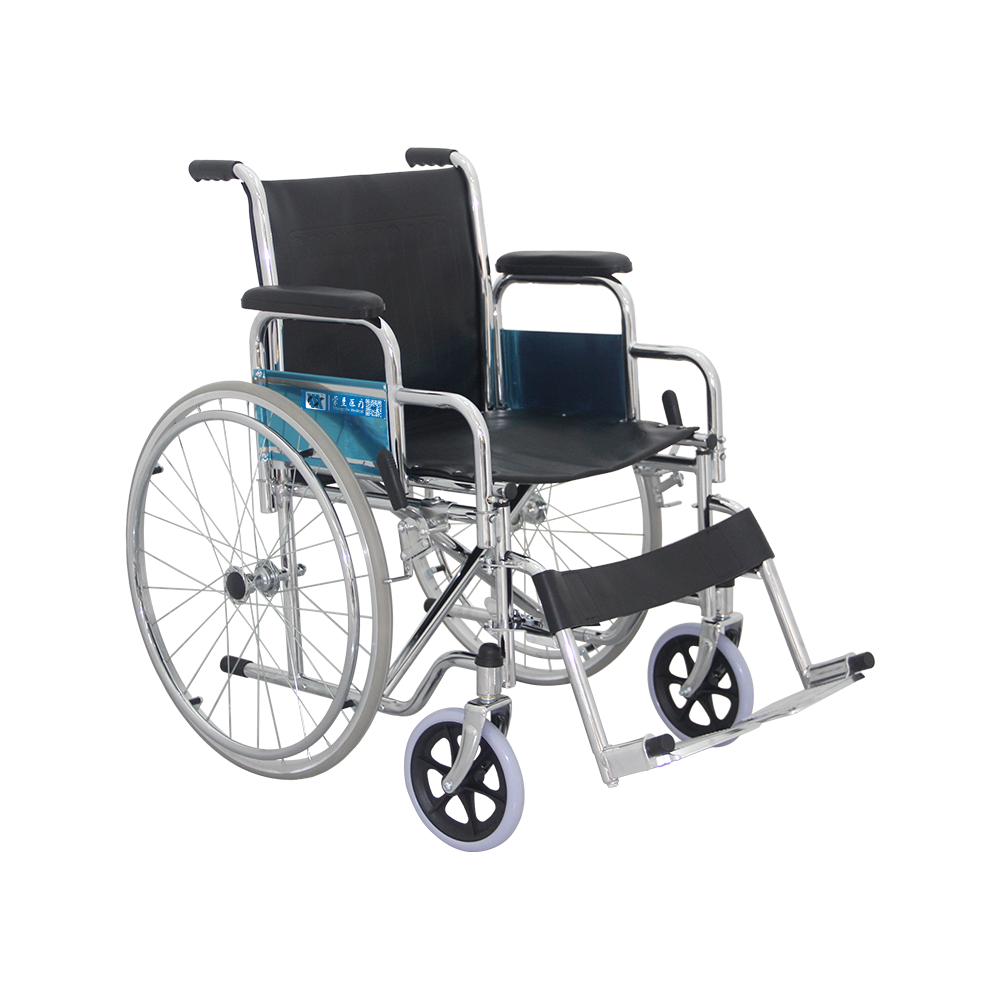

FY903 Comfortable Manual Wheelchair
-
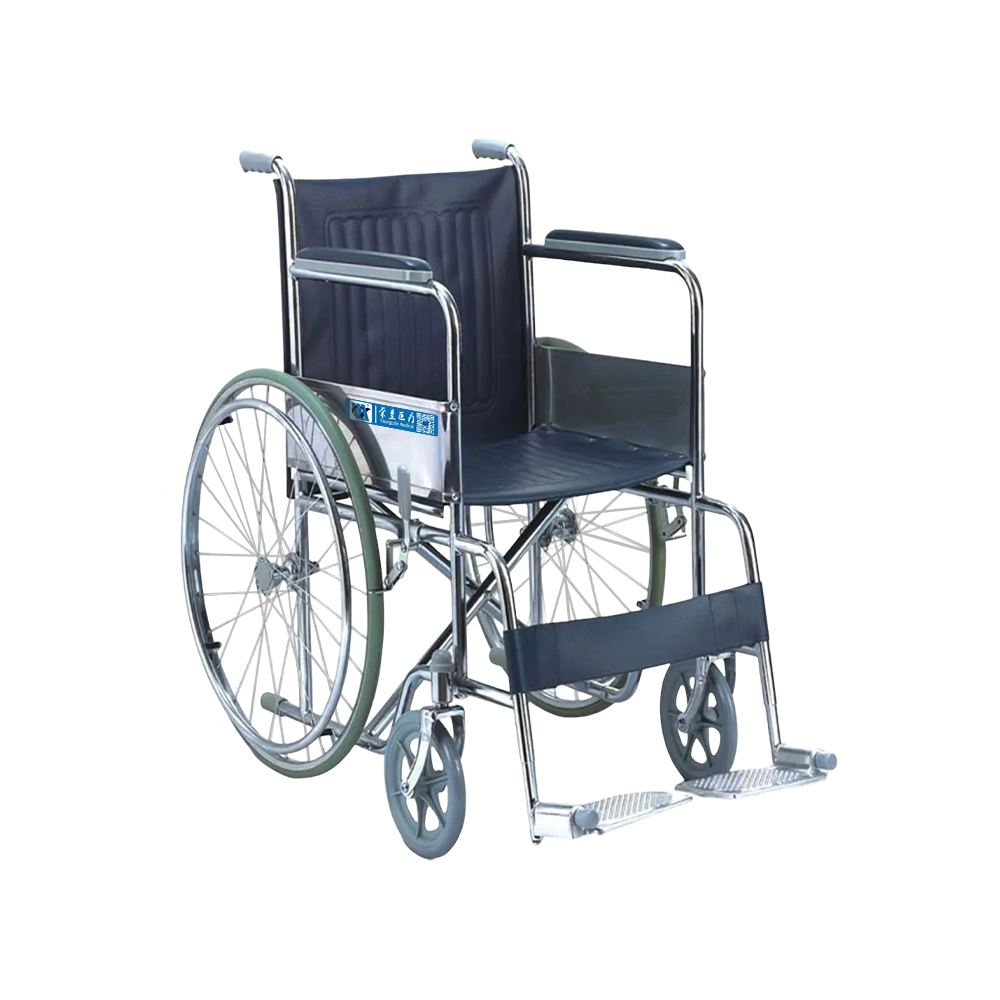
FY809 Comfortable Manual Wheelchair
-
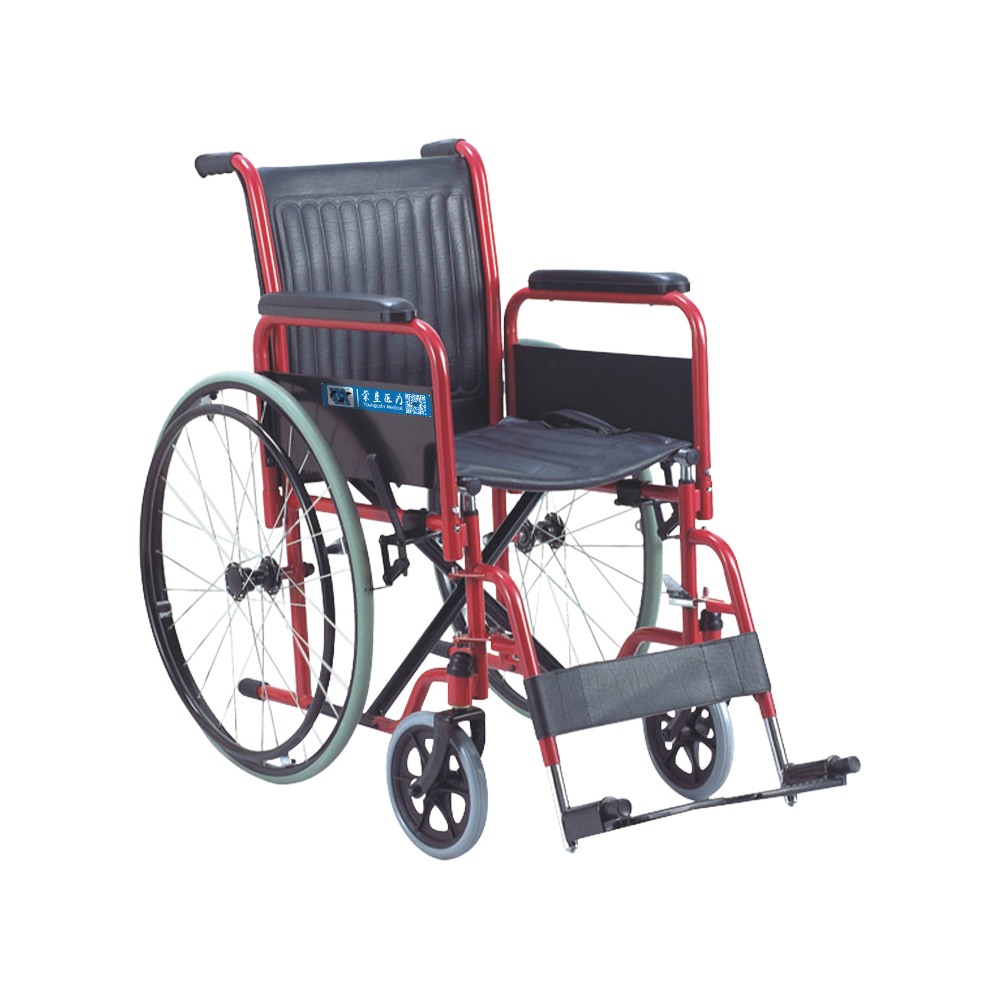
BDWC102 Comfortable Manual Wheelchair
-
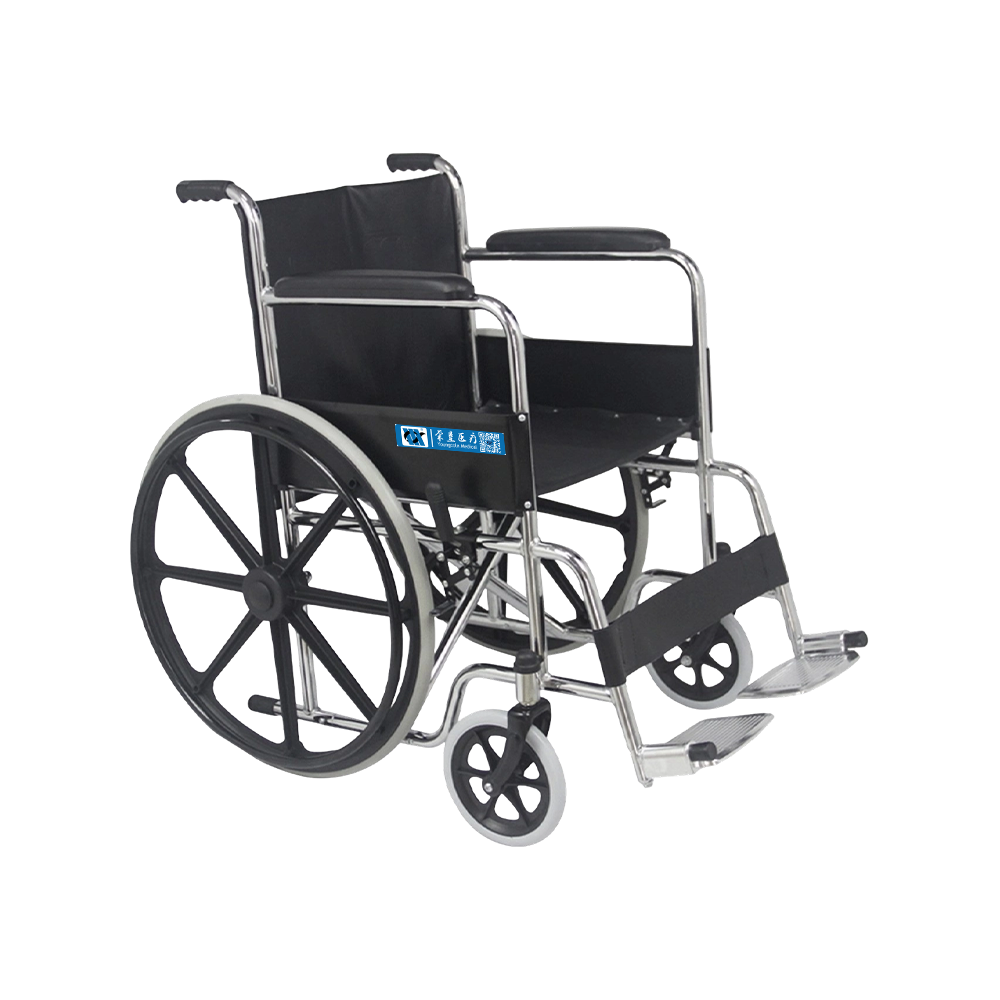
BDWC101 Comfortable Manual Wheelchair
-
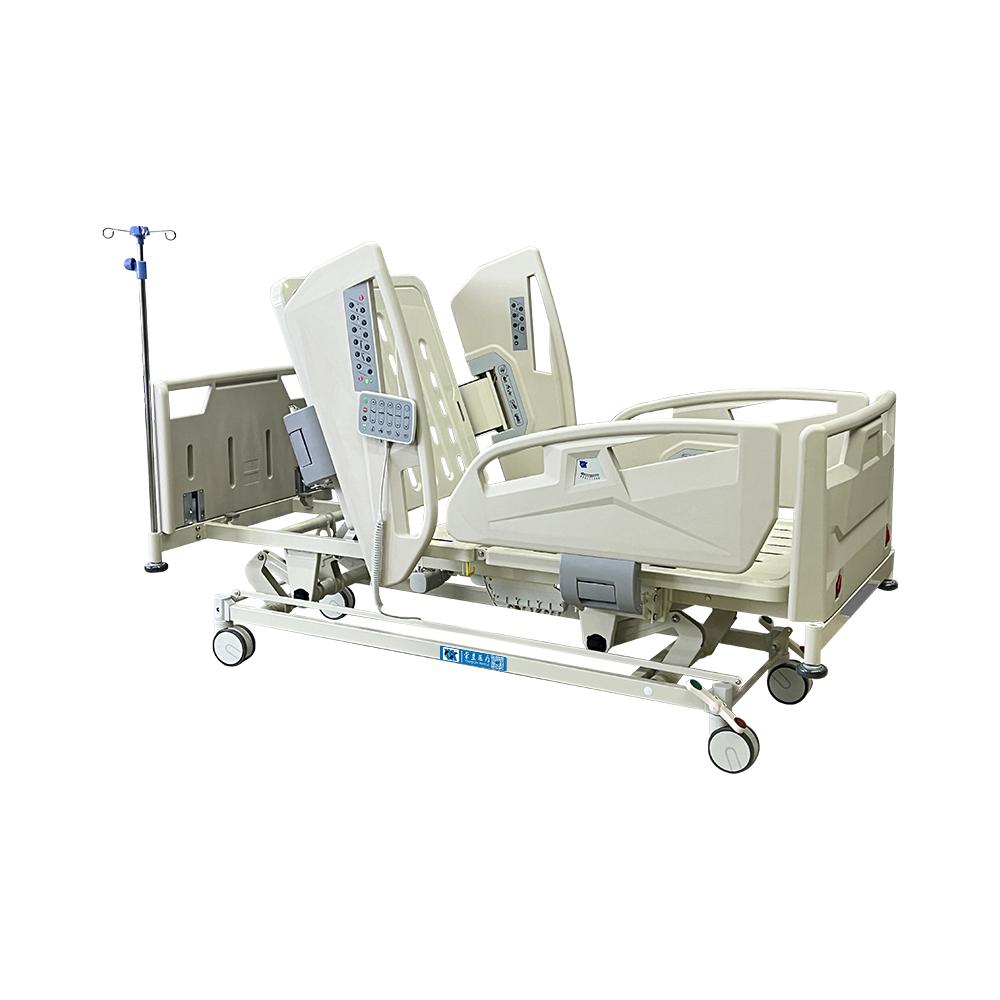
YC-E3618K(I) Comfortable Full Electric Hi-Low Hospital Bed
-
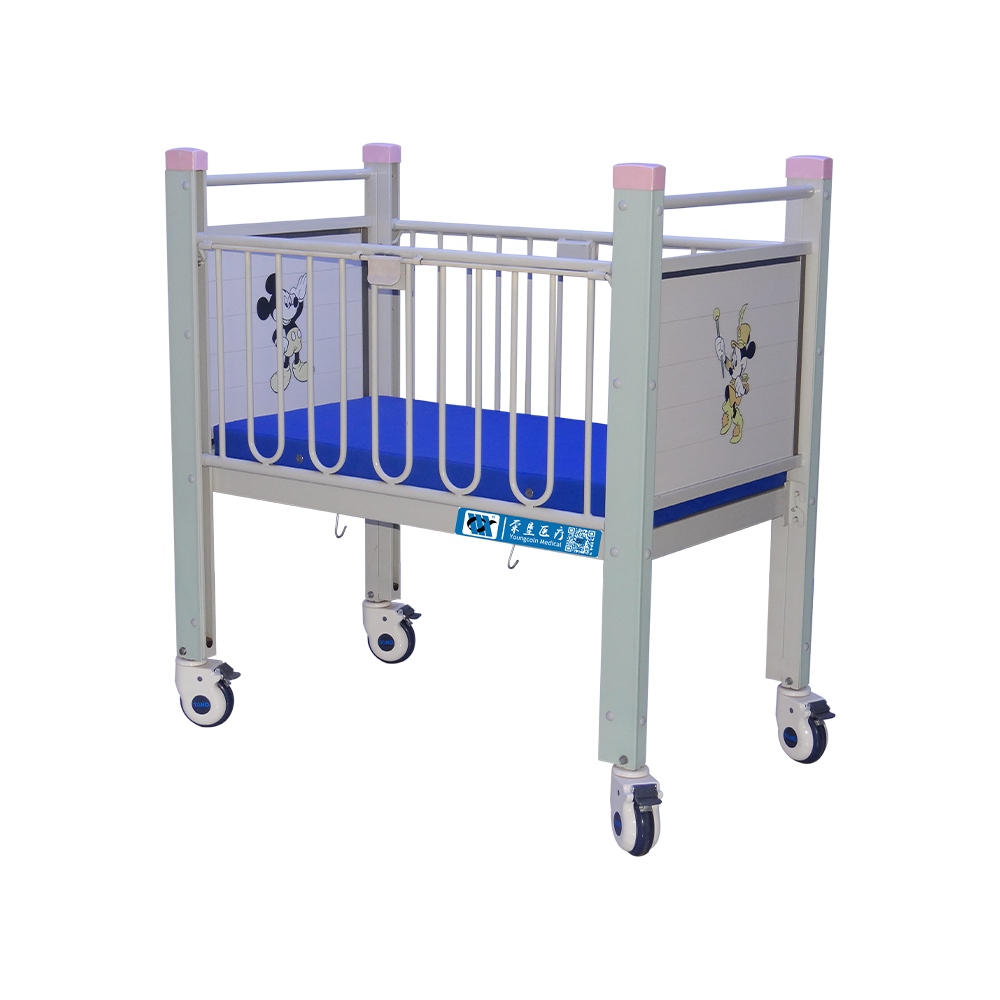
BDB09 Sturdy Design Comfort Manual Children Medical Bed
Recommended News

- QR CODE:
- OTHER LINKS:
- QUICK LINKS
- Home
- Products
- About Us
- Manufacturing
- Quality Assurance
- News
- Contact us
- PRODUCT CATEGORIES
- Hospital Bed
- Operating Tables
- Patient Transfer Trolley
- Medical Stretcher
- Medical Examination Couch
- Medical Carts
- Stainless Steel Medical Trolley
- Medical Chair
- Wheelchair
- Hospital Ward Furniture
- Optional Accessories
- Customized Products
-
 sales@youngcoln.com

-
PHONE
 +86-13913296627
+86-512-56951592
-
ADD
 No. 130 Southeast Avenue, Zhangjiagang Economic Development Zone, Suzhou, Jiangsu Province 215600, China


Approval No.: Jiangsu Medical Device Business Filing No. 20253048
