

 English
 عربى
 Español
 中文简体



Code Cart Hospital Guide: Crash Cart Setup, Stocking, and Safety Checks for Teams
Content
Few pieces of hospital equipment carry as much responsibility as a code cart. In a cardiac arrest or rapid response, staff need the right medication, airway device, or defibrillation pad within seconds—not after a search through a supply room. A code cart—also called a crash cart—is the mobile, standardized station that makes that speed possible. A good cart is not simply a cabinet on wheels; it is part of the hospital’s emergency system, shaped by clinical workflow, restocking discipline, and regular readiness checks.
What a Code Cart Is in a Hospital
A code cart is a mobile storage and work station stocked for resuscitation and emergency care. It usually travels with a defibrillator or monitor, oxygen, suction, airway supplies, vascular access materials, medications, and documentation tools. Hospitals place code carts in emergency departments, intensive care units, medical-surgical wards, operating rooms, imaging suites, catheterization labs, and other areas where a patient may deteriorate quickly.
“Code cart” is common in hospitals that use “code” language for emergency calls; “crash cart” is widely used too. The name matters less than the principle: every cart should follow the same layout, stock list, and checking routine, so staff can open it under pressure and know where things are. Contents must be set by local resuscitation protocols, pharmacy governance, and accreditation requirements; no single universal list fits every hospital.
Typical Code Cart Contents by Zone
One useful way to review a cart is by clinical zones rather than a long inventory list. The table below is a planning view, not a prescribing guide.
| Zone | Common examples | Why it matters |
|---|---|---|
| Top work surface | Defibrillator or monitor, CPR board, oxygen regulator, suction unit, checklist | Keeps immediate-use equipment visible and reachable |
| Airway and breathing | Bag-valve-mask, airways, laryngoscope handle and blades, tubes, stylets, suction catheters | Supports prompt airway management and ventilation |
| Circulation and IV access | IV catheters, fluids, tubing, syringes, needles, tourniquets, dressing supplies | Enables vascular access and fluid delivery |
| Medications | Emergency drugs per protocol, pre-filled syringes, vials, labels, sharps container | Provides rapid medication access under pharmacy governance |
| Monitoring and defibrillation | Pads, cables, spare batteries, blood pressure cuff, pulse oximetry probe | Keeps monitoring and defibrillation equipment ready |
| Documentation and seal | Code record, pen, timer, seal tags, check log | Supports event review, restocking, and readiness tracking |
Medication selection deserves special care. Emergency drugs should be stocked only under pharmacy direction, with clear labels, expiration tracking, and a process for controlled substances. The cart should also reflect the equipment used by the response team, such as the specific defibrillator pads, airway blades, and suction canisters in that facility.
Organizing Drawers for Seconds, Not Minutes
In an emergency, a well-labeled drawer is more valuable than a crowded one. Staff should be able to reach for a category—airway, breathing, circulation, medication—without lifting trays or searching behind other supplies. Consistency across every cart in the hospital matters as much as the layout itself. A nurse who has used the cart on one ward should recognize the same drawers on another.
- Group supplies by clinical task, not by supplier or package size.
- Use clear drawer labels, dividers, and a laminated inventory sheet.
- Place the most time-critical items near the front and top of each drawer.
- Avoid overstocking, which can jam drawers and hide critical items.
- Keep the same layout on every code cart across the facility.
Hardware also affects speed. Drawers need smooth runners, a clear work surface, and a locking system that protects supplies without slowing access. A cart that is too deep may hide items; a cart that is too small may force dangerous overstocking. Bumper protection and easy-clean surfaces help the cart survive daily movement through corridors, lifts, and treatment rooms.
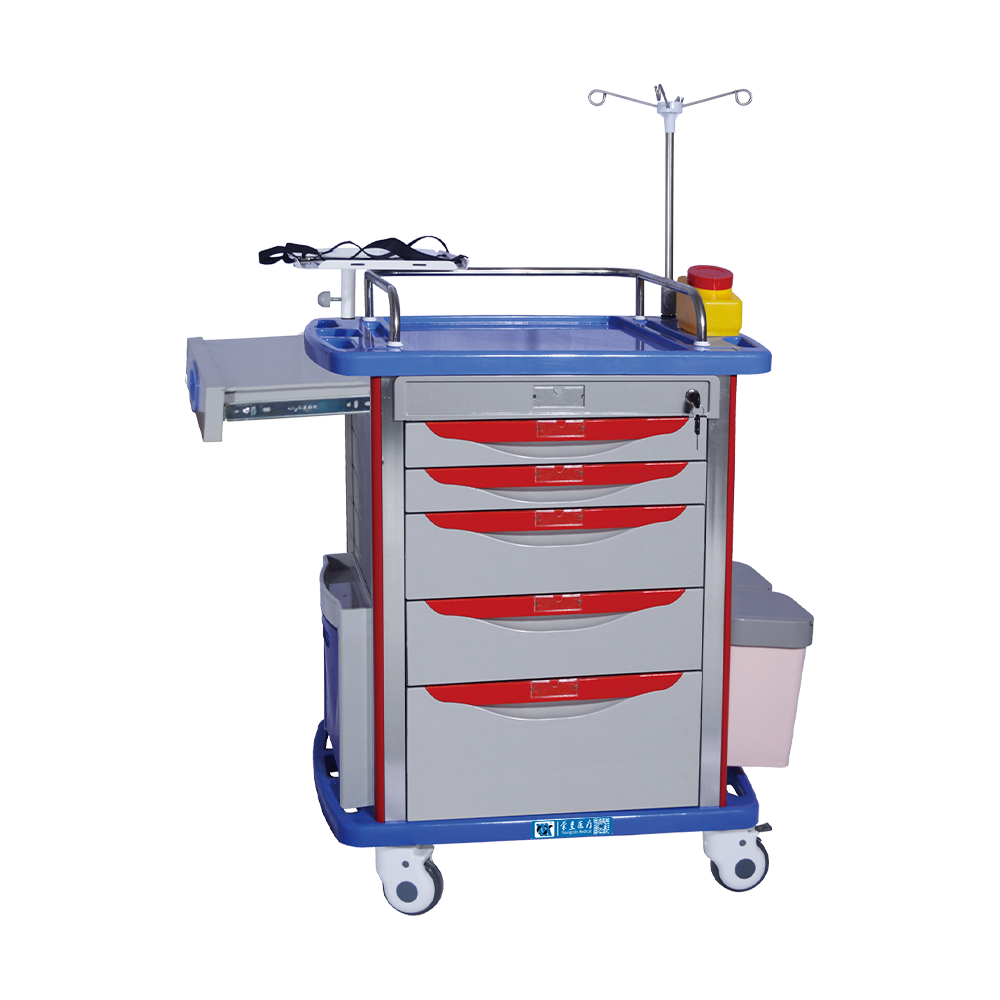 BDT212 Mobile Crash Cart with Five DrawersMobile crash cart with five drawers, configurable dividers, centralized locking, and four noiseless wheels—two braked—for organized emergency supply access.View Product →
For teams comparing drawer layouts, a mobile crash cart with drawers can be a useful reference point—but the clinical stock plan should always come from the resuscitation committee.
Checks, Locks, and Restocking Discipline
A code cart is only ready when every seal, battery, and expiry date supports the next response. Many hospitals use a tamper-evident seal with a dated check tag. The seal should be quick to break in an emergency, but it should also show whether the cart has been opened since the last check. The lock or seal is not a substitute for daily readiness; it is a prompt for it.
- Check the seal or lock at the start of each shift and record the date and initials according to policy.
- Verify the defibrillator, monitor, suction, and oxygen supply, including spare batteries and cylinder levels.
- Scan medication and supply expiry dates; remove short-dated items before they become a crisis.
- Confirm that airway, IV, and medication drawers match the approved layout and are not overfilled.
- After any use, restock immediately, replace the seal, and complete a post-event review.
Restocking is where many good systems fail. A cart may be checked on time but still missing one small item because the restock owner was unclear. Name a responsible role for routine checks and a second role for post-event restocking. Keep a clear inventory list inside the cart, and use the same list during checks and after an emergency.
Choosing a Code Cart for Your Facility
Cart selection should begin with the work the cart will do. Will it stay on one unit, or move between departments? Does it need to carry a defibrillator on top, or park beside a monitor? Who will clean it, restock it, and move it during a response? These questions matter more than a long feature list.
- Drawer count and internal height: enough space for organized supplies without forcing compression.
- Locking and sealing: a system that protects stock, supports tamper evidence, and allows fast access.
- Work surface and rails: a stable area for documentation, plus holders for gloves, sharps, or accessories.
- Casters and brakes: smooth movement over thresholds, reliable locking, and low push effort.
- Cleanability and durability: sealed surfaces, rounded corners, and bumpers that resist daily wear.
- Ergonomics: drawer handles, cart height, and visibility that work for staff of different heights.
Our emergency cart range includes mobile critical care carts designed for emergency and ICU use, with lockable drawers and practical work surfaces. The right model depends on your stock volume, transport route, and equipment mounting plan.
BDT220 Medical Critical Care Cart for Emergency and ICUMobile critical care cart with five drawers, locking casters, IV pole, CPR board, and oxygen tank holder for emergency and ICU use.View Product →Training, Human Factors, and the Wider Response
Even a perfectly stocked cart depends on people. Mock codes help teams practice opening the cart, assigning roles, calling for supplies, and restocking afterward. Standardization reduces cognitive load: if every cart has the same airway drawer and the same medication labels, staff spend less time thinking about the cabinet and more time thinking about the patient.
Debrief after every event. Ask whether the cart was easy to find, whether drawers opened smoothly, whether any item was missing, and whether the seal or lock created delay. Small changes—such as moving the suction catheter to a more visible slot or adding a laminated inventory sheet—can make the next response calmer. Safe patient handling also matters when the emergency involves moving a patient; our guide to patient transfer trolleys covers related practical considerations.
Common Pitfalls to Avoid
Most cart failures are not dramatic. They are small, ordinary gaps that become serious under pressure.
- Treating a sealed cart as a checked cart without verifying the date or contents.
- Changing the drawer layout during a shortage and not updating labels on every cart.
- Overstocking so that drawers jam or items are hidden.
- Using the code cart as a general supply trolley between emergencies.
- Storing the key or seal cutter where staff cannot reach it quickly.
- Leaving expired medications or batteries in place because “someone else will check.”
- Forgetting to restock and reseal immediately after an event.
A well-run code cart is quiet most of the time. Its value shows in the first minute of an emergency, when a clinician opens a familiar drawer and finds exactly what is needed. That reliability comes from clear standards, disciplined checks, sensible cart design, and teams who treat readiness as part of patient care. Whether you are reviewing an existing cart or planning a new unit, start with the clinical workflow—then choose equipment that supports it without adding friction.
Recommended Products
-
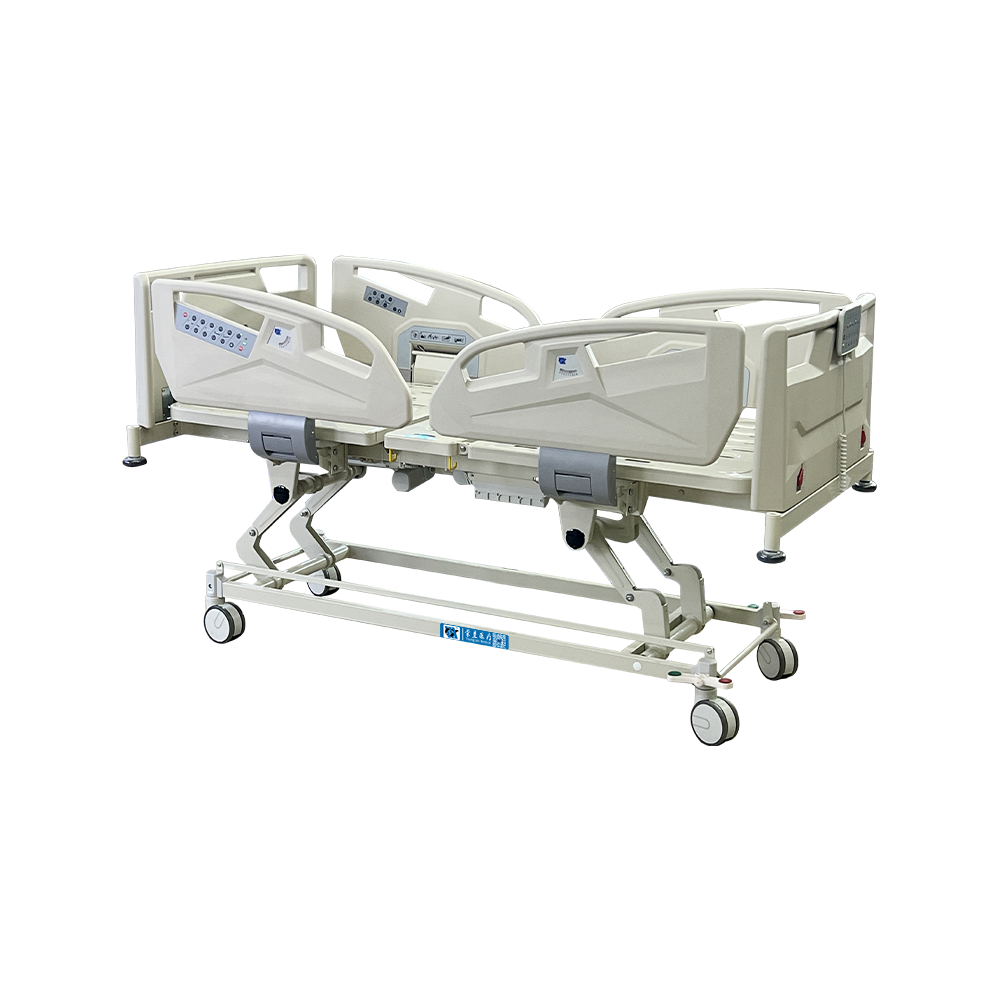

YC-E5618K(III) High Safety Electric Hospital Patient Care Bed
-
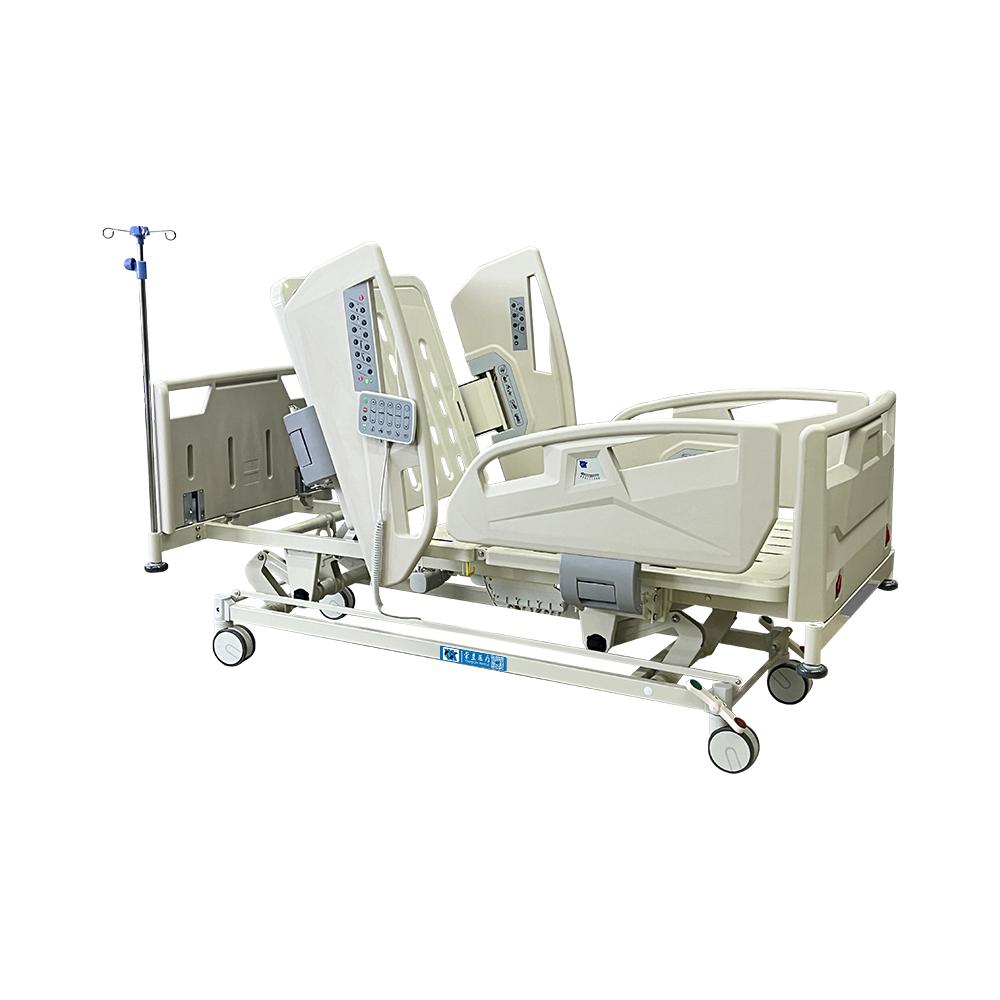
YC-E3618K(I) Comfortable Full Electric Hi-Low Hospital Bed
-
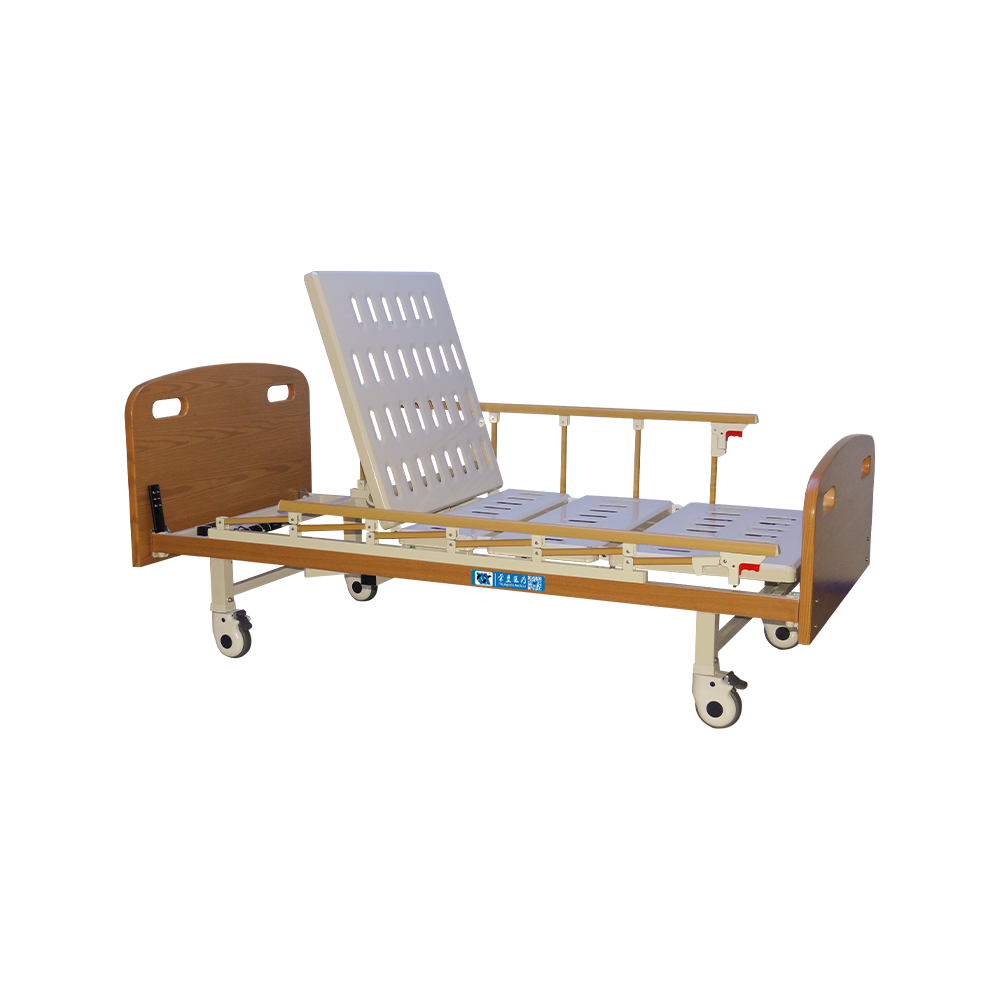
YC-E2611L(I) Electric Hospital Bed With Hand Remote Control
-
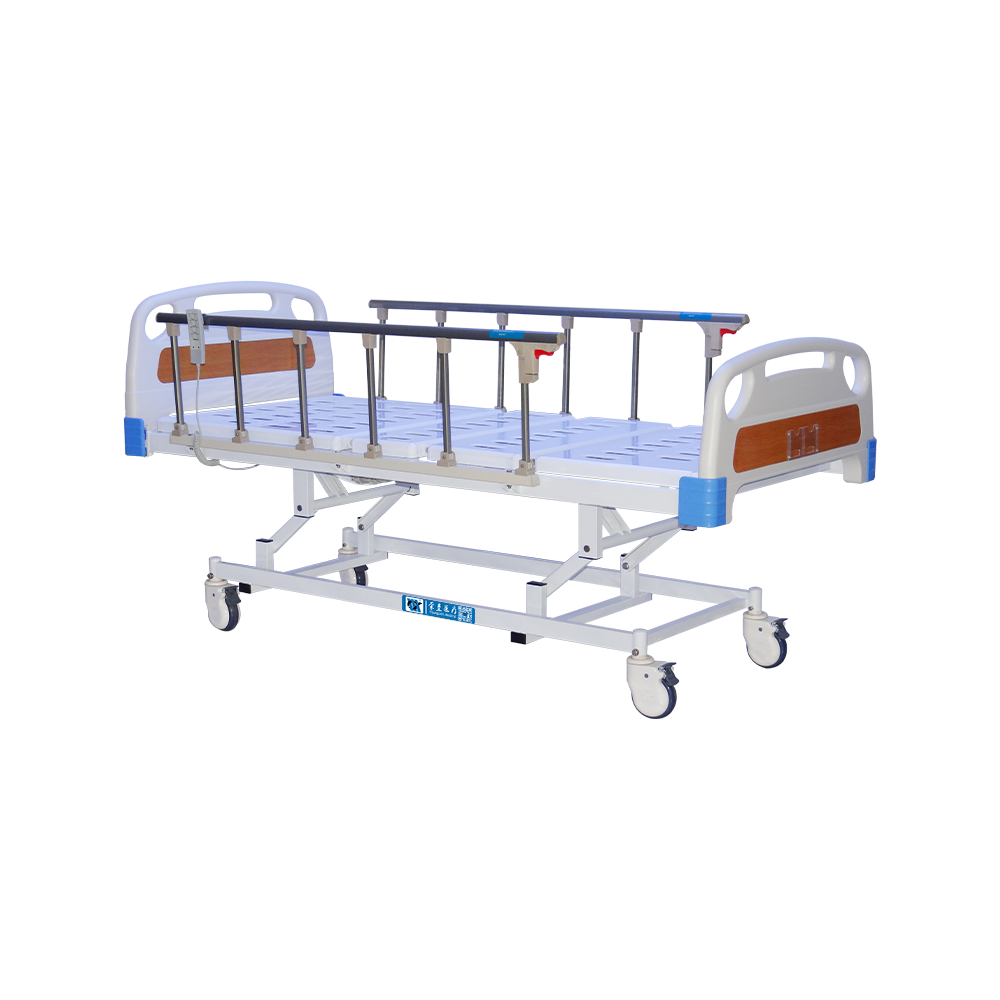
YC-E3611L(I) Ultra-Low Electric Hospital Bed With Hand Remote Control
-
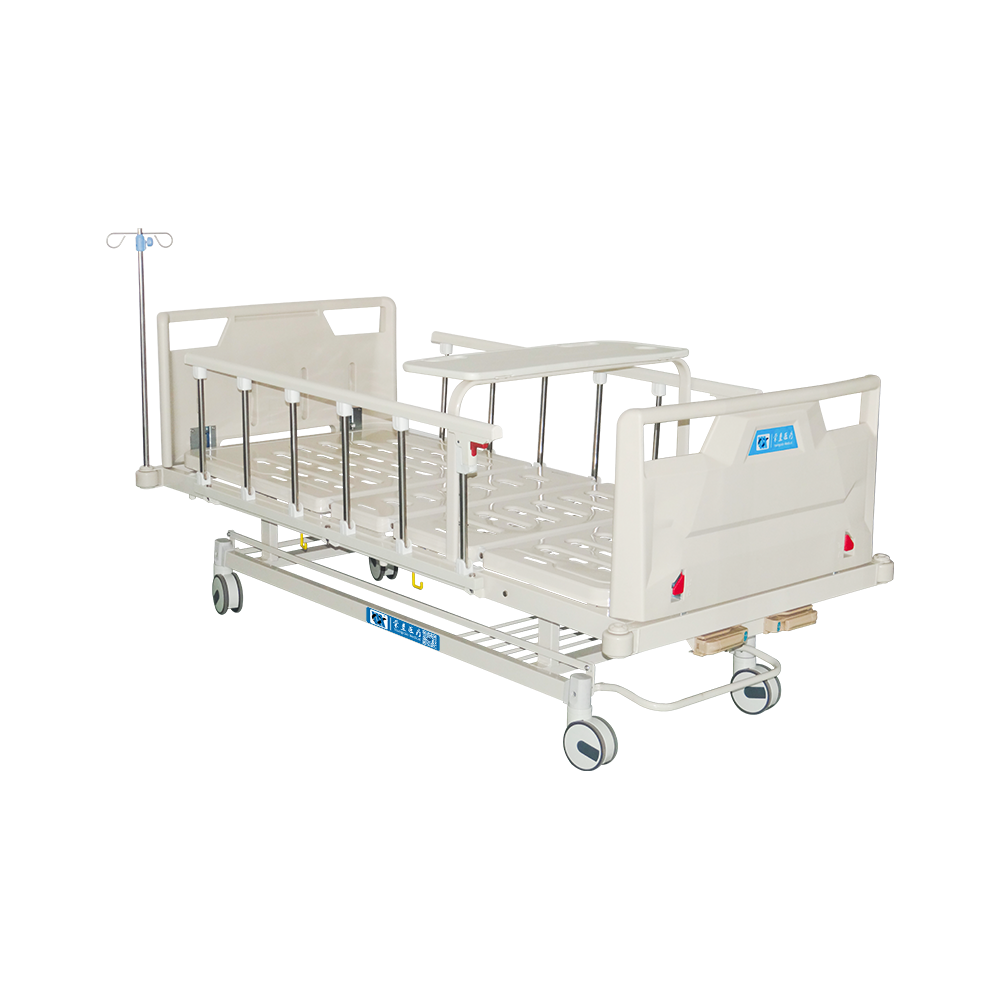
YC-T2611K Manual 2 Cranks Hospital Bed with Dinner Table
-
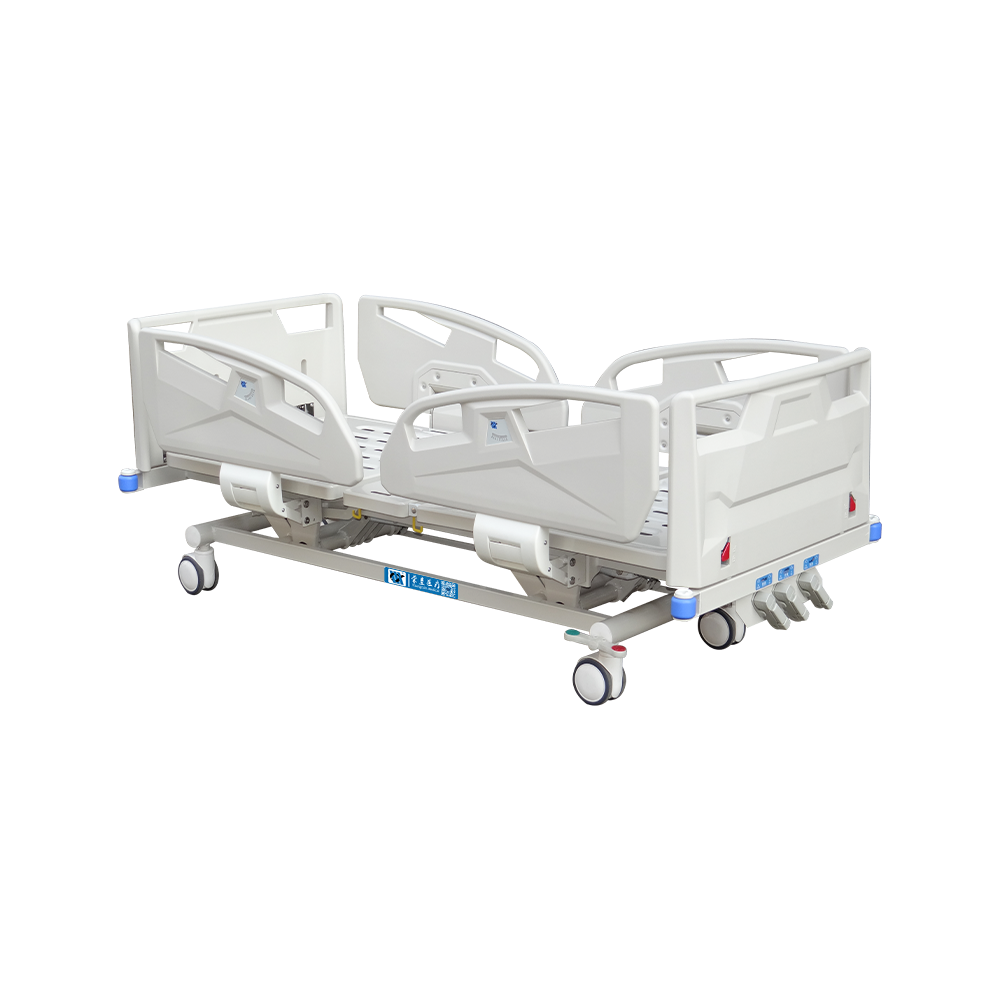
YC-T3618K(I) Manual ABS Crank Hospital Bed Three Functions
Recommended News

- QR CODE:
- OTHER LINKS:
- QUICK LINKS
- Home
- Products
- About Us
- Manufacturing
- Quality Assurance
- News
- Contact us
- PRODUCT CATEGORIES
- Hospital Bed
- Operating Tables
- Patient Transfer Trolley
- Medical Stretcher
- Medical Examination Couch
- Medical Carts
- Stainless Steel Medical Trolley
- Medical Chair
- Wheelchair
- Hospital Ward Furniture
- Optional Accessories
- Customized Products
-
 sales@youngcoln.com

-
PHONE
 +86-13913296627
+86-512-56951592
-
ADD
 No. 130 Southeast Avenue, Zhangjiagang Economic Development Zone, Suzhou, Jiangsu Province 215600, China


Approval No.: Jiangsu Medical Device Business Filing No. 20253048
