

 English
 عربى
 Español
 中文简体


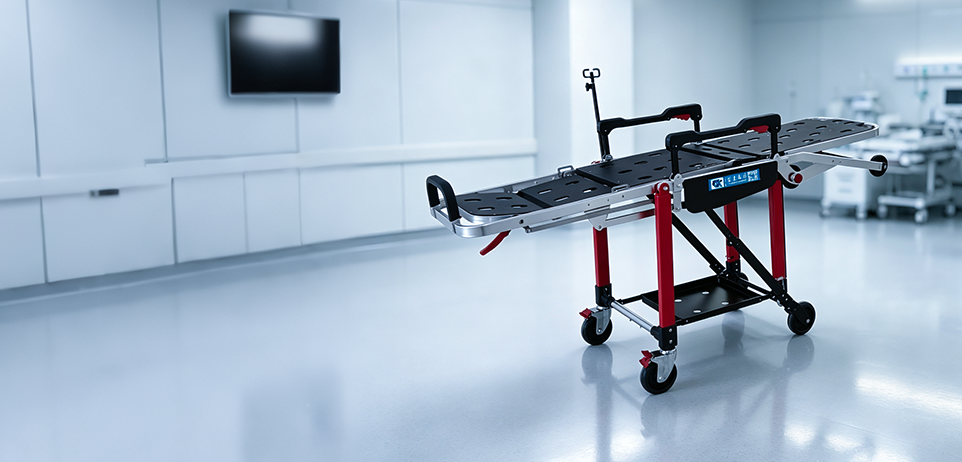
Product Category
Contact us
Medical Stretcher Manufacturers
-
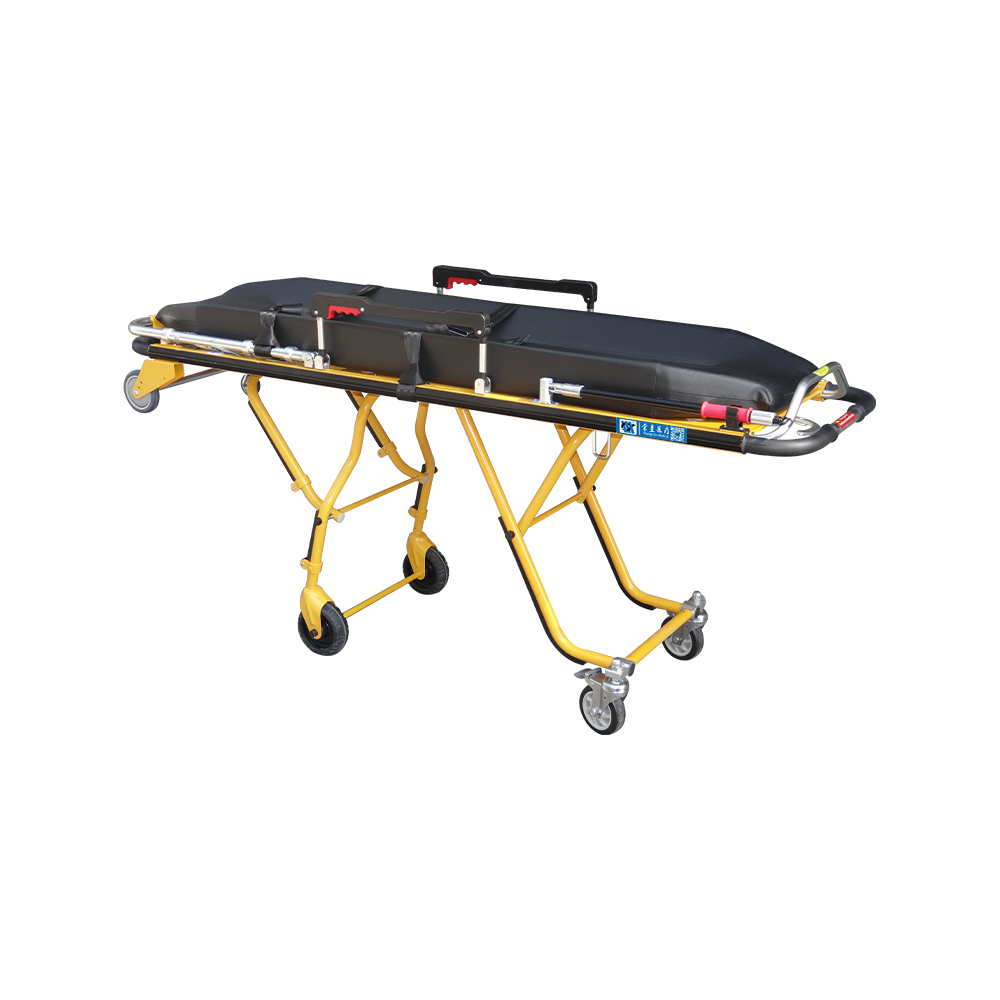
BDST201 Manual Aluminum Loading Ambulance Stretcher
-
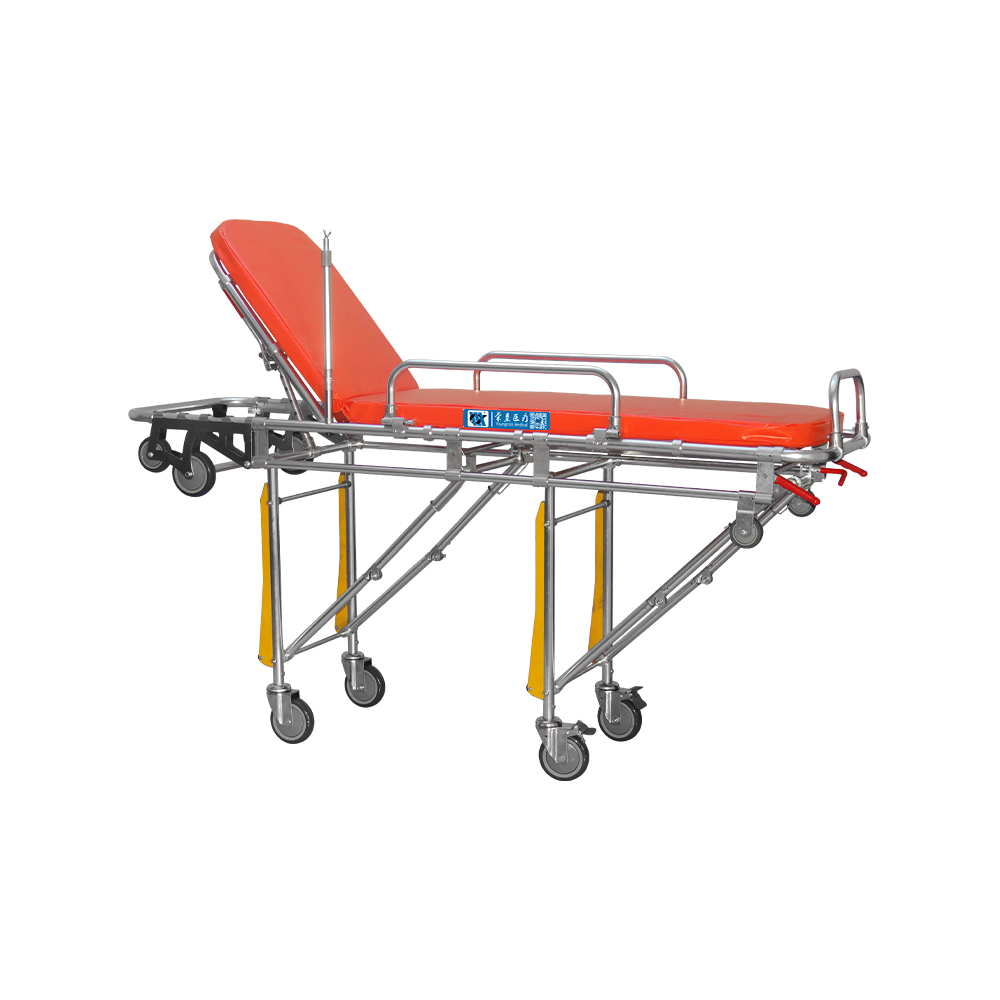
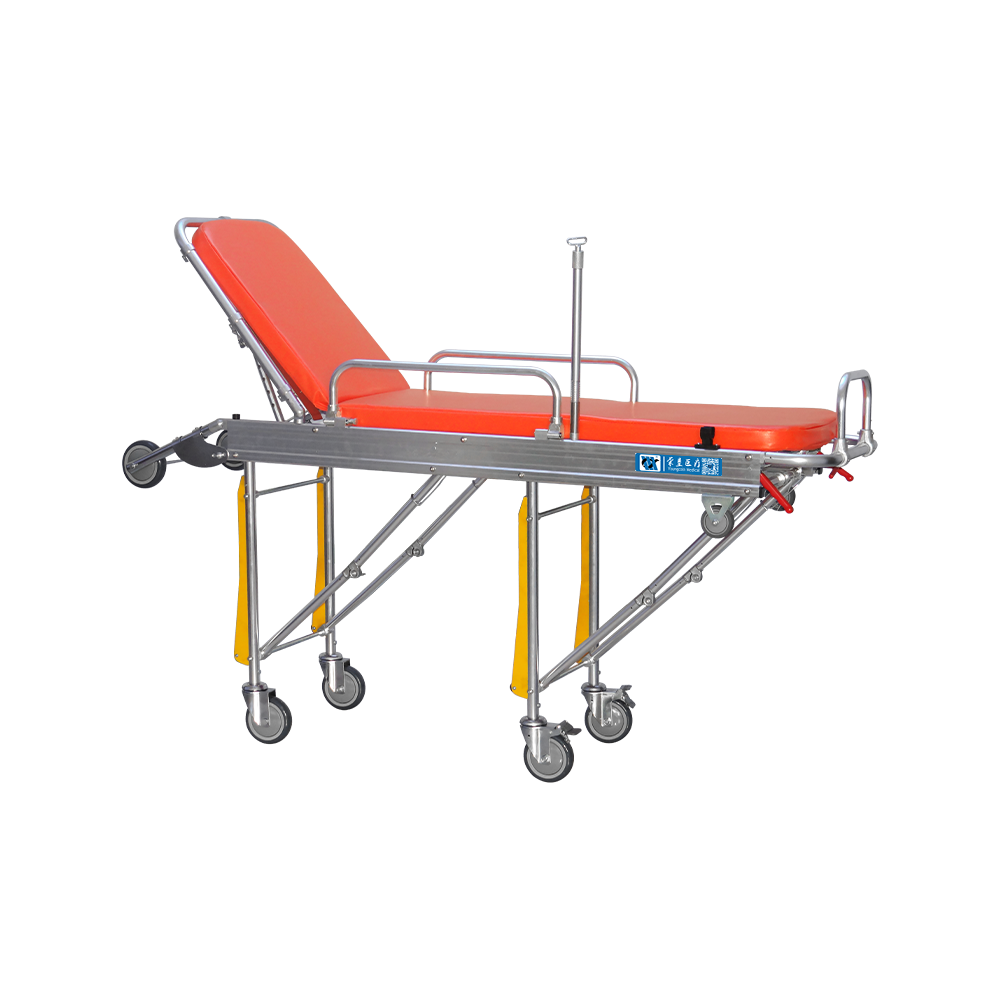
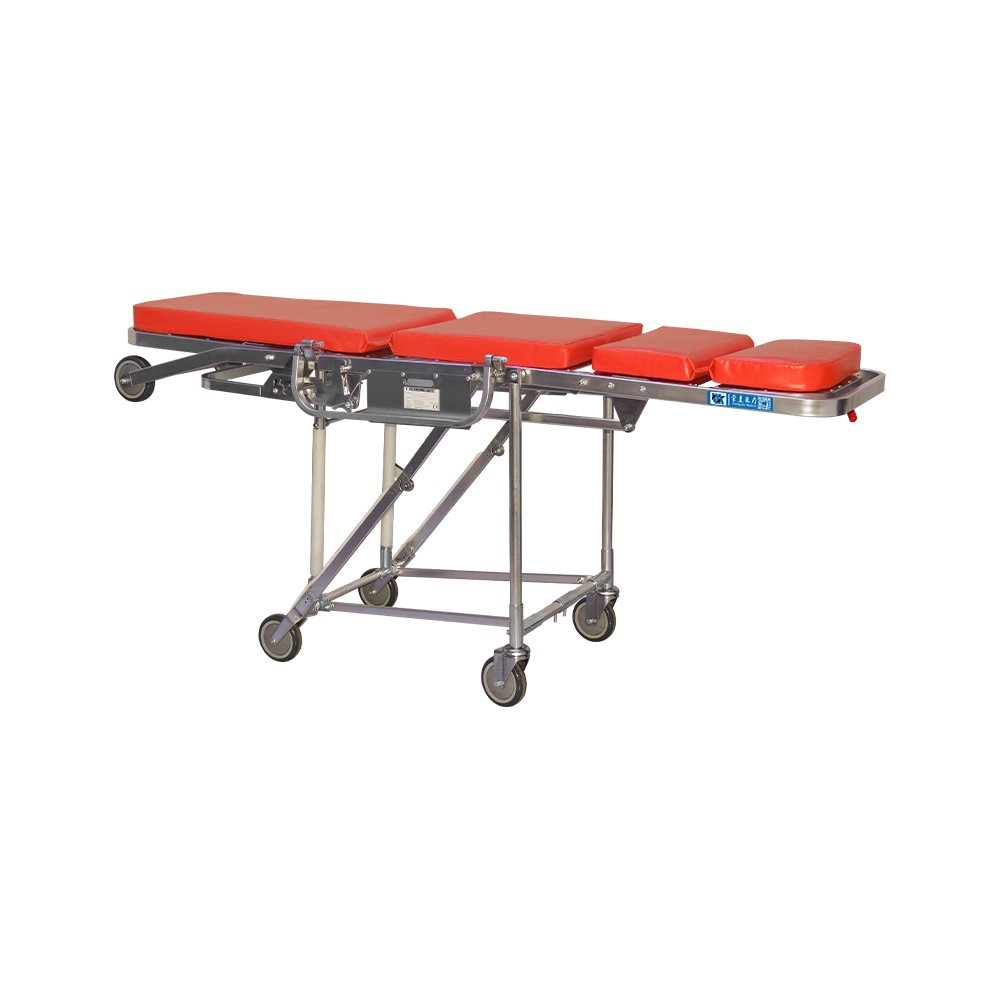
BDST202 Automatic Loading Ambulance Stretcher
-
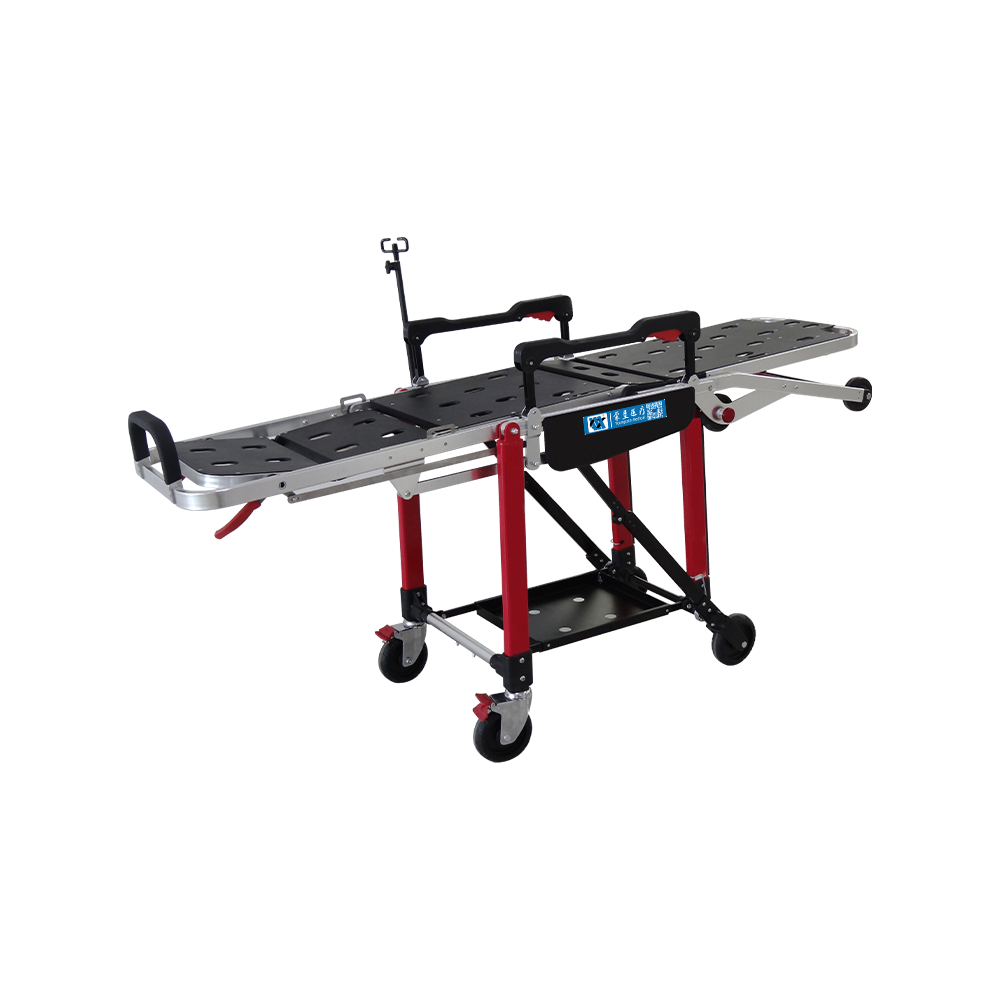
BDST203 Automatic Loading Ambulance Stretcher
-
BDST205 Aluminum Lightweight Manual Ambulance Cot
-
BDTT202 Ambulance Wheelchair Stretcher
-
BDTT203 Aluminum Loading Ambulance Wheelchair Stretcher
-
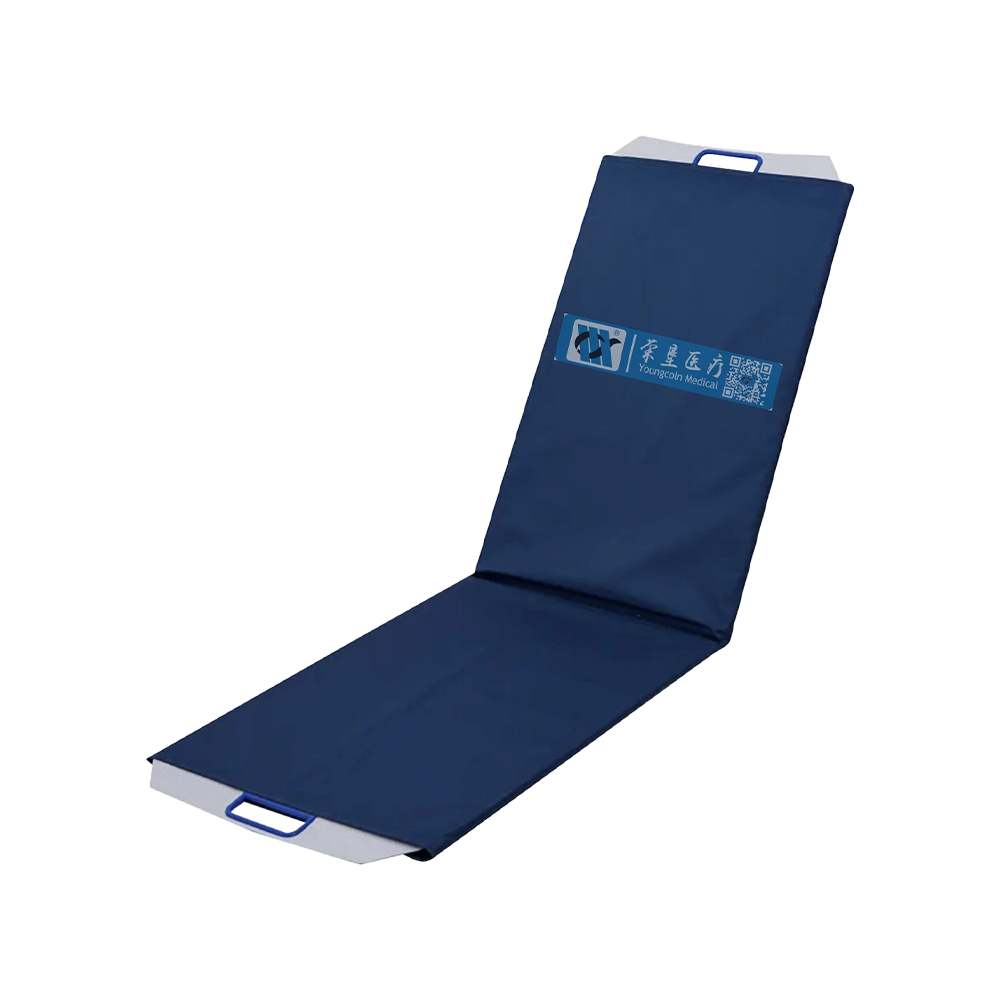
BDST303 Patient Transfer Board
-
BDST207 Manual Foldable Stair Climbing Stretcher
-
BDST208 Emergency Evacuation Stair Stretcher
-
BDT210 Electric Stair Chair Stretcher
-
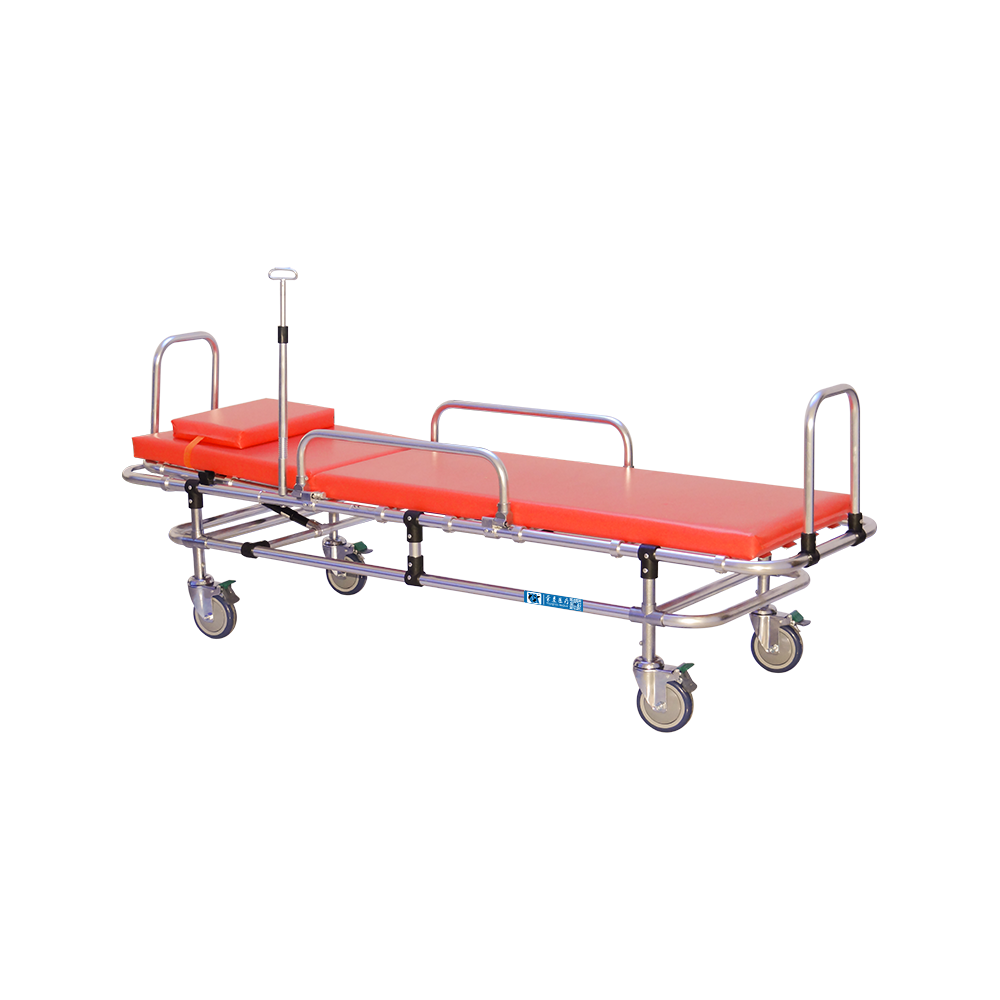
BDTT201 Manual Aluminum Patient Transfer Trolley
-
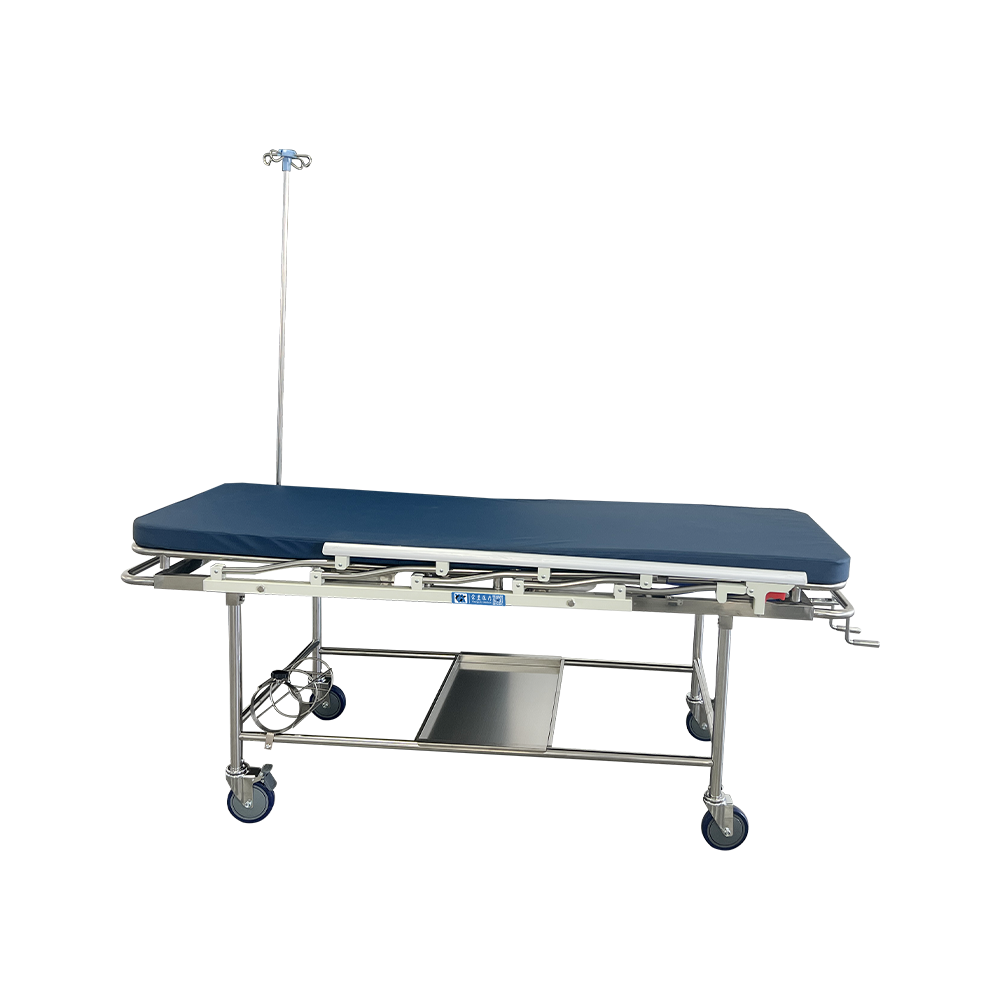
BDTT206 Manual Stainless Steel Patient Transfer Trolley Backrest Ajustable
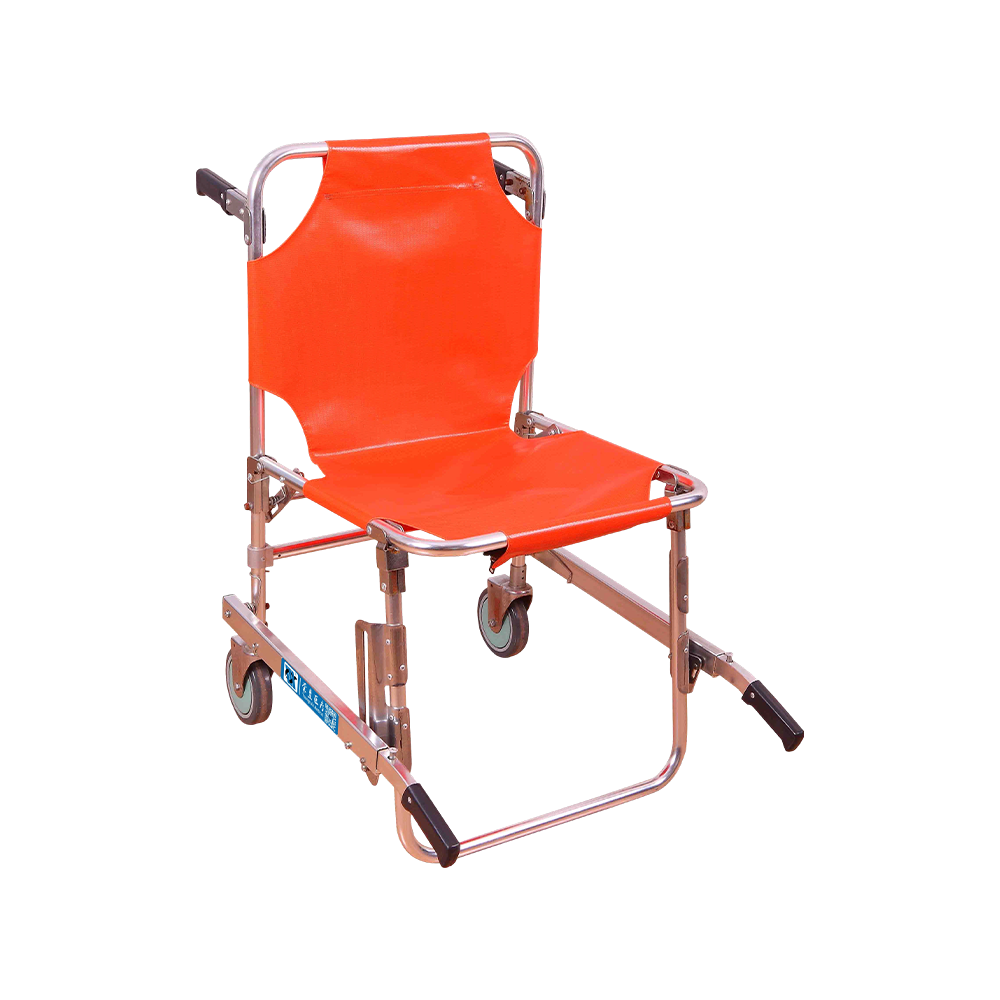
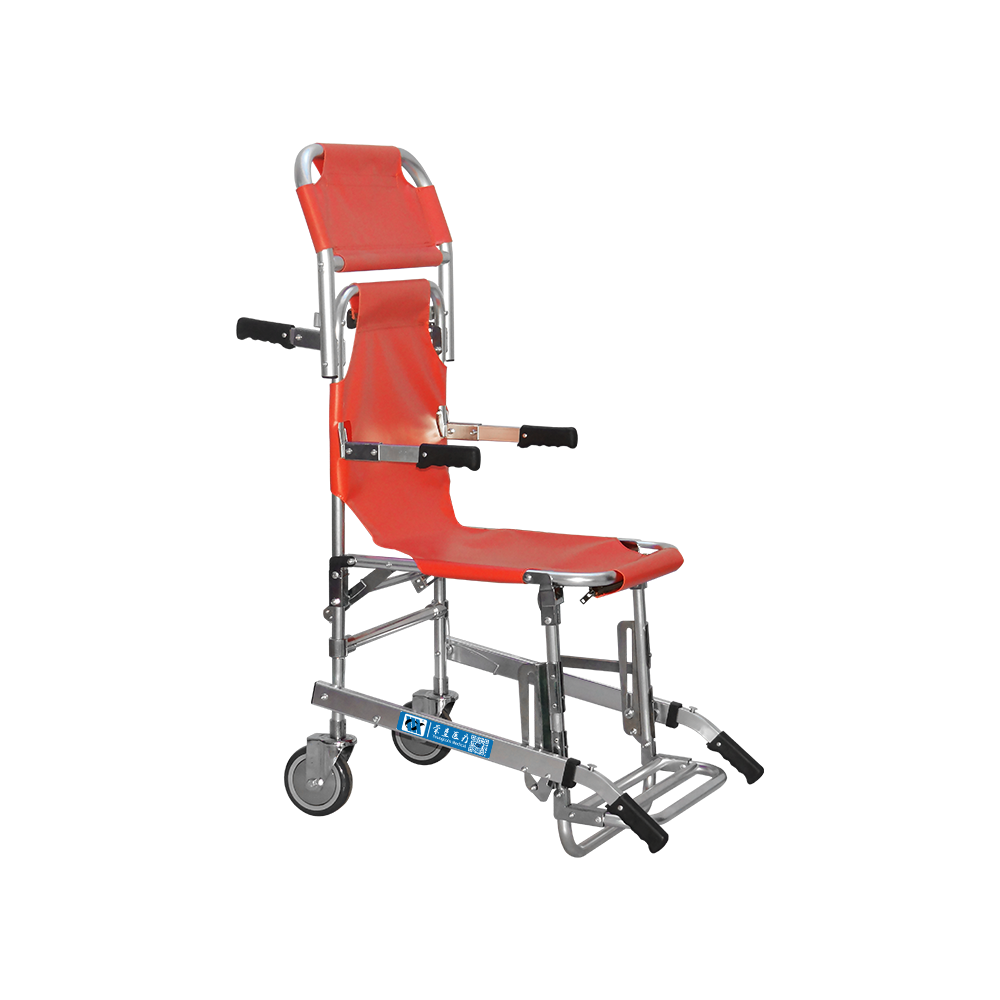
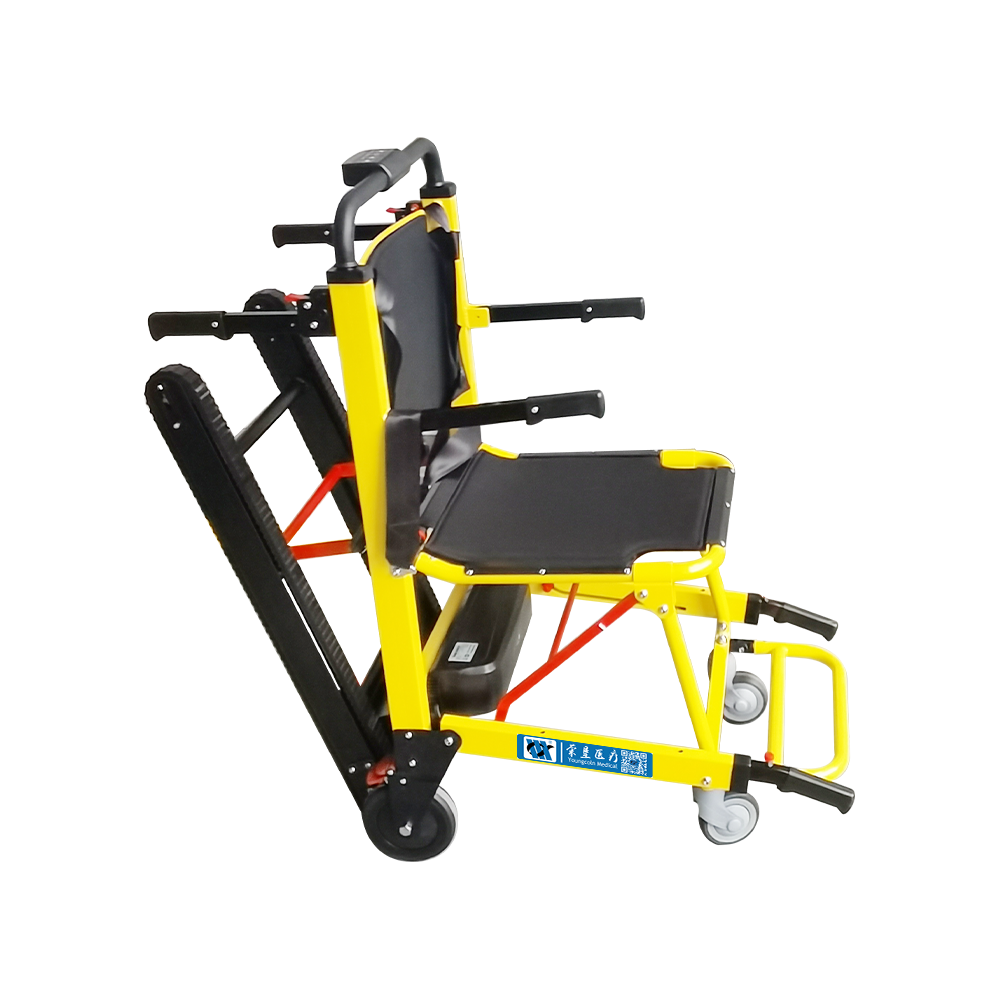
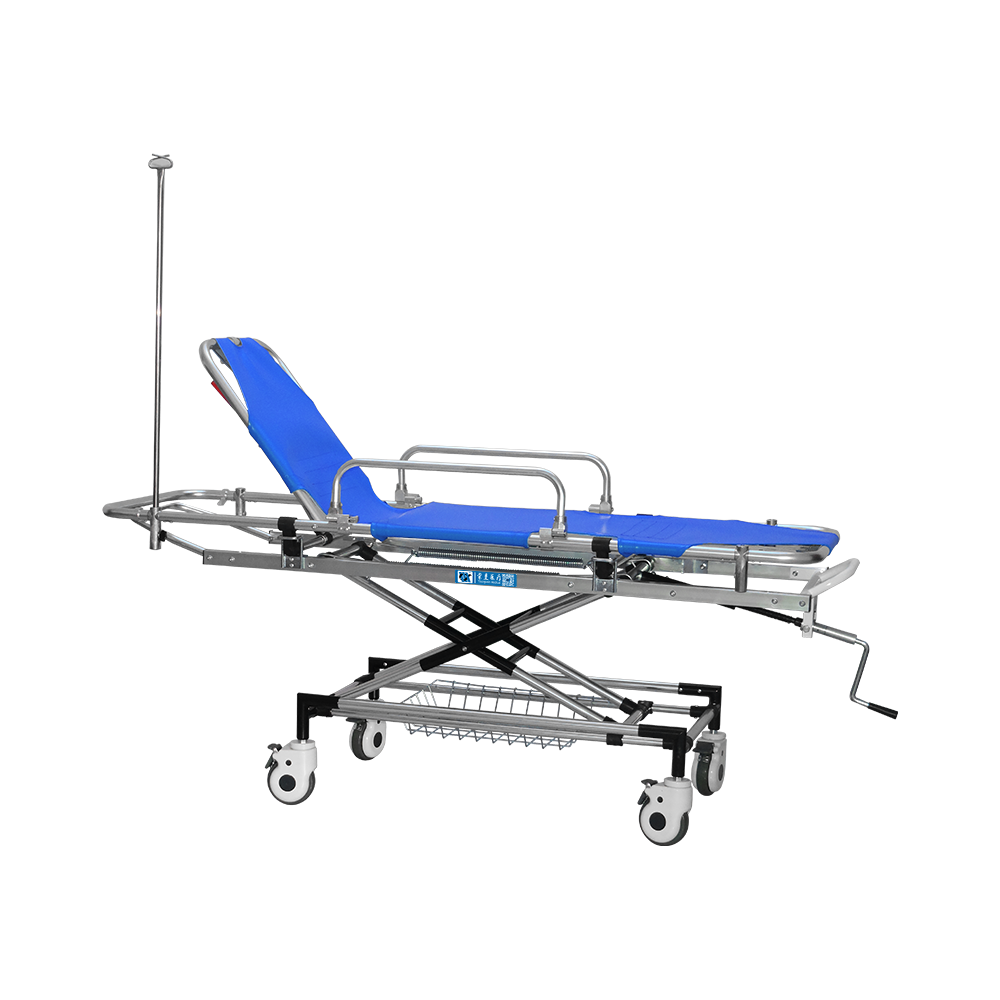

-
 7500+㎡Factory Area
-
 100+Team Members
-
 85%Export Ratio
-
 90+ CountriesGlobal Markets
-

Pipe Punching
-

Soldering
-

Assembly
-

Inspection
-

Display
-

Packaging
-

Safety Stock
-

Shipment
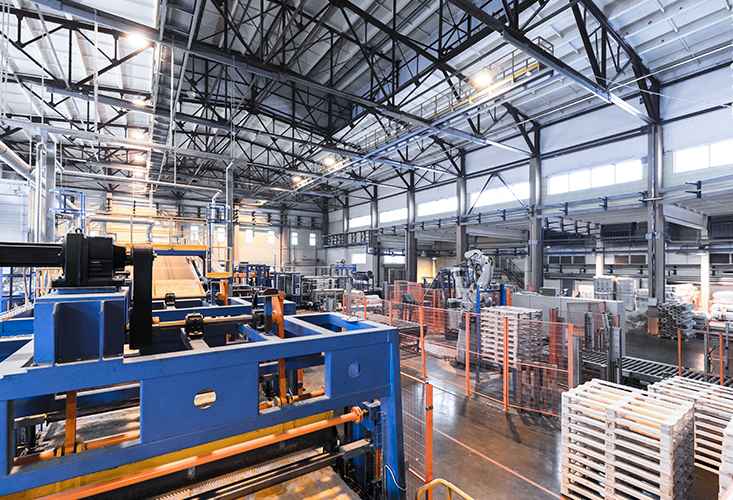
We are an integrated manufacturer and exporter, combining production, quality control, and engineering support. Medical Stretcher Factory in China. Our facility is organized by workflow, covering welding, surface treatment, assembly, packing, finished goods warehousing, and container loading. With coordinated teams in production, QC, engineering, and after-sales, we ensure consistent quality, stable delivery, and export-ready support for global customers.
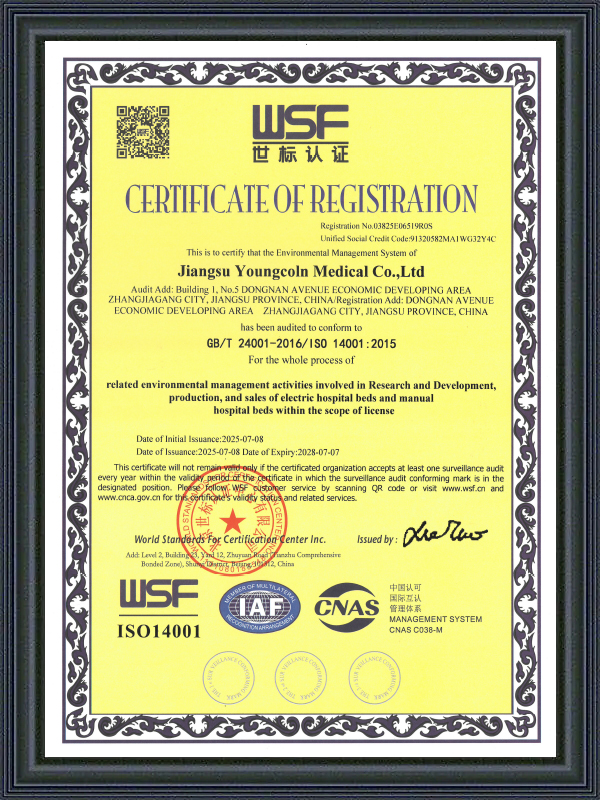
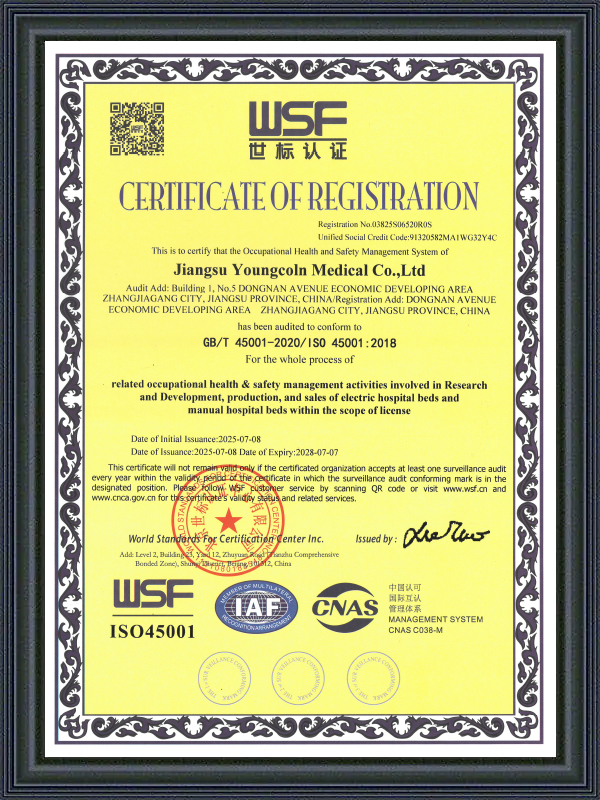
Date With Our Latest Company News and Exhibitions


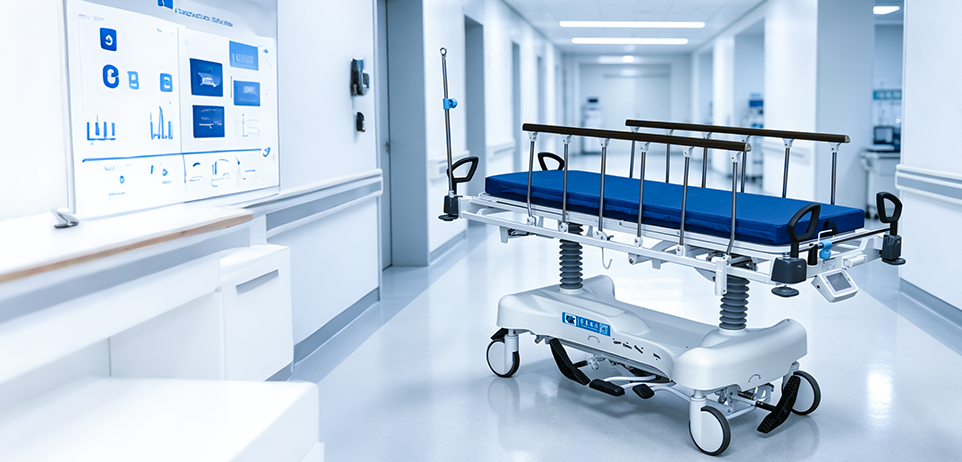
Jiangsu Youngcoln Medical Co., Ltd. is a China-based Medical Stretcher manufacturer supplying hospital furniture and emergency patient-handling equipment to distributors, project contractors and healthcare operators worldwide. Our stretcher range covers ambulance cots, stair and evacuation stretchers, scoop stretchers, spine boards, basket stretchers, stretcher trolleys and patient transfer boards, with a foldable stretcher series for compact storage and transport.
We build these products around the way patients actually move through a facility: from the roadside and the ambulance bay to the emergency department, imaging, theatre and the ward. Each model is configured for a defined transfer route, a defined patient group and a defined handling team.
Our Medical Stretcher Range
The range is organised by clinical function rather than by frame style. That lets a hospital standardise its emergency fleet while a distributor carries a compact set of fast-moving models.
| Product type | Primary application | Typical configuration focus |
|---|---|---|
| Ambulance Stretcher | Pre-hospital transport, ambulance loading | Loading method, frame material, locking into vehicle floor |
| Stair Stretcher | Stairwell evacuation, narrow corridors | Track or chair format, manual or electric drive, restraint set |
| Scoop Stretcher | Suspected spinal injury, minimal patient lifting | Split-frame coupling, length adjustment, strap points |
| Spine Board | Immobilisation and extrication | Board material, head immobiliser, strap and carry handles |
| Basket Stretcher | Rescue, rough terrain, hoisting | Shell construction, lifting sling points, floatation option |
| Stretcher Trolley | Intra-hospital transfer, recovery, imaging | Height adjustment, side rails, casters, accessory rails |
| Patient Transfer Board | Bed-to-trolley and trolley-to-table lateral transfer | Board length, low-friction surface, weight and grip |
| Foldable Stretcher | Backup capacity, clinics, event and field medical cover | Folding mechanism, packed footprint, carry bag |
Where Each Stretcher Type Fits
Ambulance stretchers are specified around the vehicle, not only around the patient. Loading height, floor-lock geometry, cot retention and the number of crew available determine whether a manual or powered loading cot is the right choice. Our ambulance series includes manual aluminium cots, automatic loading models and wheelchair-based ambulance stretchers for services that move seated patients as well as recumbent ones.
Stair stretchers address the part of the route where wheels stop working. Manual stair-climbing stretchers and evacuation models suit buildings without lift access, while electric stair chair stretchers reduce physical strain on two-person crews over repeated flights. Scoop stretchers and spine boards support the immobilisation stage, where the priority is transferring a patient with minimal log-rolling and minimal disruption to the cervical spine.
- Emergency departments typically combine a stretcher trolley fleet with spine boards and scoop stretchers at triage.
- Ambulance services standardise on one cot platform plus a wheelchair stretcher for secondary transport.
- Rescue and disaster response teams use basket stretchers for hoisting and rough-ground carry-out.
- Clinics, imaging and day surgery rely on transfer boards and height-adjustable trolleys to move patients between surfaces.
Materials and Structural Choices
Frame material drives weight, corrosion behaviour and cleaning routine. Aluminium is used where portability and low carry weight matter; stainless steel is used where repeated disinfection and heavy-duty ward use dominate. Our stretcher trolley range includes both aluminium and stainless steel patient transfer trolleys, with backrest-adjustable versions for patients who cannot lie flat during transit.
Upholstery, padding and restraint hardware are selected together. A mattress that is easy to wipe down but too thin for long transfers is a poor match for an inter-facility transport cot; a thick padded surface that traps moisture is a poor match for a high-turnover emergency bay. We match the surface to the duty cycle rather than to a single specification line.
- Frame and weld quality checked at incoming goods and during assembly.
- Caster and brake function verified before packing.
- Side rails, locking pins and folding joints function-tested on finished units.
- Model, quantity, accessory set and packaging labels confirmed at final inspection.
Critical Specifications We Confirm Before Production
Stretcher selection is a set of interdependent dimensions. Changing the mattress thickness changes the overall height; changing the caster size changes the turning radius and the floor-lock position; changing the loading method changes the vehicle interface. We confirm the working envelope as a whole.
| Specification area | What we define with you |
|---|---|
| Platform dimensions | Usable length and width, backrest section length, head-end clearance |
| Height and adjustment | Fixed or adjustable height, adjustment range, Trendelenburg or backrest function |
| Mobility | Caster diameter, swivel and central-lock behaviour, brake type |
| Patient retention | Side rail configuration, strap points, restraint compatibility |
| Accessory interfaces | IV pole sockets, oxygen cylinder brackets, storage tray, bumpers |
| Vehicle or surface interface | Ambulance floor lock, loading height, trolley-to-table transfer height |
Configuration and OEM Support
Our stretcher platforms are configurable at the accessory and finish level, which is how most distributor programmes are built. Frame colour, upholstery colour, branding on the frame or mattress, and the accessory pack can be fixed per order so that a catalogue line stays consistent across repeat shipments.
For project customers, configuration usually follows a department template: one specification for the emergency bay, one for imaging, one for the ambulance fleet. We keep those templates on file so that later top-up orders match the installed base rather than drifting toward a generic model.
- Model and accessory pack locked per purchase order.
- Branding-ready packaging for distributor shipments.
- Spare parts and replacement components supported after delivery.
- Documentation pack prepared alongside the goods.
Manufacturing and Quality Control
Production runs through pipe punching, welding, surface treatment, assembly, inspection, packing and container loading in a workflow-organised facility in Zhangjiagang, Jiangsu. Robotic welding arms and semi-automatic assembly lines support repeatability across batches, which matters most on multi-unit stretcher orders where frame geometry must stay consistent.
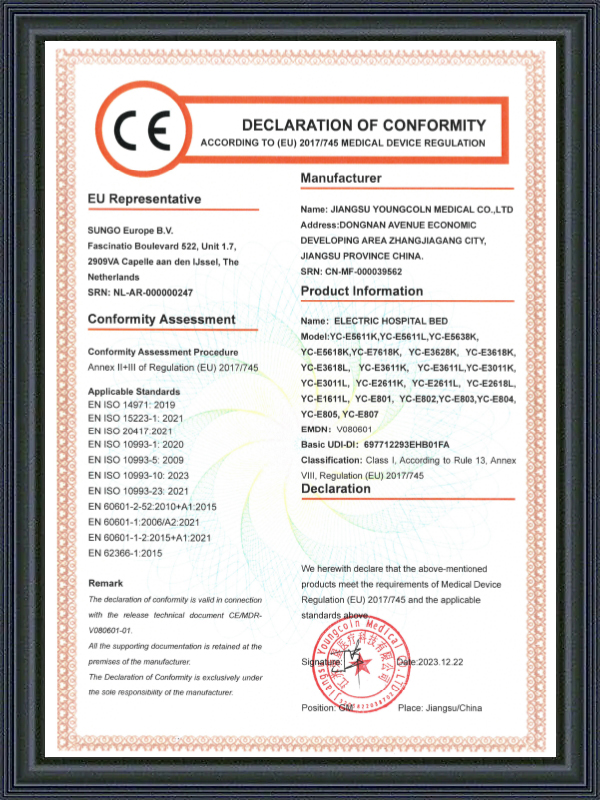
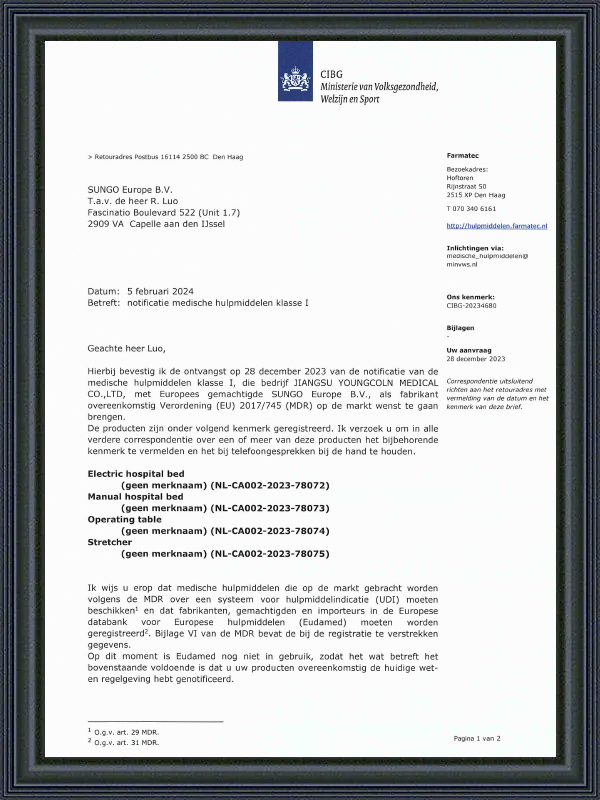
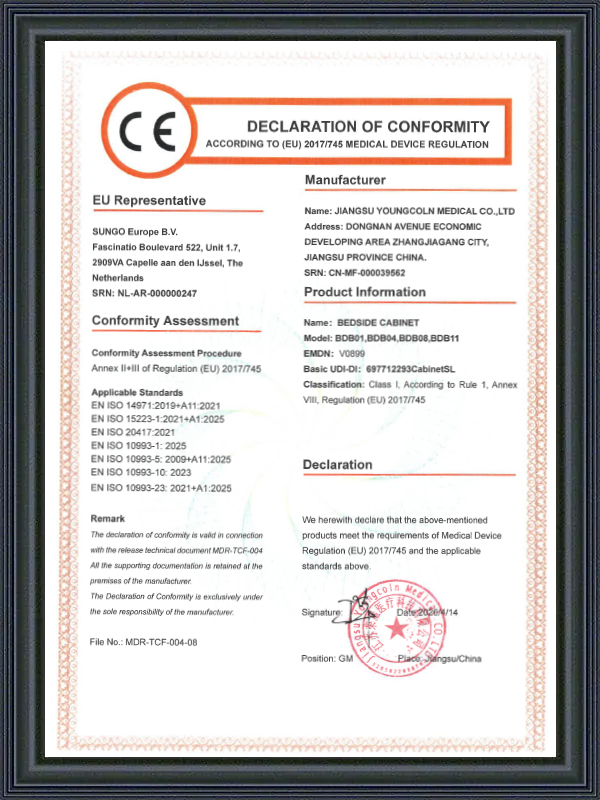
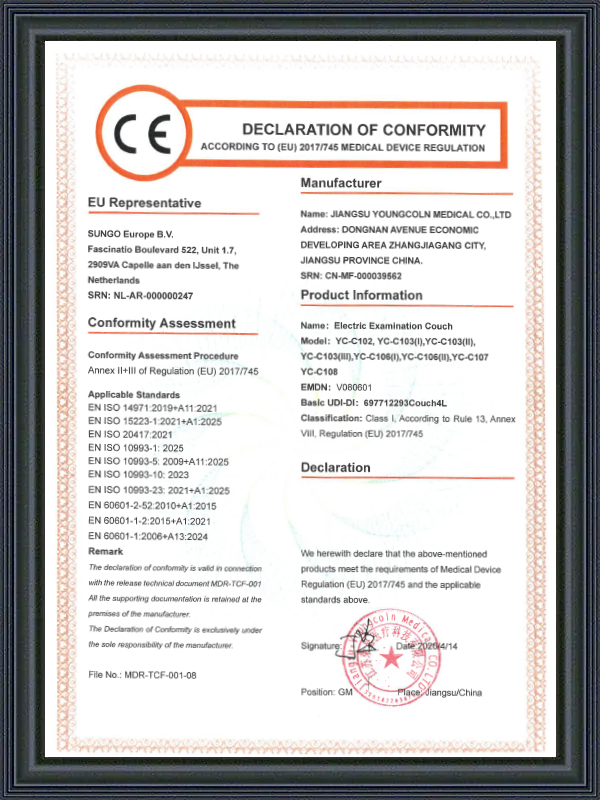
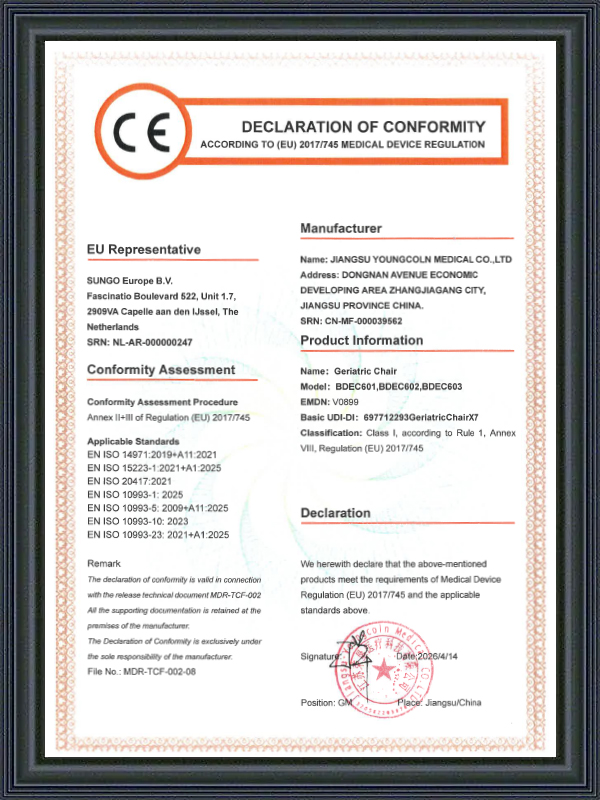
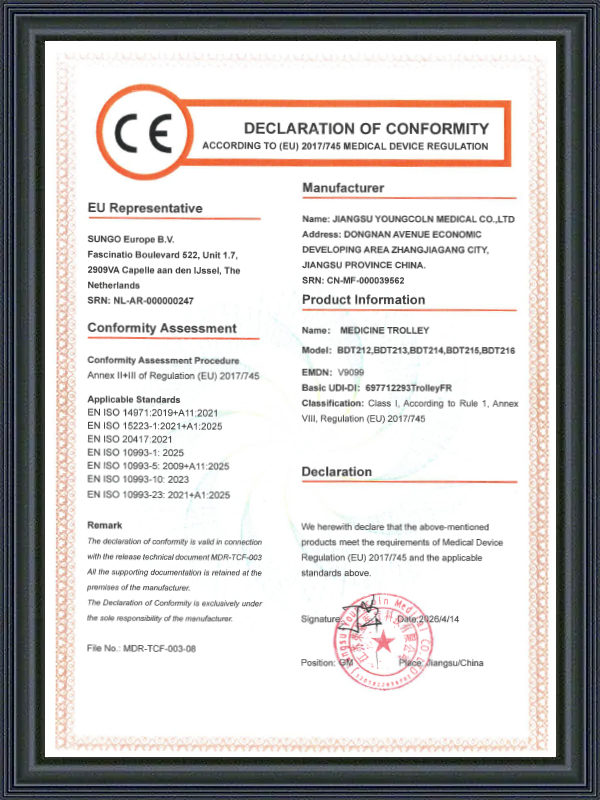
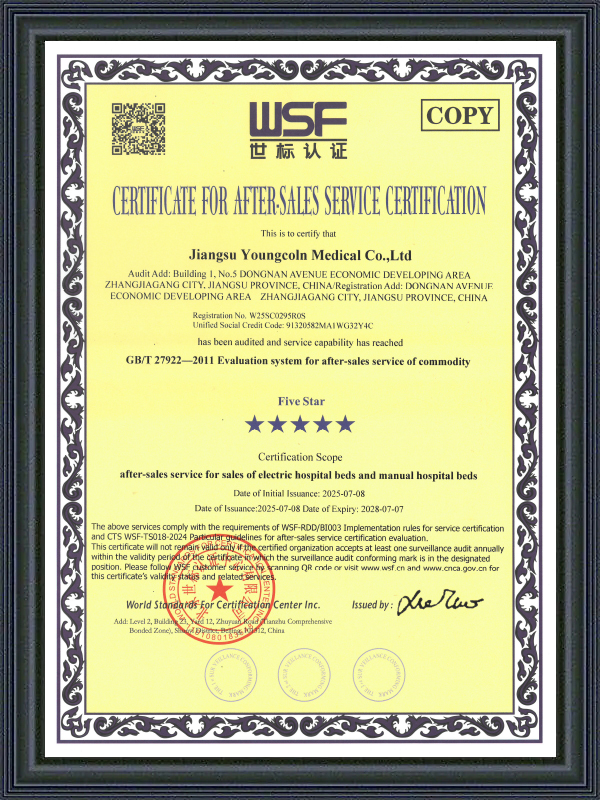
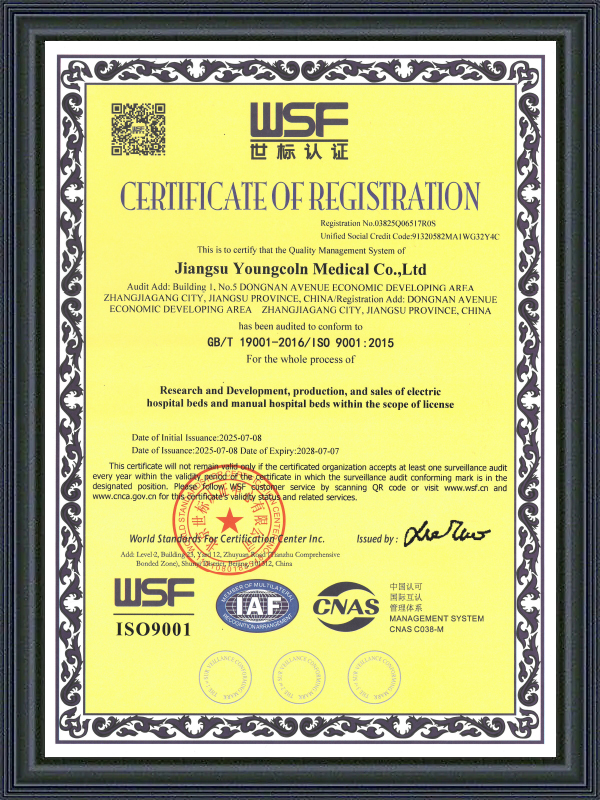
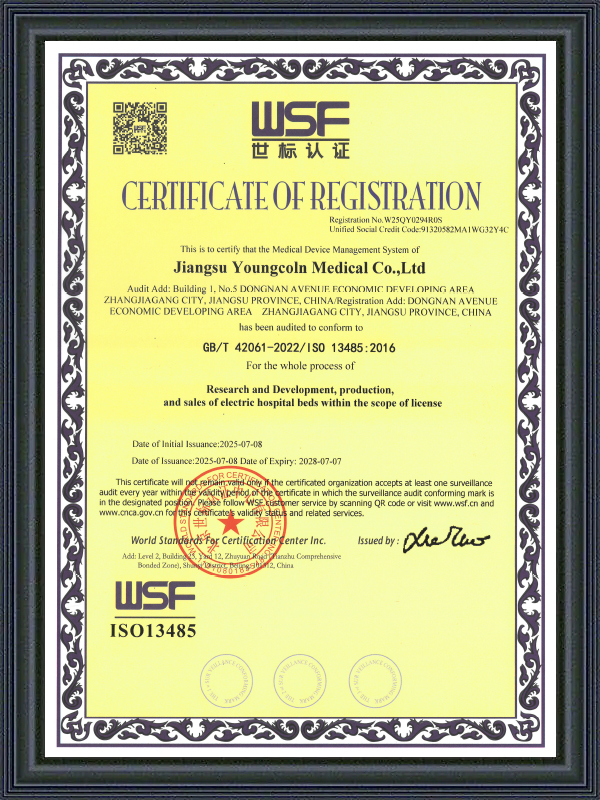
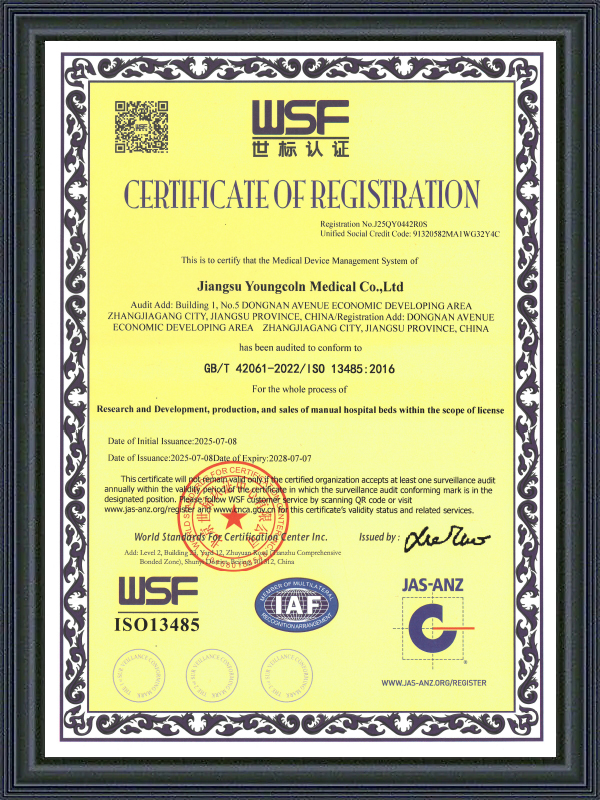
Quality control is staged rather than end-of-line only: incoming inspection of frame parts, casters and side rails; in-process checks on welding and assembly; final functional checks on lifting, locking and adjustment; and outbound confirmation of model, quantity, accessories and labels. We operate under ISO9001 and ISO13485 quality management systems and hold CE certification, with the Medical Device Manufacturing Enterprise License in place.
Installation, Acceptance and Maintenance
Most stretcher products arrive assembled or in a small number of sub-assemblies. Acceptance at site is therefore a functional check rather than a build step: confirm the model against the packing list, cycle every adjustment through its full range, test each brake and lock, and verify that accessories seat correctly in their sockets.
- Check caster tracking and brake engagement on the actual floor surface.
- Verify ambulance cot locking against the vehicle floor with the cot loaded.
- Inspect folding and coupling joints on foldable and scoop stretchers before first use.
- Record the accessory set per unit so replacement parts can be ordered by model.
Maintenance is largely inspection-based: caster and brake wear, upholstery condition, strap and buckle integrity, and the security of folding or telescoping joints. We supply replacement casters, straps, pads and frame components so that a fleet can be kept in service rather than replaced unit by unit.
Information We Use to Configure Your Solution
A workable stretcher proposal starts from the transfer route and the patient profile. The following inputs let us select the platform, the accessory set and the documentation pack without guesswork.
- Application: pre-hospital, emergency department, imaging, theatre transfer, ward, evacuation or rescue.
- Patient profile: adult, bariatric, paediatric or mixed; recumbent, seated or immobilised.
- Route constraints: stair flights, door and lift widths, corridor turns, vehicle loading height.
- Handling team: number of crew, manual or powered operation preference.
- Quantity and mix: fleet size per department, plus expected top-up pattern.
- Accessories: IV pole, oxygen bracket, restraints, mattress, storage tray, carry bag.
- Branding and packaging: frame or upholstery marking, carton labelling, language of documents.
- Compliance and destination: market, required certificates and any registration documents needed at import.
Adjacent departments often order together. Stretcher trolleys are frequently specified alongside Patient Transfer Trolley units and Operating Tables, because the transfer height and the receiving table height have to agree. We can coordinate those heights across a single project so that the theatre intake route works end to end.
Frequently Asked Questions
Which stretcher types does Youngcoln manufacture?
We manufacture ambulance stretchers, stair stretchers, scoop stretchers, spine boards, basket stretchers, stretcher trolleys, patient transfer boards and foldable stretchers. The range is listed under our Medical Stretcher category and each type has its own model series.
Can you supply a mixed order for a new hospital or ambulance station?
Yes. Mixed orders are normal for project work. We configure each line separately, keep the model and accessory set fixed per purchase order, and pack the shipment so that each department receives a complete, labelled set.
Do you support OEM branding on stretchers?
We support OEM programmes with frame or upholstery branding and distributor-ready packaging. Branding details, colours and label content are agreed before production so that repeat orders remain consistent with the first shipment.
What quality documentation comes with a stretcher order?
Orders are produced under our ISO9001 and ISO13485 quality management systems and CE certification, and we hold the Medical Device Manufacturing Enterprise License. The documentation pack is prepared with the shipment and confirmed against the destination market requirements.
How are stretchers packed for export?
Units are packed for container loading with protective wrapping and labelled cartons, and the outbound check confirms model, quantity, accessories and labels before the container is closed. Packing is planned around the order mix so that partial sets are not separated in transit.
Can spare parts be ordered after the initial delivery?
Yes. Replacement casters, straps, pads and frame components are available by model. Keeping the original model reference on file makes later spare-part orders straightforward and avoids mismatches on a mixed fleet.

- QR CODE:
- OTHER LINKS:
- QUICK LINKS
- Home
- Products
- About Us
- Manufacturing
- Quality Assurance
- News
- Contact us
- PRODUCT CATEGORIES
- Hospital Bed
- Operating Tables
- Patient Transfer Trolley
- Medical Stretcher
- Medical Examination Couch
- Medical Carts
- Stainless Steel Medical Trolley
- Medical Chair
- Wheelchair
- Hospital Ward Furniture
- Optional Accessories
- Customized Products
-
 sales@youngcoln.com

-
PHONE
 +86-13913296627
+86-512-56951592
-
ADD
 No. 130 Southeast Avenue, Zhangjiagang Economic Development Zone, Suzhou, Jiangsu Province 215600, China


Approval No.: Jiangsu Medical Device Business Filing No. 20253048
