

 English
 عربى
 Español
 中文简体


Product Category
Contact us
Patient Stretcher Trolley Manufacturers
-
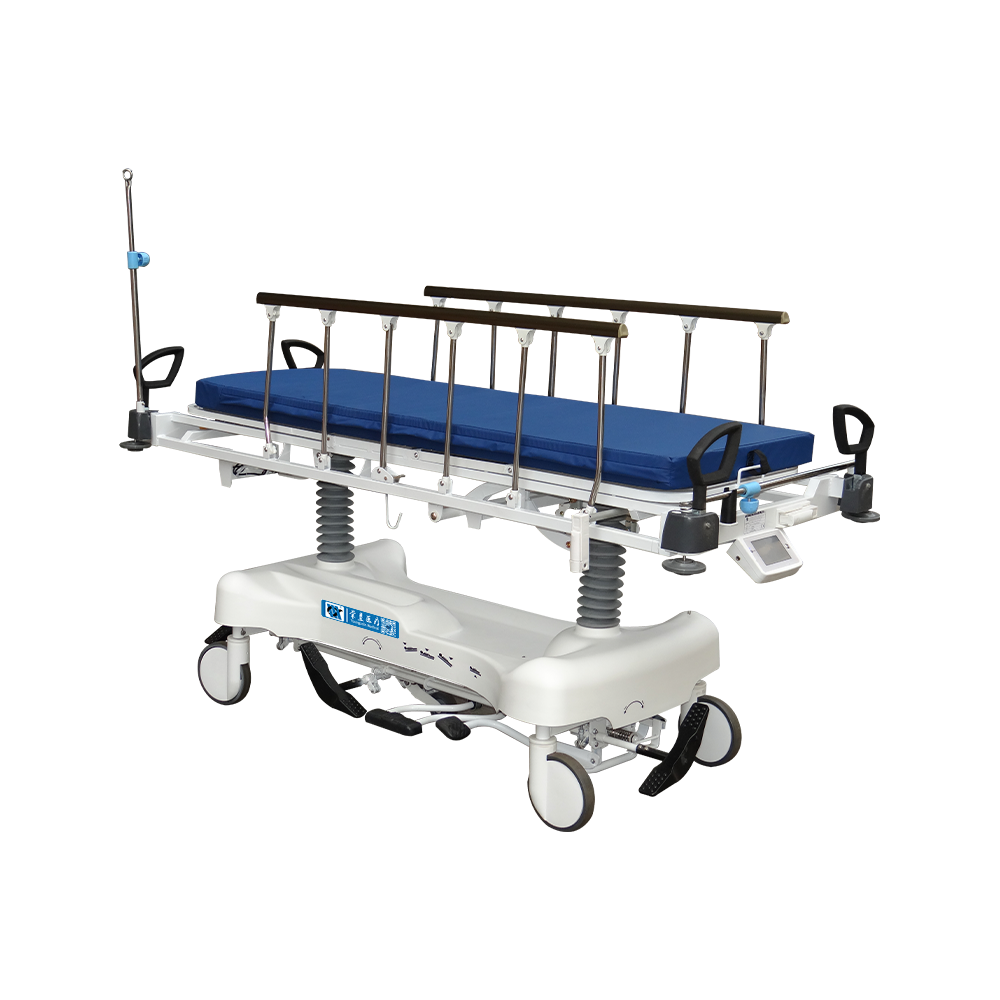
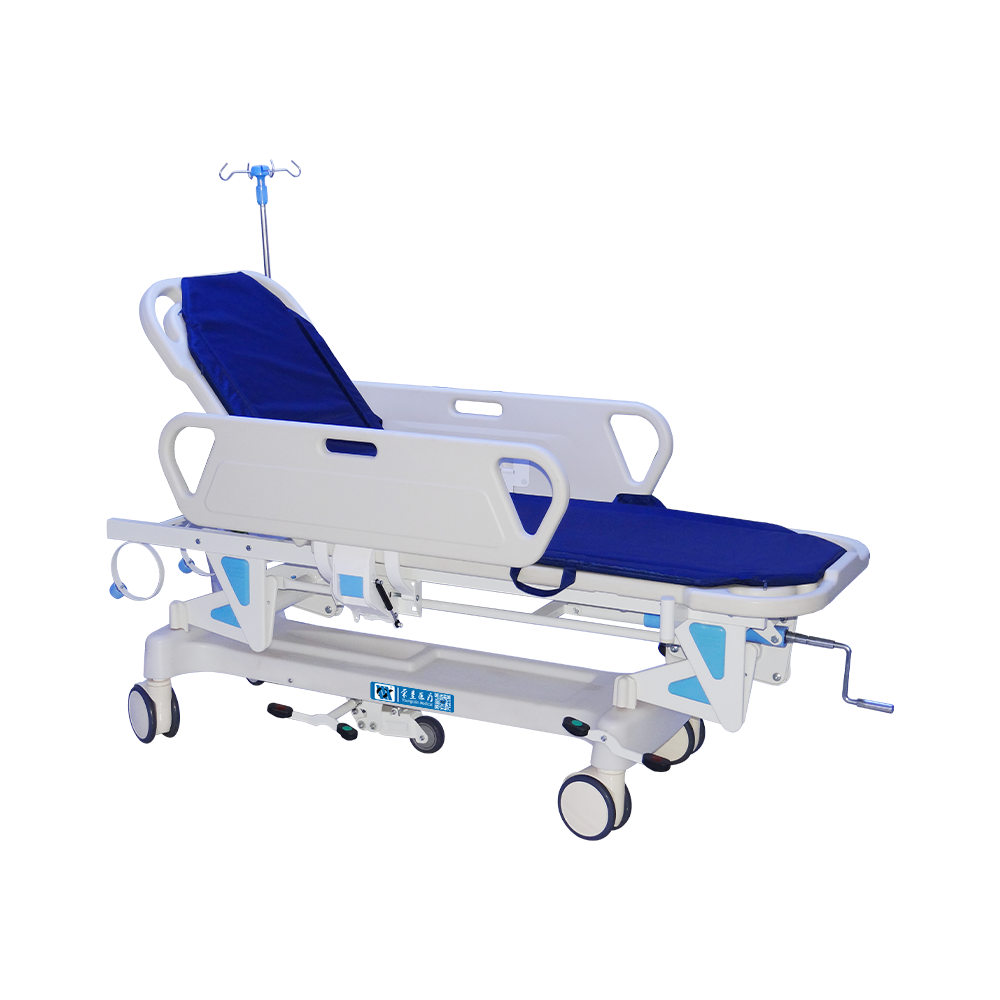
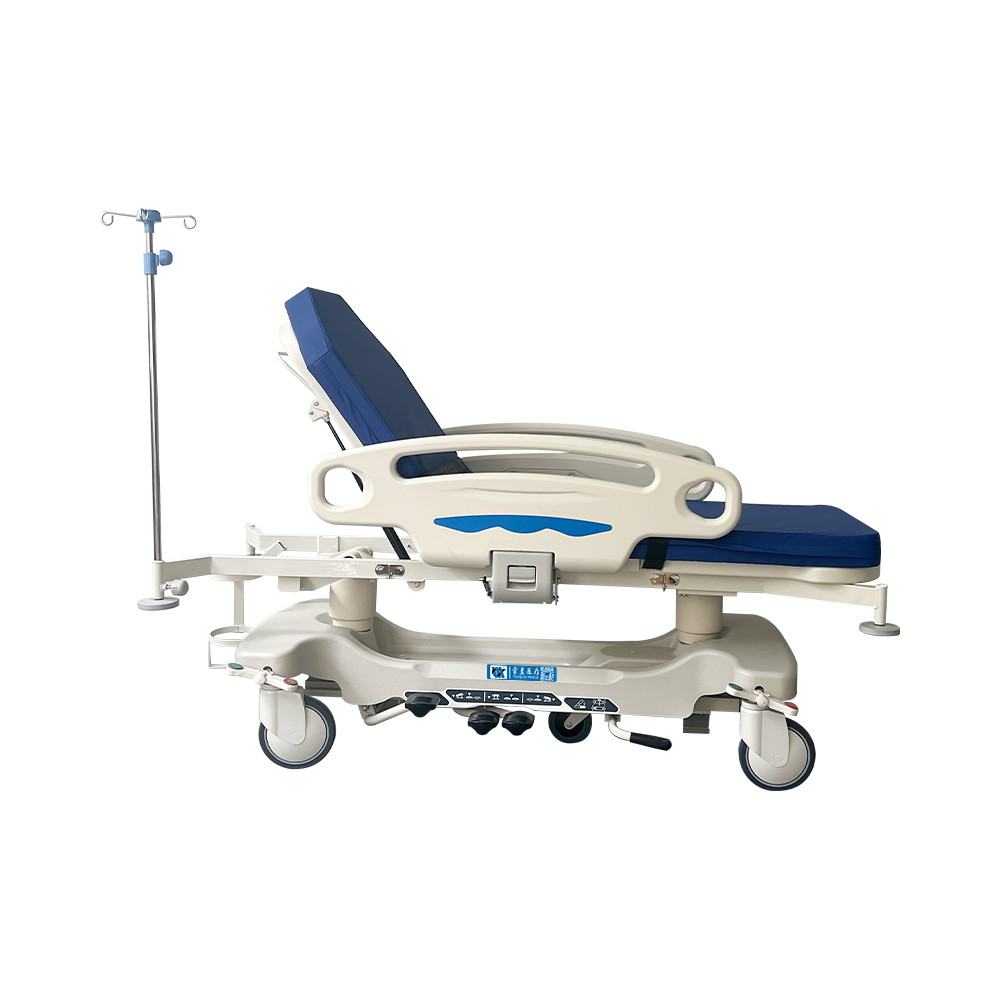
BDEC00 Medical Hydraulic Patient Transport Stretcher with Weighing Scale
-
BDEC02 Standard Medical Manual Luxurious Stretcher Trolley
-
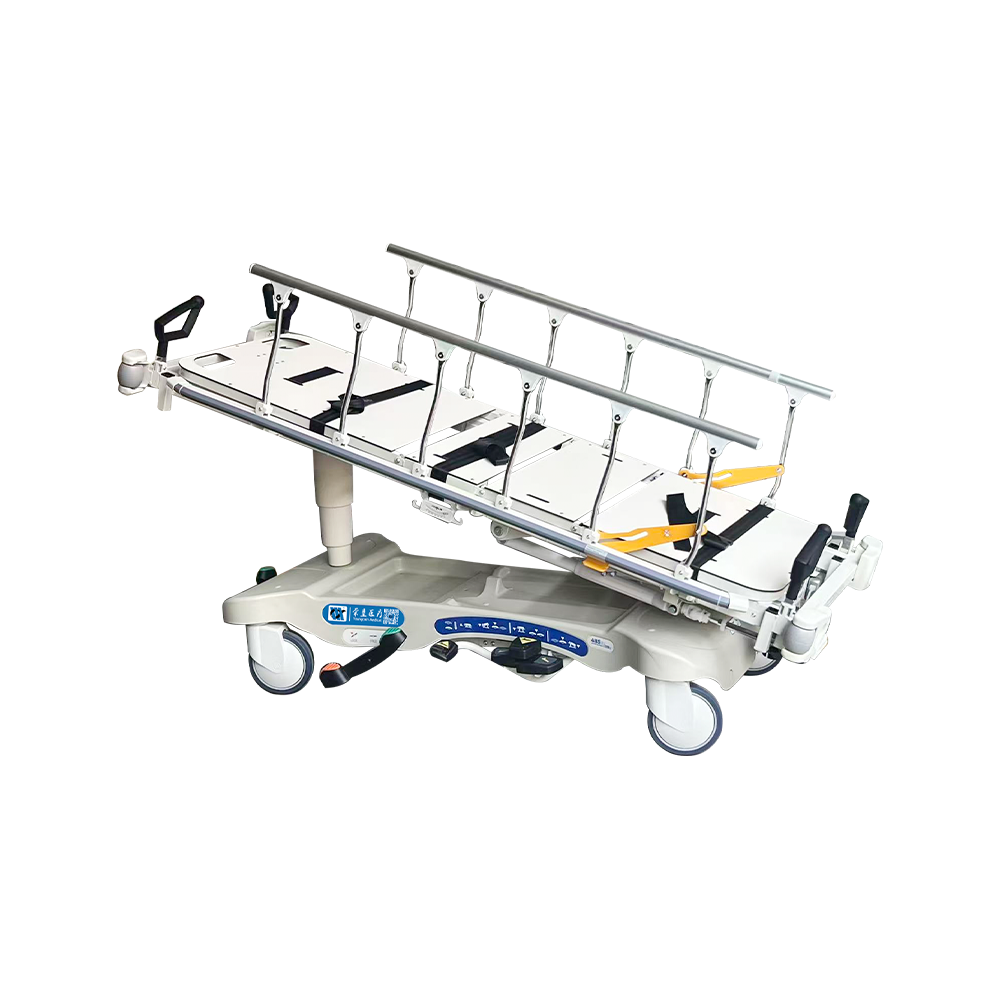
BDEC03 Medical Hydraulic Patient Transport Stretcher Trolley With ABS Platform
-
BDEC04 Medical Hydraulic Patient Transfer Stretcher with Bumper Strip
-
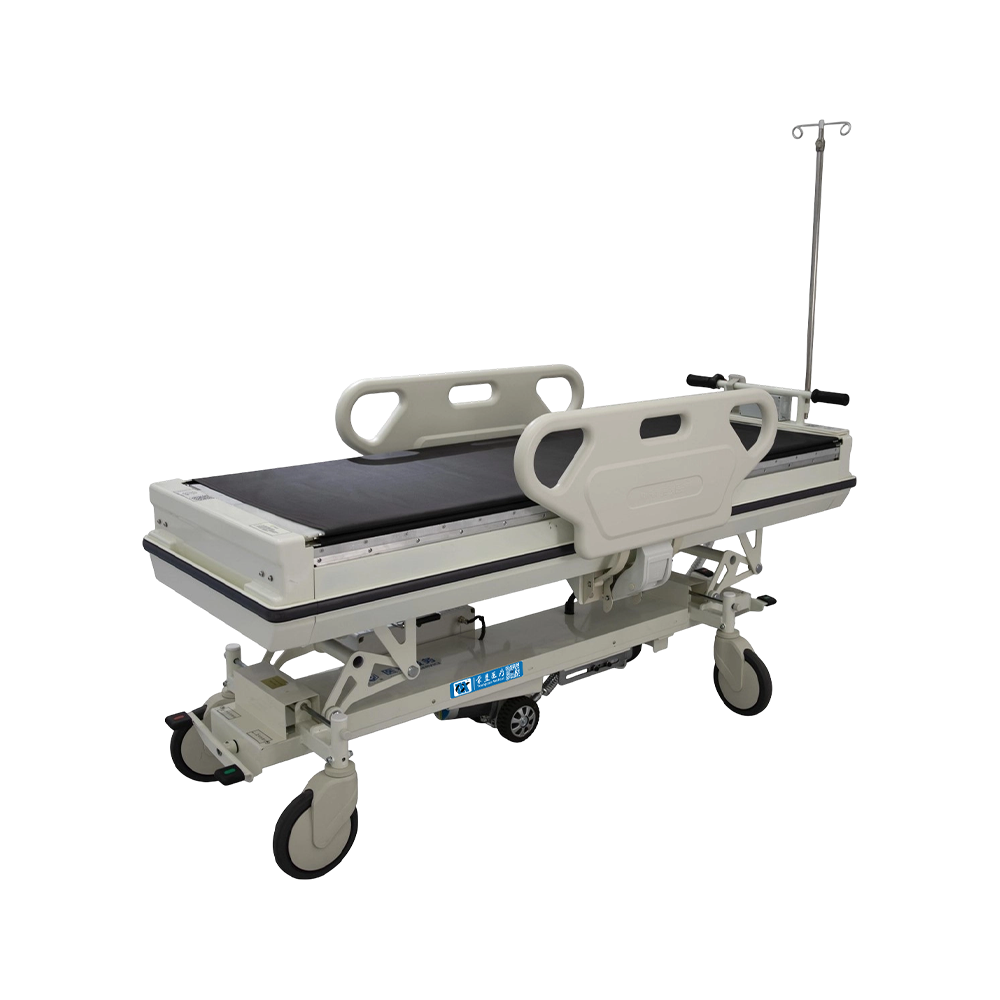
BDEC04(E) Electric Patient Transport Stretcher Trolley with Bumper Strip
-
BDEC06 Medical Manual Patient Transport Stretcher Trolley with ABS Tuck-Away Guardrails
-
BDEC07 Medical Hydraulic High and Low Lifting System Patient Transport Stretcher Trolley
-
BDEC08 Medical Electric Transfer Trolley
-
BDEC04(III) Medical Hydraulic Patient Transfer Stretcher with Weighing Scale
-
 7500+㎡Factory Area
-
 100+Team Members
-
 85%Export Ratio
-
 90+ CountriesGlobal Markets
-

Pipe Punching
-

Soldering
-

Assembly
-

Inspection
-

Display
-

Packaging
-

Safety Stock
-

Shipment
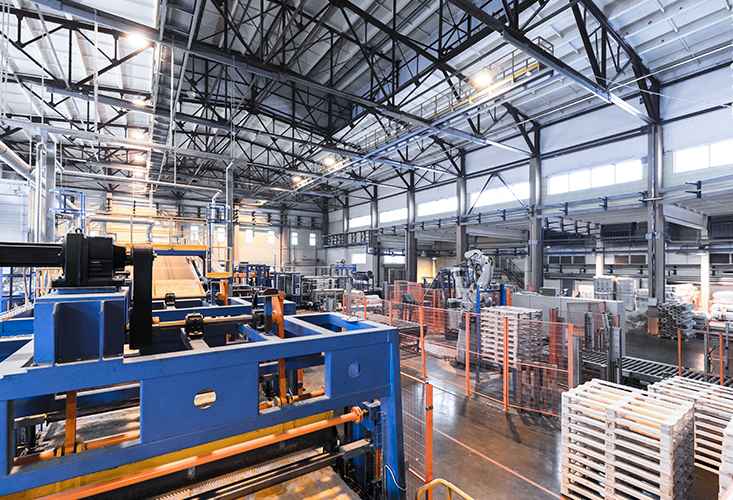
We are an integrated manufacturer and exporter, combining production, quality control, and engineering support. Patient Trolley Factory in China. Our facility is organized by workflow, covering welding, surface treatment, assembly, packing, finished goods warehousing, and container loading. With coordinated teams in production, QC, engineering, and after-sales, we ensure consistent quality, stable delivery, and export-ready support for global customers.
Date With Our Latest Company News and Exhibitions
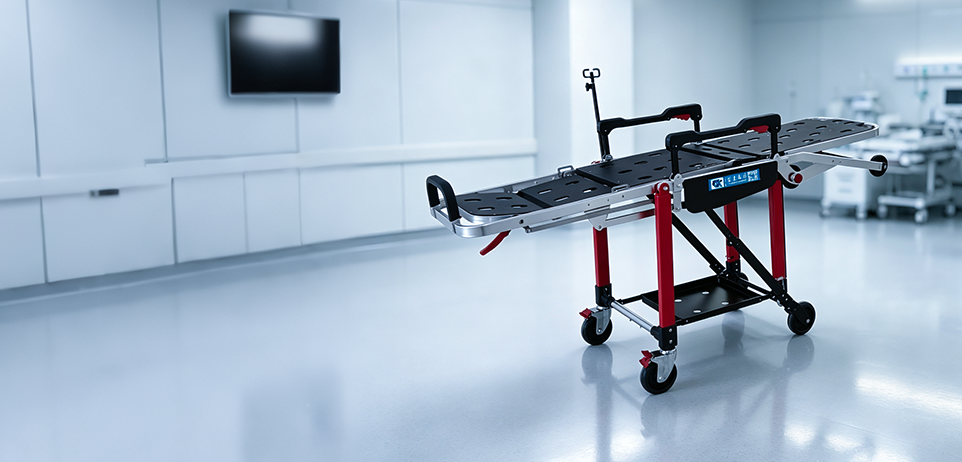


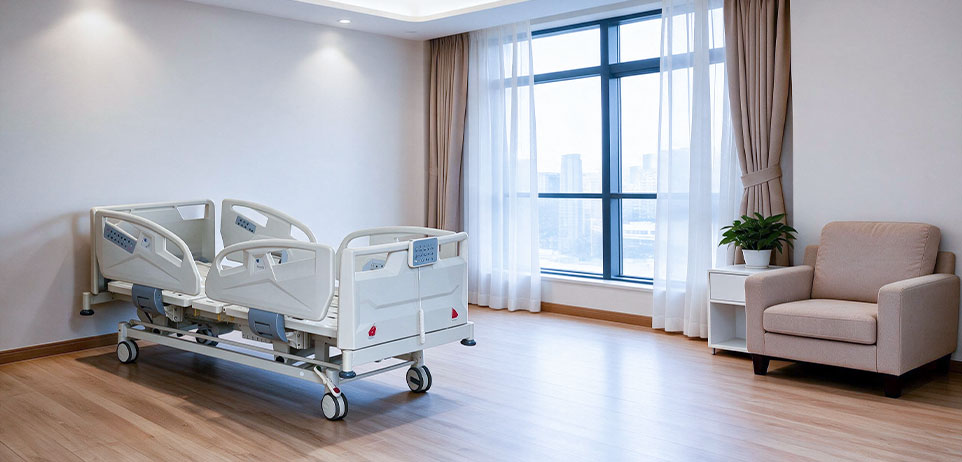
Patient Trolley Manufacturer for Hospital Transfer Projects
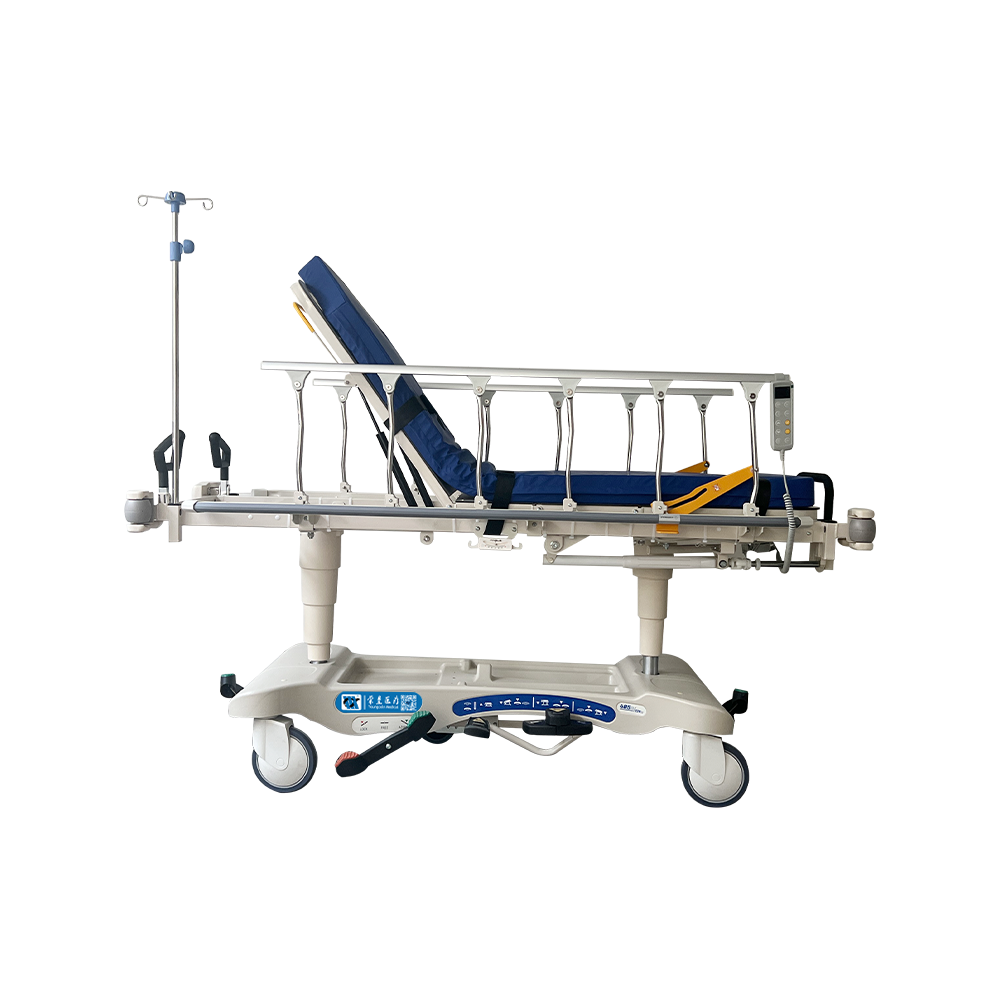
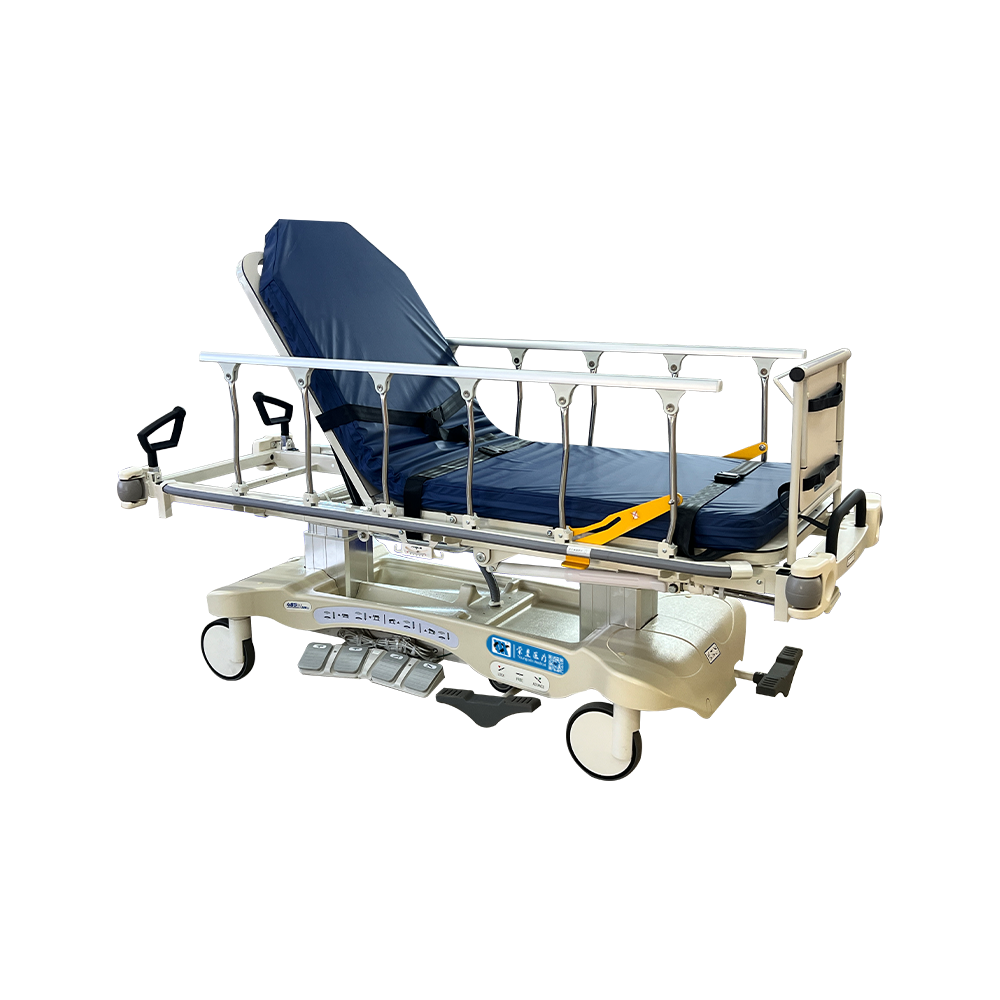
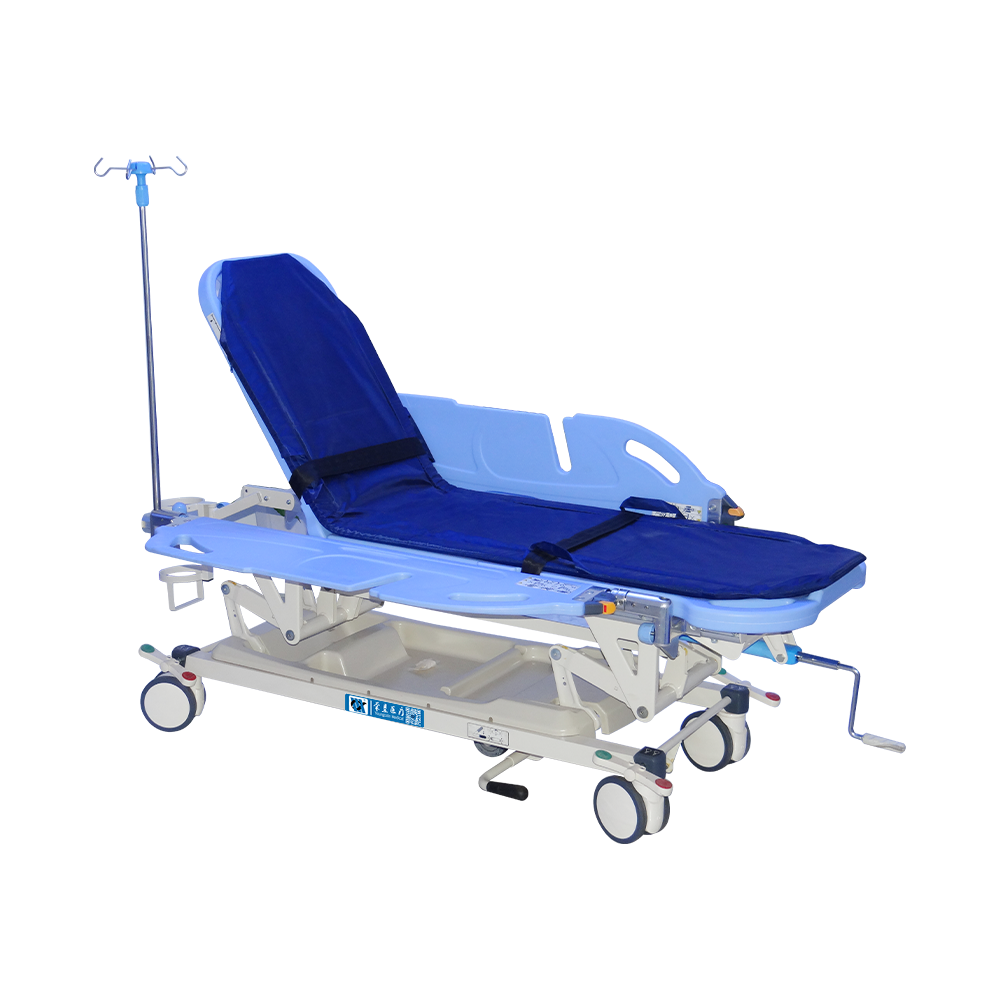
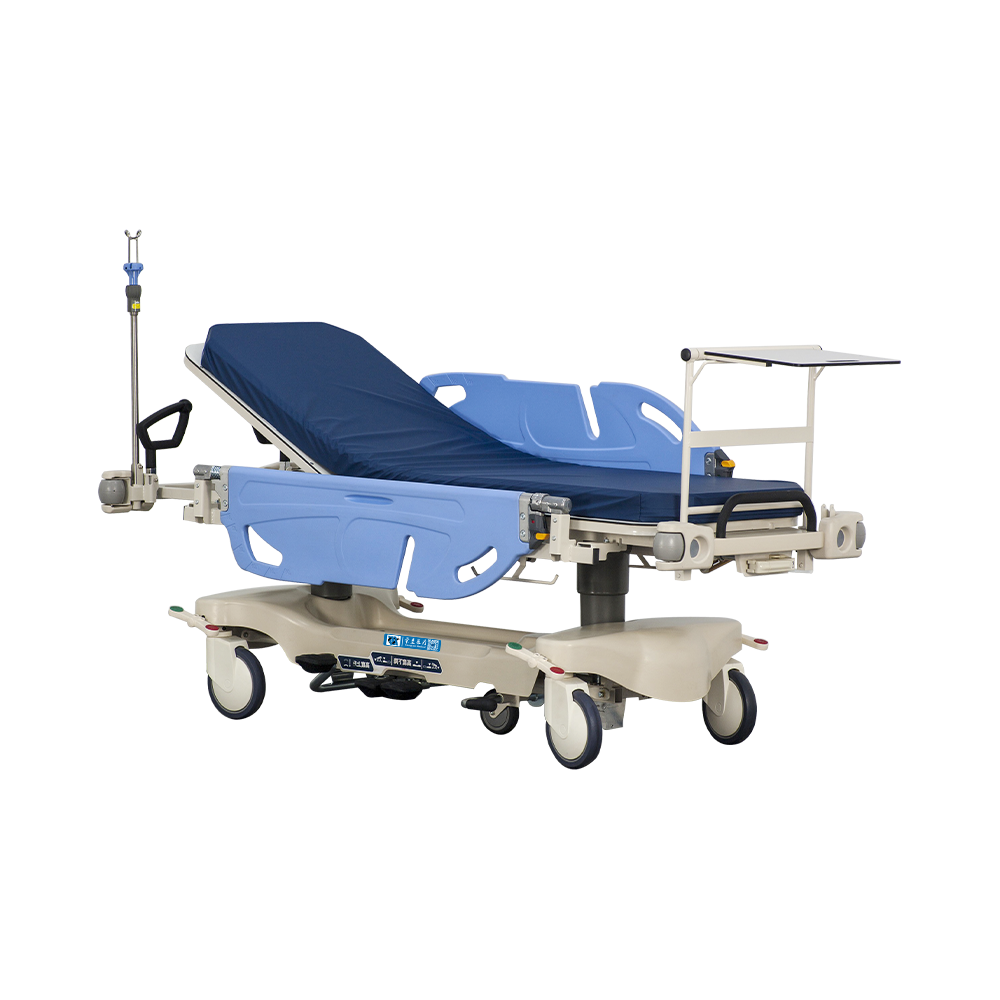
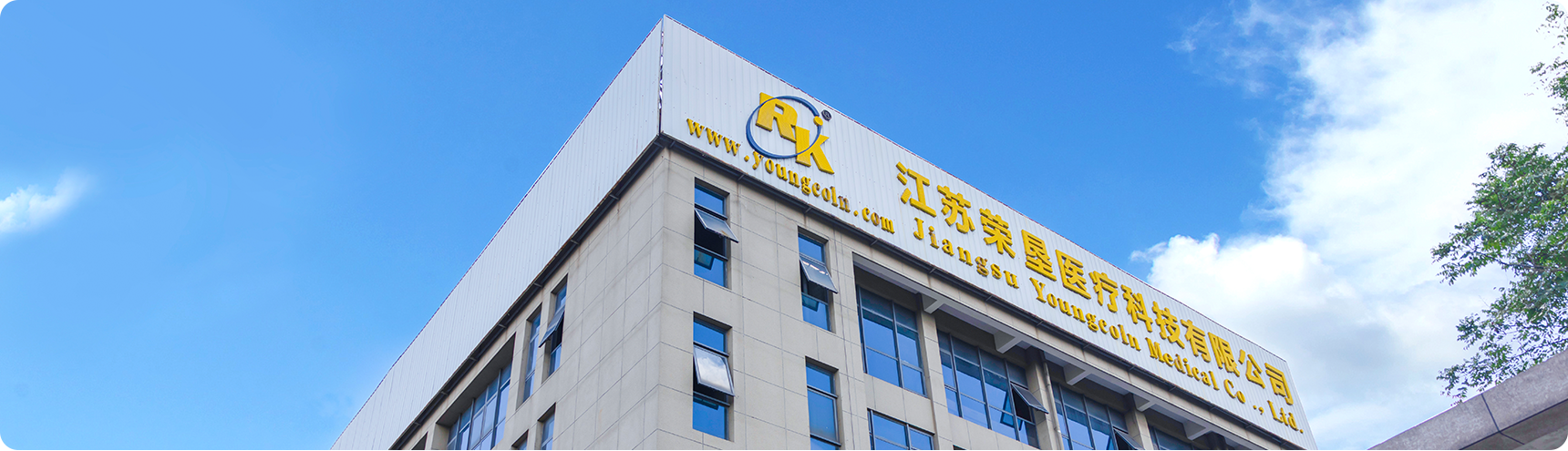
Jiangsu Youngcoln Medical Co., Ltd. manufactures Patient Trolley units for hospitals, clinics and medical distributors, alongside hospital beds, operating tables and stretchers. Our patient trolley range covers manual, hydraulic and electric platforms in nine configurations, built for emergency departments, operating theatre corridors, imaging suites and ward transfers.
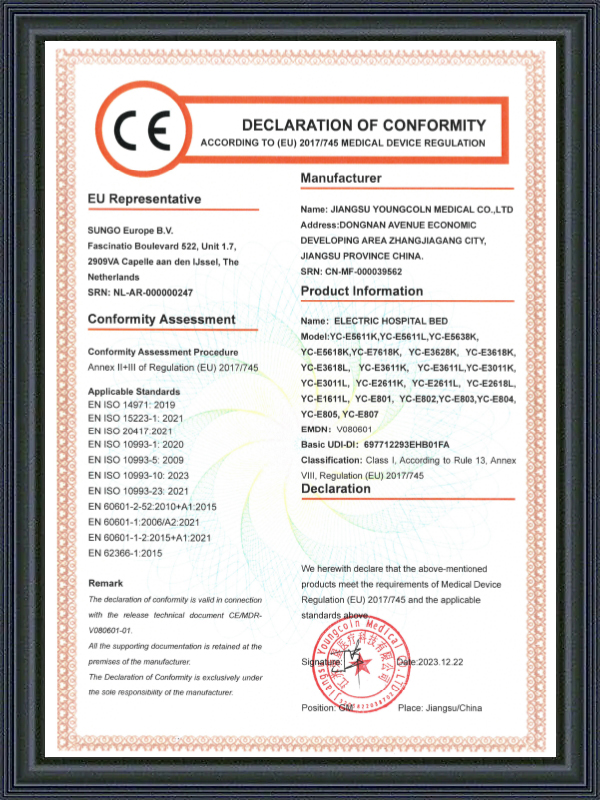
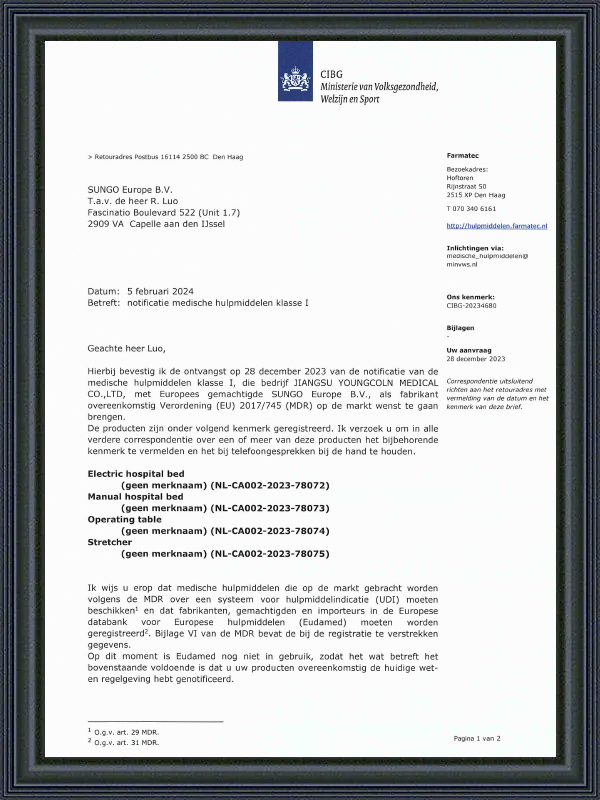
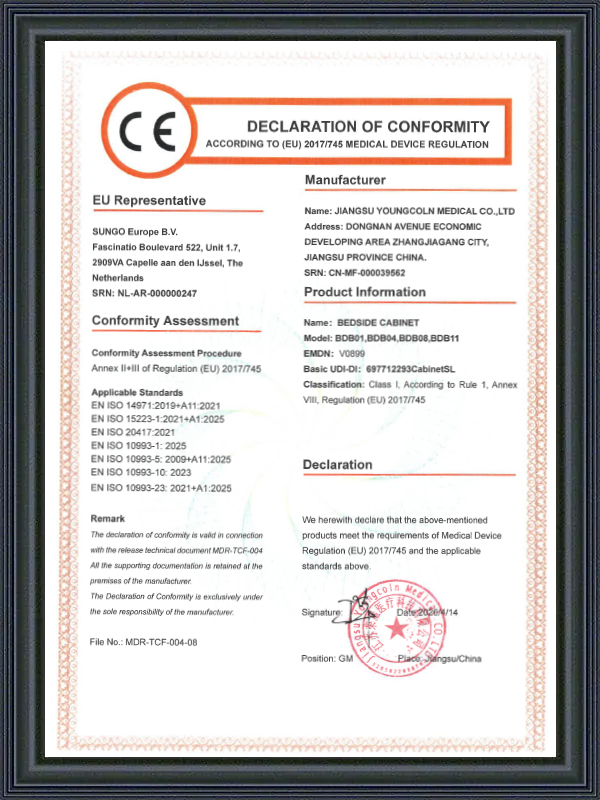
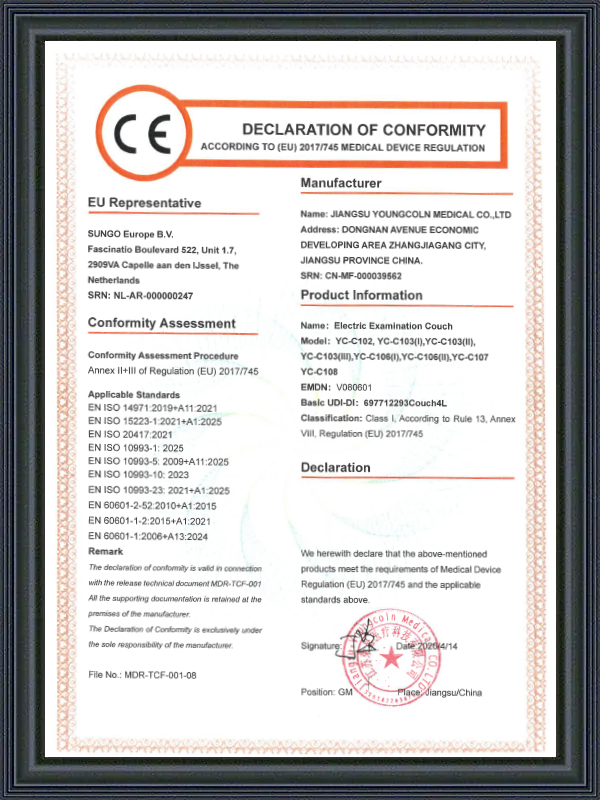
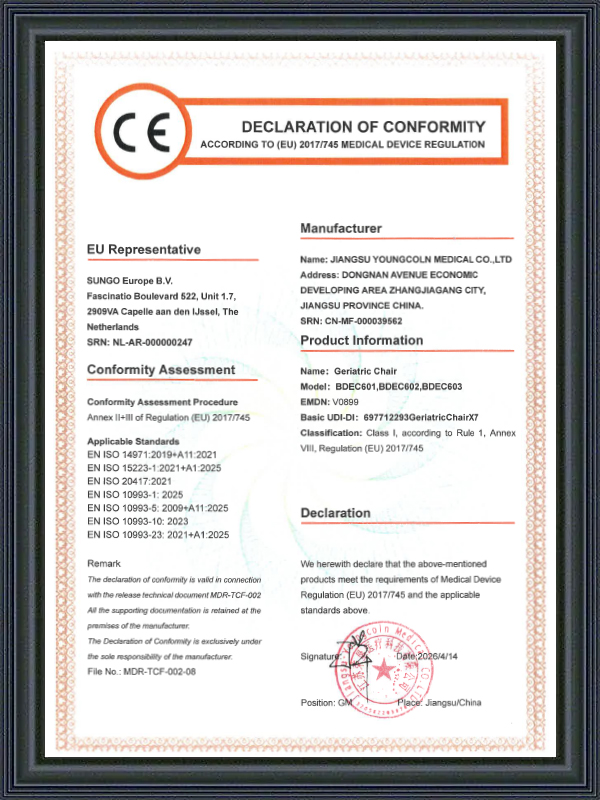
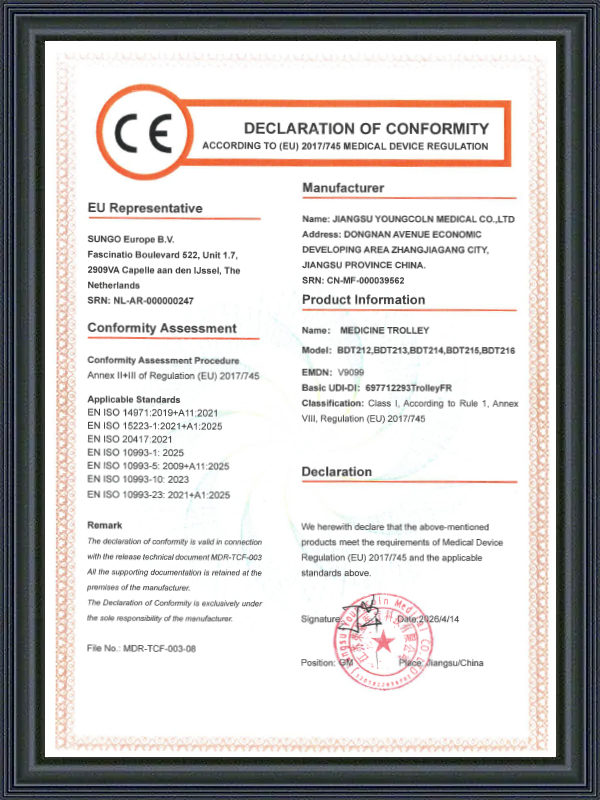
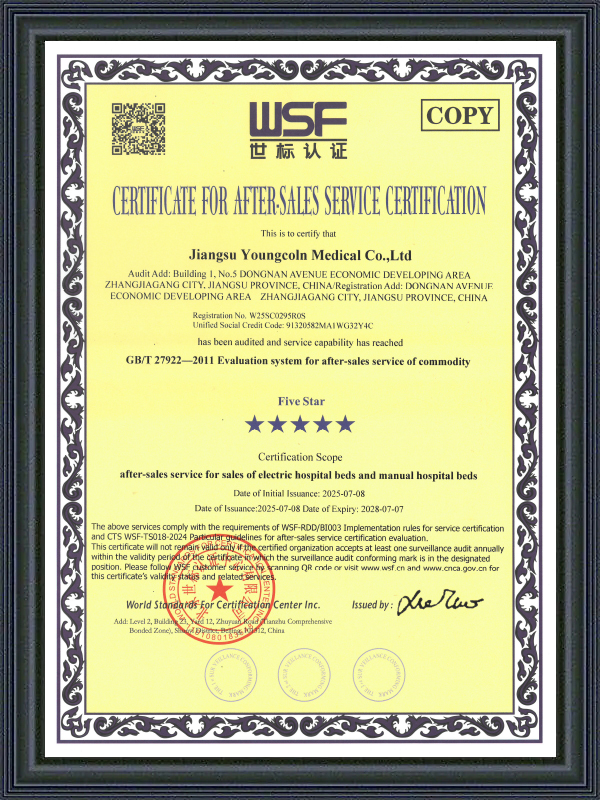
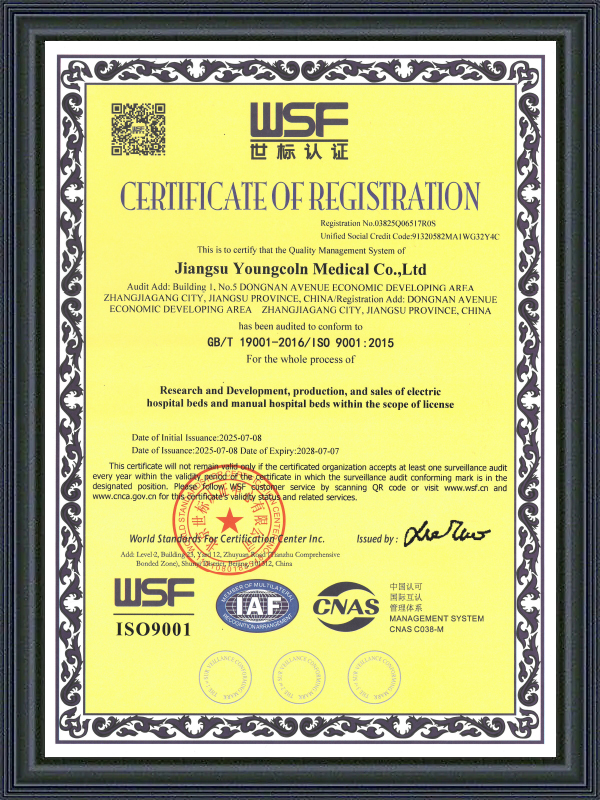
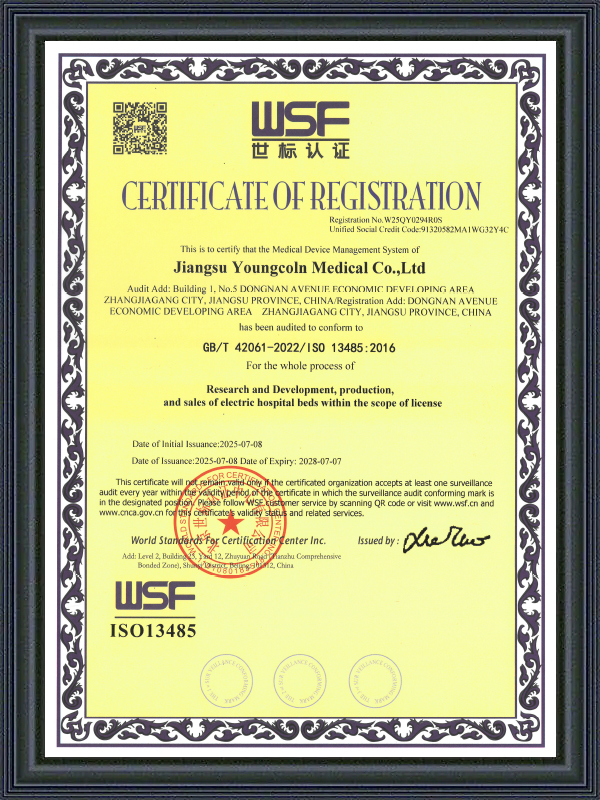
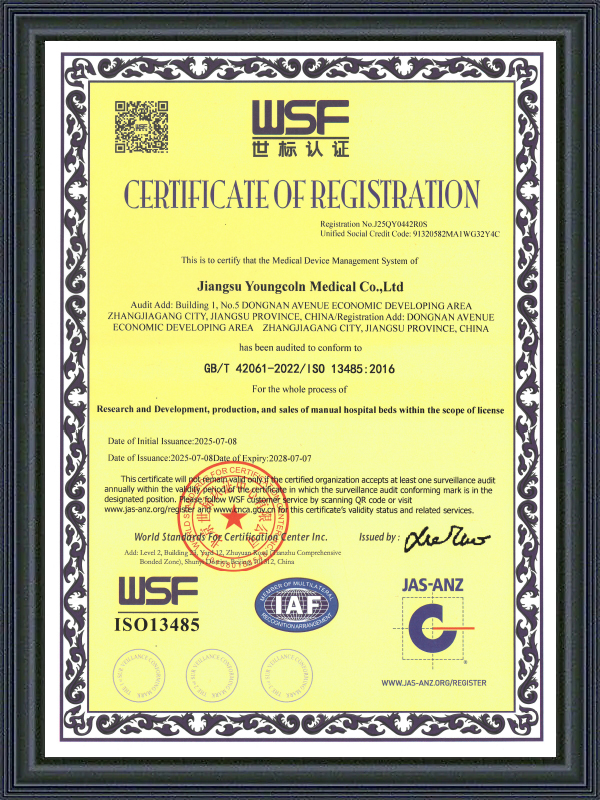
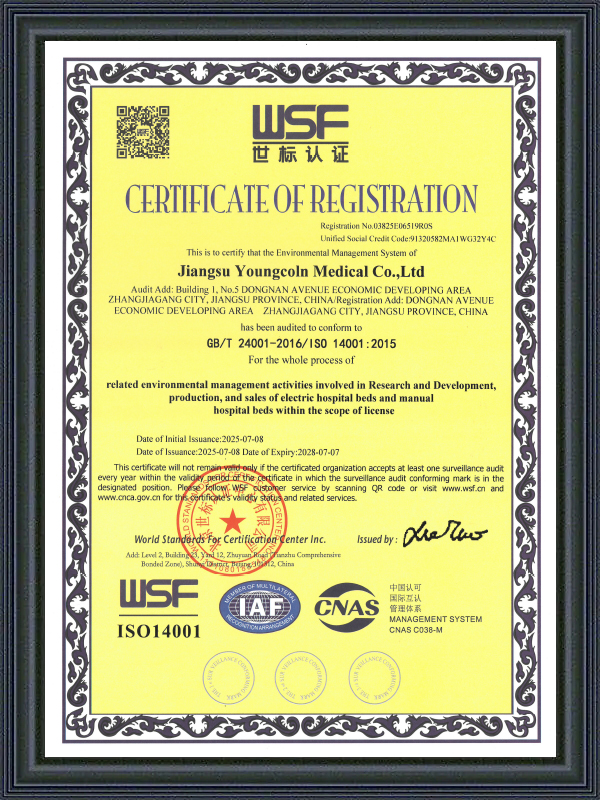
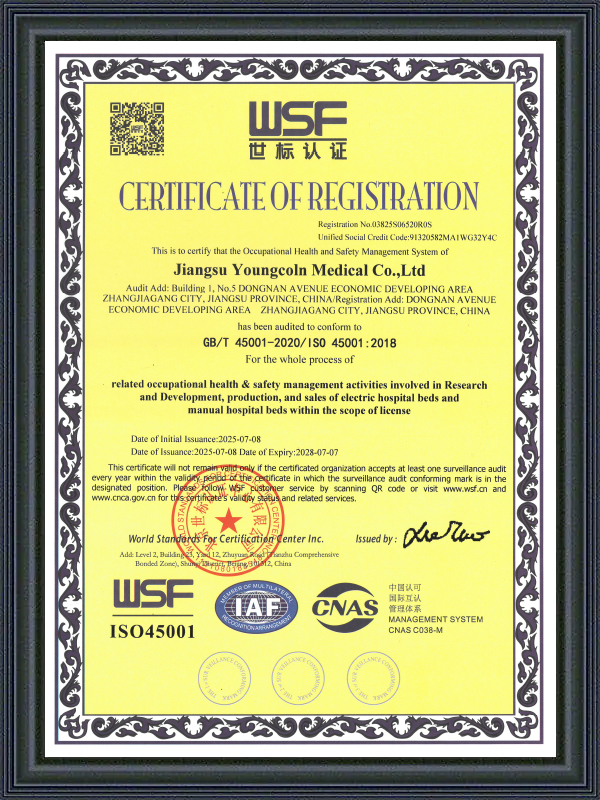
We have supplied hospital furniture and medical equipment since 2008 from Zhangjiagang, Jiangsu Province, with ISO9001, ISO13485 and CE certification and a Medical Device Manufacturing Enterprise License. Each trolley is assembled on our own lines and inspected through IQC, IPQC, FQC and OQC stages before packing.
Our Patient Trolley Range
The range is organised by lifting method and platform type, so a department can be equipped with a consistent fleet while matching each trolley to its actual duty cycle.
| Model | Lifting / Drive | Platform & Guardrail | Typical Fit |
|---|---|---|---|
| BDEC00 | Hydraulic, with weighing scale | Patient transport platform | Dosing, dialysis and pre-operative weighing |
| BDEC02 | Manual height adjustment | Luxurious stretcher platform | Ward and outpatient transfers |
| BDEC03 | Hydraulic | ABS platform | General hospital transport |
| BDEC04 / BDEC04(III) | Hydraulic; III with weighing scale | Bumper strip protection | Corridor and doorway traffic |
| BDEC04(E) | Electric | Bumper strip protection | High-frequency departments |
| BDEC06 | Manual | ABS tuck-away guardrails | Space-restricted wards |
| BDEC07 | Hydraulic high-low lifting system | Transport platform | Bed-to-trolley lateral transfer |
| BDEC08 | Electric transfer trolley | Transfer platform | Theatre and recovery routing |
Where Each Configuration Fits
Hydraulic models suit departments that need smooth height positioning without depending on a power supply at the bedside. Electric models reduce physical effort for staff who move patients many times per shift. Manual models remain the practical choice for lower-acuity wards and for facilities that standardise on mechanical adjustment.
- Emergency and admission: hydraulic platform with bumper strip for corridors, lifts and door frames.
- Operating theatre interface: high-low lifting to align the trolley surface with the table before lateral transfer.
- Dialysis and oncology: integrated weighing scale to record patient weight at each session.
- Imaging and radiology: flat platform and lockable casters for stable positioning during examination.
Trolleys work as part of a wider transfer chain. Our Operating Connecting Trolley bridges the ward and theatre, while Stretcher Trolley models cover emergency and pre-hospital movement.
Platform, Frame and Component Specifications
Frames are built from welded steel tube with a powder-coated finish; ABS is used for platforms, guardrails and side panels where impact resistance and wipe-down cleaning matter. We confirm the following points against each order before production.
- Platform length, width and mattress thickness, matched to the receiving bed or table height.
- Height range and lifting stroke for hydraulic and electric versions.
- Backrest angle and Trendelenburg capability where the clinical protocol requires it.
- Caster diameter, swivel behaviour and central or individual braking.
- Guardrail type: fixed, folding or ABS tuck-away.
- Accessory brackets for IV pole, oxygen cylinder and record holder.
Controls, Power and Daily Operation
Electric trolleys use low-voltage actuators with hand control, and we confirm the supply voltage, plug type and battery or mains arrangement for the destination market. Hydraulic units use sealed foot-pump systems that need no electrical connection, which simplifies deployment in older buildings.
For fleet planning we also confirm how the trolley is stored between trips, whether it must pass through standard 900 mm door openings, and whether staff will operate the controls with gloves. These details influence the control layout and the guardrail choice more than the headline specification does.
Manufacturing and Quality Control
Our 7,500 m² facility is organised by workflow: pipe punching, welding, surface treatment, assembly, inspection, packing and container loading. Japanese semi-automatic welding arms and automated assembly and packing lines support repeatable frame quality across batches.
| Stage | What We Check |
|---|---|
| IQC | Incoming frame parts, casters and brakes, side rails |
| IPQC | Welding and assembly consistency during build |
| FQC | Appearance plus lifting, locking and adjustment functions |
| OQC | Model, quantity, accessories and packaging labels |
Compliance documentation, including CE documentation and ISO certificates, is prepared with the shipment so that hospital technical committees can complete acceptance without delay.
OEM, Branding and Customisation
We support OEM programmes for distributors: model naming, label and manual content, packaging marks and colour selection for platform and frame elements. Structural changes such as platform dimensions, accessory bracket positions or guardrail style are reviewed by our R&D team, which includes structural designers and process engineers with electrical support for powered lines.
Customised trolleys are quoted after a drawing review, because platform size and lifting stroke changes affect the frame, the hydraulic or electric system and the packing dimensions together.
Installation, Acceptance and Maintenance
Trolleys arrive assembled or partly assembled depending on container loading plan; we supply assembly instructions, accessory fitting guidance and a packing list per unit. On delivery, acceptance typically covers frame alignment, caster tracking and braking, guardrail operation, lifting smoothness and scale calibration where fitted.
- Routine checks: caster and brake function, guardrail locking, hydraulic seal condition, actuator travel.
- Spare parts: casters, brake pedals, gas springs, hydraulic pumps and hand controls are available as service items.
- Documentation: user manual, maintenance schedule and compliance file supplied with each order.
Information We Use to Configure Your Solution
A workable proposal needs the clinical route, the receiving surfaces and the fleet size. We prepare the configuration and quotation from the following inputs.
| Input | Why It Matters |
|---|---|
| Department and transfer route | Determines lifting type, guardrail style and bumper protection |
| Receiving bed or table height | Sets the required height range and lifting stroke |
| Patient profile and load | Confirms platform size and structural specification |
| Weighing requirement | Selects BDEC00 or BDEC04(III) instead of standard models |
| Power supply and plug standard | Applies to electric models only |
| Accessories and branding | Defines IV pole, oxygen bracket, labels and packaging |
| Quantity and delivery schedule | Drives batch planning and container loading |
Frequently Asked Questions
Which patient trolley models does Youngcoln manufacture?
We produce nine models in this category: BDEC00, BDEC02, BDEC03, BDEC04, BDEC04(E), BDEC04(III), BDEC06, BDEC07 and BDEC08. They differ in lifting method (manual, hydraulic, electric), platform and guardrail type, and whether a weighing scale is integrated.
Can the trolley height be matched to our operating tables?
Yes. We match the trolley height range to the receiving surface, and our Electric Operating Table and hydraulic table ranges are specified in the same project so that lateral transfer heights align.
Do you offer OEM branding for distributors?
We support OEM programmes covering model naming, labels, manuals, packaging marks and colour selection. Structural customisation is reviewed by our engineering team before quotation.
What documentation is supplied with an order?
Orders are shipped with a packing list, user manual and maintenance guidance, together with our ISO9001, ISO13485 and CE documentation for hospital acceptance procedures.
How are spare parts handled after delivery?
Casters, brake assemblies, gas springs, hydraulic pumps and hand controls are available as service parts. We confirm the recommended spare set with the order so that departments can keep trolleys in service.

- QR CODE:
- OTHER LINKS:
- QUICK LINKS
- Home
- Products
- About Us
- Manufacturing
- Quality Assurance
- News
- Contact us
- PRODUCT CATEGORIES
- Hospital Bed
- Operating Tables
- Patient Transfer Trolley
- Medical Stretcher
- Medical Examination Couch
- Medical Carts
- Stainless Steel Medical Trolley
- Medical Chair
- Wheelchair
- Hospital Ward Furniture
- Optional Accessories
- Customized Products
-
 sales@youngcoln.com

-
PHONE
 +86-13913296627
+86-512-56951592
-
ADD
 No. 130 Southeast Avenue, Zhangjiagang Economic Development Zone, Suzhou, Jiangsu Province 215600, China


Approval No.: Jiangsu Medical Device Business Filing No. 20253048
