

 English
 عربى
 Español
 中文简体


Product Category
Contact us
Manual Hospital Bed Manufacturers
-
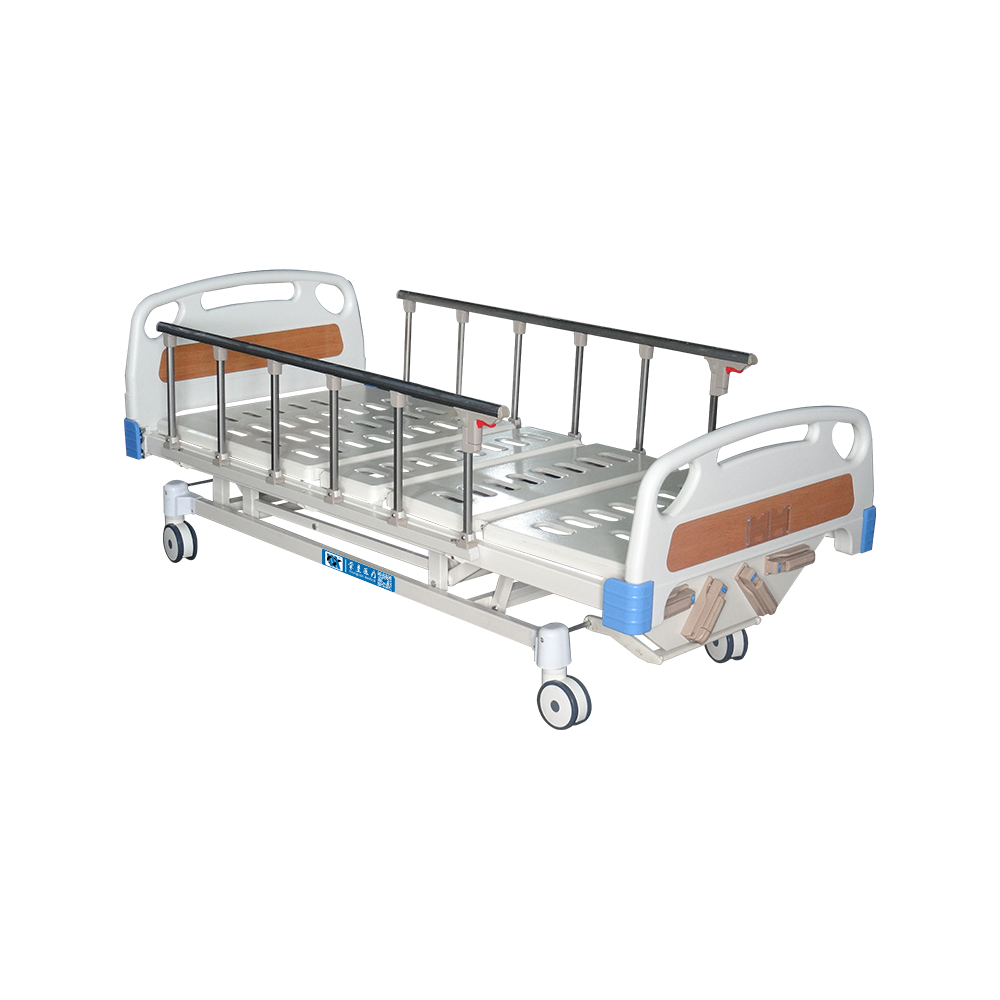
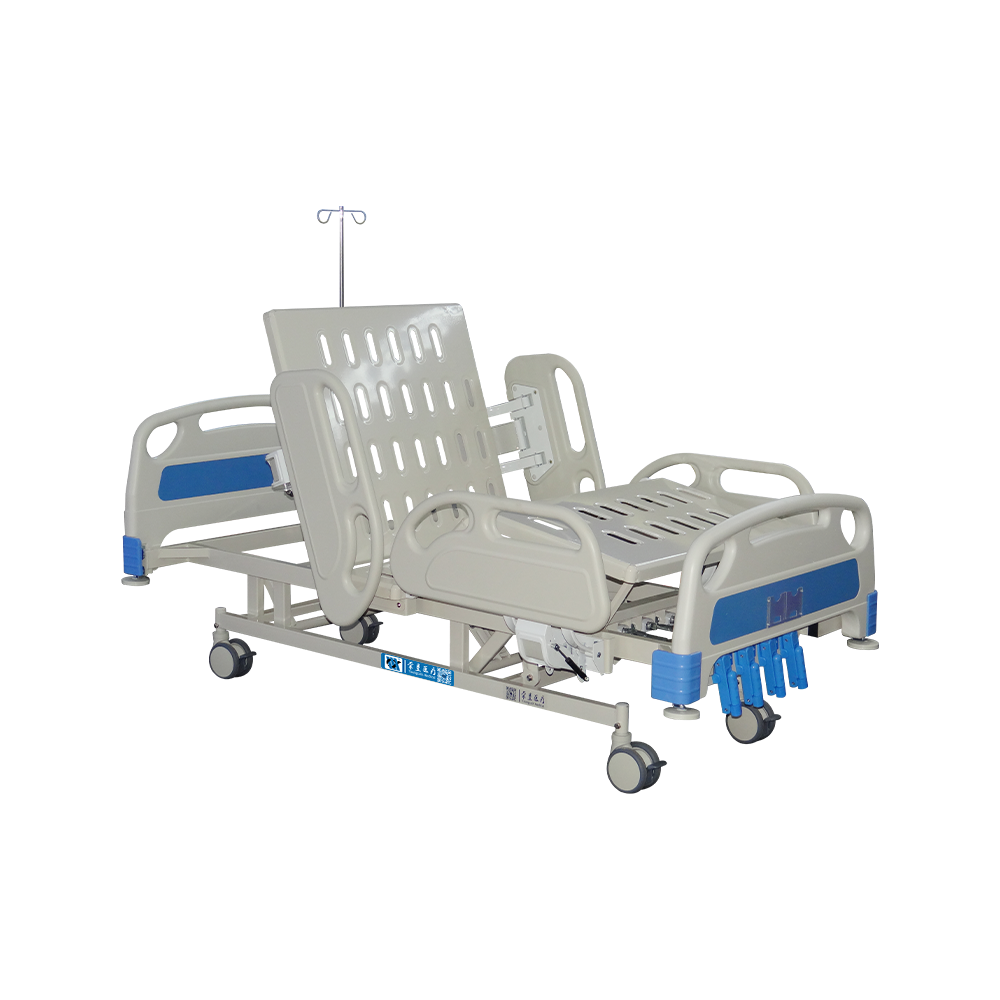
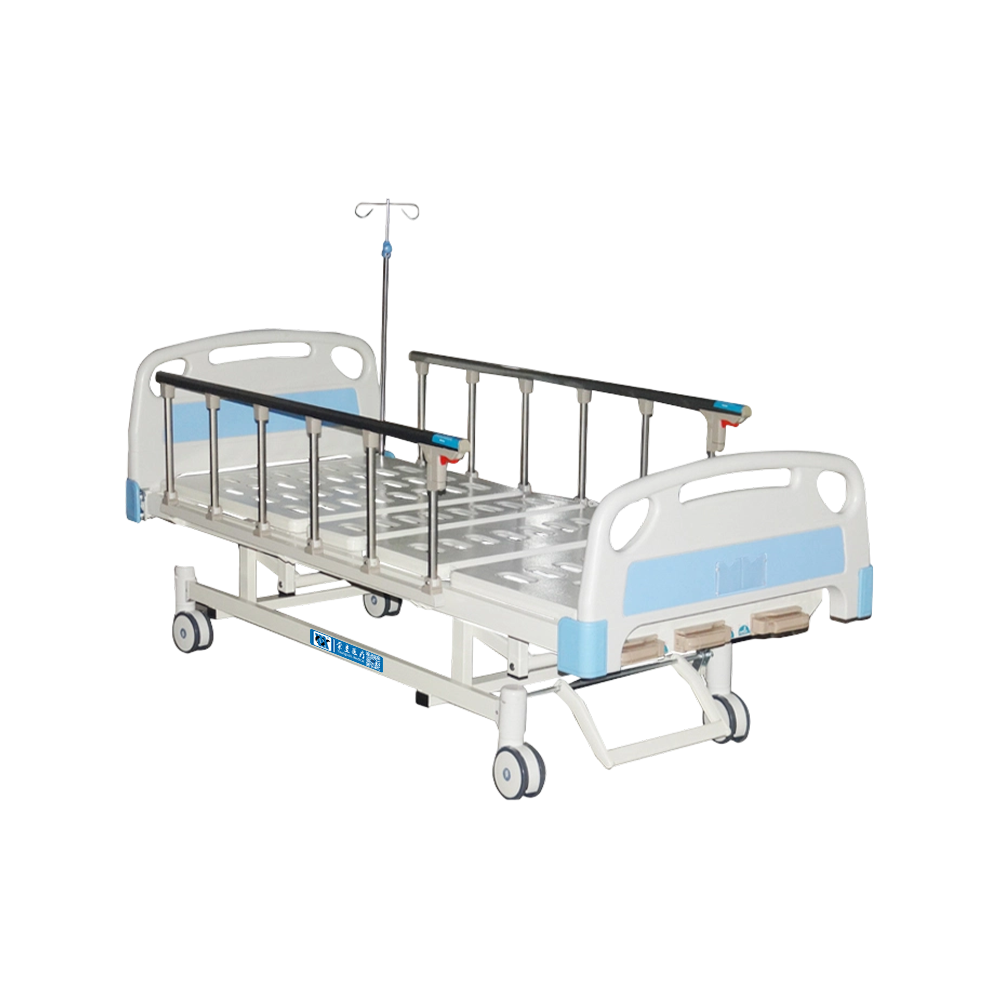
YC-T5611K Manual 4 Cranks low cost Hospital Bed
-
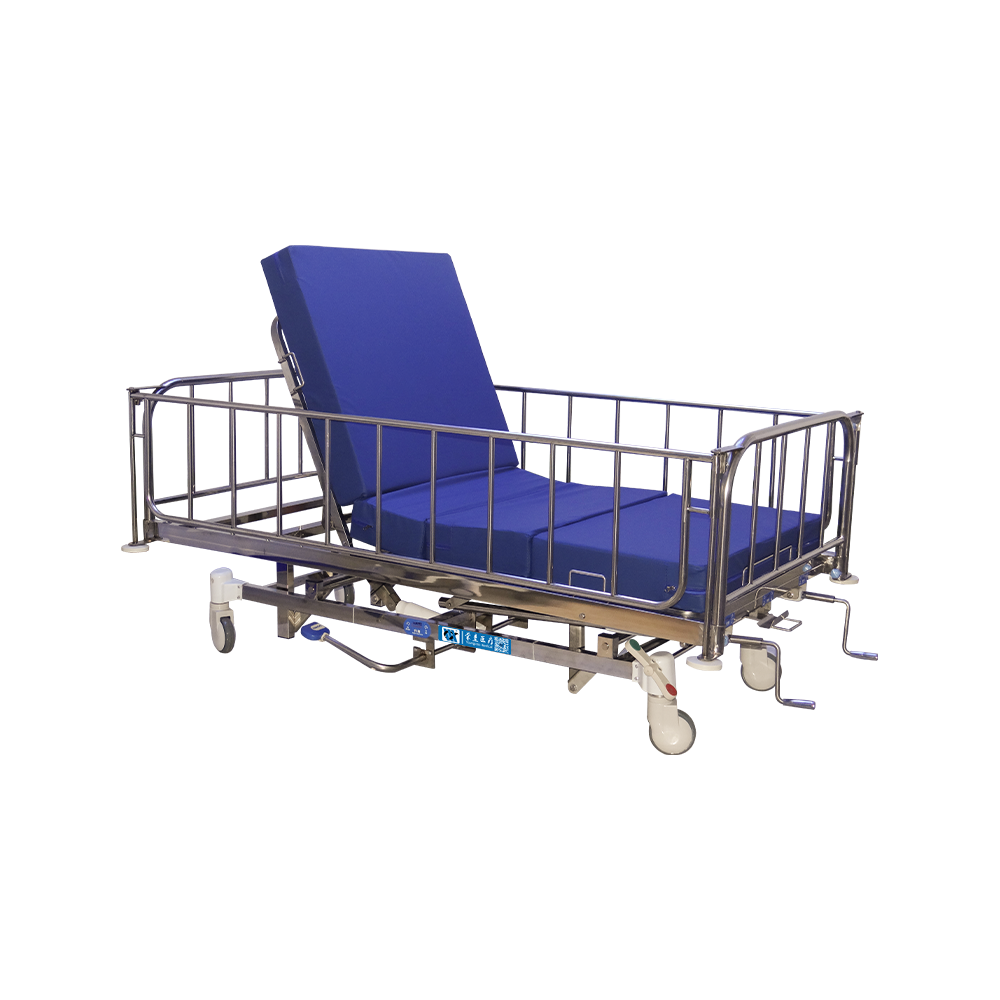
YC-T4611K Manual Hydraulic Hospital Bed
-
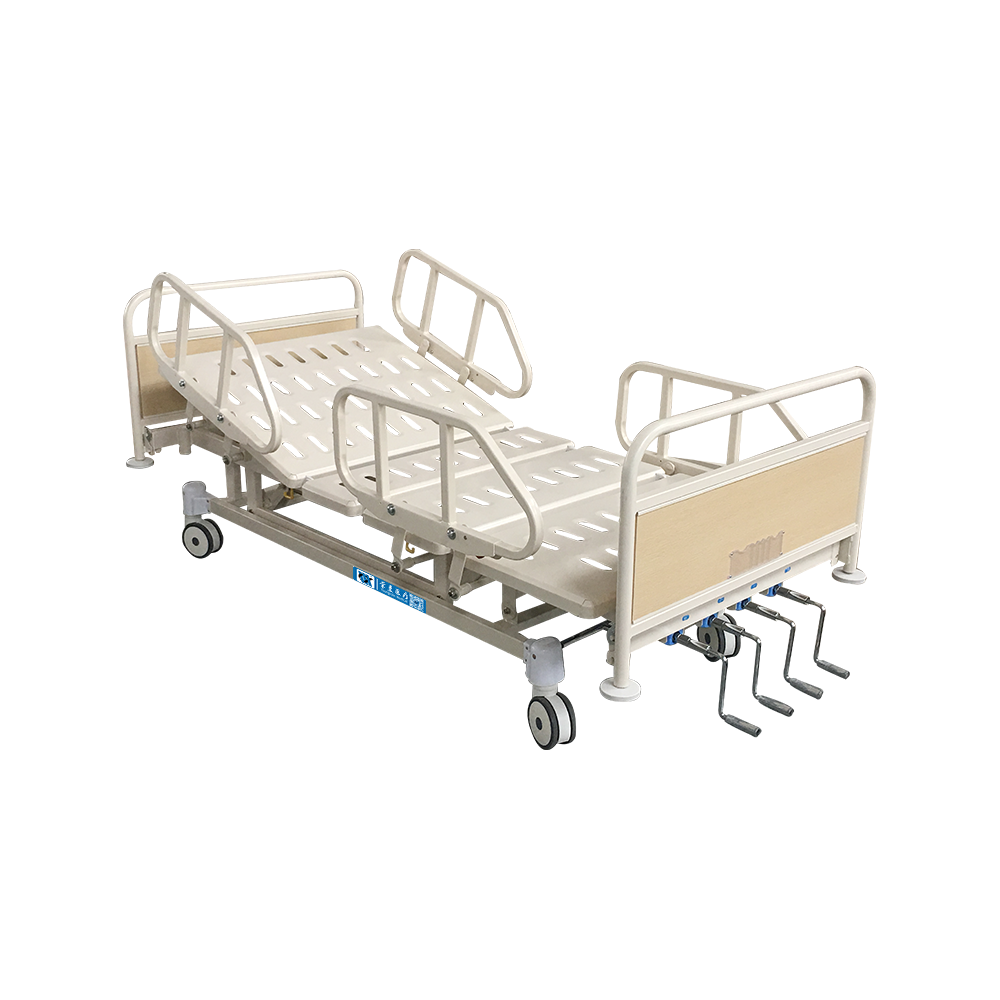
YC-T5111L 5 functional Manual 4 Cranks Hospital Bed
-
YC-T5618L Manual Hospital Bed 5 Functions with Corner Bumper
-
YC-T5611L Manual Hospital Bed 5 Functions with Silent Wheel
-
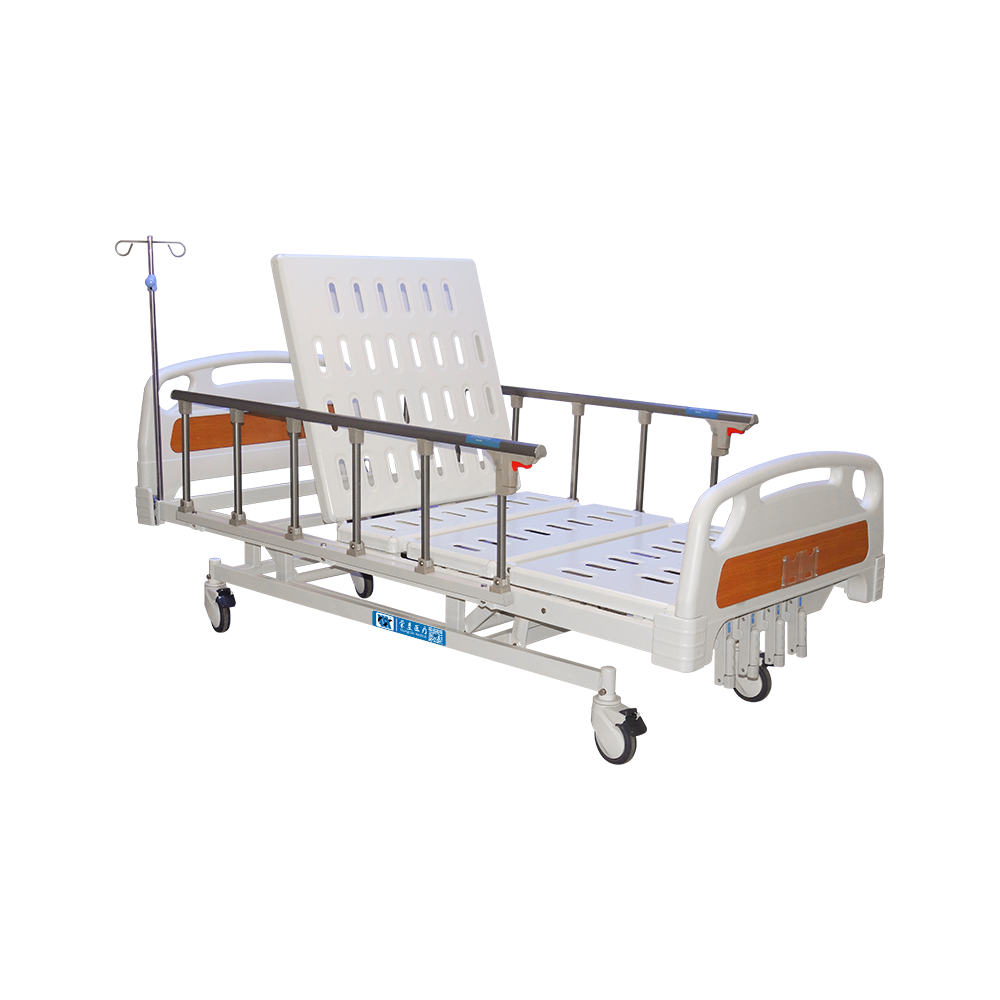
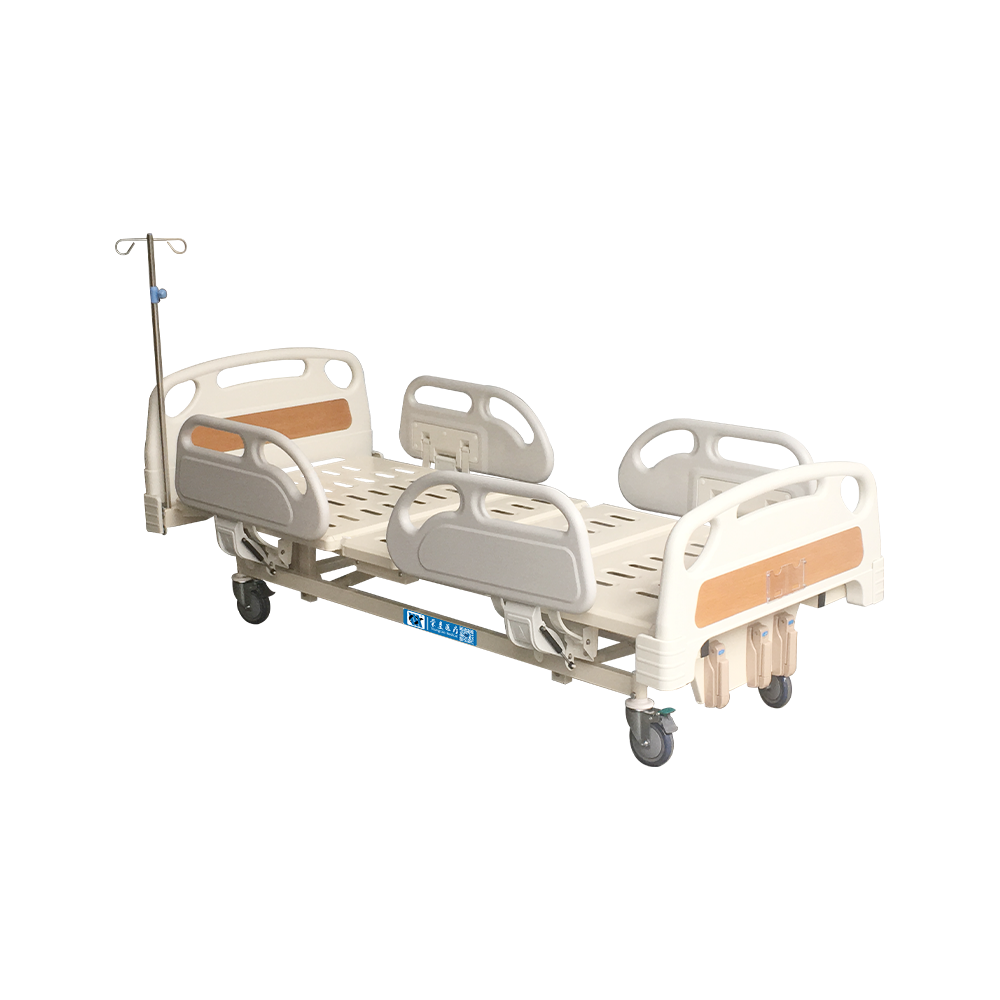
YC-T3618K(I) Manual ABS Crank Hospital Bed Three Functions
-
YC-T3618K(II) Manual 4units ABS ABS Manual Guardrails Hospital Bed
-
YC-T3611K Manual 3 Cranks Hospital Bed with Silent Wheel
-
YC-T3618L anual Hospital Bed 3 Functions with Corner Bumper
-
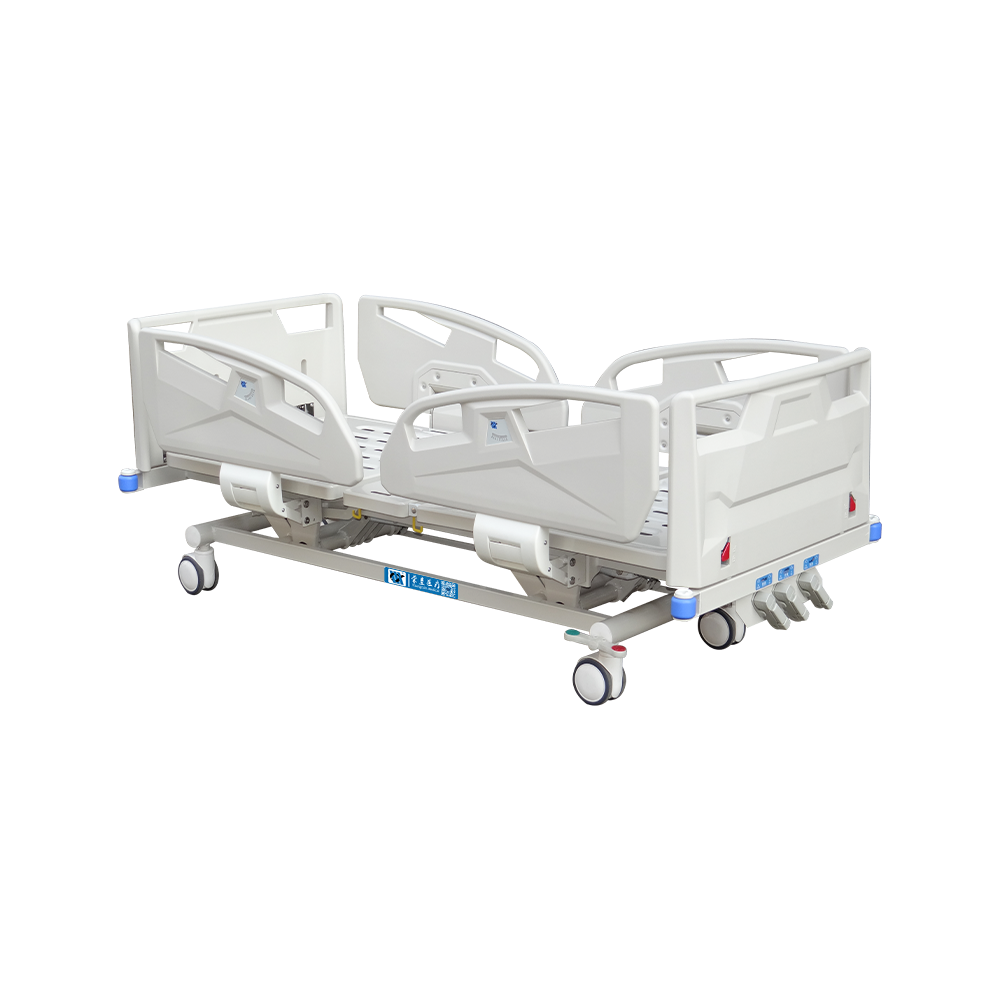
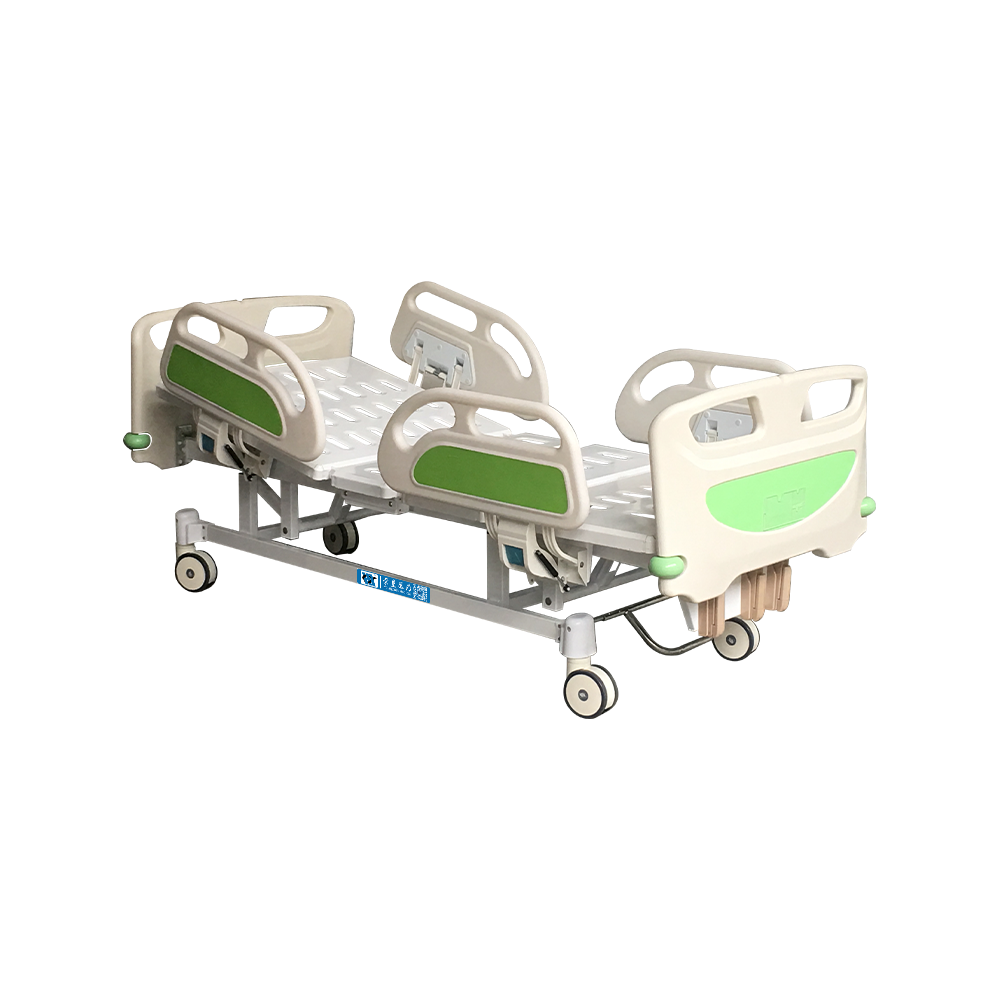
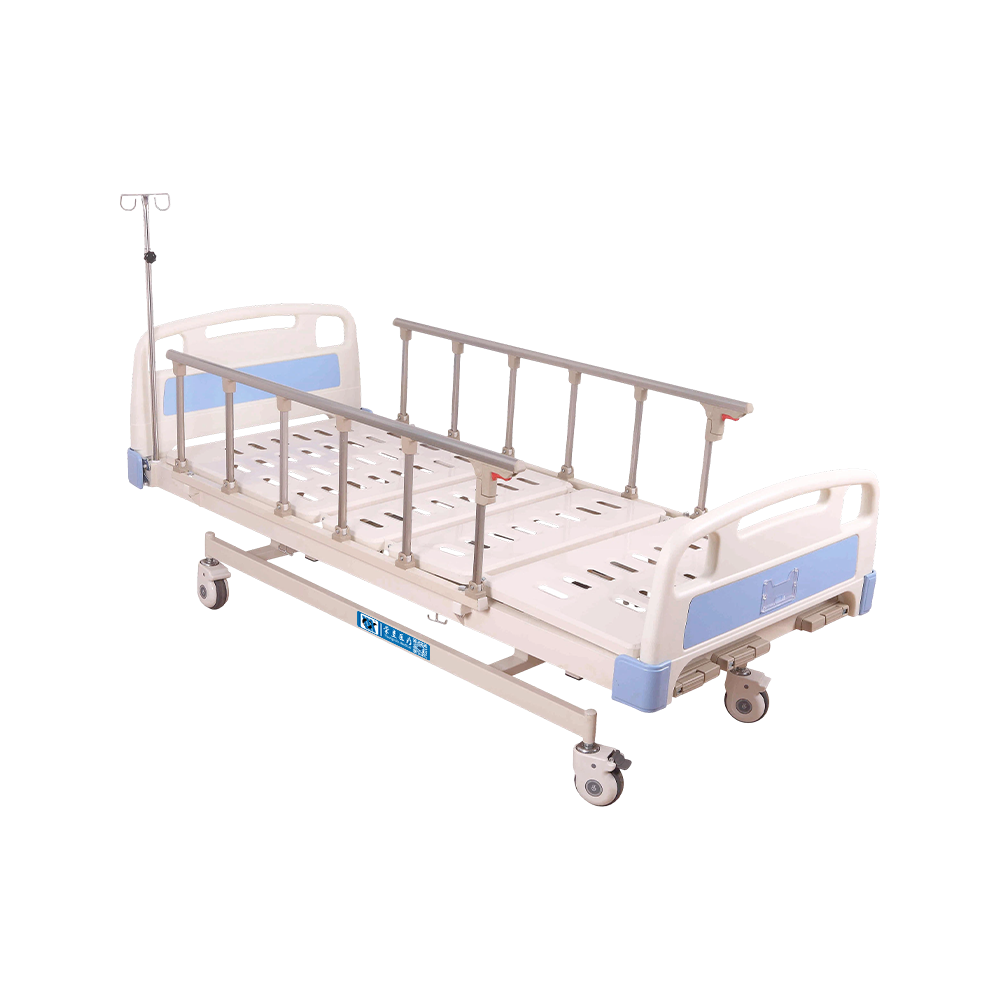
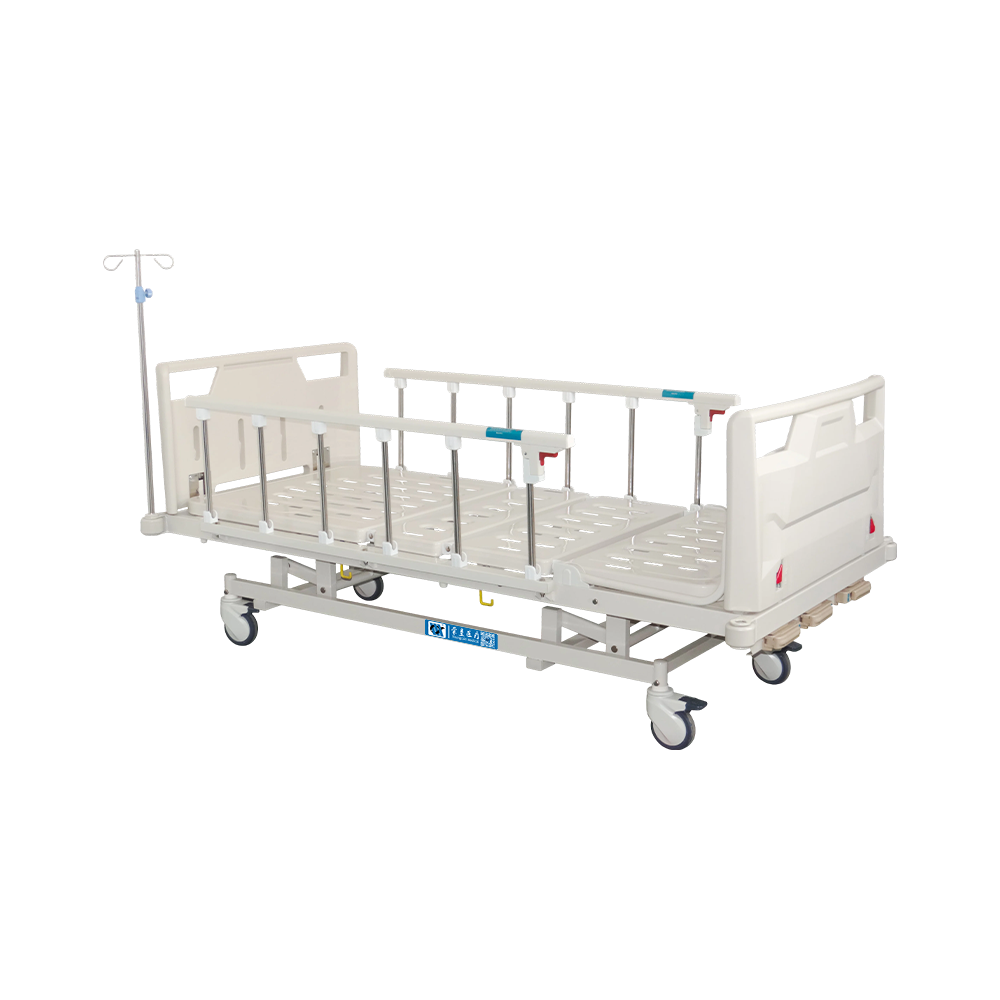
YC-T3611L(I) Manual Hospital Bed With Silent Wheel
-
YC-T3611L(II) Manual Steel Coated Guardrails Hospital Bed Three Functions
-
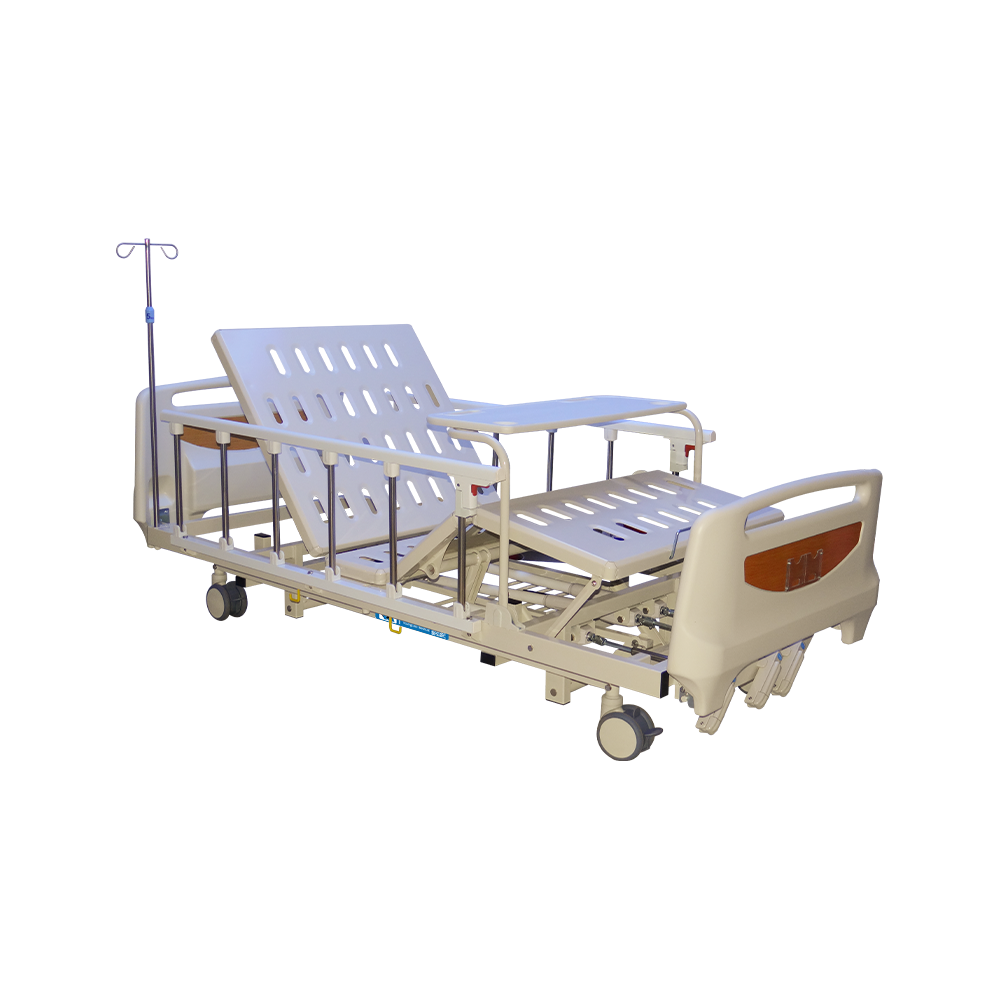
YC-T3611L(III) Manual Hospital Bed With Dinner Table

-
 7500+㎡Factory Area
-
 100+Team Members
-
 85%Export Ratio
-
 90+ CountriesGlobal Markets
-

Pipe Punching
-

Soldering
-

Assembly
-

Inspection
-

Display
-

Packaging
-

Safety Stock
-

Shipment
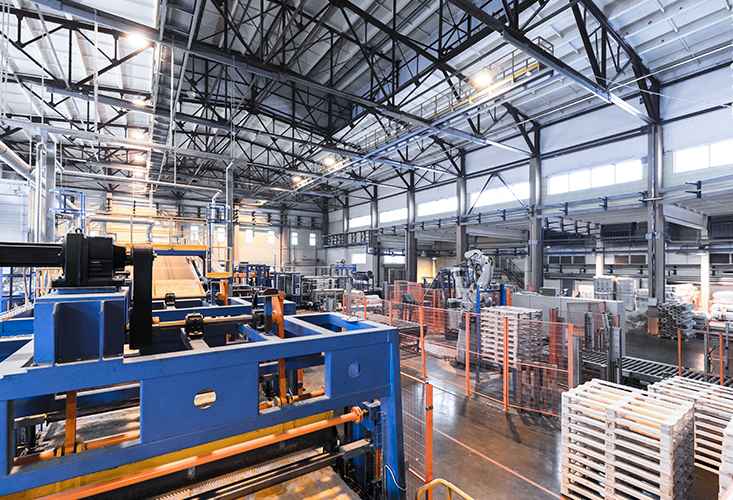
We are an integrated manufacturer and exporter, combining production, quality control, and engineering support. Manual Hospital Bed Factory in China. Our facility is organized by workflow, covering welding, surface treatment, assembly, packing, finished goods warehousing, and container loading. With coordinated teams in production, QC, engineering, and after-sales, we ensure consistent quality, stable delivery, and export-ready support for global customers.
Date With Our Latest Company News and Exhibitions


Jiangsu Youngcoln Medical Co., Ltd. is a Chinese manufacturer of hospital furniture and medical equipment, producing manual hospital beds alongside electric beds, stretchers, operating tables and examination couches. As Manual Hospital Bed Manufacturers working from Zhangjiagang, Jiangsu Province, we build twenty catalogued manual models on welded steel platforms, with two-, three- and four-crank function sets, ABS or steel-coated guardrails, corner bumpers, silent casters and optional dining trays. Our 7,500 m² facility runs above 20,000 hospital beds a year, and we supply distributors, project contractors and care operators across more than 90 countries.
Manual beds stay in service without mains power, handsets or control boxes, which keeps them relevant for general wards, district hospitals, clinics, long-term care buildings and surge capacity. The crank set drives backrest, knee-rest and height; rails and bumpers protect the patient and the frame; casters lock the platform for care and cleaning. Every order is built to a model code, and we confirm the function list, rail type and accessory set against that code before production.
Manual Hospital Bed Range and Model Fit
The range is organised by function set and fitting level rather than by price band, so a ward refurbishment and a volume distributor order can be served from the same platform family.
| Model family | Crank and function set | Rails and fittings | Where it fits |
|---|---|---|---|
| YC-T3611K / YC-T3611L (I–III) | Three cranks, three functions | Silent casters; steel-coated guardrail variant (L II); dining-table variant (L III) | General wards, step-down units, clinic observation |
| YC-T3618K (I) / (II) | Three functions, ABS crank | ABS crank handles; four-unit ABS guardrails on K (II) | Ward refurbishment, standard patient rooms |
| YC-T3618L | Three functions | Corner bumpers, ABS rails | High-traffic wards where frame protection matters |
| YC-T5111L | Four cranks, five functions | Extended positioning beyond backrest, knee-rest and height | Recovery and post-operative observation |
| YC-T5611K / YC-T5611L | Four cranks, five functions | Entry-cost model (K); silent-caster version (L) | Volume tenders, distributor stock programmes |
| YC-T5618L | Five functions | Corner bumpers, silent casters | Long-stay and rehabilitation wards |
| YC-T4611K | Manual hydraulic | Hydraulic height adjustment in place of a height crank | Clinics and facilities that prefer hydraulic height control |
Model codes identify the frame, function set and fittings. We confirm the exact function list against the code on each order so that a repeat order matches the batch already in service, and so that a mixed container can be built from several codes without ambiguity.
Crank Sets, Function Coverage and the Hydraulic Option
Three-crank beds are the standard ward configuration: backrest, knee-rest and height are each driven by a folding handle at the foot end, so a nurse can position the patient without power, batteries or a handset. Four-crank and five-function models add further positioning for recovery, rehabilitation and long-stay care, where head-down and leg-elevated positions are used more often.
- Handles: folding crank handles, ABS-finished on the ABS-crank models, that stay clear of the foot board in use.
- Position holding: function positions are held mechanically, so the platform stays where it is set without any power supply.
- Hydraulic height: YC-T4611K uses hydraulic height adjustment, which suits clinics and teams that prefer a pedal or lever action to a height crank.
- Function list: fixed per model code and repeated on the order confirmation, packing list and bed label.
Application Fit Across Wards, Clinics and Home Care
Manual beds suit buildings where the electrical infrastructure is being upgraded, where beds are moved between rooms, or where the maintenance team wants a platform with no actuators, handsets or control boxes to service. They are also the usual choice for overflow and surge capacity, because a manual bed can be stored, redeployed and returned to service without electrical commissioning.
- General medical and surgical wards: three-crank beds with ABS or steel-coated rails, ordered in matched batches.
- District and secondary hospitals: mixed model codes in one container, with accessories packed by bed.
- Long-term care and rehabilitation: five-function beds with corner bumpers for corridor and lift traffic.
- Clinics and day-care observation: compact platforms, with the hydraulic height option where preferred.
- Home care and step-down rooms: lower-function platforms from our Home Care Bed range where the care setting is domestic rather than acute.
Where a project mixes manual and powered platforms in the same ward, the manual models are specified to match the Hospital Bed deck height and rail layout, so mattresses, over-bed tables and ward screens remain interchangeable. Projects that later move to powered positioning can specify from our Electric Hospital Bed range on the same accessory set.
Frame, Guardrail and Caster Configuration
- Platform: welded steel tube frame, surface-treated on our own line before assembly, then fitted with boards, rails and casters.
- Guardrails: four-unit ABS rails, steel-coated rails or folding rail sets, depending on model code.
- Corner bumpers: fitted on the L-series models to absorb impact in corridors, lifts and doorways.
- Castors: silent casters with individual brakes; caster type and brake arrangement are confirmed per model.
- Accessories: IV pole, dining tray, mattress, over-bed table and ward screen can be packed with the bed as one order line.
Critical Specifications Confirmed Before Production
These are the points we fix in writing before the first tube is cut, because they determine whether the bed fits the ward, the mattress stock and the handling equipment at the destination.
- Deck and platform size: mattress deck dimensions and overall platform footprint.
- Movement range: height range and backrest / knee-rest angles for the selected function set.
- Rated load: working load and the verification method used at final inspection.
- Rails: rail type, rail height and locking arrangement.
- Castors: diameter, brake type and fitting pattern.
- Finish and branding: colour reference and logo position on boards, labels and packaging.
- Packing: knocked-down or assembled, carton plan and container loading sequence.
Quality Control and Acceptance
Quality control follows the production route rather than a single final inspection. Incoming frame parts, casters, brakes and side rails are checked at IQC; welding and assembly are inspected at IPQC; finished beds are checked for appearance and function — lifting, locking and adjustment — at FQC; and OQC confirms model, quantity, accessories and packaging labels before the container is loaded. Key component suppliers are audited to keep sourcing stable and controlled.
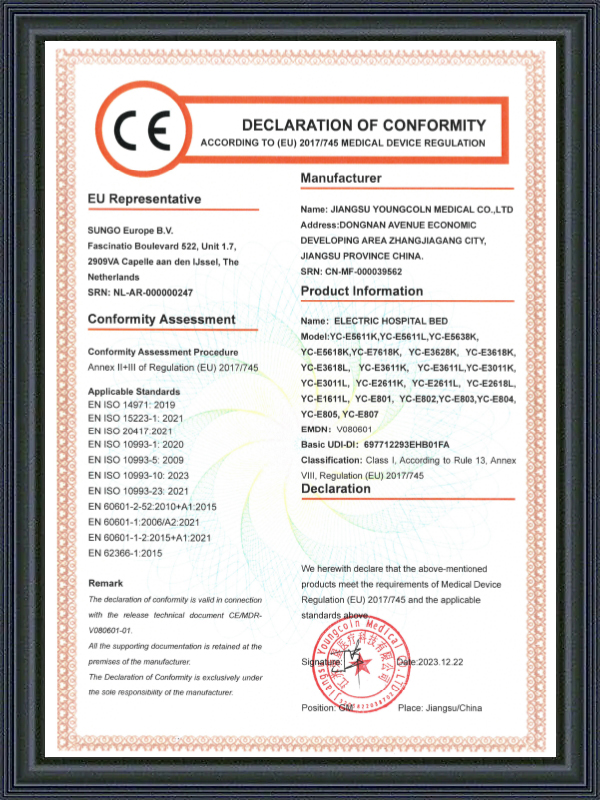
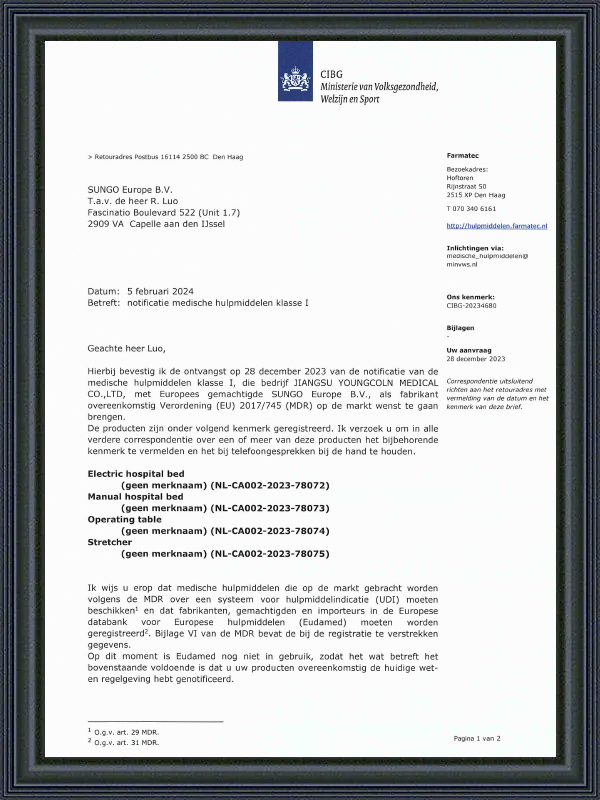
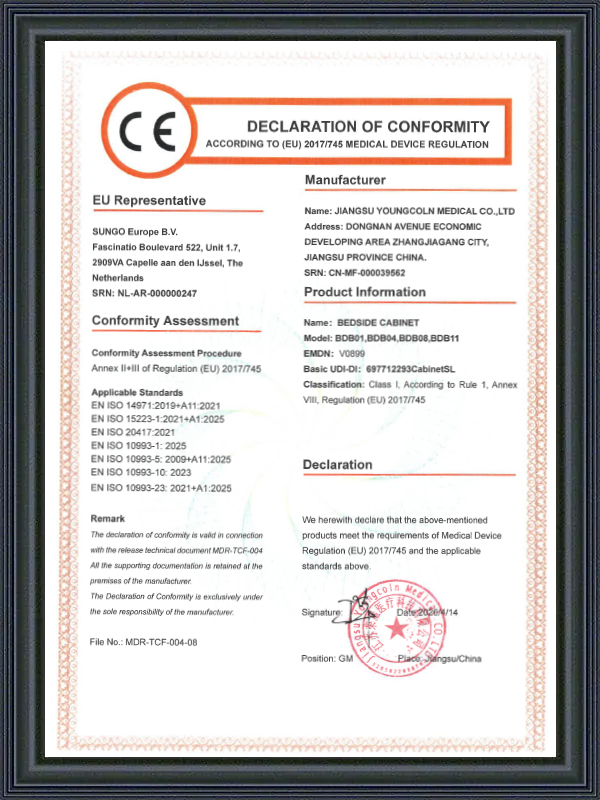
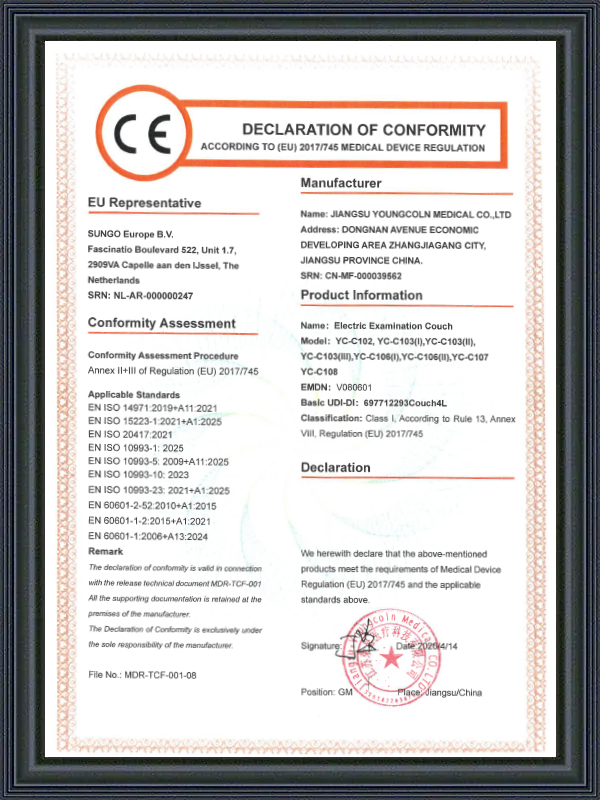
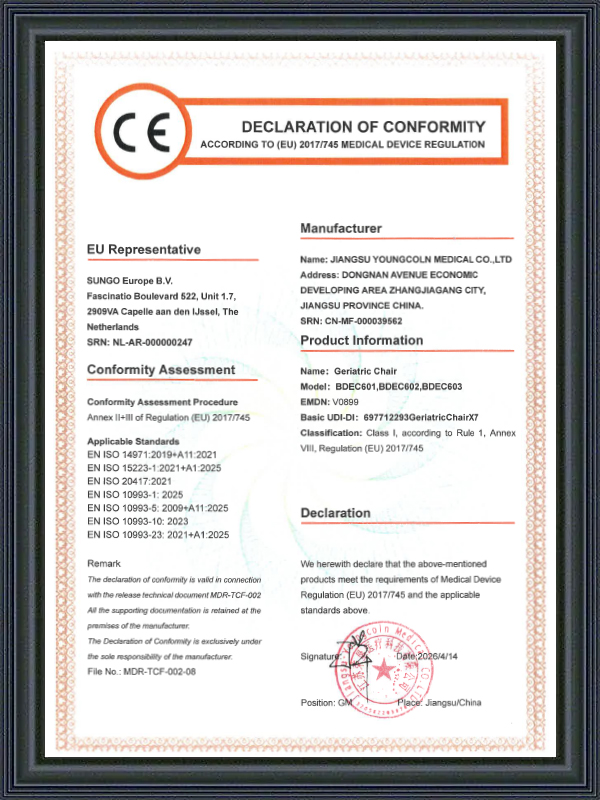
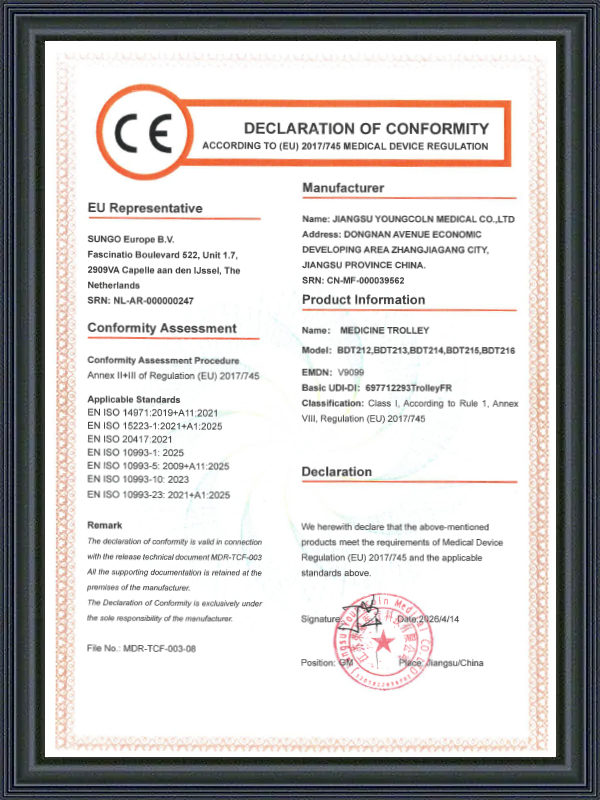
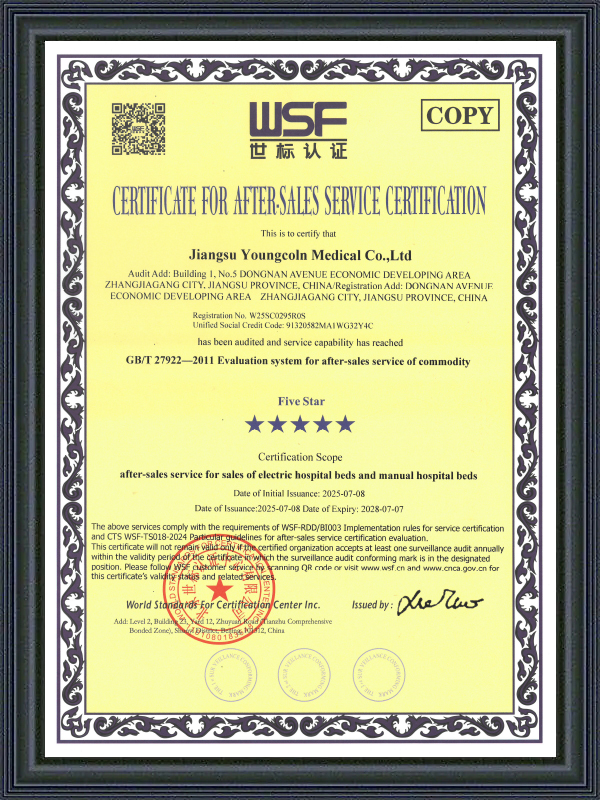
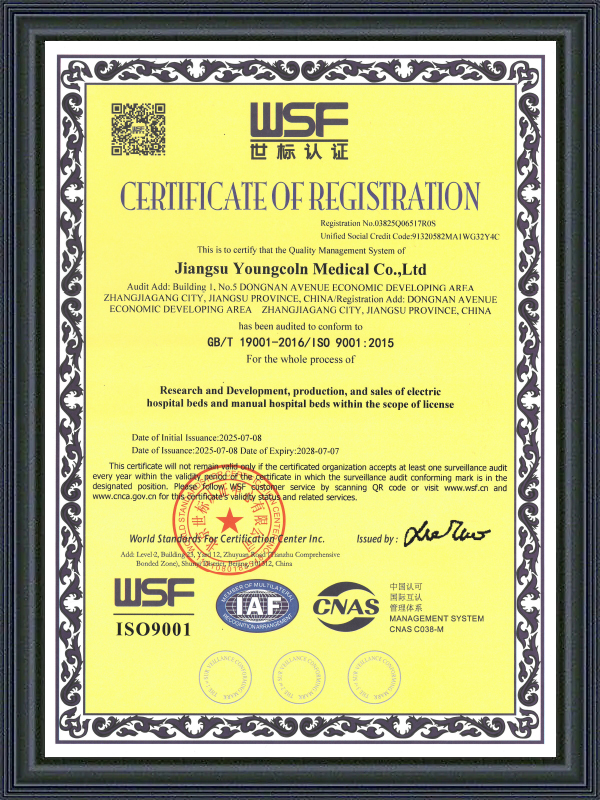
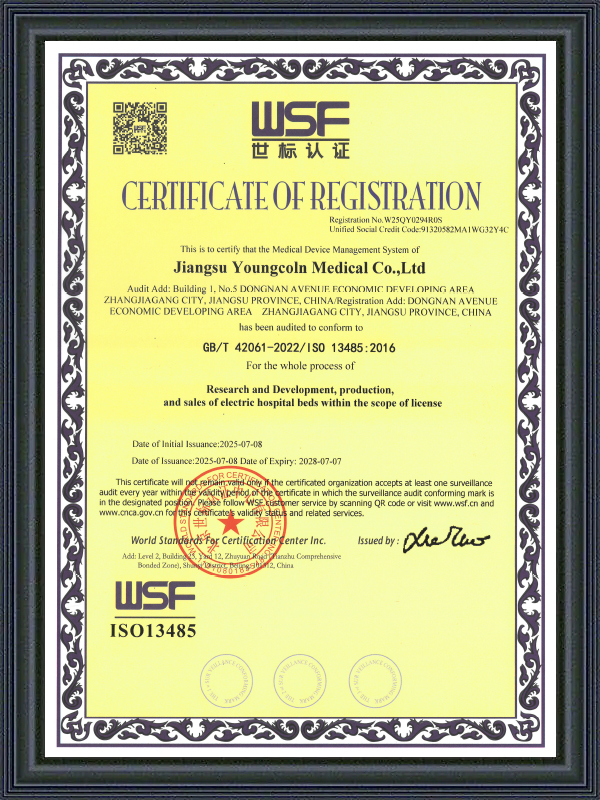
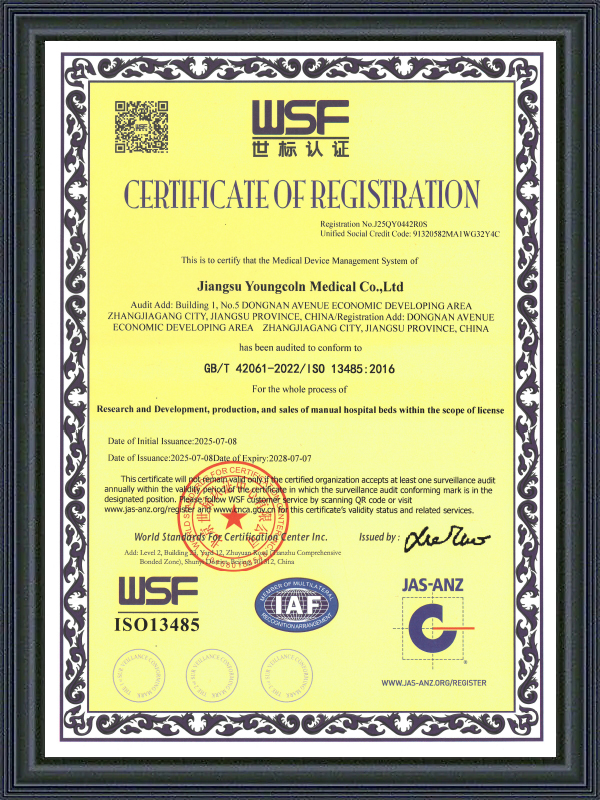
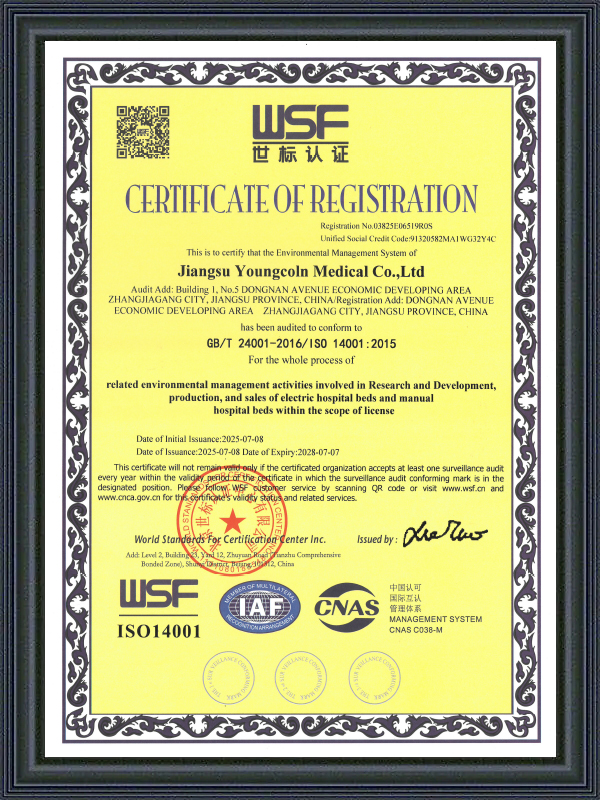
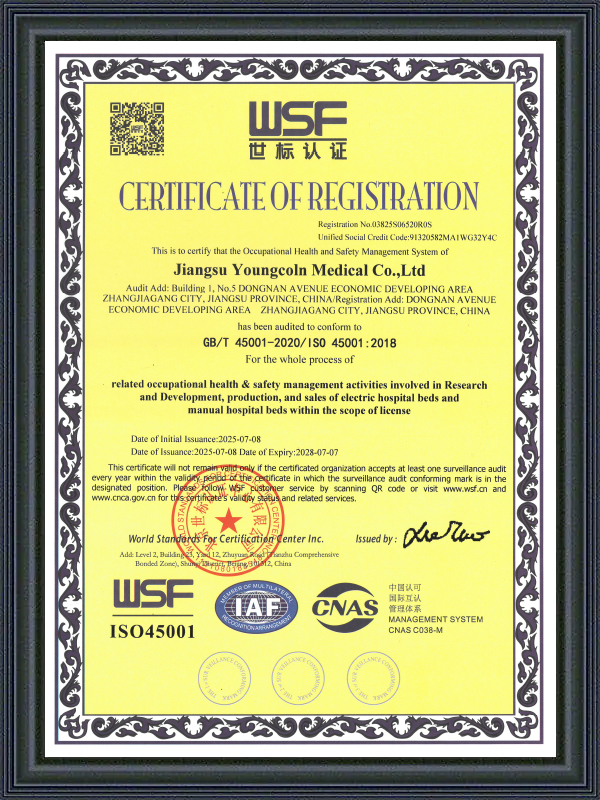
Production runs on a mechanical semi-automatic welding arm imported from Japan, with automated assembly and packing lines supporting consistent output. We hold the Medical Device Manufacturing Enterprise License and operate under ISO9001 and ISO13485, with CE certification and a CE Declaration of Conformity issued for the relevant product scope.
For project orders we agree the inspection points and the function checklist before production, and the same checklist is used at FQC and again at pre-shipment review, so the acceptance record matches what the receiving team will test on arrival.
OEM Support, Packaging and Spare Parts
Manual beds are configurable at model level: rail type, caster type, board style, accessory set, finish colour and branding. OEM programmes run on the same lines as our catalogue models, with branding applied to head and foot boards, bed labels and packaging print. Beds ship knocked-down or assembled according to the container plan and the handling equipment at destination, and packing lists, model labels and accessory cartons are matched to the order line by line.
Cranks, casters, rails, bumpers and board sets are supplied as spares so a ward can repair a bed rather than replace it, and our after-sales team works with distributors on replacement lists for multi-year projects.
Information We Use to Configure Your Solution
- Model code or function requirement: three-crank, four-crank, five-function or hydraulic.
- Quantity and model mix per destination, with any phased delivery schedule.
- Rail type and caster preference, including brake arrangement.
- Accessory list: mattress, IV pole, over-bed table, dining tray, ward screen.
- Branding requirements: logo position, label content and packaging print.
- Destination port, container loading preference and any tender specification the bed must meet.
- Documentation needed for import clearance and hospital acceptance.
Send the model code, quantity and accessory list and we will return a configuration sheet covering the function list, rail and caster selection, packing plan and the documentation set for the destination.
Frequently Asked Questions
Which manual hospital bed models does Youngcoln manufacture?
Our manual range holds twenty catalogued models. The three-crank YC-T3611 and YC-T3618 series cover standard ward use; YC-T5111L, YC-T5611K/L and YC-T5618L add four-crank and five-function positioning; and YC-T4611K is the manual hydraulic model with hydraulic height adjustment.
Can ABS guardrails and silent casters be combined on one bed?
Yes. Rail type and caster type are configuration choices within the model structure: four-unit ABS rails are specified on YC-T3618K (II), steel-coated rails on YC-T3611L (II), and silent casters on the L variants. We confirm the exact combination on the order confirmation so the delivered bed matches the specification sheet.
Do you support OEM branding and mixed-model container loads?
We do. Branding can be applied to head and foot boards, bed labels and packaging print, and a container can be built from several model codes with accessories packed against each bed. Packing lists and labels follow the same model codes used in the order.
What documentation accompanies a manual hospital bed order?
Orders are supported by our ISO9001 and ISO13485 certificates, the Medical Device Manufacturing Enterprise License and the CE Declaration of Conformity for the relevant product scope, together with the packing list, model and accessory labels, and the inspection checklist agreed for the project.
What capacity and lead time apply to volume orders?
Our facility is set up for more than 20,000 hospital beds a year, with an average lead time of 22 days on standard configurations. Volume tenders and phased deliveries are scheduled against the confirmed model mix, accessory list and container plan.

- QR CODE:
- OTHER LINKS:
- QUICK LINKS
- Home
- Products
- About Us
- Manufacturing
- Quality Assurance
- News
- Contact us
- PRODUCT CATEGORIES
- Hospital Bed
- Operating Tables
- Patient Transfer Trolley
- Medical Stretcher
- Medical Examination Couch
- Medical Carts
- Stainless Steel Medical Trolley
- Medical Chair
- Wheelchair
- Hospital Ward Furniture
- Optional Accessories
- Customized Products
-
 sales@youngcoln.com

-
PHONE
 +86-13913296627
+86-512-56951592
-
ADD
 No. 130 Southeast Avenue, Zhangjiagang Economic Development Zone, Suzhou, Jiangsu Province 215600, China


Approval No.: Jiangsu Medical Device Business Filing No. 20253048
