
 EN
EN


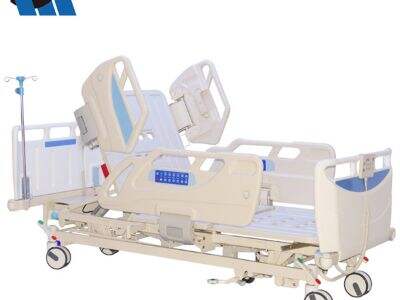
There are two major types of hospital beds which include manual and electric. The kind of kind that is selected is quite significant as it dictates the degree of comfort and ease of working in the areas to the patients as well as the staff. Young Colin Medical have both of them, and by knowing the differences between them you would be able to make decisions which type to utilize in each of your applications. This is a comparison of the manual and electric beds and what to consider in comparing the two.
What Are the Differences Between a Manual and an Electric Hospital Bed?
A caregiver should adjust a manual hospital bed. In other words, when it is time that a patient wants to lean on, or lean forward, it is time to press one lever or a crank of some sort. These beds are relatively cheap, and easy to repair, but may prove cumbersome to the caregivers in instances where they are in a hurry or in case the patients have to undergo numerous changes. The electric beds however can be powered through the application of a motor and thus some of the manoeuvres can be achieved by simply clicking a button. That will work with the patients who might be in the state of failure to call out to get an assistant or may have movement problems. The electric beds may be even more expensive, and more comfortable and convenient too. Electrical beds may also be fitted later with other features such as lights inbuilt or height adjust feature that is handy in the busy hospital setting. However, in the event of power failure, or any mechanical inconvenience with the bed, it will become an issue. The use of manual beds does not present the risk of using electrical power due to the fact that they do not use it. In short, the manual beds are not complicated devices and may be more practical. Its bed is a simple tool and more so, it is also durable.
Manual or Electric Hospital Beds for Your Facility: How to Decide?
What might be challenging is which one is better, manual or electric beds in your facility. Start by putting in mind the needs of your patients. In case the bulk of your patient base is ambulatory and able to call in to get help, manual beds may suit well. They are also less expensive and require less maintenance, not mentioning. However, electric beds can be more suitable when you are in a place where the patients have to be repositioned frequently or are less mobile. Consider, also, the busy-ness of your personnel. Electric bed may help to avoid spending time (and effort) on manual cranking, and this could free up the personnel to focus on other tasks. Another factor to keep in mind is the size of your facility. Small profile of a manual bed might be more suitable in a small room, whereas electric bed may be more comfortable in large bedroom. Pricing is also a factor. Electric beds are also costlier to acquire in the short run, but the upfront cost might justify itself in the long run as they can take part of the load of employees and can make the patients feel more comfortable. Lastly, do not forget to read on warranty and service cover. Youngcoln Medical goes well with both types of beds hence you will be comfortable in making the purchase on both sides! It will be a question of what you are seeking and what your patients need.
Manual vs. Electric
At hospitals, beds generally come in one of two sorts: manual and electric. The traditional type of hospital beds, manual hospital beds. They are composed of metal and wood with multiple functioning parts. A manual bed can be repositioned by a nurse or caregiver with a hand crank. This requires them to turn a handle to raise or lower the head or foot of a bed. This is easy enough to do, but still requires the energy and time. The fully electric hospital bed, on the other hand, are motorized and can be easily adjusted using a remote control by pressing the button. This allows them to change position at will without feeling dependent on others for help. The decision to use manual or electric beds can influence how comfortable patients are and how easy it is for caregivers to assist them. We believe that all services can be delivered closer to home in a patient-centred way.
What Are The Advantages Of Electric Over Manual Hospital Beds?
There are a lot of benefits that electric hospital beds can bring to the table, and they are not just focused around comfort for patients. For one thing, they are significantly easier to use. The bed is easily adjustable at the push of a button for a patient. It helps them position themselves comfortably without asking a nurse to help them. And of patients who may not be able to change their poses or to get up, this is essential. Secondly, electric beds can be lifted or lowered to different levels. An example is that a patient can raise his or her head up so that he/she can watch television or lower his/her feet downwards to relieve pressure. When patients are more comfortable, then they will recover more easily and this is where this flexibility can be provided. Third, electric beds often have safety measures which could also be easily adjusted including side rails. This is a patient safety issue and stops them falling out of bed. Finally, electric hospital bed can make it easier for caregivers to perform their job duties. Caregivers can spend more time with patients and less time adjusting the bed, as they do not need to crank the bed manually. Yongcoln Medical thinks these merits let electric hospital bed become an excellent selection in many health care settings.
Manual vs. Electric Hospital Beds for Patients: What Are the Pros and Cons?
Here, we wil discuss the benefits and drawbacks of manual vs electric hospital beds, specifically for patients. Pros One of the biggest pros, especially for manual hospital beds, is their price. They tend to be more affordable than electric beds, an important consideration for hospitals or homes working on limited budgets. Manual Beds are also usually very durable and with good care can last for a long time. But the biggest downside is that they are physically demanding to move, a chore for patients who may be frail or hurting.
Electric Hospital Beds, by contrast, have both their advantages and disadvantages. Ease of use is a big advantage. Patients are able to reposition themselves easily and independently leading to greater comfort and satisfaction. Now electric bed in hospital come in handy, but also are costly which may become a disadvantage for others. Moreover, electric parts can break or malfunction occasionally, so a bed might require repairs.
both manual and electric hospital beds have their merits and demerits. At Youngcoln Medical, it is our mission to help patients and their caregivers select the right one based on individual requirements. Recognizing these differences can bear on comfort and care for all parties.